Defend against the effects of prolonged sitting with this full-body kettlebell workout
Build muscle and restore mobility around your hips, shoulders and upper back


Prolonged sitting—whether at your desk, on the couch or behind the wheel—can lead to muscle and joint weakness that affects posture and the ability to perform everyday activities.
But uninterrupted sitting is sometimes unavoidable.
Regular movement and stretching throughout the day can help offset negative consequences. However, targeted exercises—like the ones in the workout below—can be even more effective, by addressing areas of weakness and reversing some of the damage.
Certified trainer Maxwell Thompson of David Lloyd Clubs has designed a routine to support your hip flexors and strengthen your posterior chain—the muscles running down the back of your body.
The exercises will recruit all the major muscle groups using just your bodyweight or a kettlebell. They pay particular attention to the hip-hinge movement—used with the Romanian deadlift and kettlebell swings—involving bowing forward with a flat back and straightening up.
If you are doing this workout in the gym or have access to a rower, then try the rowing and kettlebell swing finisher, which Thompson says, is a “low-risk way to re-establish good training habits”, helping develop strength and cardiovascular power.
Thompson personally likes to turn to this routine after an extended absence from the gym, such as after holidays, illness or a busy patch.
How to do the workout
Perform the first five exercises as straight sets: complete all three sets of one move before moving to the next, resting 60 seconds between sets.
Optional: finish with three rounds of 500m row straight into 10 kettlebell swings, again resting 60 seconds between rounds.
When selecting a kettlebell, choose a load that allows you to keep your technique good across all reps. If your form breaks down, reduce the weight or modify the movement (for example, do incline push-ups).
“This routine is aimed at beginner to intermediate trainees,” notes Thompson.
“Anyone newer to training should use lighter loads and focus on form before adding weight.”
1. Goblet squat
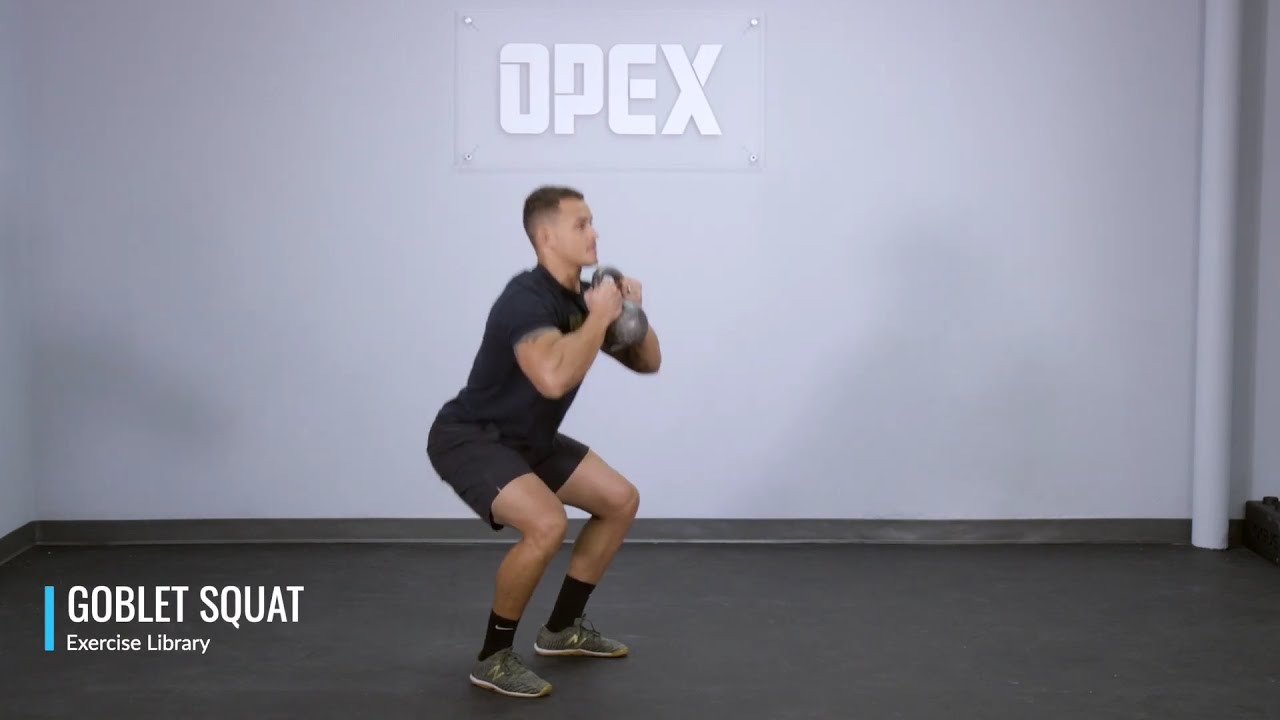
Sets: 3 Reps: 12 Rest: 60sec
- Stand with your feet just wider than shoulder-width apart, toes pointing outward.
- Hold a kettlebell upside down close to your chest in both hands.
- Inhale to brace your core.
- Sit your hips back and bend your knees to lower, pushing your knees out so they don’t cave in, and keeping your weight distributed across your feet, your heels down and your chest facing forward.
- Exhale as you stand up, squeezing your glutes.
Make it easier: Perform without the kettlebell.
2. Push-up
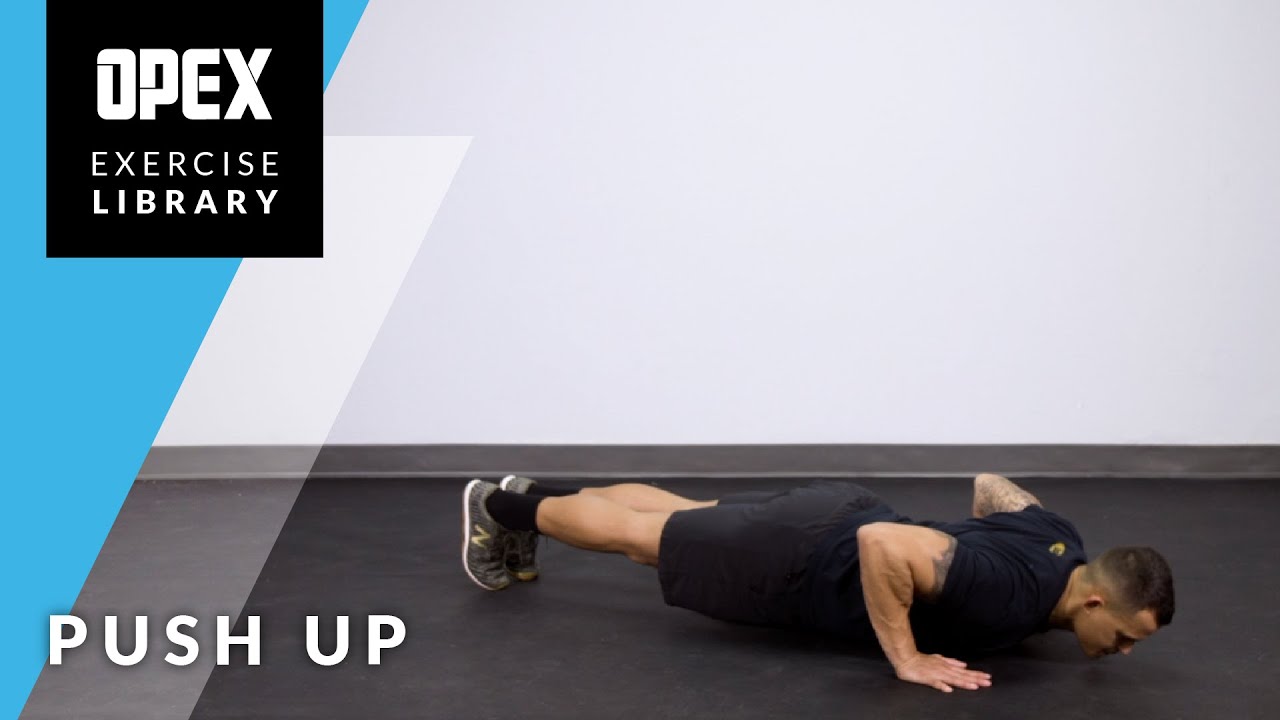
Sets: 3 Reps: 10-12 Rest: 60sec
- Start on your hands and toes, with your hands under your shoulders, your legs extended and your body in a straight line from your head to your heels.
- Brace your core and squeeze your glutes to avoid your hips sagging.
- Bend your elbows to lower your chest, allowing your elbows to move at roughly 45° from your torso.
- Press through your palms until your arms are straight, but don’t lock out your elbows to protect the joint.
Make it easier: Perform the push-up on a bench or against the wall to reduce the load.
3. Kettlebell Romanian deadlift

Sets: 3 Reps: 10-12 Rest: 60sec
- Stand with your feet hip-width apart, holding a kettlebell in both hands by the handle in front of your legs.
- Retract your shoulder blades to engage your upper back, and engage your core.
- With a small bend in your knees, push your hips back to lower the weight, keeping it close to your legs and maintaining a flat back, until you feel a stretch in your hamstrings.
- Push your hips forward to stand and squeeze your glutes at the top of the move.
Make it easier: Reduce the weight or swap for a bodyweight good morning.
4. Dual kettlebell bent-over row
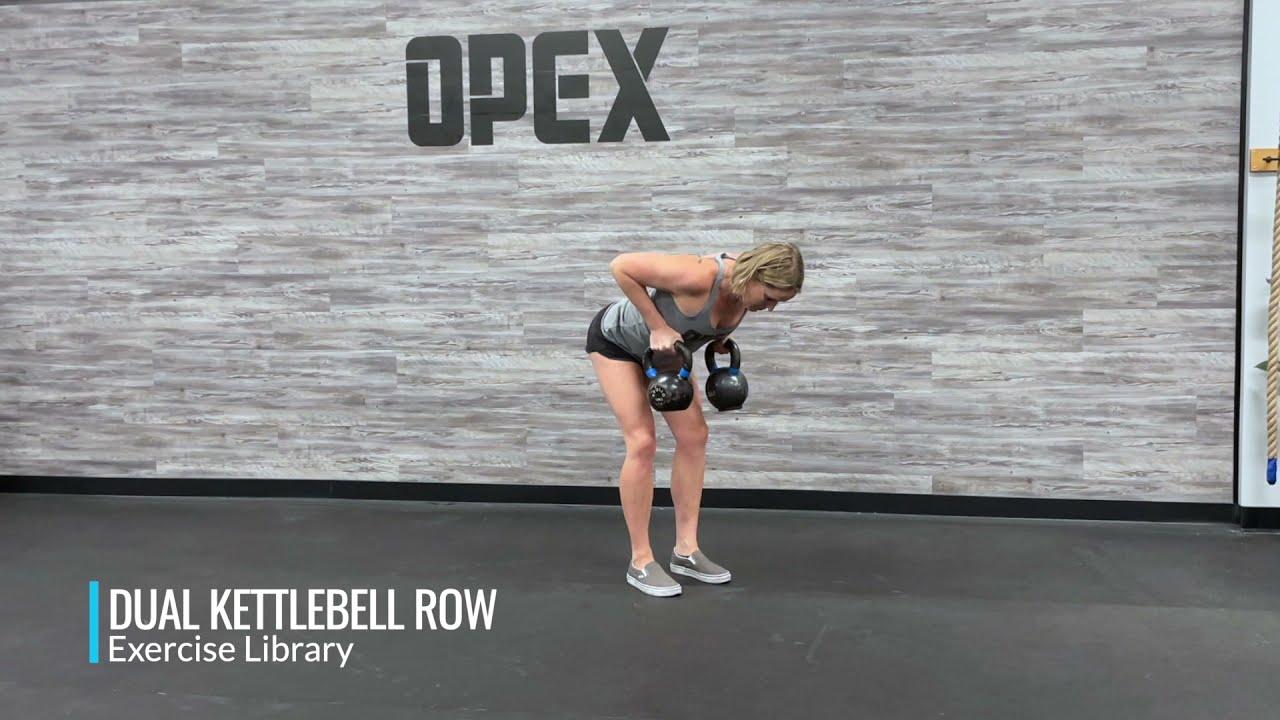
Sets: 3 Reps: 10 Rest: 60sec
- Stand with your feet hip-width apart, holding a light to medium-weight kettlebell in each hand.
- Brace your core, then hinge forward at your hips, keeping a flat back and a slight bend in your knees.
- Let the weights hang with your arms extended.
- Retract your shoulder blades to engage your upper back.
- Lift the weights toward your hips, squeezing your shoulder blades together at the top of the movement.
- Lower the weights under control without rounding your spine.
Make it easier: Perform a one-arm kettlebell row holding a bench for support with your other hand.
5. Plank
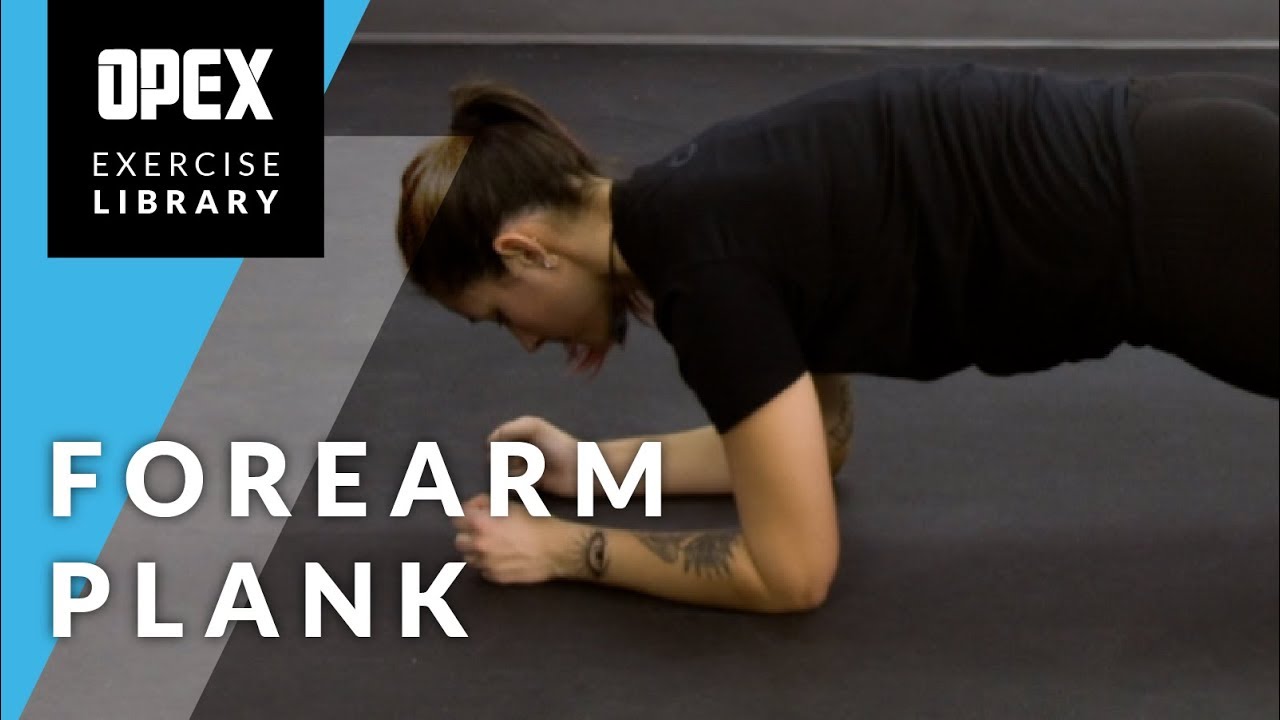
Sets: 3 Time: 30-45sec Rest: 60sec
- Lie on your front, propped up on your forearms, with your elbows under your shoulders.
- Lift your hips so your body forms a straight line from your shoulders to your feet.
- Hold this position, squeezing your glutes and engaging your core to avoid your hips dropping or rising.
- Keep your neck neutral and gaze slightly ahead of your hands.
- Breathe steadily throughout the hold.
Make it easier: Perform the plank on a raised surface like a chair, bench or couch, or your knees.
6. Rowing and kettlebell swing
Sets: 3 Reps: 500m + 10 kettlebell swings Rest: 60sec
For the row:
- Perform a few gentle practice strokes before you start your 500m.
- Use a strong leg drive, pushing hard through your feet, then lean back and finish with the arm pull.
- Reverse the motion: extend your arms, lean forward, bend your knees to return.
- Keep your stroke rate consistent and breathe rhythmically with each pull.
For the kettlebell swing:
- Stand with your feet hip-width apart and the kettlebell on the floor, just in front of you.
- Brace your core, retract your shoulders to engage your back muscles, push your hips back and bend your knees slightly.
- Grasp the bell and pull it between your legs.
- Snap your hips forward to stand upright, generating the power to swing the kettlebell forward to chest height.
- As the kettlebell descends, hinge forward from your hips and let the bell swing between your legs, going straight into the next rep.
Tip: Keep your arms long and relaxed—all the power comes from your hip drive.
Make it easier: Reduce the rowing distance or add a 30-second rest between exercises.
