





Eat better with less stress—a chef’s simple guide on how to start meal prepping this week
Take control of what you’re eating while saving time and money, with these quick tips


People often avoid meal prepping because they assume it takes too much time. In reality, it can be one of the most efficient ways to cook—saving both time and mental energy across the week.
Private chef and NASM-certified personal trainer Jane Olivia says meal prepping is a simple strategy for busy people who want to eat well without overthinking it. Having food ready in advance can make it easier to avoid last-minute, less healthy choices—helping create more consistent eating habits.
“Life is busy, and people often fall into poor food choices simply because nothing is prepared,” she says. “Meal prepping removes that daily decision fatigue, when the food is already there, you're far more likely to eat well.”
It can also save time, reduce food waste and make the most of your budget. Rather than cooking from scratch every day, preparing meals in batches means you spend less time in the kitchen overall.
@earthyjane clients LOVED this menu😍😍
♬ original sound - Jane Olivia👩🏼🍳✨🍝🥒🍒🍰
“Most people spend time each day figuring out what to eat and cooking it,” Olivia explains. “A single prep session can save several hours across the week—and that’s not including the mental energy you save from not having to think about it.
“You’re also less likely to impulse buy, you waste less food, and you eat out less. Using the same base ingredients across multiple meals can make your grocery shop go much further.”
For those on a budget, she suggests focusing on staples such as eggs, canned beans, lentils, oats, frozen vegetables, sweet potatoes and brown rice.
“These ingredients are cheap, filling, nutritious and incredibly versatile,” she says. “Build your meals around a balance of protein, grains and vegetables, and choose foods that reheat well or taste good cold.”
Beyond the practical benefits, there’s a psychological one, too. Knowing your meals are already ready to go can reduce stress and make healthy habits easier to stick to.
“There’s a real sense of calm that comes from opening your fridge and knowing exactly what you’re eating,” she says. “That feeling of control often carries over into other areas of your routine.”
Meal prepping can also support portion control and it means that you have a better idea of what you’re eating and how much, which can help reduce overeating over time.
“When you cook while you’re already hungry, it’s easier to make less mindful choices,” Olivia says. “When meals are ready to go, you’re more likely to stick with what you’ve prepared.”
So, how do you get started? Olivia recommends three simple steps.
1. Start with just one meal
Don’t try to prep your entire week straightaway. Begin with a single, easy option you already enjoy. “The biggest mistake people make is trying to do too much too soon,” says Olivia.
“Start with something simple, like a sheet pan of chicken and vegetables. Toss everything in one pan, season it, roast it at 400℉ for 25–30 minutes, and divide it into containers.
“Add a sauce or dip like hummus on the side. Minimal clean-up, hard to mess up, and genuinely tastes great all week.”
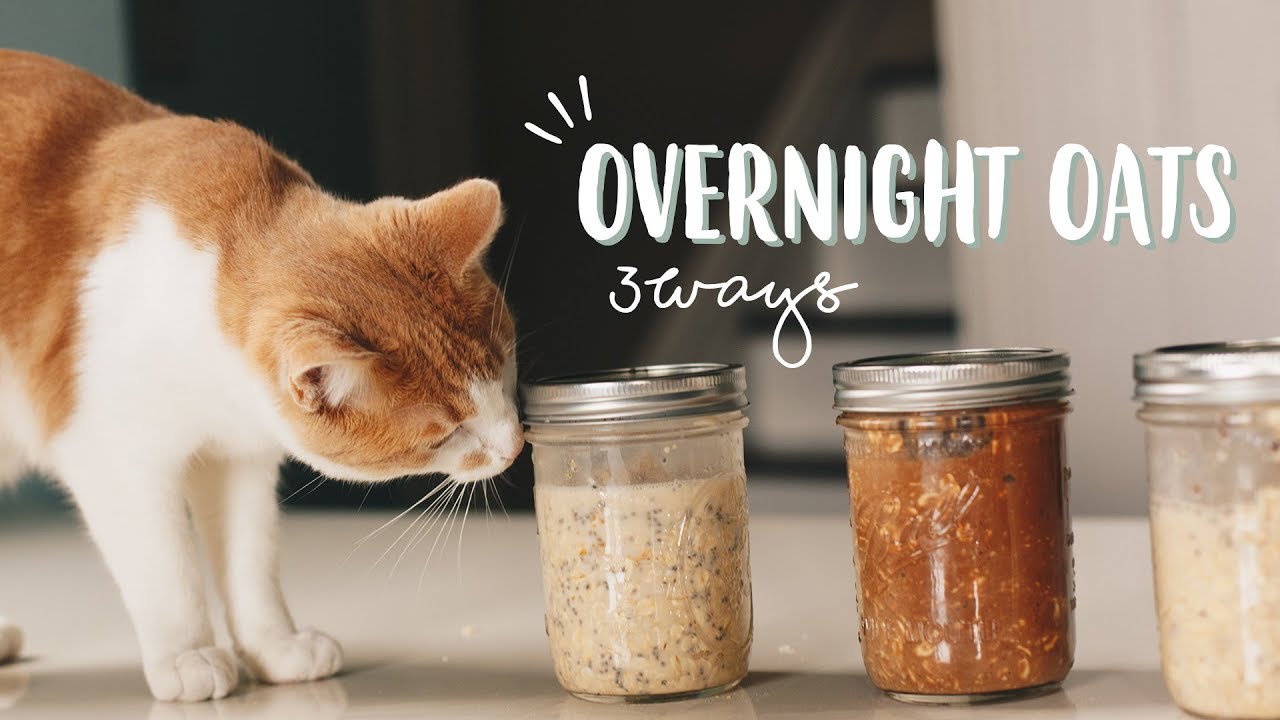
She adds that breakfast is another good place to start. “I personally struggle the most with high-quality breakfast, so that is the meal I always have prepped.” Quick and easy options include overnight oats and chia pudding.
2. Choose seasonal ingredients
Seasonal produce is often fresher, more flavourful and better value, making it a smart choice for meal prep.
“Ingredients that are in season tend to taste better and are usually more affordable,” Olivia says. “They can also be more nutritious, especially when they haven’t spent as long in storage or transport.”
She suggests asparagus, peas, spinach, artichokes, radishes and strawberries as seasonal ingredients for spring. “They’re at their peak flavor and usually the best price of the year.”
3. Change flavors, not the whole meal
Variety doesn’t have to mean more work. Instead of cooking entirely different meals, Olivia suggests switching up your sauces and seasonings.
“The same chicken and rice feels completely different with teriyaki versus a lemon and herb sauce, or a tomato-based sauce,” she explains. “It keeps things interesting without adding extra effort.”
With a simple plan and a few reliable ingredients, meal prepping doesn’t need to feel like a chore. Start small, keep it flexible, and it can quickly become a habit that makes everyday eating easier.
