A physical therapist says you can restore mobility to your hips with these four movements—no equipment required
Moving your hips in all the ways they were designed to can reduce the pressure on your joints


My hips have been causing me problems for as long as I can remember.
As a young child, I was riding (and falling off) horses regularly, which meant I built a good foundation of lower-body and core strength but it also left me with chronically tight hip flexors.
Now I work at a desk every day, exacerbating the problem.
Tight hip flexors are a familiar gripe of most office workers and something orthopedic physical therapist Dr Andrew Gorecki treats frequently at his clinic, Superior Physical Therapy.
Gorecki explains that many of us spend our lives using just one plane of motion. Our hips move forward and back, but we rarely employ the side-to-side or rotational mobility they are capable of.
“Walking only in straight lines on flat ground lets the inner-thigh adductors and the side-hip muscles stiffen and weaken. Hours of sitting shorten your hip flexors in the front of your hips,” says Gorecki.
The less we use our muscles, the weaker and tighter they become.
“When the muscles around the hips get tight and short, the joint space itself becomes compressed,” he adds. “That’s when tendinitis, bursitis, and joint pain start.”
“Most adult hip pain isn't a problem with the joint itself. It's a problem with the muscles around the joint.”
Once you restore the mobility in all three planes of motion, Gorecki explains that the pressure on the joint is lessened and, more often than not, your hip pain will subside.
He has designed the following program to work your hips in all planes of motion so they work optimally.
“Each exercise is performed in all three planes of motion—the same way the hip actually has to function in life,” he says.
1. Multi-plane hip flexor mobility
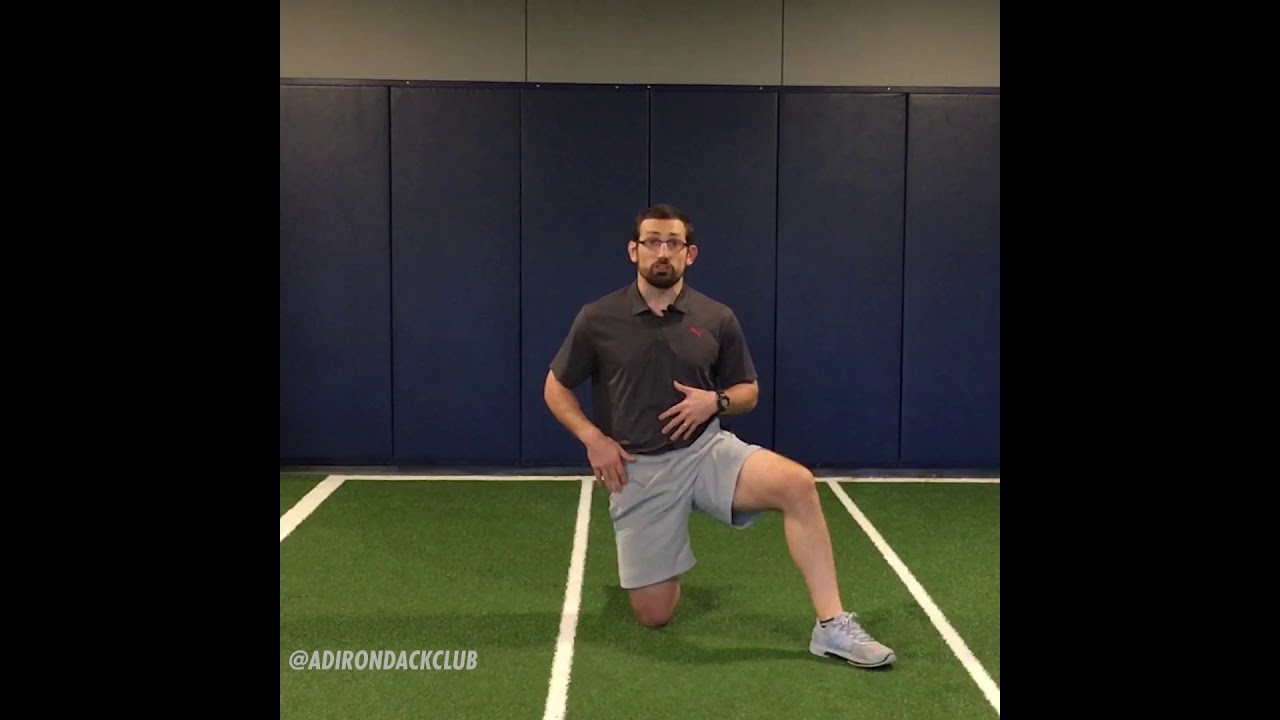
Sets: 1 Time: 30sec per plane of motion each side Rest: 30-60sec between sides
Targets: hip flexor muscles
“The hip flexors get tight from sitting and pull on the spine, which is why hip flexor tightness so often shows up as both hip and low-back pain,” explains Gorecki.
“Working the muscle in all three planes of motion restores the function it's actually lost. Most people stretch it only front-to-back and never address the side-to-side and rotational stiffness.”
How to do it:
- Start in a half-kneeling position with your left foot flat on the floor in front of you and your right knee on the floor under your right hip.
- Tuck your pelvis in to flatten your lower back.
- Front-to-back: Gently shift your hips forward and back, a few inches each way, feeling a stretch in the front of your right thigh.
- Side-to-side: Reposition your front foot so it’s at a 45° angle outward from you. Gently move forward and back in small movements.
- Rotation: Reposition your front foot outward further, as close to 90° as possible. Gently move forward and back in small movements.
- Complete 30 seconds on each plane, then switch sides.
2. Multi-plane adductor mobility
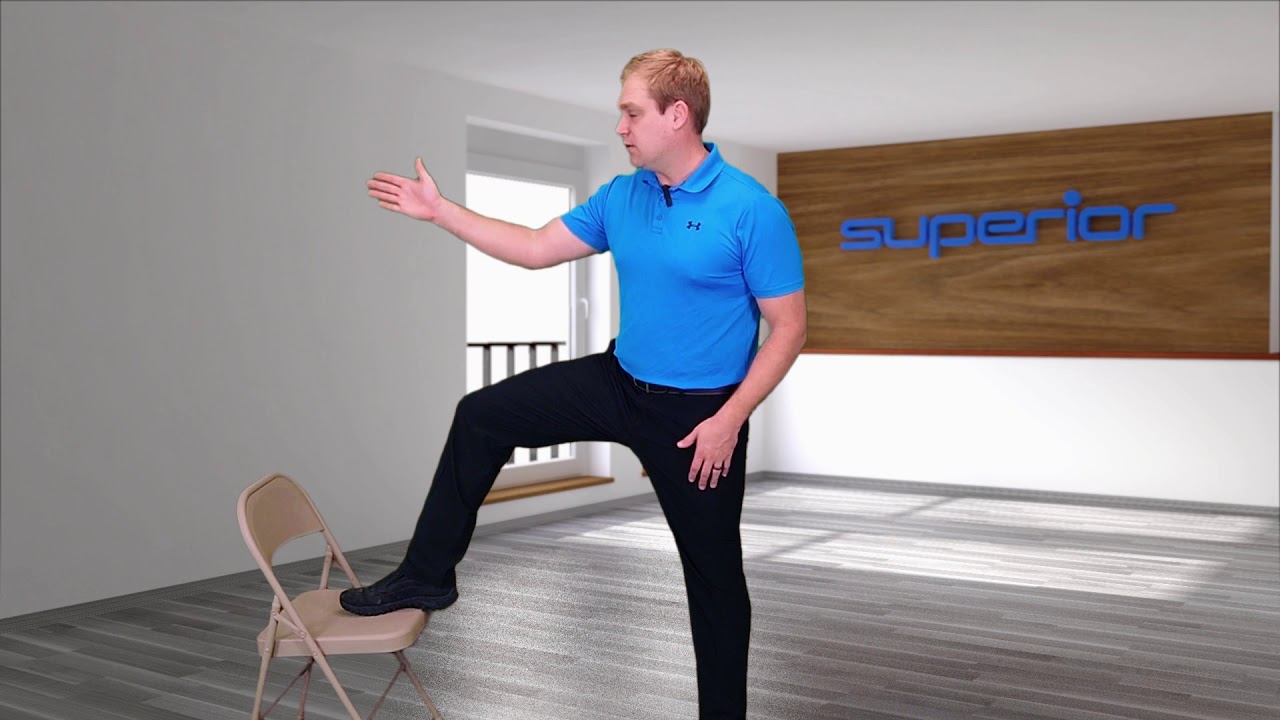
Sets: 1 Time: 30sec per plane of motion each side Rest: 30-60sec between sides
Targets: adductors
“When your adductors stay tight, your hip joint loses space and your glutes can’t fire properly,” says Gorecki.
“Opening your adductors in all three planes restores joint space and lets your glutes do their job.”
How to do it:
- Stand with a sturdy chair on your left—use a wall or doorway for balance if needed.
- Place your left foot on the chair, turning your foot outward to roughly 90° so the inside of your leg faces forward.
- Side-to-side: Gently shift your hips side to side toward the chair and back. You should feel a stretch in your inner thigh.
- Front-to-back: From the same position, gently shift your hips forward.
- Rotation: Move your hips in slow, small circles in both directions.
- Complete 30 seconds on each plane, then switch sides.
3. Lunge matrix
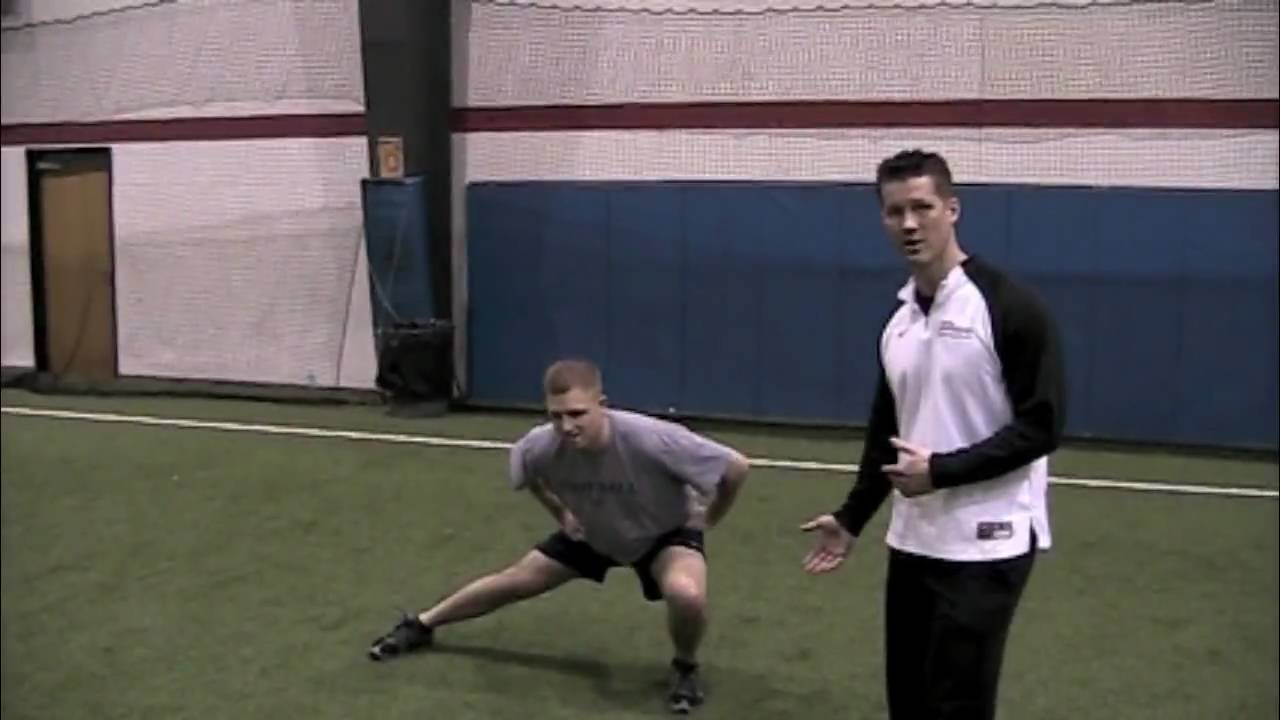
Sets: 1-2 Reps: 8 per plane of motion each side Rest: 30sec between sides
Targets: the entire hip complex: glutes, quadriceps, hamstrings, adductors and rotator muscles
“Real life loads the hip in every direction, but most hip strengthening programs train only forward and back,” says Gorecki.
“The three-way lunge is the single most efficient way to restore strength in all three planes.”
How to do it:
- Stand with your feet hip-width apart.
- Front-to-back: Step your left foot forward and bend both knees to lower until your right knee is just above the floor, then push through your left foot to rise and return to the starting position.
- Side-to-side: Step your left foot out to the side, bending your left knee while keeping your right leg straight, then push through your left foot to rise and return to the starting position.
- Rotation: Lift your left foot and rotate your hips to the left so you can step your left foot behind you and to the left, then push through your left foot to rise and return to the starting position.
- Complete all reps on one leg, then switch sides.
Progression: Once you feel comfortable, add a reach with both arms in the direction of the lunge to increase the challenge.
4. Three-way reach
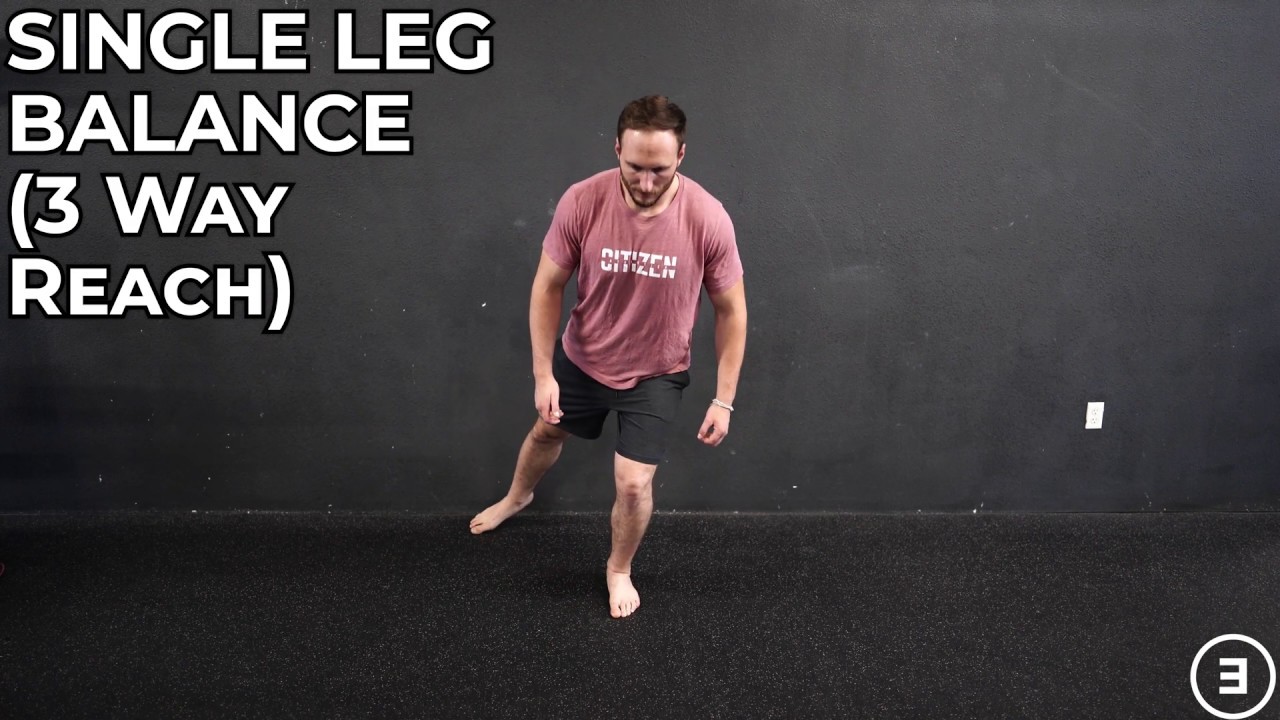
Sets: 1-2 Reps: 8 per plane of motion each side Rest: 30sec between sides
Targets: gluteus medius and the deep hip stabilizers
“The gluteus medius is the most important muscle for hip health,” says Gorecki.
“Weak hip stabilizers are the silent driver of most hip, knee and low-back pain.
“Training your standing leg to stabilize while the other leg reaches in three planes is the most functional way to build this muscle, and is far more effective than floor-based clamshells.”
How to do it:
- Stand with your feet hip-width apart and shift your weight onto your left leg. Lightly hold a counter or chair for balance if needed.
- Reach forward: Move your right foot forward and bend your left knee to tap the floor in front of you with your right heel, then return to the starting position.
- Reach to the side: Move your right foot out to the side and bend your left knee to tap the floor with the toes of your right foot, then return to the starting position.
- Reach back and across: Reach your right foot back and to the left of your standing leg, bending your left knee to tap the floor with the toes of your right foot, then return to the starting position.
- Complete all reps on one leg, then switch sides.

Follow Fit&Well on Google News (click on the star on the Google News page) and add us as a preferred source to see all our workout ideas and wellbeing advice in your feeds.
