




A personal trainer says these are the four exercises every walker should be doing to build walking strength
Get your muscles ready for longer distances with simple movements that don’t require any special equipment


If you’ve taken a break from walking, or want to build up to longer distances, you may be surprised to learn that it’s worth strengthening the muscles you use to walk, rather than just, say, walking more.
That’s because, although walking is a low-impact activity, you can put your joints under stress they can’t cope with if the muscles around them don’t provide proper support. This is particularly true if you suddenly dramatically increase the distance you walk in a week.
So I asked Rosie Borchert, a NASM-certified personal trainer for REP Fitness, to suggest a straightforward routine that can be done at home with no equipment.
Borchert came back with these four exercises that, when performed two or three times a week, can help strengthen your calves, hips, legs, and glutes, making your gait more efficient and reducing your risk of developing an injury.
It won’t eliminate the risk of injury completely, however. Borchert stresses that while strength training can help, it must also be accompanied by building up the amount of walking you do gradually.
“To help reduce your risk of injury from doing too much too soon, ease your way into a walking routine,” she says.
“Start with a comfortable goal. Try adding five minutes of walking each day, while taking a day or two of rest each week if your body needs it.
“Gradually increasing your walking time, while giving yourself regular recovery days, can help you build endurance, improve consistency and get back into walking shape without overdoing it.”
Four strengthening exercises for walkers
1. Step-up

Sets: 3 Reps: 10-15
How to do it:
- Stand in front of a step or box, that’s between ankle height and knee height.
- Place your right foot on the box and push off your left foot to bring your left foot onto the box next to your right foot.
- Step back onto the floor, lowering slowly and with control.
Progression: Once the movement ceases to be a challenge, hold dumbbells. Or, to challenge your balance and stability, hold a dumbbell on one side.
Why it works: “The quads and glutes are firing in this move, with stability support from your core, calves and hamstrings,” says Borchert.
“Outside of building strength for walking, with this exercise you’ll also be building strength to climb stairs and step up over boulders when your hike takes you through uncharted territory.
“You will also hone the proprioception [your sense of your body’s position] you need to move safely forward and backward through varying terrain.”
2. Donkey kick
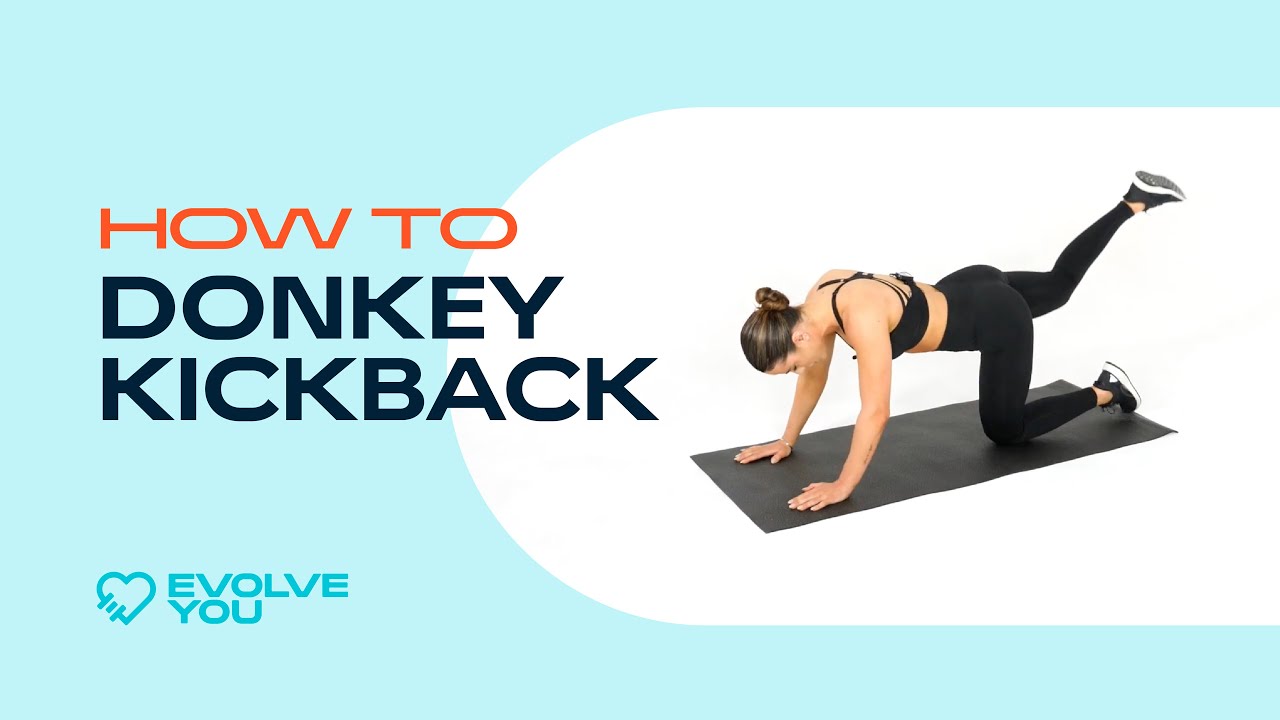
Sets: 3 Reps: 10-15 each side
How to do it:
- Get on your hands and knees with your hands directly under your shoulders and your knees below your hips.
- Engage your core.
- Lift your right foot behind you until the sole faces the ceiling, maintaining a 90° bend in your knee.
- Squeeze your glutes, then lower back to start.
- Do all your reps on one side, then switch sides.
Progression: Slow down the movement to increase time under tension or add more reps.
Why it works: “The donkey kick targets your gluteus maximus, with some engagement from your gluteus medius, gluteus minimus, core and hip flexors,” says Borchert.
“This is a move I use religiously to help wake up my glutes.”
3. Standing hip abduction
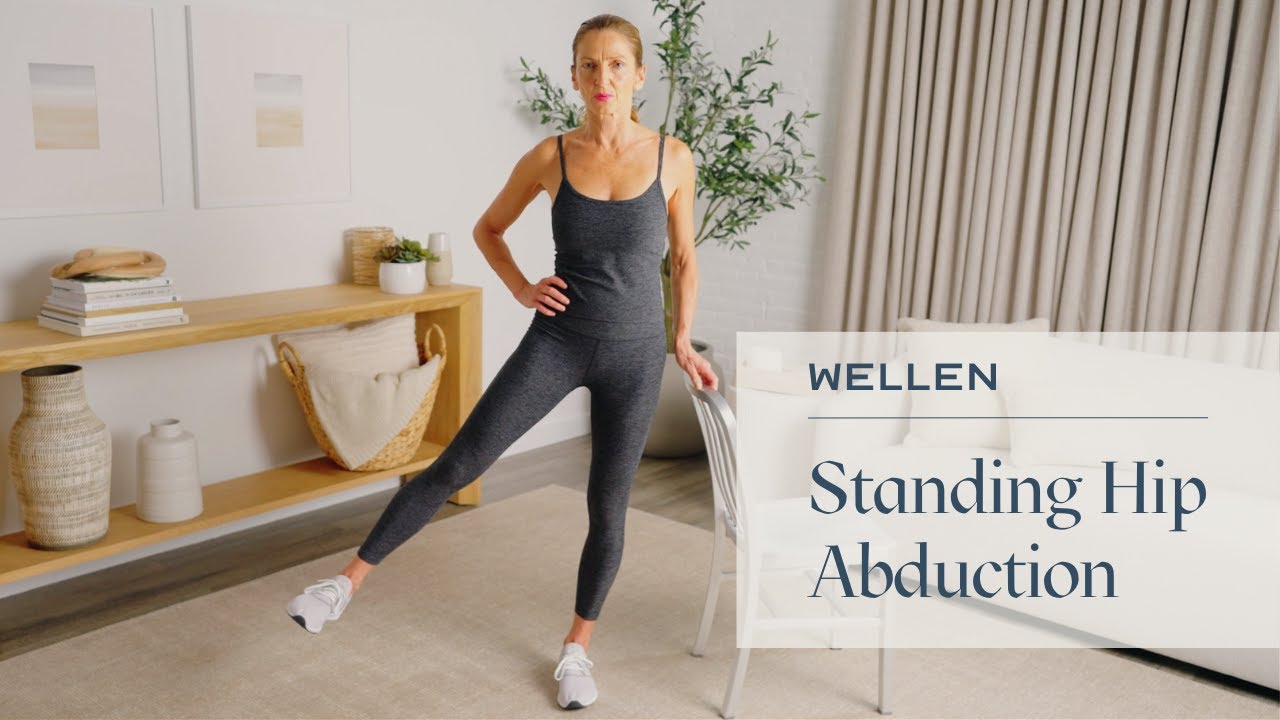
Sets: 3 Reps: 10-15 each side
How to do it:
- Stand with your feet together and your back straight, with a chair or counter to the left of you, to help you balance.
- Shift your weight onto your left leg and, keeping your hips level and facing forward throughout, lift your right leg out to the right side, with your toes facing forward.
- Lower your right leg back to start with control.
- Do all your reps on one side, then switch sides.
Progression: To increase the challenge, try adding a short loop resistance band around your ankles.
Why it works: “The hip abductors are the primary focus with this move. Building strength here helps to stabilize your pelvis and maintain balance while walking,” says Borchert.
4. Calf raise
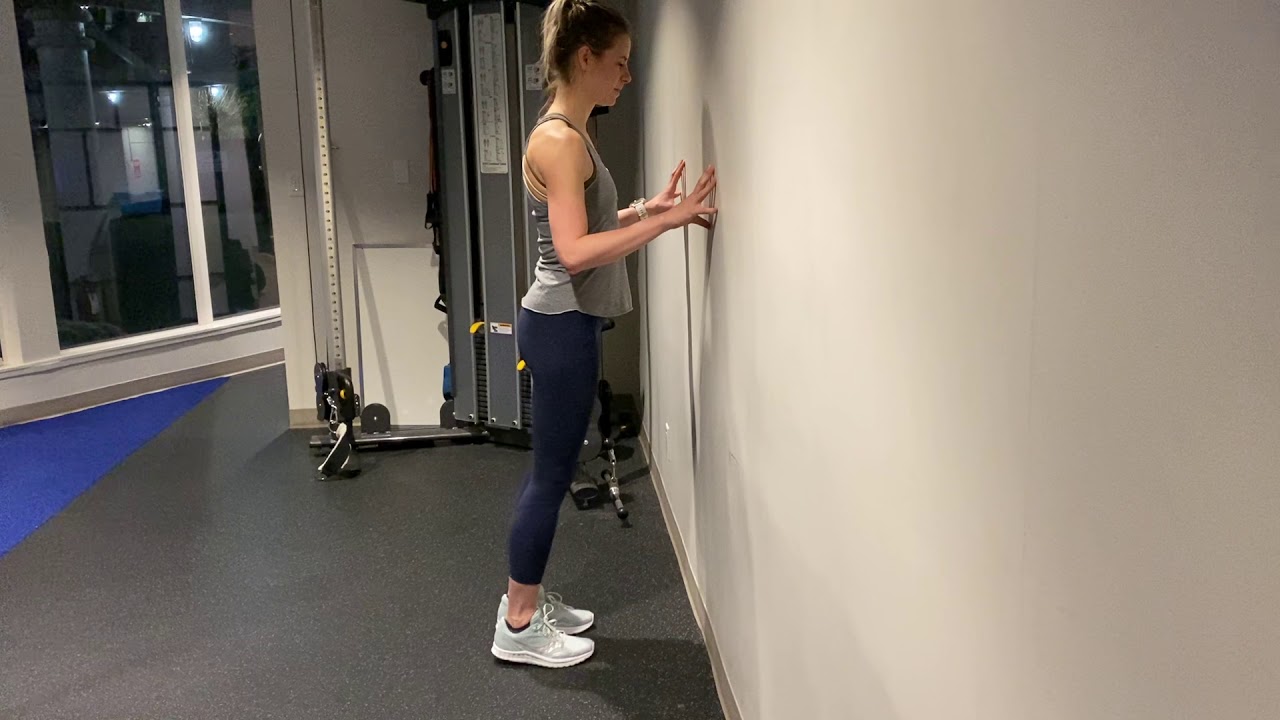
Sets: 3 Reps: 10-15
How to do it:
- Stand with your feet hip-width apart, with your hands resting lightly on a wall if you need help to maintain your balance.
- Rise onto your toes slowly.
- Pause, then lower your heels back to the floor with control.
Progression: Hold dumbbells and/or lift one foot off the floor to do single-leg calf raises.
Why it works: “Out on your walk, each step you take is powered by the muscles in your calves,” says Borchert. “Strong calves help keep your ankles stable over changes in terrain, propel your body forward and absorb shock, which can reduce stress on your joints.
“Calf raises are my go-to move when I’m standing somewhere and I’m bored. Waiting in line for the bathroom? Calf raises. Standing at the bar with some friends? Calf raises. This move can be tackled wherever and whenever.”
Shop walking shoes


