


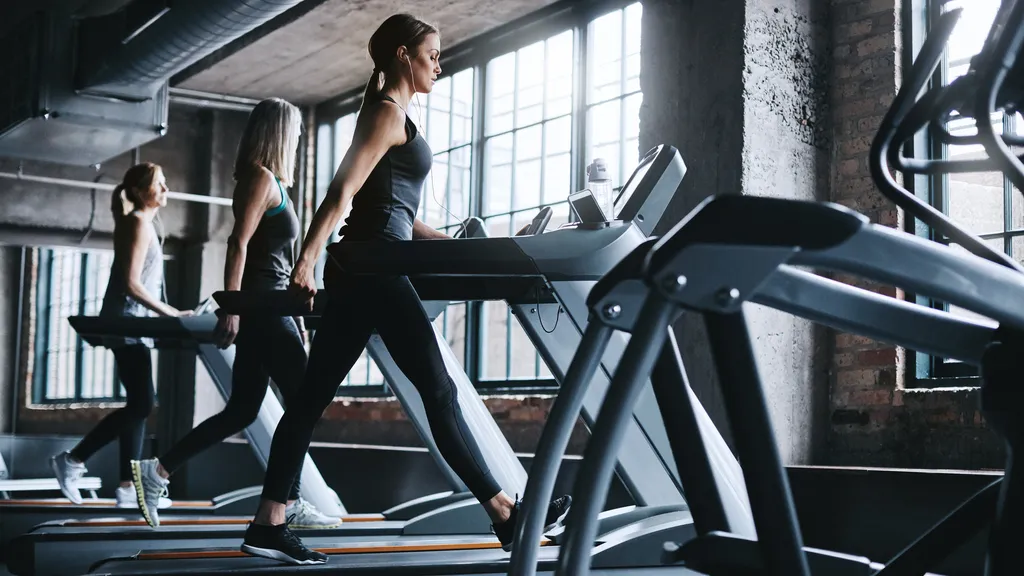


A yoga teacher noticed her mature students often struggle with balance issues—here are her three recommended standing poses to improve stability
Build mental focus and physical stability


How confident do you feel going up a flight of stairs? Do you take steps one at a time, or are you sure-footed enough to stride up without hesitation?
Your sense of balance is something you probably won’t think about much until you lose it, but it’s something everyone should be working on.
“Balance isn’t just a physical skill, it’s an attitude of attention, inner steadiness and calm,” says Yoga-Go yoga teacher, Amanda York.
She explains that our mind-body connection is important and your mind follows your point of focus.
“When the mind scatters, the body wobbles. When attention settles, the body follows,” she says.
Joint instability, injury or mobility challenges can all impact balance, but so can a lack of practice, confidence and concentration.
“In my decade and a half teaching yoga, I’ve noticed that balance poses are often especially desired by more mature students, for obvious reasons such as aging bones and natural muscle loss,” she says.
“But in truth, these poses serve everyone. Whatever your age, sex or ability, balance work cultivates strength, stability and confidence that support daily life.”
Standing poses also build strength and stability in the legs, back, core and hips, as well as provide psychological benefits.
“By bringing attention to any standing balance, you naturally become more aware of your posture and center of gravity.”
With regular practice, you’ll strengthen your muscles and teach your core to engage properly, which will enhance yoga practice and support everyday functional movement.
Here are three balance poses York recommends.
1. Tree pose
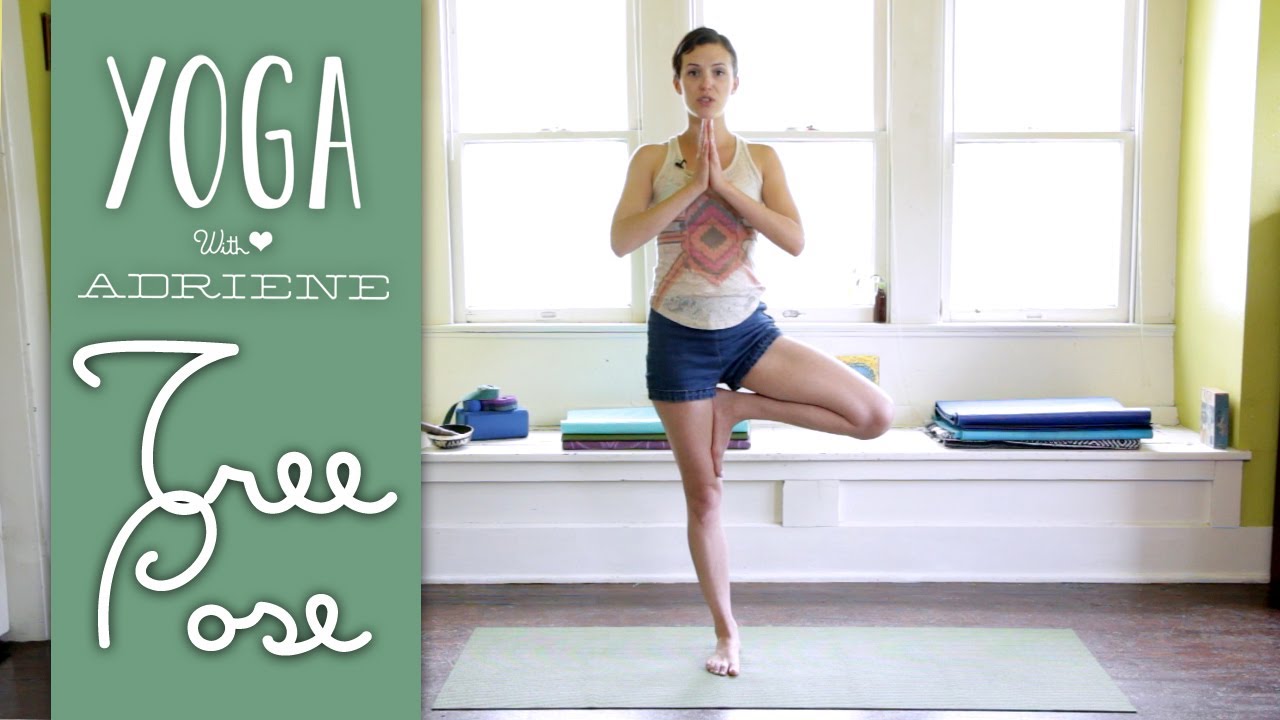
Hold: 5 breaths
York chose this pose to teach foundational stability and a grounded presence.
“Tree pose teaches you how to stand firmly on one leg while maintaining a sense of ease,” she says.
How to do it:
- Stand upright, with your feet together and weight evenly distributed.
- Shift your weight onto one foot, and place the sole of your other foot on your standing inner thigh, calf or ankle—not your knee joint.
- Focus your eyes on a steady point on the floor in front of you.
- Bring your palms together in front of your chest or raise them overhead.
- Press your standing foot into the floor for stability, engaging your core and focusing on your breath.
- Hold for five steady breaths.
- Release the posture with control, then repeat on the other side.
Expert tips:
- Externally rotate your lifted thigh from your hip.
- Keep a micro-bend in your standing knee if needed.
- Practice near a wall for support.
2. Warrior III
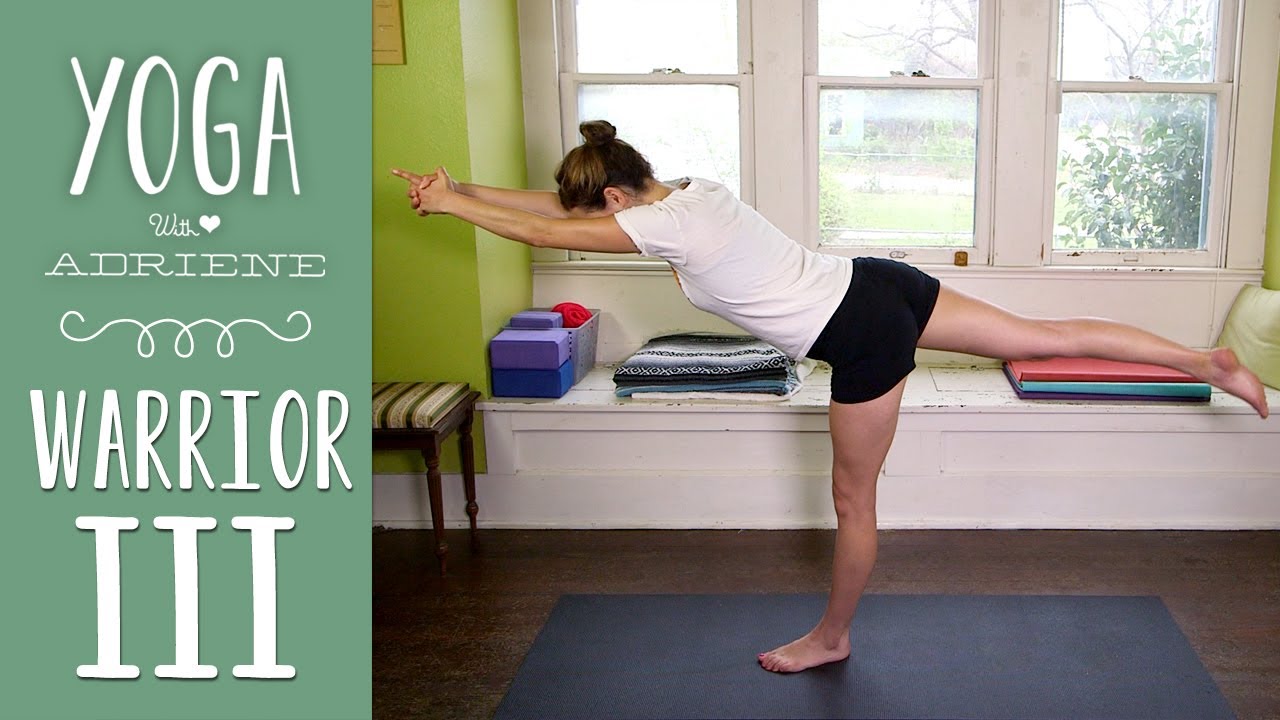
Hold: 5 breaths
This pose improves core strength, focus and full-body integration. “Building from the grounding of tree pose, warrior III challenges you to balance while the body extends in opposite directions,” says York.
How to do it:
- From standing, take one step back into a high lunge.
- Shift your weight into your front foot, looking down at the floor in front of you for balance.
- Hinge forward from the hips, leaning forward with your torso and raise your other leg behind you, keeping it straight.
- Raise your arms forward at the same time, creating a straight line from your hands to your heel, creating a T-shape with your body.
- Engage your core and breathe deeply for five breaths.
- Release with control and repeat with your other leg.
Expert tips:
- If you find it difficult to maintain your balance, keep your hands on your hips.
- Lift your back leg only a little until your strength and balance develop.
3. Half moon pose
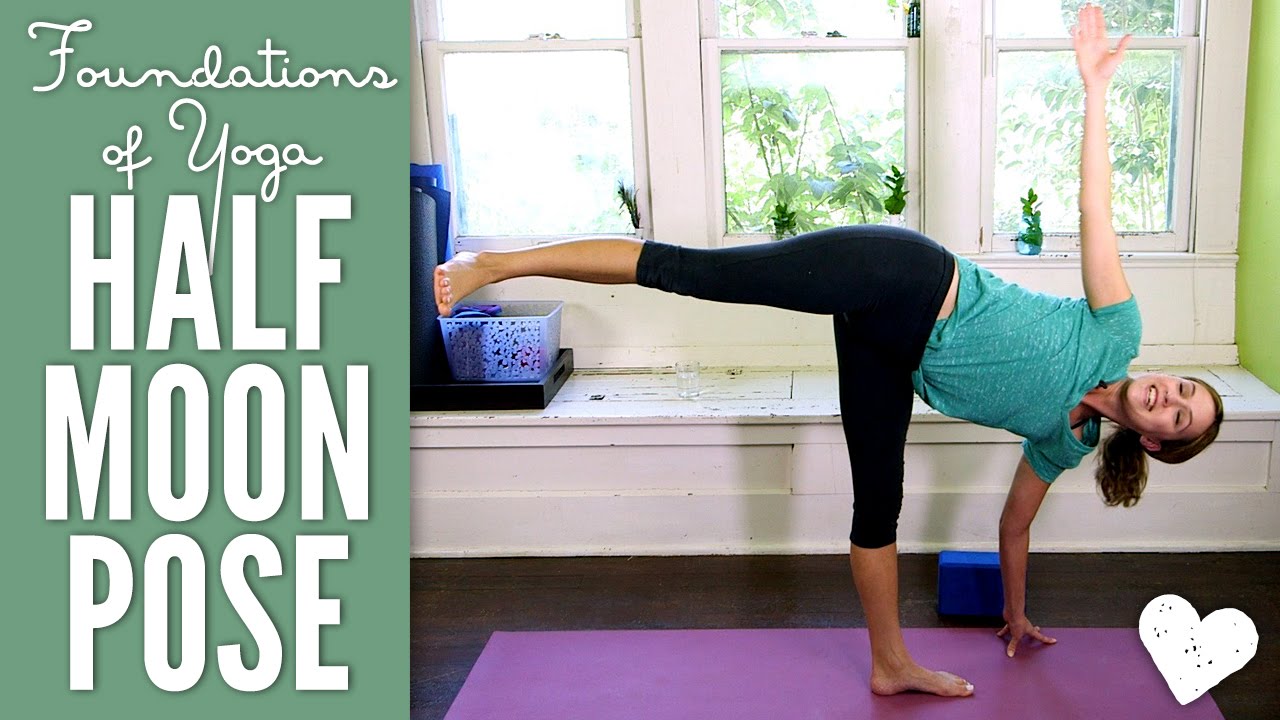
Hold: 5 breaths
This pose improves lower-body strength, torso openness and full-body awareness.
“Half moon expands on the alignment of warrior III by inviting rotation, spaciousness and confidence,” says York.
How to do it:
- From standing, step your right foot forward, turning your left foot 90° counterclockwise.
- Hinge at your hips, shifting your weight onto your right leg and lowering your torso.
- Place your right hand on the floor or on a block.
- Lift your back leg until it’s parallel to the floor.
- Rotate your torso to the right, extending your left arm upward.
- Look down for stability, sideways for a challenge or at your raised hand.
- Hold for five breaths.
- Release with control and repeat on the other side.
Expert tips:
- Use a block under your supporting hand.
- Slightly bend your standing leg.
- Flex your lifted foot to help stabilize your hips.
