If you’re new to running, an expert wants you to try these four exercises for better strength and mobility
Four Pilates-inspired exercises to add to your warm-up, cool-down and rest days


New runners tend to focus on one thing: running more. But according to Pilates teacher and physiotherapist Claire Mills, skipping strength and mobility work in favor of more miles is one of the biggest mistakes runners can make.
“Running is a repetitive, high-impact activity where approximately three times your body weight goes through your leg when you land,” Mills tells Fit&Well.
If your joints and muscles aren’t strong and mobile enough to tolerate the load, injuries can quickly start to happen.
“If one area of the body lacks strength or mobility, another part has to compensate, and that’s when injuries can occur,” Mills explains.
Shin splints, poor hip strength, runner’s knees and lower-back pain are just some of the most common issues Mills sees in her London-based clinic Core LDN.
“Running is only one part of your training. Strength work, mobility, core training and recovery should be built in from the beginning—not added when pain starts,” Mills says.
This is where her top four Pilates-inspired exercises come in. Unlike lifting weights, Pilates targets the deep stabilising muscles, as well as posture and movement control, which runners need to move efficiently and reduce unnecessary strain.
The moves also focus on building strength in the glutes, hamstrings and core, while mobilizing the lower back and improving pelvic floor stability.
See below for Mills’ four favorite Pilates exercises for runners.
Four Pilates exercises for runners
1. Glute bridge
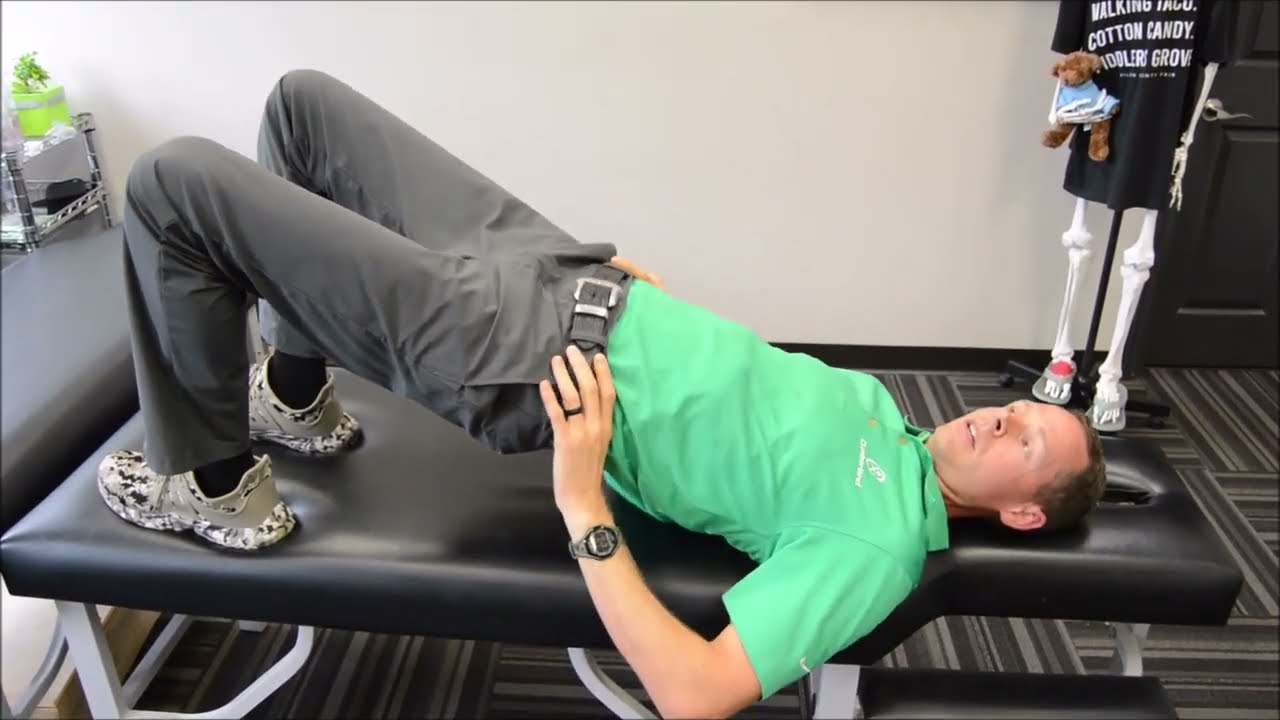
Sets: 2-3 Reps: 10-12
- Lie on your back with your knees bent and feet hip-width apart.
- Gently engage your core, then tilt your pelvis back and press through your heels to lift your pelvis and hips.
- Lift until your hips are in line with your shoulders and knees.
- Lower slowly with control.
Trainer tip: Add a hold at the top of the bridge, or lift one leg at the top to challenge single-sided control.
Frequency: Three or four times a week, done before or after running.
Benefits: Helps strengthen your glutes and hamstrings, and mobilises the spine, particularly your lower back.
2. Hip flexor lunge stretch
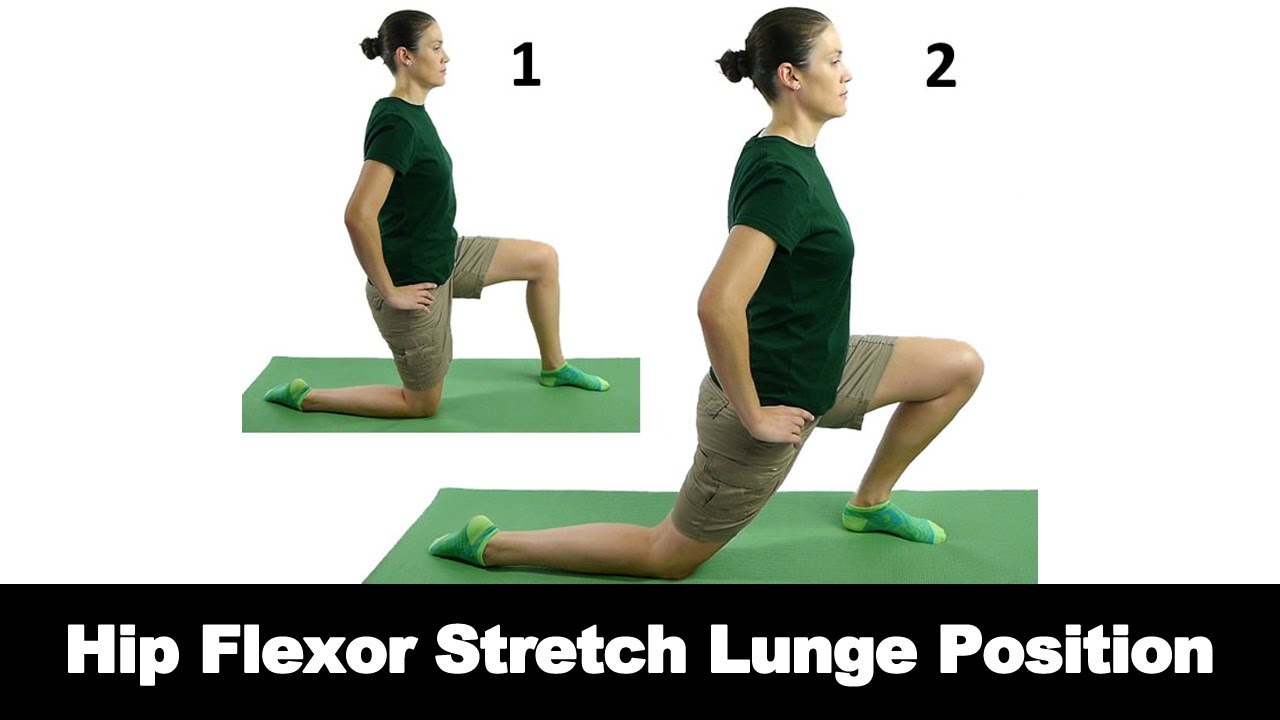
Sets: 2-3 Time: 30sec each side
- Kneel on your right knee with your left foot flat on the floor in front of you.
- Tuck your pelvis slightly under.
- Gently shift your weight forward until you feel a stretch at the front of your right hip.
- Hold for the allocated time, then switch sides.
Frequency: Best done after a run, and also on rest days.
Benefits: Helps improve stride length, reduce lower-back strain, and prevent hip and knee overload.
3. Dead bug

Sets: 2-3 Time: 30sec each side
- Lie on your back with your arms extended straight up and a 90° bend at your hips and knees.
- Engage your deep core gently without flattening the spine.
- Slowly lower and extend your right leg and lower your left arm behind your head as you exhale.
- Return to the start as you inhale.
- Repeat on the other side, moving in sync with your breath.
- Keep your pelvis still throughout and don't allow your back or rib cage to arch away from the mat.
Trainer tip: For an extra challenge, hold hand weights or wear ankle weights.
Frequency: Three times a week.
Benefits: Helps strengthen deep core stabilisers and improves core control.
4. Single leg T-tilt
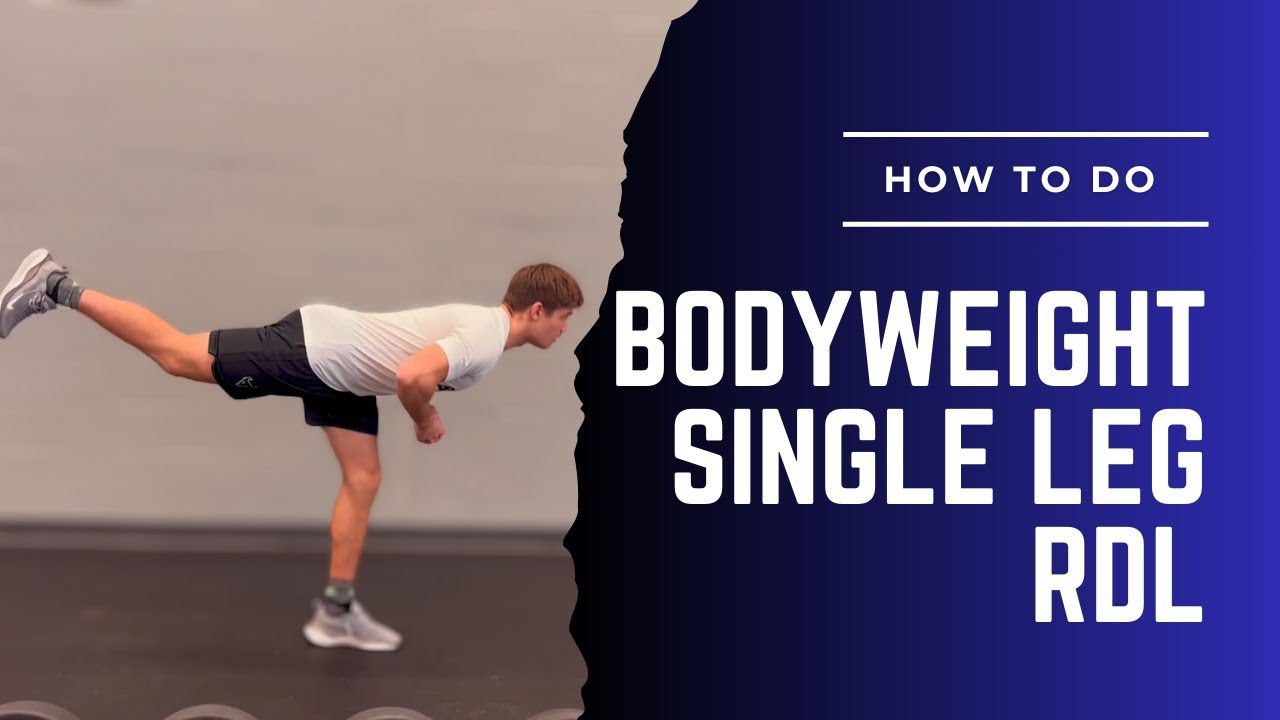
Sets: 3-4 Reps: 8-10 reps each side.
- Stand on your left leg with your left knee slightly bent.
- Gently engage your core.
- Keeping your pelvis level, slowly hinge forward from your hips while lifting your right leg behind you.
- Your body should form a straight line from head to heel, like a “T” shape.
- Return to standing with control, keeping your hips steady throughout.
Frequency: Two or three times a week. Acts as a good warm-up before running.
Benefits: Strengthens your glutes and hamstrings, improves pelvic stability, and trains balance and control in a single-leg stance similar to the running position.
