




A physical therapist says a weak upper body is a telltale sign that you will age poorly—here’s how he recommends you fix it
Do these exercises at least once a week to stave off frailty if you are over 60


At Fit&Well, we often talk about the importance of maintaining your core strength and balance as you age to minimize the risk of falls. But that shouldn’t mean you neglect other parts of your body. According to physical therapist Jamie Bovay, you should be paying particular attention to your upper body.
“Your upper body is your main interface with the physical world,” Bovay tells Fit&Well. “If you don't maintain it, you are going to lose it and slowly give up your independence.”
He explains that age-related muscle loss, known as sarcopenia, often disproportionately impacts the upper body.
If you’re a relatively mobile person, you’ll use your leg muscles to walk around, stand up, sit down and climb stairs. For that reason, those muscles will tend to remain functional for longer.
The upper body can atrophy more quickly without direct attention, especially if you begin to avoid using your upper body because you’re afraid of injuring yourself.
Well-meaning family members may take your grocery bags off you or support you with cleaning, but their kindness may be speeding up the muscle-weakening process and cumulatively contributing to sarcopenia.
Why is upper-body strength important?
Bovay says you need upper-body strength to support yourself in everyday life for two main reasons:
1. Fall defence: “The ability to perform a powerful stiff-arm to catch yourself against a wall or the floor can be the difference between a minor bruise and a catastrophic hip fracture,” he says.
Plus, if you fall, you will need to push yourself back up, once again relying on upper-body strength.
2. Respiratory function: “The muscles of your chest and back are essential secondary respiratory muscles,” says Bovay.
“Maintaining strength and mobility ensures your chest wall remains supple, supporting efficient, deep breathing.”
Signs of upper-body weakness
- Significant shaking when holding a glass of water.
- Needing to use two hands to lift a light object overhead.
- Increased difficulty opening jars or carrying grocery bags.
How to improve your upper-body strength
Bovay recommends setting aside some time for these exercises once or twice a week. Adjust the number of sets and reps you do to suit your ability, but make sure you are working hard. If it doesn’t challenge your muscles, it won’t do you any good.
Once you can perform three sets of 25 repetitions and still feel like you could achieve five more reps, progress to a harder exercise.
1. Wall push-up
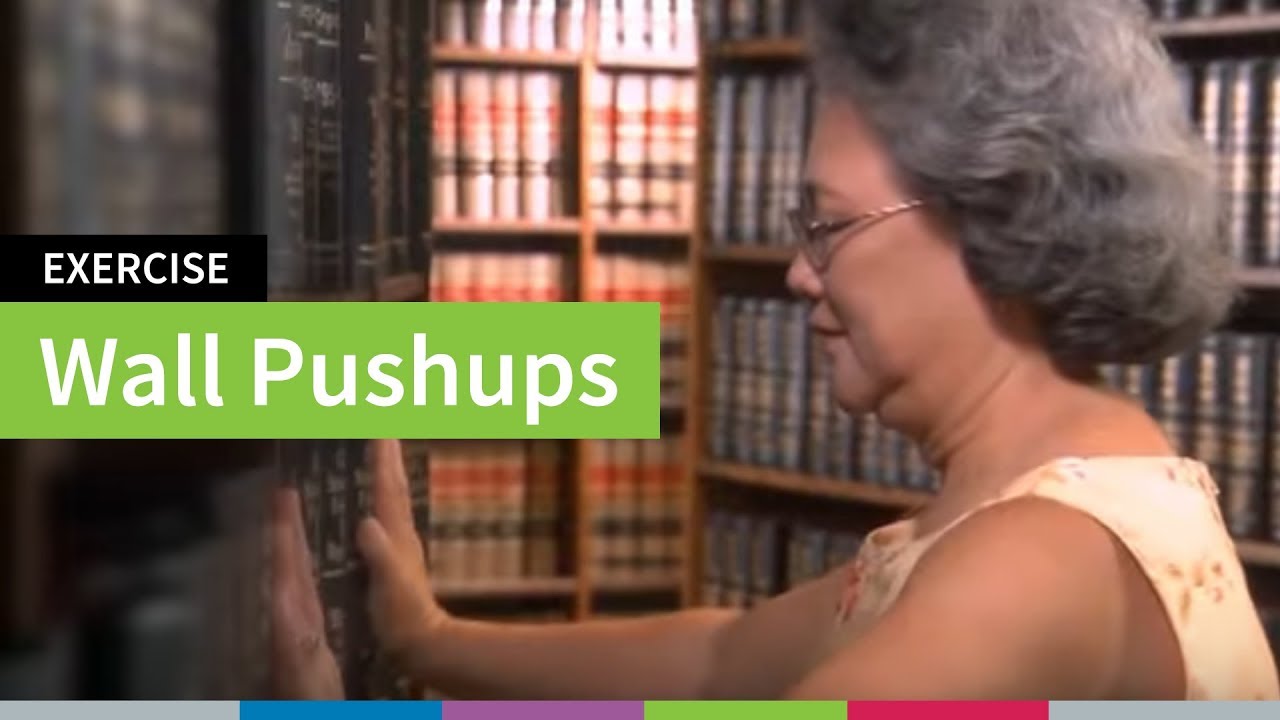
Sets: 3 Reps: 20-25
“This exercise reinforces the push pattern needed to get out of bed, get off the ground, or catch yourself during a slip,” says Bovay.
How to do it:
- Stand with your palms on a wall at shoulder height, a little wider than shoulder-width apart.
- Step back so your arms are extended and your body forms a straight line from your shoulders to your feet.
- Bend your elbows to bring your chest toward the wall.
- Push through your hands powerfully to extend your arms and return to the start.
Progression: To make it harder, step further away from the wall, then swap the wall for a sturdy kitchen counter or the back of a couch for an incline push-up.
2. Doorway row
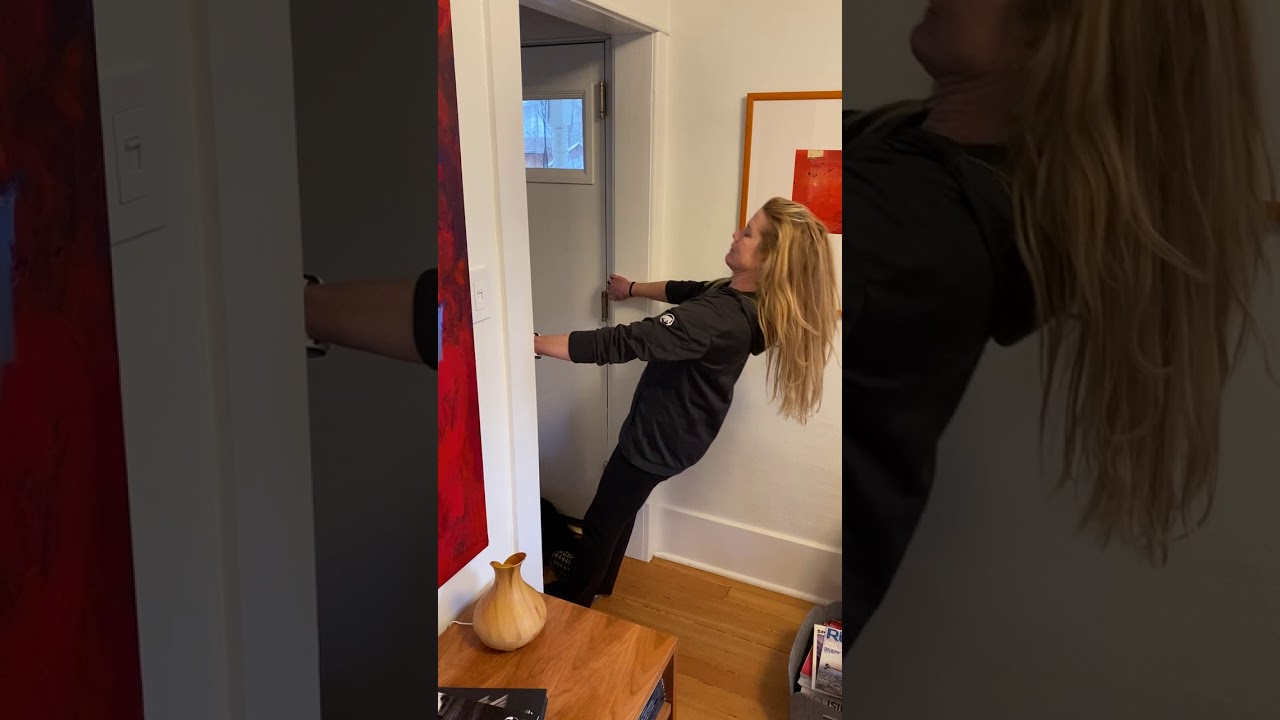
Sets: 3 Reps: 20-25
“This exercise directly counters the forward slump many older adults experience, and strengthens the posterior chain to support your spine,” says Bovay.
How to do it:
- Stand in a doorway and hold either side of the frame.
- Extend your arms to lean back slightly.
- Pull your chest toward the doorframe, bending your elbows and squeezing your shoulder blades together.
- Extend your arms with control.
Progression: Instead of holding a doorframe, invest in a suspension trainer and door attachment to perform the incline row.
3. Vertical reach
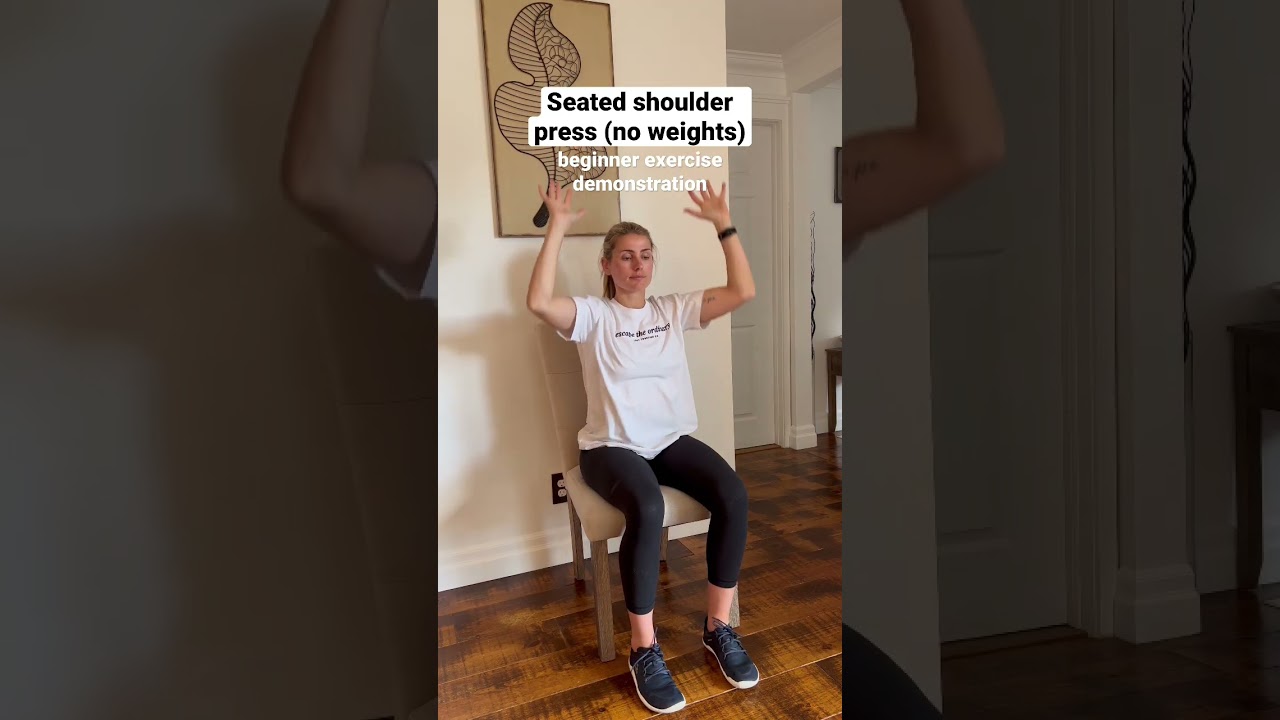
Sets: 3 Reps: 20-25
“Overhead mobility and strength are the first things to go,” says Bovay. “This exercise maintains the reach mechanics required for daily kitchen and closet tasks.”
How to do it:
- Sit or stand upright with your hands by your shoulders, palms facing away from you and your elbows below your hands.
- Raise your arms overhead, as though you’re pushing something heavy.
- Lower them to the starting position with control.
Progression: Hold a small water bottle or book in each hand and perform the same overhead press.
