





Are you feeling stiff after starting to exercise in January? A dietitian and personal trainer shares her top tips to reduce muscle soreness and recover faster
Heal those sore muscles quickly and more effectively


One of the hardest parts of starting to exercise is discovering that it can be uncomfortable. Not just the effort of lifting a heavy weight for the first time, but the stiffness you experience the next day.
But there’s a lot you can do to minimize that discomfort by helping your body prepare for, and bounce back from, exercise.
Personal trainer and registered dietitian Jenna Braddock has five simple suggestions that will help.
1. Start foam rolling
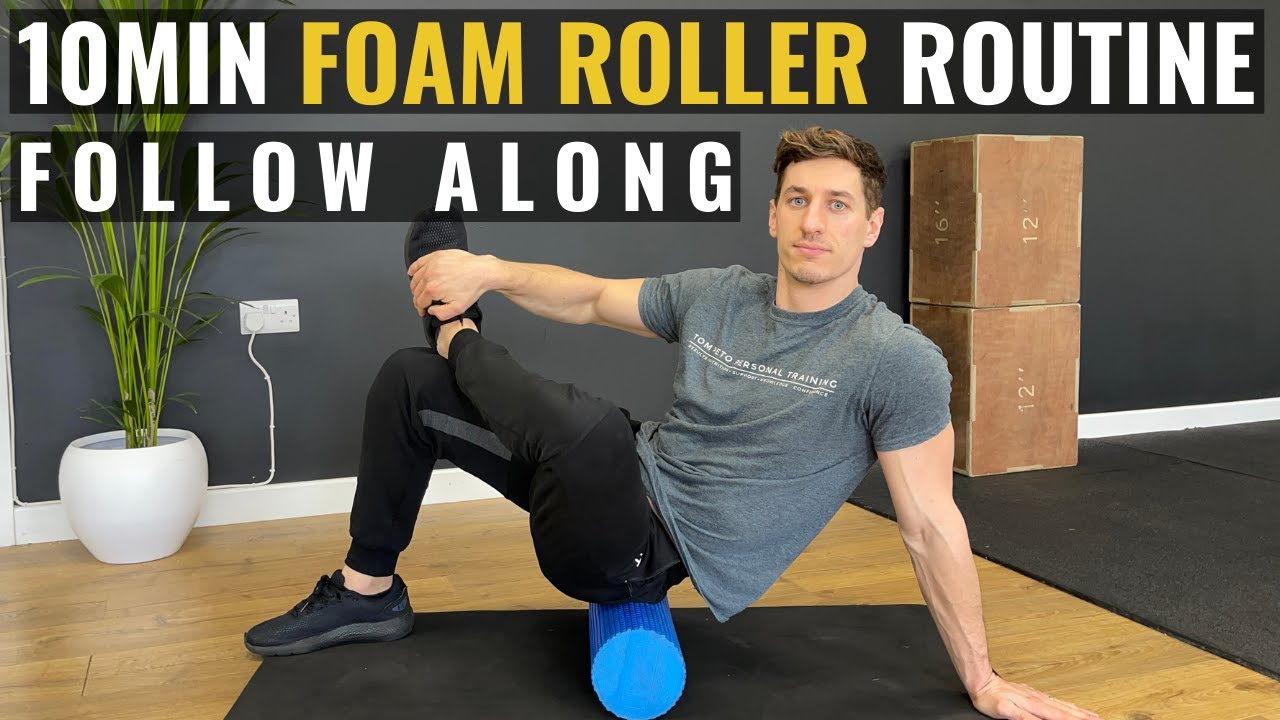
A foam roller is a cheap and useful tool. It allows you to self-massage, which in turn helps reduce muscle soreness, improve blood flow and aids recovery by releasing tension in the muscles while also breaking up adhesions.
“Foam rolling 24 to 72 hours after exercise has been found to reduce pain and improve range of motion,” says Braddock, who suggests foam rolling sore areas with gentle pressure for two minutes at a time.
Here’s a popular follow-along foam roller routine if you need more guidance.
2. Add in low-intensity activity
“Even though you may feel stiff, going for a low-intensity walk or jog 24 hours after resistance training can improve muscle soreness in deconditioned people,” says Braddock.
This is often described as active recovery, where gentle movement helps boost circulation—pumping blood to sore muscles—bringing oxygen and nutrients needed for repair and removing waste. It can also help lubricate joints and loosen tight fibres.
Braddock recommends trying just 10-20 minutes of low-intensity aerobic activity to loosen up and get your blood flowing.
3. Drink tart cherry
“Add a serving of tart cherry to your daily regimen to help support muscle recovery before it even starts,” suggests Braddock. “Drinking tart cherry juice daily in the five days leading up to strenuous training—and then for a couple of days after—helps muscle function return to baseline more quickly.”
Studies around tart cherry’s effectiveness in aiding recovery have been small-scale to date but have shown positive results, and there are plenty of other good reasons to consume it.
“Tart cherry juice is a source of antioxidants that may have an impact on post-workout inflammation,” says Braddock.
4. Eat more protein
Many of us know by now that we should be eating protein, in part, that’s because it provides the amino acids needed to repair the microscopic tears in muscle fibers caused by activity—helping with recovery.
“Increasing your protein intake throughout the day and surrounding workouts can help support more optimal muscle recovery,” says Braddock. “This may translate to less muscle soreness and will definitely help you be able to hit the gym again faster.”
5. Sleep more
Sleep is sacred—it’s the time for our bodies to do their maintenance, so if you’re not getting enough, you’re likely to find your recovery time is slower.
“Sleep plays a critical role in muscle recovery because while you are asleep, protein synthesis is occurring, anabolic hormones are secreted and inflammation is tended to,” says Braddock.
She says adults should try to get at least seven to nine hours of sleep—even more after a tough workout if necessary.

Jenna Braddock is an ACSM-certified personal trainer and registered dietitian. She specializes in science-backed, sustainable strategies to support energy, health, and performance.
