


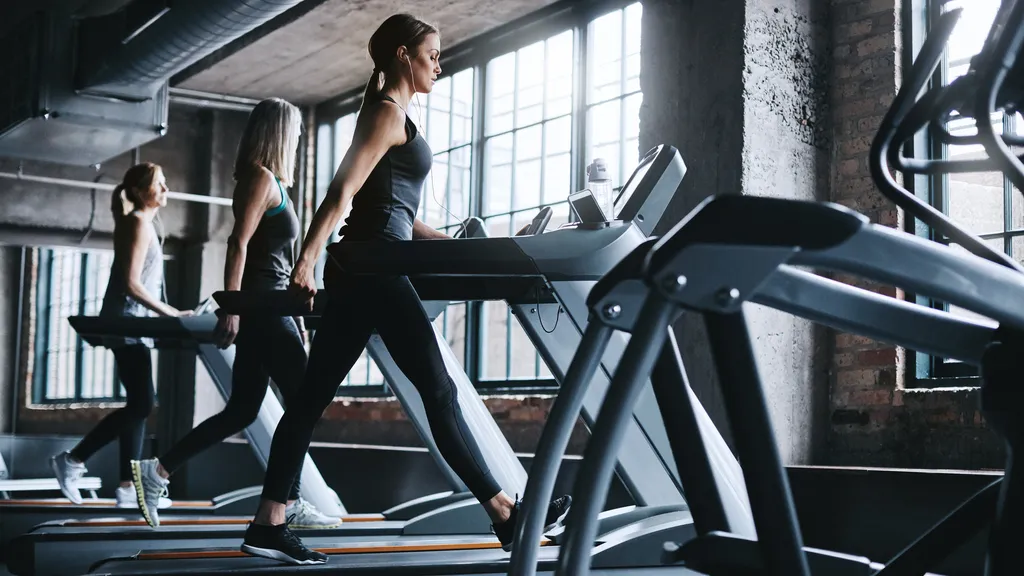


After a period of inactivity, getting your fitness back can feel like a tough slog.
Jason Smith, a personal trainer, nutritional advisor and founder of Fit in Midlife, knows this from personal experience. He got fit again at 50 after years of inactivity, then started training people of a similar age, helping them to do the same.
One type of client that Smith often works with is the ex-athlete—someone who was sporty in their teens or 20s, but became less active with age.
These people are often ready to jump back in at the deep end: running long distances or lifting heavy weights, but find their brain is writing checks their body can’t cash.
“Your brain still thinks that you can do the things that you used to do,” says Smith.
“Your body has had the longest rest period it’s ever going to have and during that period of time, your muscles have gone into atrophy, your cardiovascular system has diminished and you won’t be as capable as you were when you were in your 20s. This is just an unfortunate fact of life.”
“It can be really demotivating because you don’t feel capable,” adds Smith. “You don’t feel as though you’re actually able to do anything. But of course, the truth is very different.”
Start your week with achievable workout ideas, health tips and wellbeing advice in your inbox.
And in Smith’s experience, there are two things that will help you overcome the dejection that can come when expectations meet reality.
1. Find something you enjoy
Smith tells me that the first run he went on after deciding to move more turned into a walk. “Once I’d run about 300 meters, I realised it was much harder than I thought it would be,” he says.
Instead of stopping, Smith decided he was going to do the distance he planned, but by walking, breaking into a jog now and then.
“Despite not being able to do what I intended to do when I left the house, I enjoyed being out in the fresh air, moving my body and being active,” he says.
Now he runs because he loves experiencing beautiful places.
“You don’t have to set a personal best every time that you go for a run,” he says.
“It doesn’t hurt to enjoy the environment while you’re out there,” says Smith. “If you see something that you want to stop and look at, stop and look at it.
“You are still doing the run. You are still improving your cardiovascular fitness. You are still burning calories. You are still getting your heart rate up.”
2. Be consistent and add small challenges
Because he enjoyed his first outing, Smith tried again, and crucially, he tried to do a little more running than last time.
“The next time I went, I was able to run a little bit further and walk a little bit less,” he says. “And I went again. Over time, walks turned into proper runs.”
“By being consistent, you will build up the strength, endurance and stamina that make you more capable,” says Smith. “Start easy and gradually increase the challenge.
“Go to that next lamppost if you’re running, or an additional repetition on each of your sets if you’re weight training.”
“These things add up and make all the difference.”
Three weeks later, he ran up his nearest hill without stopping at all. “It was such a great feeling,” he says.
And that’s how Smith advises formerly athletic midlifers to return to exercise. Find a form of movement they enjoy and aim for achievable, consistent progress. These two simple things will set you up for success in the future.
“You will feel stronger. You will feel fitter. You will have probably lost a little bit of weight as well,” says Smith. “This will also mean you’ll feel a little lighter and more energized. Then you will feel good about the progress that you’ve made.”
After that, the sky’s the limit.

Lou Mudge is a Health Writer at Future Plc, working across Fit&Well and Coach. She previously worked for Live Science, and regularly writes for Space.com and Pet's Radar. Based in Bath, UK, she has a passion for food, nutrition and health and is eager to demystify diet culture in order to make health and fitness accessible to everybody.
Multiple diagnoses in her early twenties sparked an interest in the gut-brain axis and the impact that diet and exercise can have on both physical and mental health. She was put on the FODMAP elimination diet during this time and learned to adapt recipes to fit these parameters, while retaining core flavors and textures, and now enjoys cooking for gut health.
You must confirm your public display name before commenting
Please logout and then login again, you will then be prompted to enter your display name.