Walking injuries are common, but an exercise physiologist says you can avoid them by warming up with these two exercises
An exercise physiologist wishes everyone would do these exercises


Walking may be a low-impact exercise, but that doesn’t mean it’s entirely risk-free. Walking injuries are more common than you might think, but preparing your body to walk with targeted exercises can reduce the chances of that happening, according to Milica McDowell, a doctor of physical therapy and exercise physiologist.
She explains that the two main ways people get injured when walking are by walking too far or too fast before their bodies are ready, or by falling.
She encourages walkers to apply the principle of progressive overload to walking and to increase their step count safely once their cardiovascular system and musculoskeletal system are ready to take on new challenges.
To reduce your risk of falling, avoid walking in poorly-lit or obstacle-strewn areas, she suggests. You can also use walking poles if you are unsteady on your feet.
There are other ways you can support your body to avoid injury. One of the best ways is to warm up before you go.
“Walking is a total-body exercise, and you want to make sure your tissue temperature is up just a little before you embark,” says McDowell. “You can do this at home before you go by doing some squats or calf raises, or both.”
“It's key to get blood pumping through the lower body so you don't feel cramping or fatigue when you set out on your walk,” she says. “At a minimum, these two exercises are a great way to prime your body.”
Here’s how to do them.
1. Single-leg calf raise
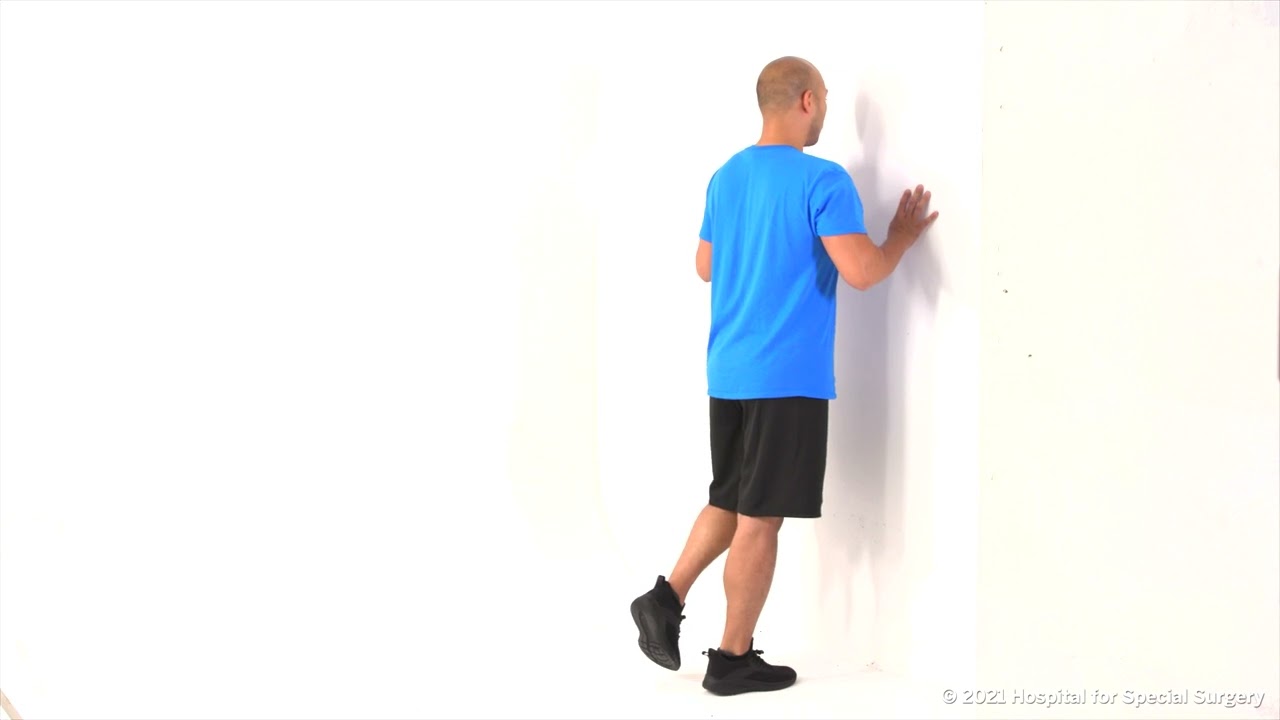
Sets: 1-2 Reps: 10-15 each side
“This is an important exercise that assists with propulsion while walking,” says McDowell.
“If you are someone with tight ankles or weak calves, it is hard to propel yourself forward, which makes walking more difficult and can be frustrating.”
“Almost half of the time, while you’re walking, you are actually standing on one leg.”
How to do it:
- Stand in front of a chair or counter with both feet facing forward, holding onto it for support if need be.
- Lift your left foot off the floor.
- Rise onto the toes of your right foot, lifting your right heel as high as possible.
- Slowly lower your right heel to the floor.
- Do all your reps on one side, then swap sides.
2. Squat
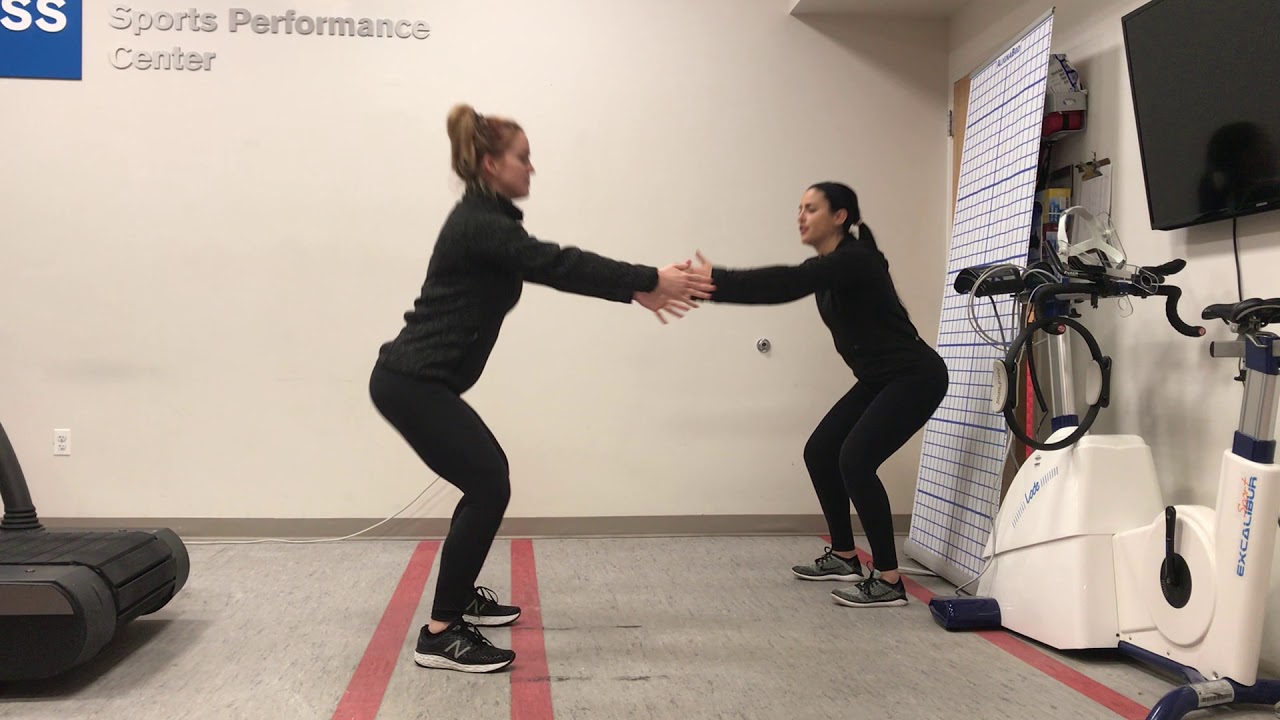
Sets: 1-2 Reps: 20-25
How to do it:
- Stand with your feet hip-width apart, toes slightly turned out and your weight over your heels.
- Raise your arms to shoulder height, extended in front of you, as a counterbalance.
- Push your hips back and bend your knees as if you’re sitting down.
- Stop when your hips get to knee height, then squeeze the muscles of your butt and push through your feet to return to standing.
Modifications: “If you're somebody with balance issues or have had previous falls, you can do a squat by tapping your rear down to a chair as a guide,” suggests McDowell.
“To get the most benefit out of doing a squat, go down slowly, then up quickly, or down quickly and up slowly. These two variations in tempo can help you to build eccentric strength or power.”
Bonus exercise: Hip bridge
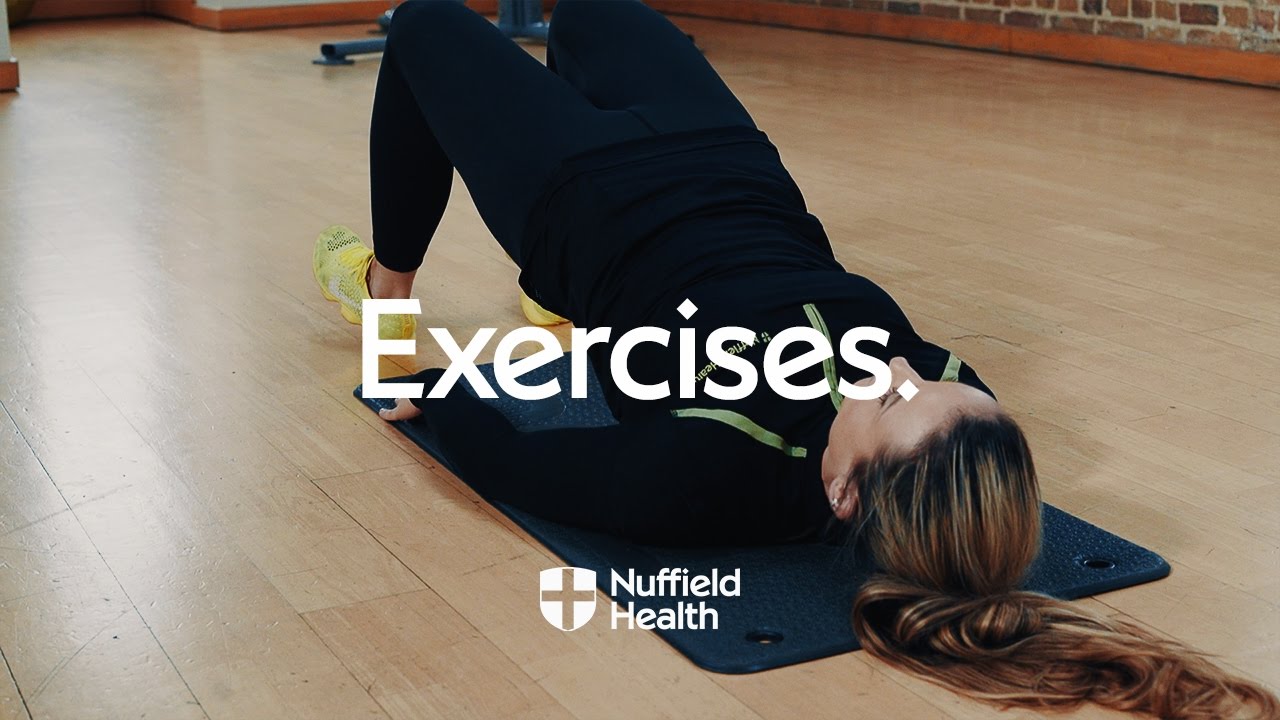
You don’t need to do this as part of your pre-walk warmup, but McDowell recommends the hip bridge for building relevant strength.
“Bridges are a great exercise to focus on the glute and hamstring muscles, which are part of your power system and propel you forward when you're walking.”
How to do it:
- Lie on your back with your knees bent and your feet flat on the floor.
- Lift your hips until your body is in a straight line from shoulders to knees.
- Lower your hips back to the floor.
Modifications: “Take a small pillow or a ball the size of a soccer ball and put it between your knees and squeeze the ball while doing the bridge. This activates your adductor muscle in your thigh and your pelvic floor.”
Shop walking shoes
If you need new walking shoes, here are three of my top picks from my guide to the best walking shoes.


Milica McDowell is a doctor of physical therapy, with more than 20 years of experience in sports orthopedics. She served for nine years as a member of the university faculty in health and human performance at Montana State University-Bozeman and is an expert in exercise, fitness, walking, shoes, healthy habit stacking, behavior change, sports medicine, orthopedics, injury prevention, posture and gait mechanics. McDowell is also a personal trainer, gym owner, 13-time Ironman finisher, 50km ultramarathon finisher and a CrossFit level 1 certified coach.
