Want to get more out of your walks? Try these five physical therapist-recommended exercises to strengthen and stabilize your lower body
Upgrade your next stroll into a strength workout


Walking is one of my favorite ways to exercise. It’s low-impact and gentle but still gets my heart pumping.
I never regret getting out in nature, but I sometimes wonder if I could use the time spent walking more efficiently. While walking builds some muscle, it isn’t the most effective way to do so.
I took my dilemma to Dr Ron Miller, the owner and founder of Pursuit Physical Therapy.
He recommended the following five strength exercises, which can easily be incorporated into your regular walk.
You can treat them as exercise snacks—stopping every five to 10 minutes to do one of them—or you can do them all when you’ve reached your destination.
However you choose to do this routine, let me know how you get on in the comments below.
1. Walking lunge
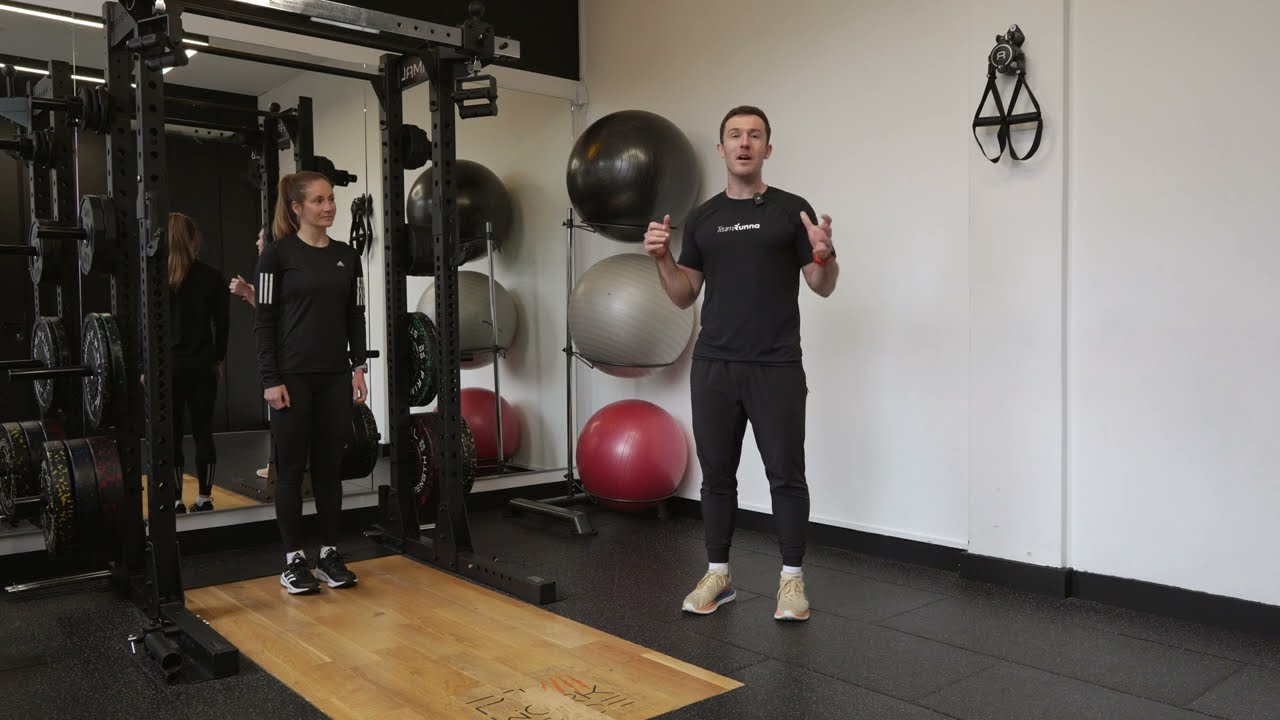
Sets: 3 Reps: 10 each side Rest: 60sec
Targets: Gluteus maximus, quadriceps, hip flexors, hamstrings and core.
How to do it:
- Stand with your feet hip-width apart.
- Step forward with your right foot, taking a longer stride than normal.
- Bend your knees to lower until your left knee is just above the floor. Your right knee should stay directly over your mid-foot, not moving forward past your toes.
- Push through your right heel to rise, then bring your left foot forward so it’s in line with your right, hip-width apart.
- Repeat on the other side.
- Continue, alternating sides with each rep.
Miller says: “Weak glutes are the leading cause of the low back and knee pain I treat. Walking lunges work with the glutes, quads and hip flexors in a gait-oriented way for instant pain-free movement.”
2. Single-leg hip thrust
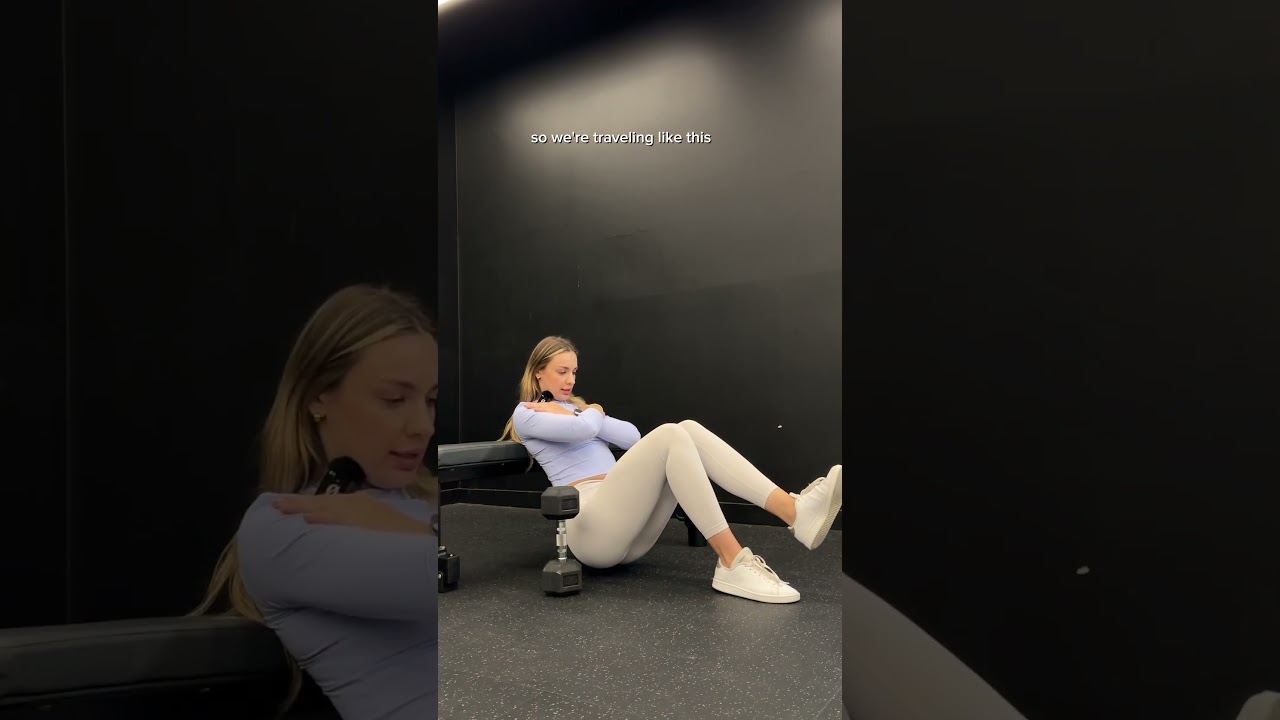
Sets: 3 Reps: 12 each side Rest: 45-60sec
Targets: Gluteus maximus, gluteus medius, hamstrings and lumbar stabilizers.
How to do it:
- Sit on the bench with your hands on the seat by your hips and your knees bent to 90°.
- Slide your back down the edge of the seat until your upper back, just below the shoulders, is resting against the edge of the seat. Your butt should be just off the floor, your knees still bent to 90° and your feet flat on the floor.
- Lift your right foot off the floor.
- Press through your left foot and lift your hips until your body forms a straight line from your shoulders to your left knee.
- Pause for two seconds, squeezing your glutes hard.
- Lower slowly.
- Do all your reps on your left leg, then switch legs.
Miller says: “Bilateral glute exercises do not target the glute medius, which is responsible for stabilizing against hip drop when you walk. This demand fits with single-leg loading, which may help runners and golfers who struggle to make gains with standard thrusts.”
3. Bodyweight pause squat
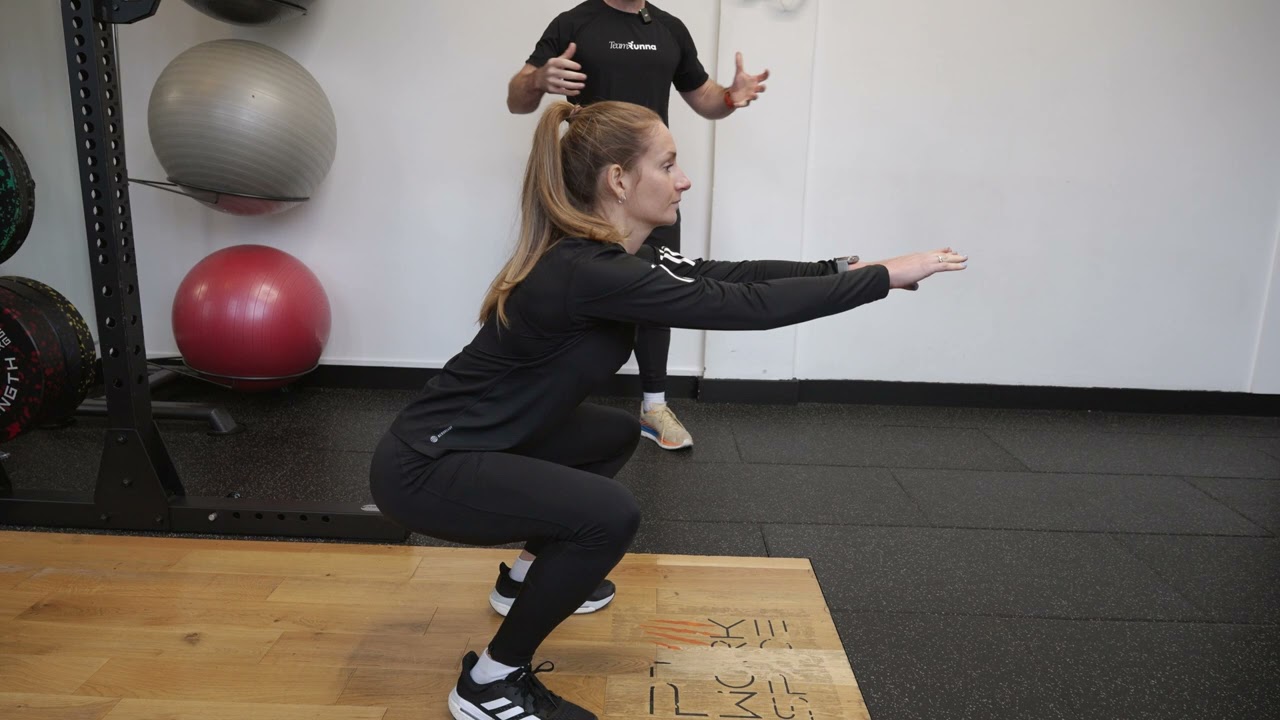
Sets: 3 Reps: 10 Rest: 60sec
Targets: Quadriceps, gluteus maximus, hamstrings, soleus and core.
How to do it:
- Stand with your feet shoulder-width apart and your toes pointed out slightly.
- Push your hips back and bend your knees to lower, keeping your chest facing forward.
- Lower until your thighs are parallel to the floor, or go as low as you can while maintaining a neutral spine
- Pause for three full seconds at the bottom of the movement. You should not be using momentum to bounce back up to standing.
- Push through your heels to stand, squeezing your glutes at the top of the movement.
Miller says: “Many people hurry through squats, leaving no time for the bottom range where quads and glutes face their biggest resistance. Pausing kills momentum and requires much more muscle control than going through a full range of motion quickly. The pause targets quad weakness, which is associated with most knee pain.”
4. Standing hip controlled articular rotation (CARs)
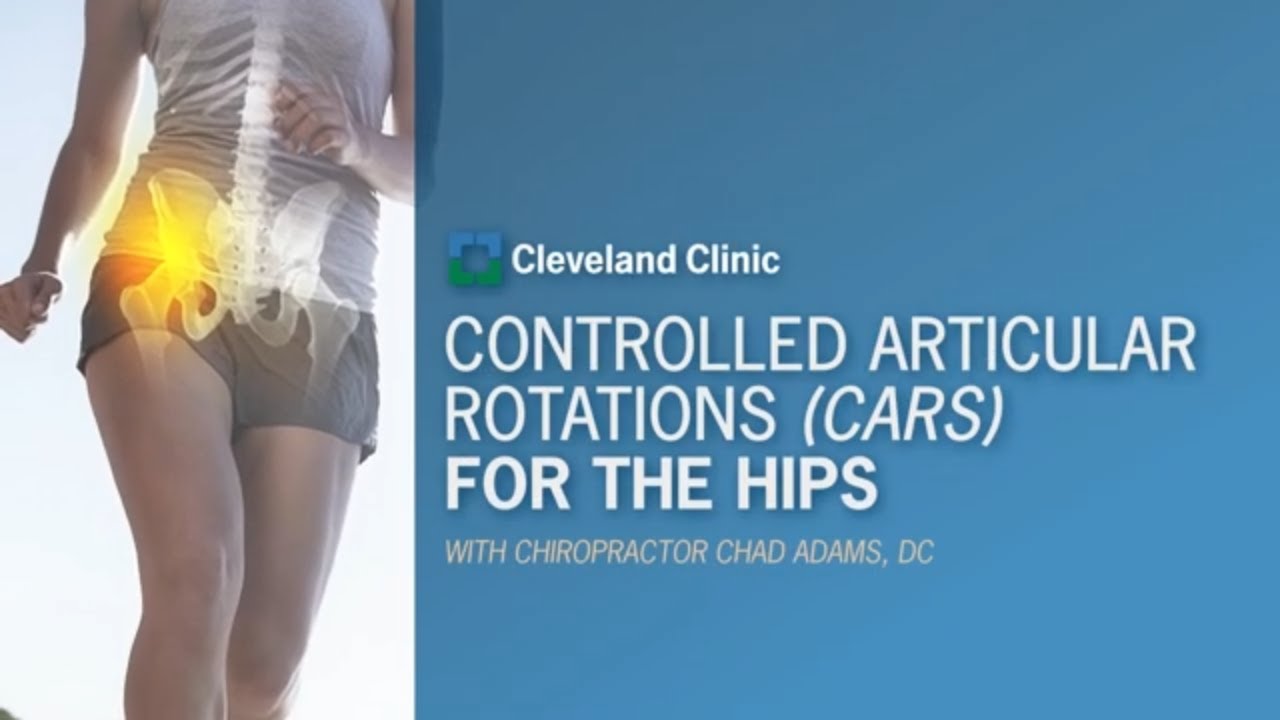
Sets: 2 Reps: 5 each direction, each side Rest: 30sec
Targets: Hip capsule, iliopsoas, gluteus maximus and medius, piriformis and deep external rotators.
How to do it:
- Stand next to a wall, fence or bench with your right hand on it for support.
- Shift your weight onto your right leg and bend your left knee, lifting your foot behind you.
- Lift your left knee to hip height in front of you.
- Slowly move your left knee to your left side.
- Arc your left knee down and behind you.
- Return your left knee to the start, so it is in line with your right knee.
- Repeat five times, then perform another times reversing the movements.
- Repeat on the other side.
Form tip: Move as slowly as possible; imagine you are drawing a large circle with your knee.
Miller says: “A lack of hip mobility results in overcompensation from the lumbar spine because of limited hip rotation, which manifests as low back pain. Passive stretching does not develop active control through the entire excursion. Three weeks of CARs improved patients with chronic hip impingement more than months of passive therapy.”
5. Lateral bodyweight crab walk
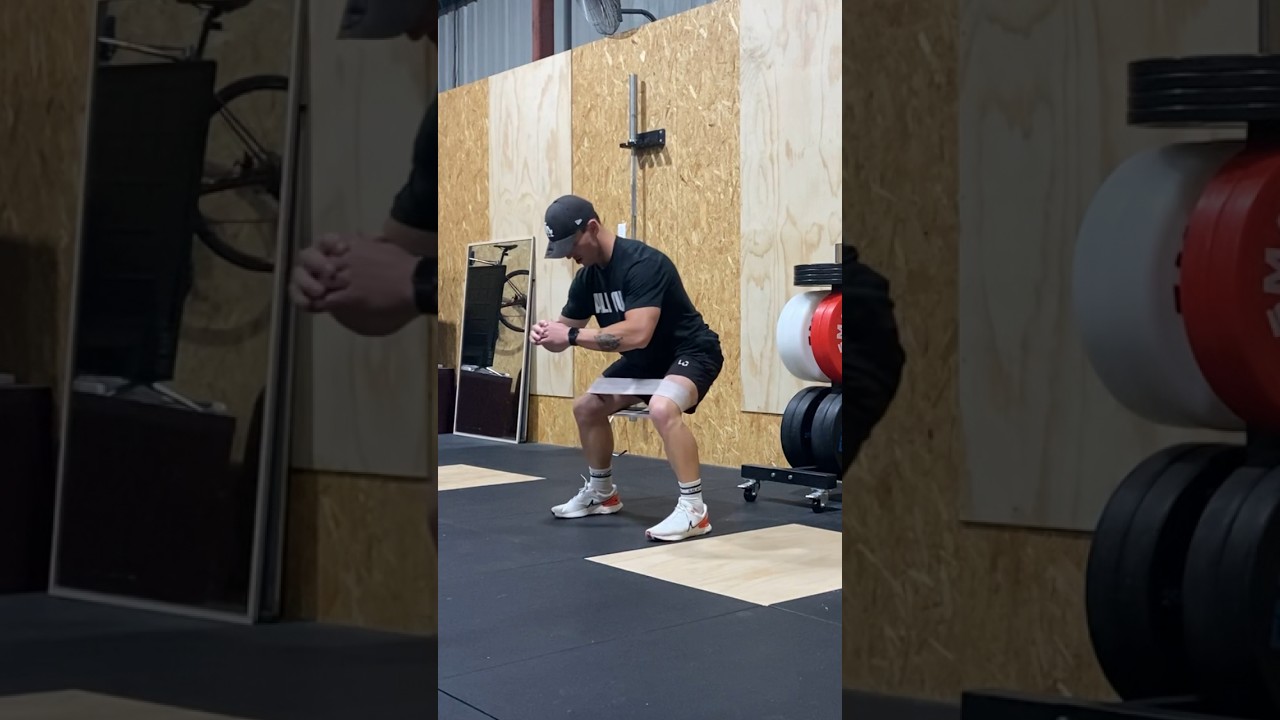
Sets: 3 Reps: 12 each side Rest: 45sec
Targets: Gluteus medius, tensor fascia lata (TFL), hip abductors, lateral quad and ankle stabilizers.
How to do it:
- Stand with your feet hip-width apart and a slight bend in your knees. Add a resistance band above your knees or around your ankles, if you have one with you.
- Push your hips back, with about 10-15° of knee bend, ensuring you are not going into a deep squat.
- Create tension by pressing your feet into the floor, as though you are trying to spread them apart. You should feel your outer hips engage.
- Maintain that tension as you sidestep right, following with your left foot.
- Keep four to six inches of space between your feet at all times, never letting them fully come together.
- Take 12 steps to the right, then 12 steps back to the starting point.
Miller says: “Most walking workouts go in a straight line, barely activating the glute medius, our primary lateral hip stabilizer. Weakness in the glute medius has been implicated in IT band syndrome, patellofemoral pain and lateral knee stress. If you do not have a band, just press your feet out against the ground to engage the glute medius.”

Ron Miller is the owner and founder of Pursuit Physical Therapy. He earned his Bachelor of Science in Sports Medicine from Indiana University of Pennsylvania and his Doctorate in Physical Therapy from the University of South Carolina in 2008, where he published research on the effects of manual therapy in treating low back pain using advanced MRI technology.
