





A physical therapist says these exercises can help protect your back for the long term
Stretch and strengthen the muscles that support your back


If you’re not one of the millions of people who suffer from non-specific low back pain, you probably know someone who does. So you’ll know it’s something best avoided.
There’s no one action you take to ward it off, but a combination of adjustments can help.
“While poor posture can contribute to back pain, small daily adjustments such as strengthening and stretching exercises, as well as changing your position frequently throughout the day, can lead to meaningful improvements,” says Nicole Shirley, a physical therapist at Cape Concierge Physical Therapy.
Shirley previously explained how our pelvic position when seated or standing can cause back pain, but here she recommends adding these six exercises to your routine to strengthen the muscles that support your spine, and stretch muscles tightened by too much sitting.
1. Bridge
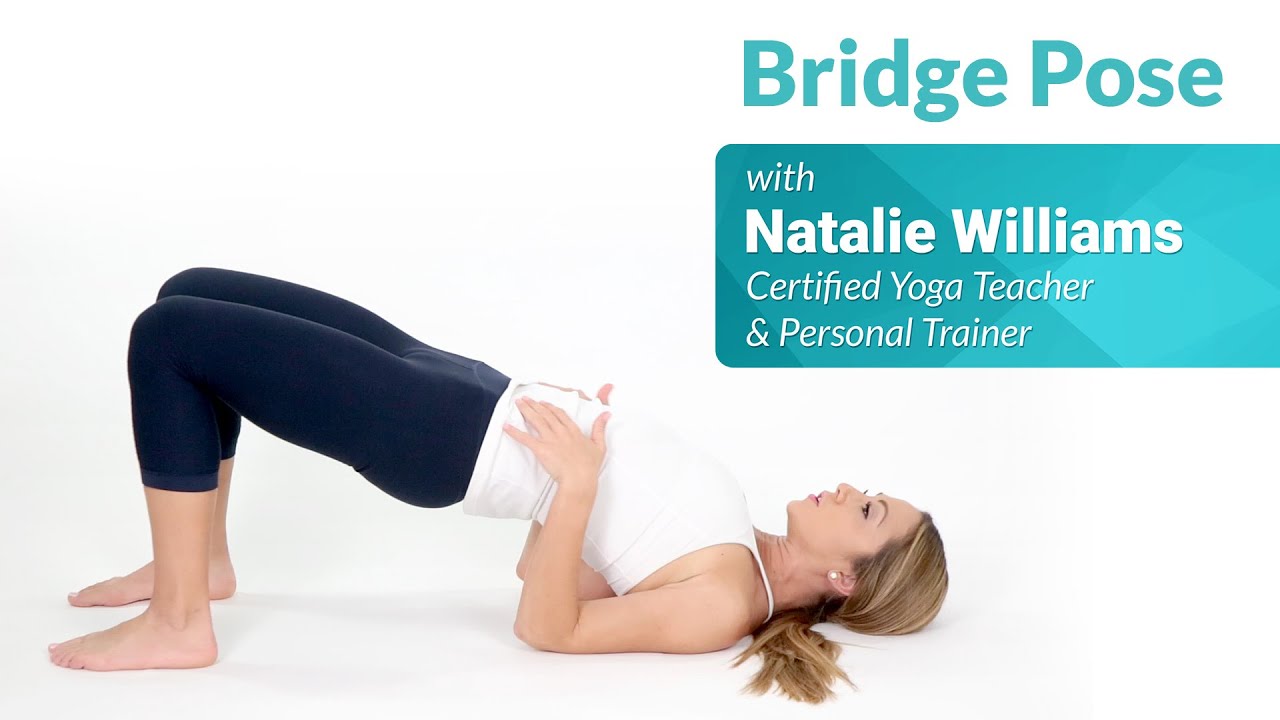
Sets: 1-3 Reps: 8-10
How to do it:
- Lie on your back with your knees bent and your feet flat on the floor.
- Engage your core and squeeze your glutes, then press through your feet to lift your hips until your body forms a straight line from your shoulders to your knees.
- Slowly lower your hips back to the floor.
Trainer tip: Progress this by looping a mini resistance band just above your knees. Gently push your knees out against the band’s tension as you lift your hips.
Why Shirley recommends it: “This exercise strengthens the muscles of your posterior chain—glutes, hamstrings, back extensors and core—while stretching the muscles in the front of your legs—hip flexors and quads,” says Shirley. Strong hips help to maintain neutral pelvic alignment.
2. Dead bug

Sets: 1-3 Reps: 5-8 each side
How to do it:
- Lie on your back and lift your legs so your knees are directly above your hips and bent to 90°.
- Extend your arms straight up.
- Engage your core.
- Lower one arm behind your head and lower and extend your opposite leg.
- Reverse the movements, then repeat on the other side.
Trainer tip: If your lower back arches as you move, keep a bend in your knees as you lower your foot to the floor.
Why Shirley recommends it: “This exercise focuses on core strengthening. Your core muscles wrap around and protect your spine, bracing when you move to reduce strain on your spinal discs and ligaments.”
3. Resistance band row
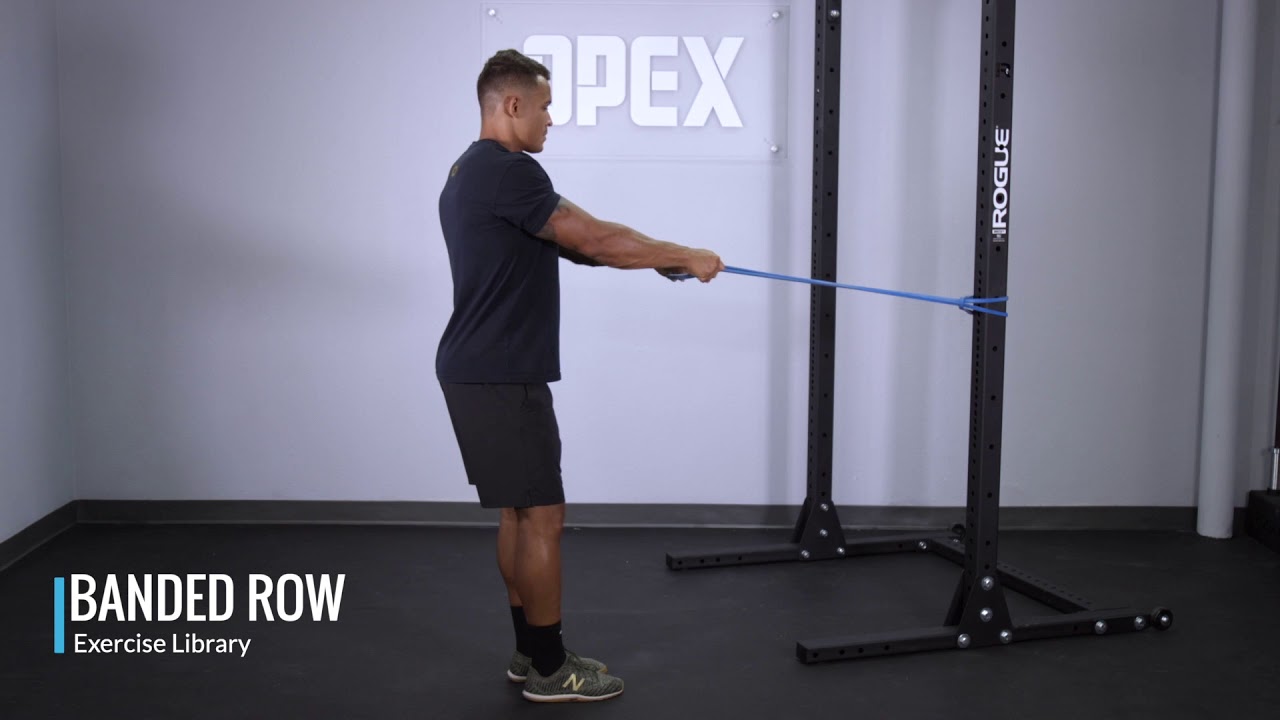
Sets: 1-3 Reps: 8-10
How to do it:
- Secure a long looped resistance band around an anchor point—like a doorknob or banister—in front of you at shoulder height.
- Hold the band in both hands and step back so there is tension in the band.
- Pull the band towards you, bringing your elbows behind you and keeping your forearms in line with the band.
- Squeeze your shoulder blades together and avoid arching your back.
- Slowly return to the starting position.
Why Shirley recommends it: “This exercise strengthens the muscles in your upper back to help pull your shoulders back and maintain an upright posture.”
4. Hip flexor stretch
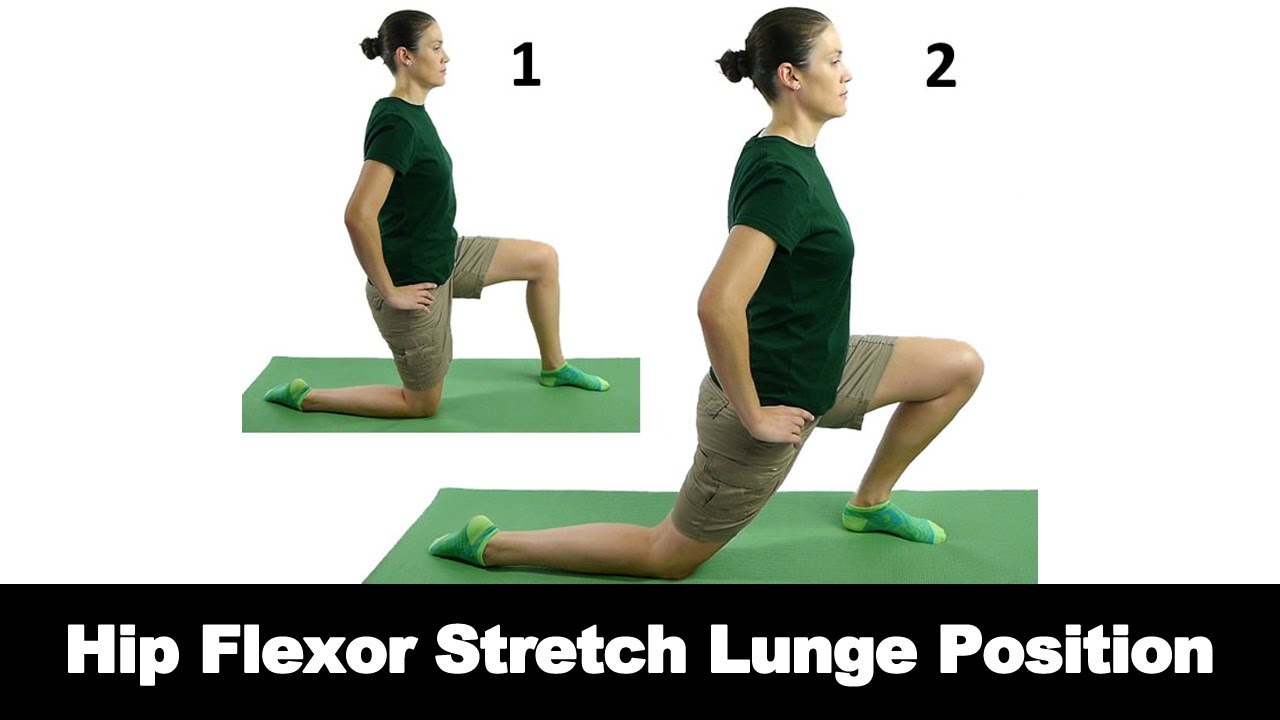
Sets: 1-3 Hold: 30sec each side
How to do it:
- Get into a half-kneeling position, with your right knee on the floor directly underneath your right hip, and your left foot on the floor in front of you with your left knee bent to 90°.
- Tuck your pelvis under and shift your weight forward over your front knee, stretching your right hip.
- Hold for up to 30 seconds, then switch sides.
Why Shirley recommends it: “This stretch will help lengthen the muscles in the front of your hips, which often become tight after prolonged sitting and in an anterior pelvic tilt position.”
5. Posterior pelvic tilt
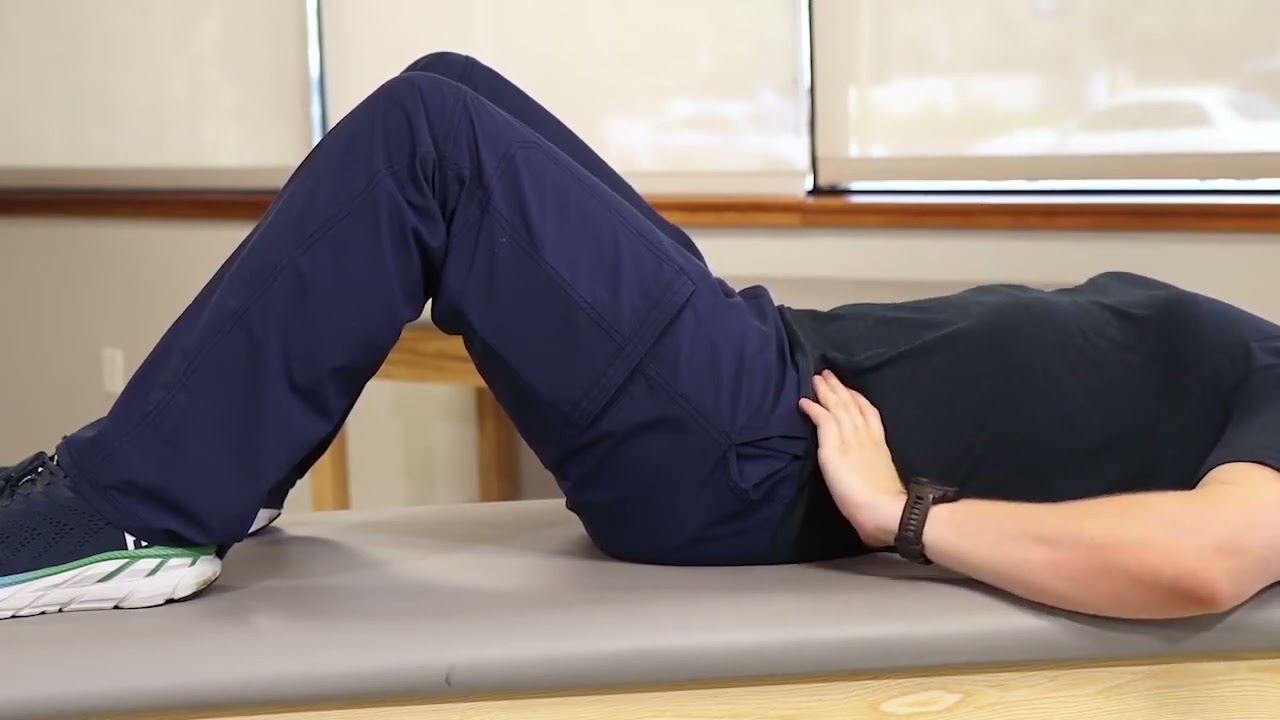
Sets: 1-3 Reps: 8-10 Hold: 2-3sec
How to do it:
- Lie on your back with your knees bent and your feet flat on the floor.
- Tilt your pelvis backward so you are pressing your lower back into the floor.
- Hold for 2-3 seconds, then relax and repeat.
Why Shirley recommends it: “This exercise supports learning body awareness, helps to maintain pelvic mobility and engages the deep core.”
6. Superman

Sets: 1-3 Reps: 8-10 Hold: 2-3sec
How to do it:
- Lie on your front with your arms extended in front of you.
- Engage your core and squeeze your glutes, then raise your arms and legs.
- Hold for 2-3 seconds, then lower to the floor with control.
Why Shirley recommends it: “This exercise helps strengthen your back muscles to help maintain an upright posture.”
