





Planning to do lots of hiking this summer, but worried that your body might not be able to keep up? Building strength in your lower body is essential if you’re someone who enjoys a lot of hill or trail walking but are prone to something known as hiker’s knee.
“It’s a term commonly used for knee pain caused by repetitive stress during steep descents, excessive hiking, or weak supporting muscles,” explains walking coach Ludgina Dieujuste.
“The pain is often localised at the front of the knee or around the kneecap, and can cause aching, swelling, or a grinding sensation.”
Hiker’s knee might surface after a long walk, or even while you’re still on the hike and walking downhill—this is because the “motion puts extra strain on the joints and muscles,” says Diejuste, who explains that one of the best ways to prevent this type of pain is by strengthening the muscles around your knee.
“When these muscles are stronger, they help the kneecap track properly, absorb impact when walking downhill, and reduce stress on the joint.”
Below, Diejuste has shared three exercises that will help you minimize your risk of hiker’s knee and help you feel strong when you’re out walking this summer.
Three knee-strengthening exercises for walkers
1. Step-up

Sets: 3 Reps: 10-12 each side
How to do it:
- Stand in front of a sturdy step or bench.
- Lift your right foot and place it on the platform.
- Extend your right leg and bring your left foot onto the platform.
- Step back down one foot at a time, leading with the right foot.
- Do all your reps on one side, then swap sides.
2. Glute bridge

Sets: 3 Reps: 12-15
How to do it:
- Lie on your back with your knees bent and your feet flat on the floor, hip-width apart.
- Engage your core and push through your heels to lift your hips until your body forms a straight line from your shoulders to your knees.
- Keep your knees hip-width apart and don’t arch your back.
- Hold for five seconds at the top, then lower slowly to the start.
3. Wall sit
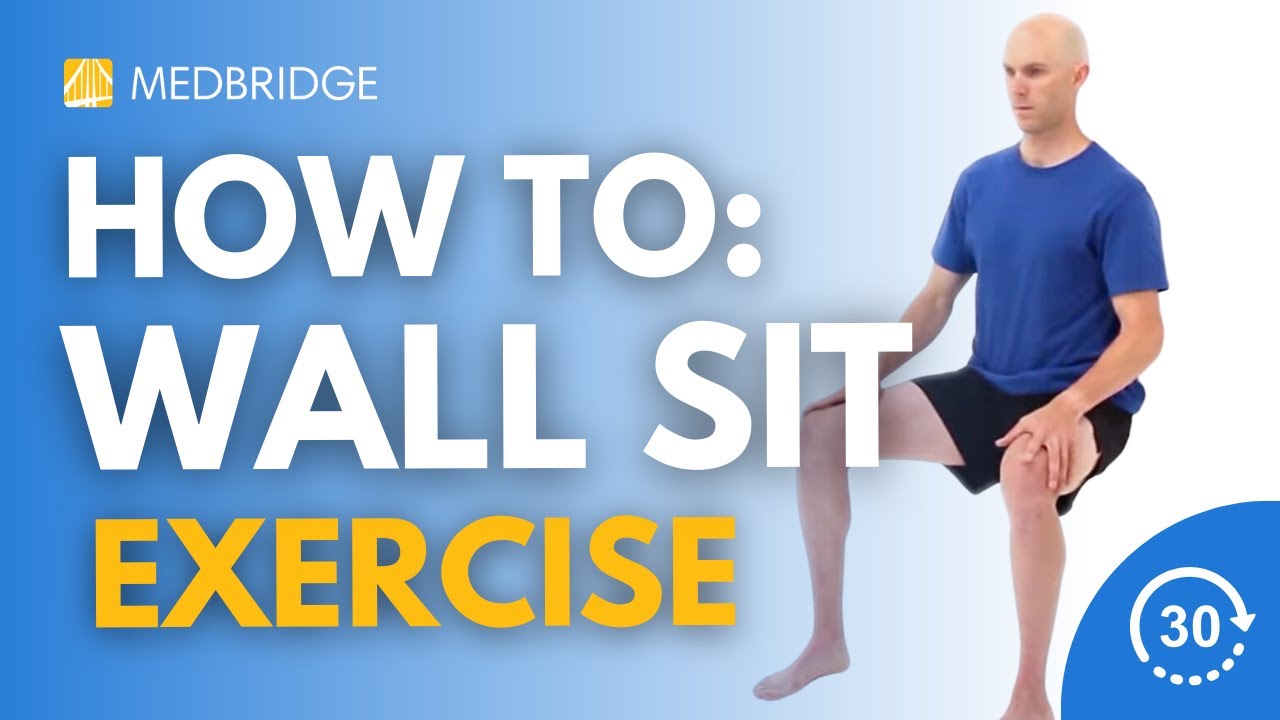
Sets: 3 Time: 20-40sec
How to do it:
- Stand with your back resting against a wall and your feet shoulder-width apart.
- Walk your feet away from the wall and slide your back down the wall until your knees are bent to 90° and directly above your ankles, as if sitting in a chair.
- Hold this position.
How often do you need to strength train to prevent hiker’s knee?
This workout should take between 10 and 15 minutes depending on how long your rest periods are and the number of reps you do. Dieujuste recommends doing it two or three times per week, with at least one day of rest between sessions.
“As always, consistency is more important than intensity at the start,” says Dieujuste. “Begin at a comfortable level and gradually increase sets, reps or duration as your strength and confidence grow.
“Over a few weeks, these exercises will help you feel stable, which hopefully makes those longer or steeper hikes feel much safer and more comfortable."