


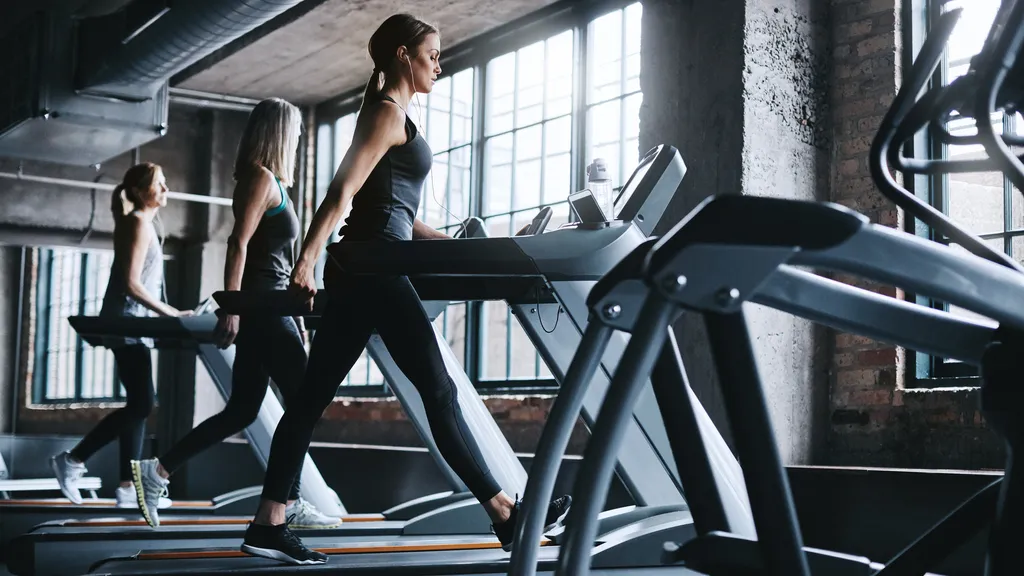


Keeping this muscle group strong could be the key to a longer life, according to this physical therapist
Boost longevity by building quad strength


It’s widely accepted that for most people, living a long, healthy life depends on getting enough sleep, eating well and staying physically active. However, there’s one muscle group that it may be worth paying extra attention to to maximize your longevity.
“Having stronger and larger quads are associated with better outcomes across multiple populations,” says Corey Podbielski, a board-certified doctor of physical therapy at Gaylord Specialty Healthcare.
Podbielski says quad strength is important because it is closely related to many functional movements. “Getting up from the floor, getting out of a chair, climbing up/down stairs, and squatting to lift objects all require strong quads,” he says.
“When we build strength in these big muscles in the front of the thighs, it keeps us more independent with our mobility, leading to decreased falls, improved quality of life, and higher capacity for exercise and activity.
“If someone were to end up on the floor, having sufficient strength and flexibility might better allow for that person to be able to stand back up on their own,” says Podbielski. “This would be particularly useful if they fell in a situation where they were alone.”
To counteract this decline, he says building and maintaining strength and flexibility is key. This can be crucial after a fall, helping people to regain their footing and maintain independence.
How to build quad strength
The key strategy he recommends is progressive resistance training, which helps maintain a healthy muscular system that communicates with the brain and nervous system, and supports bone density.
Start your week with achievable workout ideas, health tips and wellbeing advice in your inbox.
“It also ensures that our muscles are able to accept the challenges we put on them with our daily activities, such as walking, lifting, climbing stairs, getting on and off the floor.”
To build quad strength, he says functional movements such as squats and deadlifts are good. Ideally, resistance training should be done two to three times a week. Follow our beginner strength training plan at home and you’ll perform both of those exercises in the three-workout-a-week routine.
This can be combined with exercise guidelines of at least 150 minutes of moderate intensity aerobic activity per week—such as brisk walking, cycling or dancing—or 75 minutes of vigorous intensity aerobic exercise like running, swimming or fast cycling.
He also recommends improving flexibility through activities like yoga, practiced two to three times per week.

Maddy Biddulph is a journalist specializing in fitness, health and wellbeing content, with 26 years in consumer media working as a writer and editor for some of the bestselling newspapers, magazines and websites in the US and UK, including Marie Claire, The Sunday Times and Women’s Health UK.
She is a CIMPSA-certified PT and works one-on-one with clients, as well as running Circuits Club classes which mixes cardio and strength training, chair-based exercise classes for seniors and MenoFitness classes for perimenopausal women to help build strength and support bone density.
You must confirm your public display name before commenting
Please logout and then login again, you will then be prompted to enter your display name.