


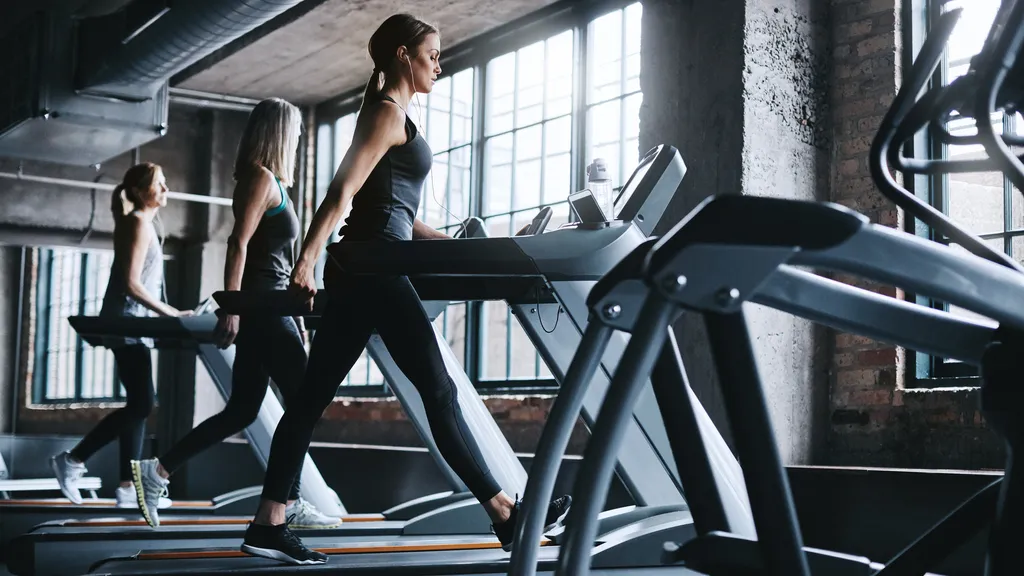


If one of your fitness goals is to move with more confidence and control, then you should try a type of exercise called barre.
Barre is a low-impact workout that is designed to develop muscular endurance, and improve mobility and balance.
“There are so many positives to barre: mobility, proprioception and balance,” says barre instructor Tara Riley. “There’s not really any other exercise that asks that much of you in all of these aspects.”
And there’s one beginner-friendly barre exercise that Riley says encapsulates these benefits—the second position plié.
“This is my number one barre move for someone who’s never tried [barre] before because mastering that hip mobility is so important,” Riley says. “Unless you’ve done ballet or gymnastics or something like that as a child, a lot of people have never really moved their hips in this way.”
The uniqueness of the movement will help you develop hip mobility and build strength in the legs and core.
Here’s how to do it.
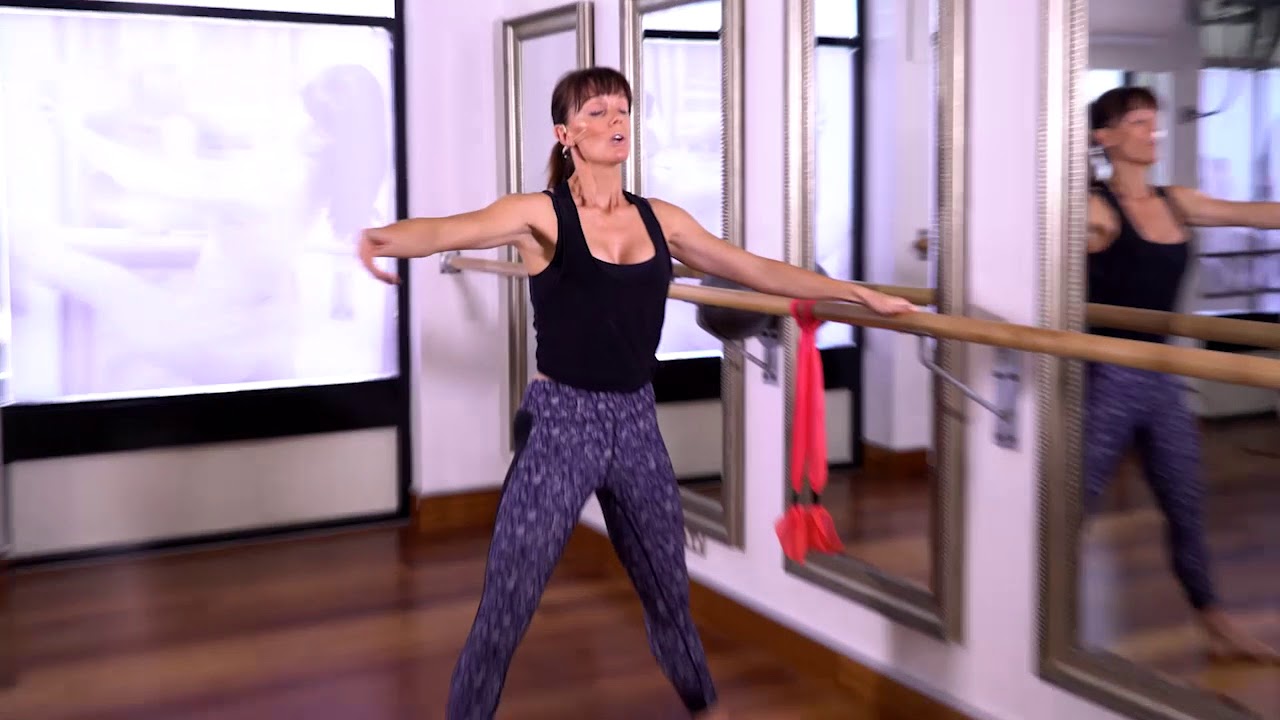
How to do the second position plié
Reps: 16
How to do it:
- Stand with your feet wider than shoulder-width apart.
- Turn your toes and your knees to point out to the sides—your toes and knees should be aligned and stay that way throughout.
- Bend your knees to lower your torso, moving your knees forward so they are over your toes, keeping your torso completely straight.
- Push through the feet to straighten your knees and rise back to the starting position.
Tips: “Go as low as feels right for you,” Riley says. “You should feel challenged but you should also be able to get back up with good form.”
Don’t mistake the movement for a squat. “The main difference between this and a squat is that a squat has a hinge pattern, so you tip your chest forward slightly and send your hips back, which loads the posterior chain and works the glutes a bit differently,” she says. “A second position plie opens the hips out to the side, which means you’re rotating through the hip socket.”
How to progress the second position plié
Below, Riley offers two ways to make the second position plié more challenging.
Add a pulse
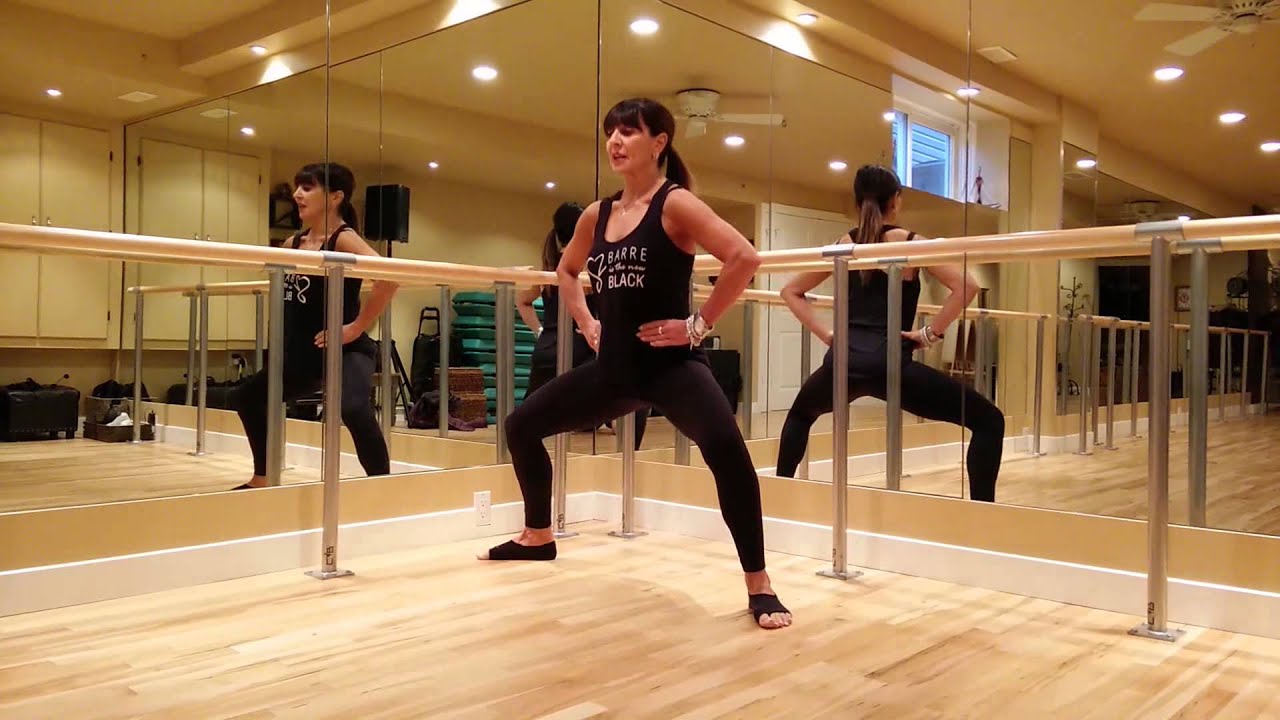
At the bottom of the second position plié position movement, raise up an inch, then lower down by an inch to complete one pulse. Perform 16 pulses then rise out of the plié.
“This starts to work into the supporting muscles, the smaller muscles around your ankles and your knees,” Riley says. “That’s when you get that typical barre shake.”
Add a heel lift
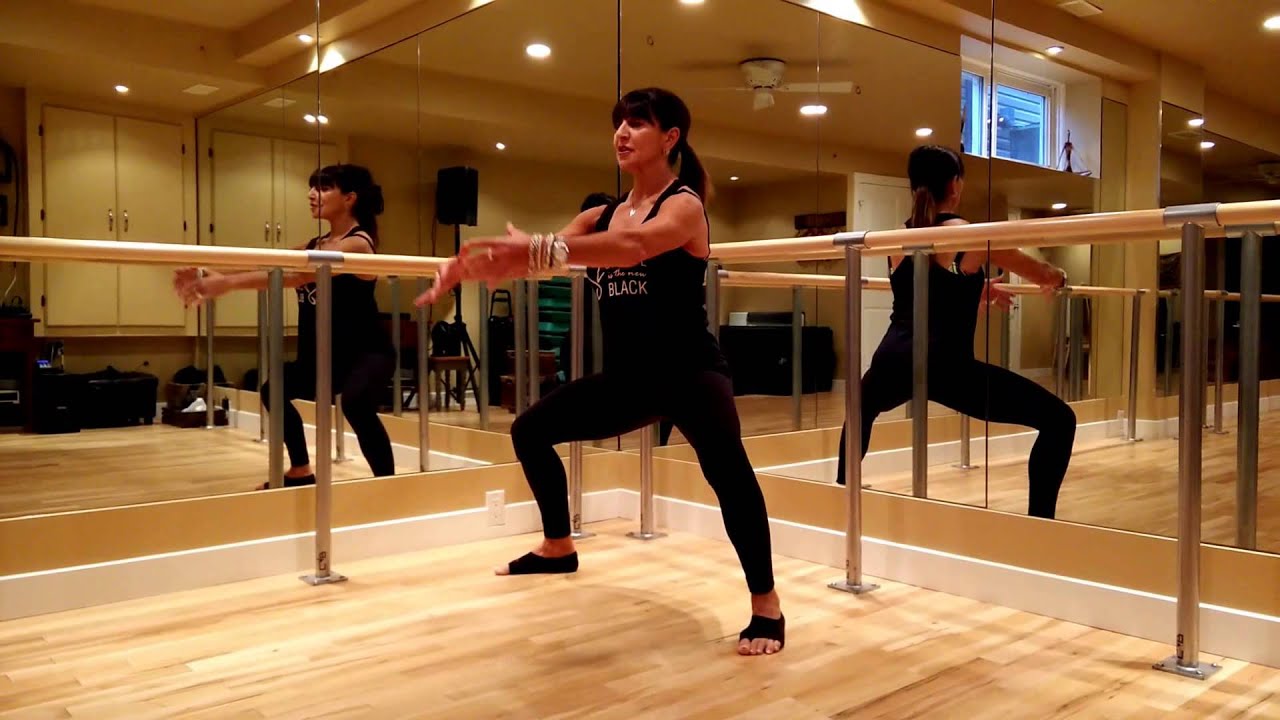
At the bottom of the second position plié position movement, lift your right heel, keeping the rest of your body still. Return it to the floor to complete one heel list. Perform 16 heel lifts with your right foot, then repeat with your left foot, and only then rise out of the plié.
“Hold on to a steady surface to help your balance,” Riley says. “If you want to progress, lift both heels at the same time.”