
Apart from cooling off in the sea on holiday or lounging at my local lido in summer, swimming never really interested me.
However, I recently spent two weeks on the south coast of Sri Lanka, where I stayed in a villa with a pool. With temperatures regularly reaching over 100℉, it felt wrong not to be in said pool as much as possible—especially as the heat also made walking, which I usually like to do, more difficult.
Instead of walking, I decided to start swimming lengths of the 25-meter pool. I started with 20 lengths and found that I enjoyed it, so I challenged myself to do 30, then 40. By the end of the trip, I was doing up to 60 lengths per day.
I've found swimming to be meditative and relaxing, and it's quickly become my favorite way to do cardio, as I don't enjoy running and get bored of cycling.
Below, I've shared some of the reasons I’ve come to love swimming, along with some of the physical benefits, according to Inez Griffin a physiologist at Nuffield Health.
1. Swimming is a low-impact activity
I have a long-standing knee injury, making running—and any form of plyometric work—almost impossible for me to sustain long term.
Swimming gets my heart rate up for a great cardio workout without putting pressure on my joints. In just two weeks, I noticed my fitness improved as I was doing more lengths each day.
“Swimming is a fantastic way to improve your cardiovascular health, and can help to strengthen the heart, improve the circulation and lower blood pressure,” says Griffin.
2. Swimming’s reduced my joint pain
Whatever stroke you choose, swimming puts your joints through a wide range of motion.
I do breast stroke, so I’m continuously moving my hip and shoulder joints, which are areas where I experience the most stiffness.
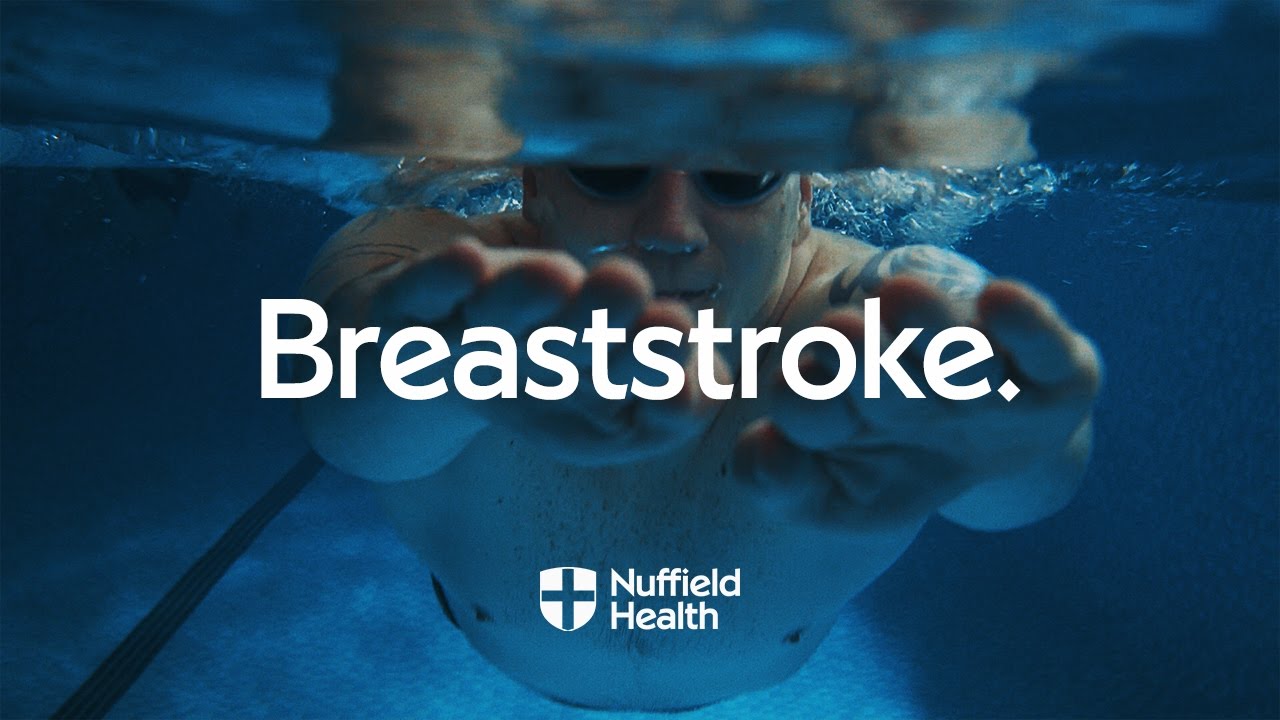
I find weight training and cardio often lead to a niggle in my knee or shoulder, but with swimming, my joints always feel more mobile and less sore.
“Swimming is a fantastic low-impact exercise, which relieves the pressure from the joints as you are being supported by the water,” Griffin explains. “As body weight is being supported by the water, swimming can be a very effective part of your injury rehabilitation journey.”
3. Swimming’s a fantastic full-body workout
I lift weights regularly so I’m used to challenging my body but I was surprised by how much swimming demands of my upper-body muscles. The DOMs (delayed onset muscle soreness) I get after swimming tells me I've worked muscles in new ways and I'm building strength.
“Swimming is a great full-body exercise, which helps to engage all the major muscle groups,” says Griffin. “This can be really helpful for improving your mobility and posture, whilst also supporting your joints.”
4. Swimming forces me to switch off from devices
The idea of exercising for 20 to 30 minutes without music, a podcast or an audiobook felt daunting at first. But the fact that swimming forces you to focus on your movement and be alone with your thoughts is probably my favorite thing about it now.
Some days, I concentrate on counting lengths and my mind switches off in a way that even meditation or yoga doesn’t do for me. On other days, I work through my thoughts.
“Swimming is also known to have a calming effect, which could help to reduce symptoms of anxiety and depression,” Griffin says.
My swim sessions always leave me feeling more relaxed physically and mentally, while also feeling satisfied that I’ve done a great workout to get stronger and fitter.