Can’t do a deadlift? These three alternative exercises can help you build strength in your back and lower body
If deadlifts are off-limits for you, try these strength moves instead


I’ve been a certified personal trainer for over a decade, and one of my favorite exercises to teach is the deadlift. This functional movement is one of the best for building strength in your glutes, hamstrings, lats and traps to improve your posture and make everyday tasks easier to perform.
That said, deadlifts do have a few downsides. For those with lower-back injuries, poor mobility or weak core muscles, the deadlift can trigger pain or make existing issues worse. That’s why it’s important to clear any new activity with a healthcare professional first, especially if you have any injuries or limitations. And, working with a certified personal trainer can ensure you’re performing movements safely.
If you decide to avoid deadlifts for now, I recommend three other exercises to strengthen the same muscle groups—running down the back of your body (your posterior chain) and your core.
Three alternatives to a deadlift
For these moves, you’ll need an exercise mat and a moderately-heavy resistance band like this Theraband set on Amazon.
Be sure you know how to engage your core before doing these moves.
Start with one or two sets of eight to 10 repetitions. Once that feels easy, increase to two sets of 12 to 15 repetitions. Slowly work your way up to three sets of 12-15 repetitions.
For these exercises to effectively build strength, you will need to perform them consistently twice a week, increasing to three times a week as you get stronger.
1. Glute bridge
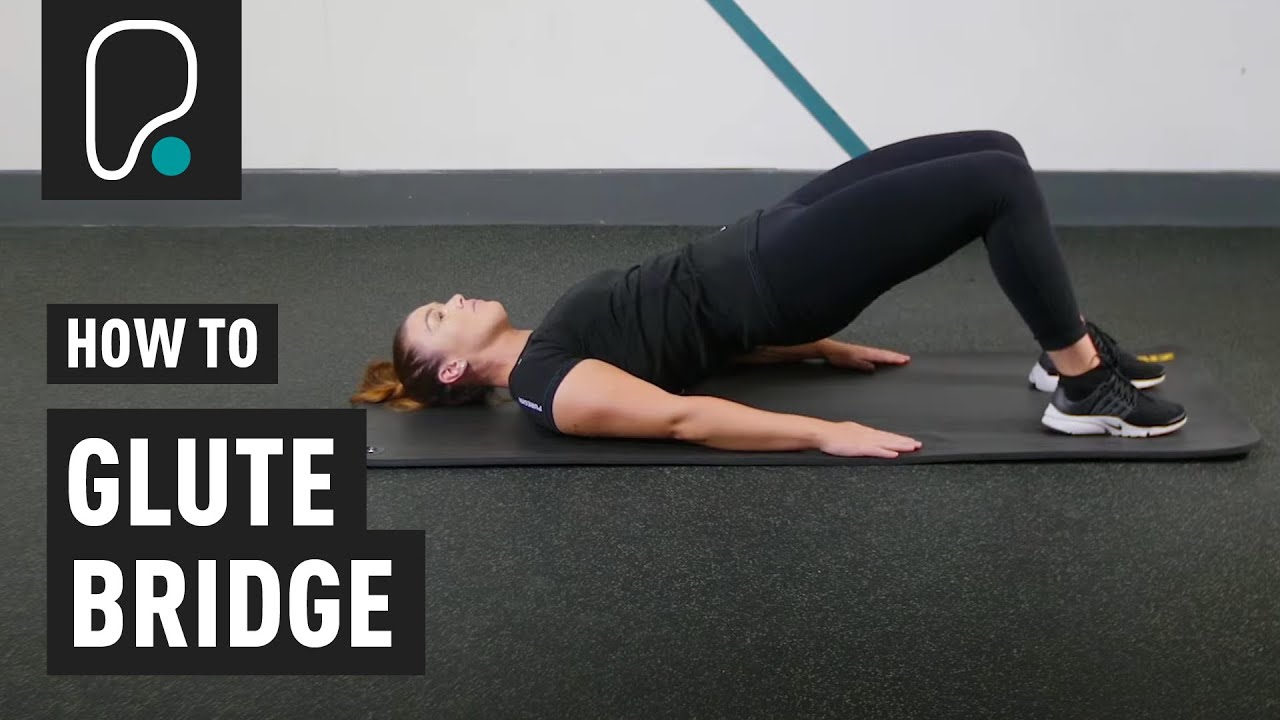
Reps: 8-15
- Lie on your back with your knees bent and your feet flat on the floor, hip-width apart.
- Engage your core and squeeze your glutes.
- Push through your feet to lift your hips until your body forms a straight line from shoulders to knees.
- Pause briefly.
- Lower your hips with control to the floor.
Trainer tips: If you’re unable to get onto the floor, try this exercise on your bed or couch. Avoid any excessive arching in your lower back. Avoid your knees collapsing inward as you lift your hips. Relax your shoulders, lowering them away from your ears, and tuck your chin slightly toward your chest to relax your neck.
Make it harder: Perform with a short-loop resistance band around your knees or 10-15lb dumbbell.
2. Back extension

Reps: 8-15
- Lie on your front and rest your hands on the back of your head.
- Engage your core and squeeze your glutes.
- Carefully raise your head, shoulders and chest.
- Pause briefly at the top of the movement.
- Lower your head, shoulders and chest back to the floor with control.
Trainer tips: If you’re unable to get onto the floor, try this exercise on your bed or couch. Move carefully if you have any lower-back injuries or pain. Reduce your range of motion if needed, or only lift your head and shoulders off the floor. Keep your glutes engaged throughout the movement and keep your feet on the floor.
3. Resistance band pull-through
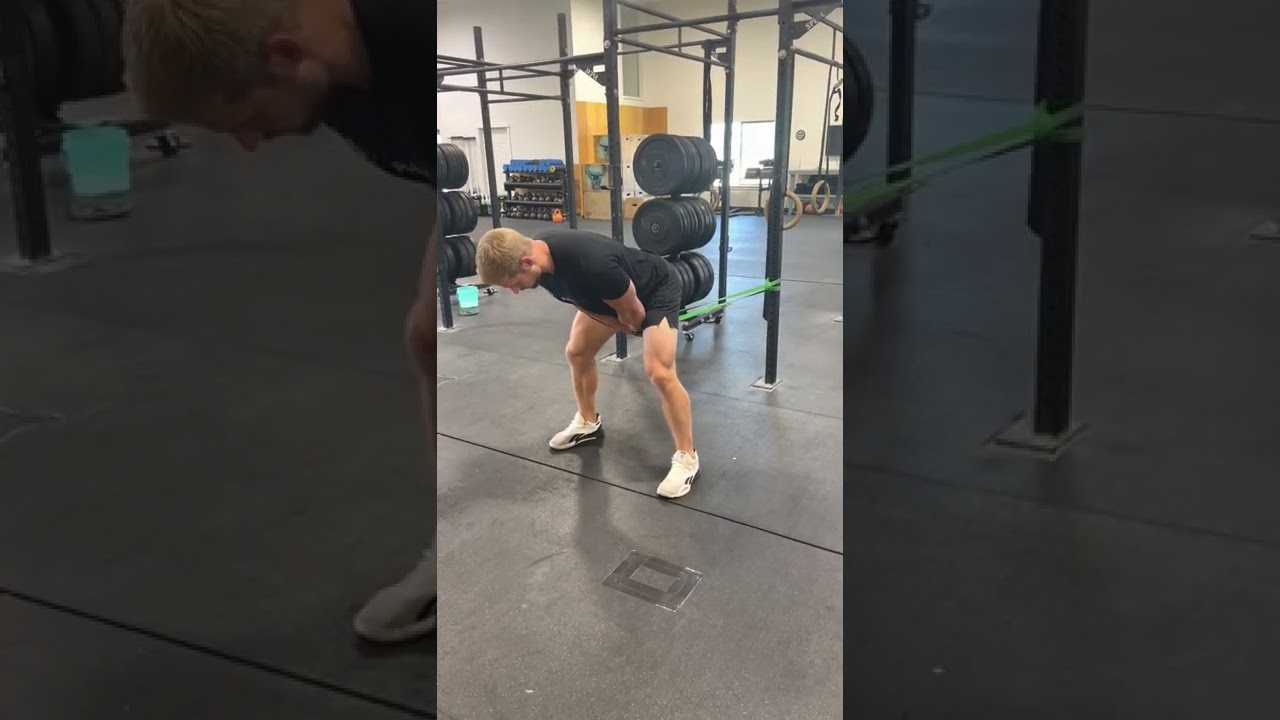
Reps: 8-15
- Loop a resistance band around a strong anchor point.
- Stand with your feet hip-width apart and a slight bend in your knees, facing away from the anchor.
- Hinge your torso forward from your hips and push your butt back, then reach between your legs and take hold of the end of the band.
- Step away from the anchor point until there is tension in the band—this is your starting point.
- Engage your core.
- Push your hips forward to stand upright, squeezing your glutes as you lift your torso, working against the increased resistance in the band.
- Pause for a moment.
- Hinge forward from your hips and push your butt back to return to the start. Move slowly and with control.
Trainer tips: Move carefully if you have any lower-back issues or injuries. Reduce your range of motion if needed, only lowering your torso slightly. Practice the movement without the band at first to perfect the form.
Make it harder: Use a heavier resistance band.
