“Most people over 40 say conventional workouts feel too hard, take too long or leave them injured—this routine solves all three problems,” says an experienced trainer
Reduce your standard three sets to one, says this expert


Personal trainer Connor Darnbrough is convinced that most people over 40 stop strength training because they find conventional workouts too tough, too time consuming or too painful.
Instead, the co-founder of Smart Fit Method has formulated a technique he believes will help older adults stick with their training so they can build and preserve muscle and extend healthspan.
“It takes 20 minutes, requires only standard gym equipment, and is built around one principle the research consistently supports: slow, controlled eccentric loading,” he tells Fit&Well.
Darnbrough's technique focuses on slowing down the lowering (eccentric) phase of a movement.
Typically, you would spend between one and three seconds lowering the weight. Darnbrough’s method recommends extending this to seven seconds. That's a lot of Mississippis.
“The slow, eccentric tempo might feel unusual at first,” he says.
“Most people expect to feel tired from speed or volume. Instead, you will feel the effort of genuine muscular control, which is exactly the stimulus your muscles, bones, nervous system and cardiovascular fitness all need.”
Why eccentric loading builds muscle
“The eccentric phase, or lowering portion of any movement, is where the real adaptation happens,” says Darnbrough.
“It builds muscle, strengthens bone, improves joint health and trains the neuromuscular system that keeps you balanced and stable.
“By slowing the lowering phase to seven seconds, you get more from every rep than most people get from an entire conventional workout.”
In Darnbrough's view, one set per exercise is enough. “The tempo is the dose,” he says.
Capping your workouts at just one set will also help you remain consistent with your training sessions.
“The two most common mistakes older adults make with exercise is doing too much too soon or avoiding strength training entirely out of fear of injury,” he says.
“This routine threads the needle—short enough to be sustainable, controlled enough to be safe, and demanding enough to produce real results.”
Give it six weeks of consistency and the difference in how you move, feel and carry yourself will be noticeable, he insists.
How to do the workout
Darnbrough's workout is split in two sections. The first includes five exercises to build strength, the second features three moves to promote mobility.
It should take around 22 minutes and can be performed at home using a resistance band, sturdy chair and wall, or in the gym using a cable machine and weight bench.
Do this resistance training routine twice a week, combined with some gentle cardiovascular exercise, daily mobility work and rest days for best results.
- Monday: Resistance routine (20min)
- Tuesday: Light-intensity walk or cycle (25-30min)
- Wednesday: Rest or gentle mobility
- Thursday: Resistance routine (20min)
- Friday: Light-intensity walk or cycle (25-30min)
- Weekend: One longer light-intensity session (30-45min) + rest day
“This structure gives your body adequate stimulus for both strength and cardiovascular adaptation, while building in the recovery that older adults need to see consistent progress without burnout or injury,” he explains.
Strength workout
1. Sit-to-stand
Sets: 1 Reps: 8-10 Rest: 60sec
- Sit at the edge of a sturdy chair with your feet flat on the floor, hip-width apart.
- Cross your arms over your chest.
- Lean slightly forward, then push through both feet to stand fully upright.
- Pause at the top, then lower yourself back down slowly with control—taking seven seconds to return to seated.
Darnbrough says: “The ability to get up from a chair unassisted is one of the strongest predictors of independence and longevity in older adults. This movement trains exactly that pattern under control, with the chair providing a safety anchor for beginners.”
Make it harder: Once 10 reps feel controlled, try a single-leg version.
2. Resistance band or cable row
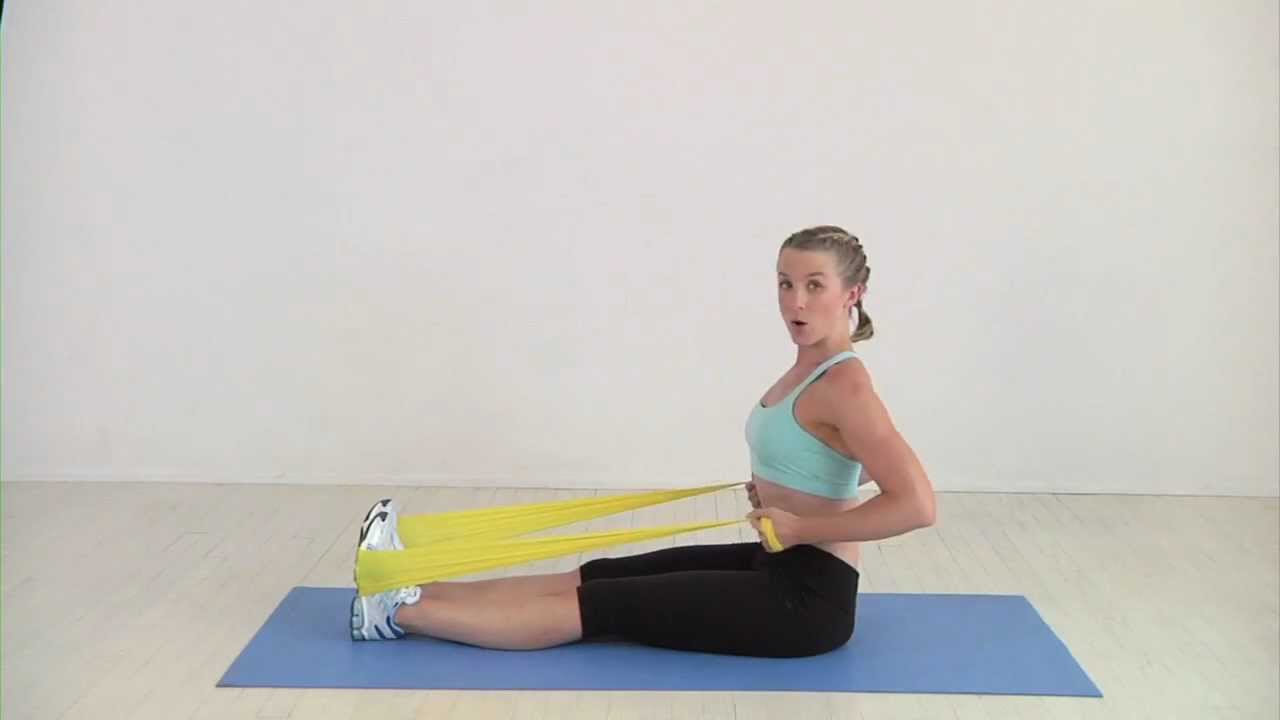
Sets: 1 Reps: 8-10 Rest: 60sec
- Anchor a resistance band at chest height or use a cable machine.
- Stand or sit facing the anchor, arms extended.
- Pull the band or cable toward you, retracting your shoulder blades and driving your elbows toward your ribs.
- Pause, then take seven seconds to return your arms to the starting position, resisting the pull with control.
Darnbrough says: “Rows build your posterior chain muscles—upper back, rhomboids, rear deltoids—[which may be] weakened, mostly by desk work and daily posture. Strong upper-back muscles reduce shoulder and neck pain and counteract the forward rounding that develops with age.”
Make it harder: Increase the resistance of the band or cable machine.
3. Wall push-up or incline push-up

Sets: 1 Reps: 8-10 Rest: 60sec
- Stand facing a wall or place your hands on a weight bench at roughly shoulder-width apart.
- Keep your body in a straight line from your head to your heels.
- Bend your elbows to lower your chest toward the surface, taking seven seconds to complete the movement.
- Pause briefly at the bottom, then push back to the start.
Darnbrough says: “Horizontal pressing builds your chest, anterior shoulder and triceps—essential for pushing movements in daily life. The wall or incline version reduces load for beginners while keeping the full movement pattern and benefits of a slow eccentric.”
Make it harder: As your strength increases, progress from performing these against the wall, then a weight bench and then on the floor.
4. Glute bridge

Sets: 1 Reps: 10-12 Rest: 60sec
- Lie on your back with your knees bent and feet flat on the floor, hip-width apart.
- Raise your hips until your body is in a straight line from your shoulders to your knees, squeezing your glutes.
- Hold at the top for two seconds, keeping your hips level and spine neutral.
- Lower slowly, taking five seconds to return to the floor with control.
Darnbrough says: “Weak glutes are one of the most common underlying causes of falls, lower-back pain and knee problems in older adults. The glute bridge activates and strengthens your glutes and hamstrings with zero joint stress.”
Make it harder: Perform a second set or try doing a single-leg version.
5. Standing calf raise
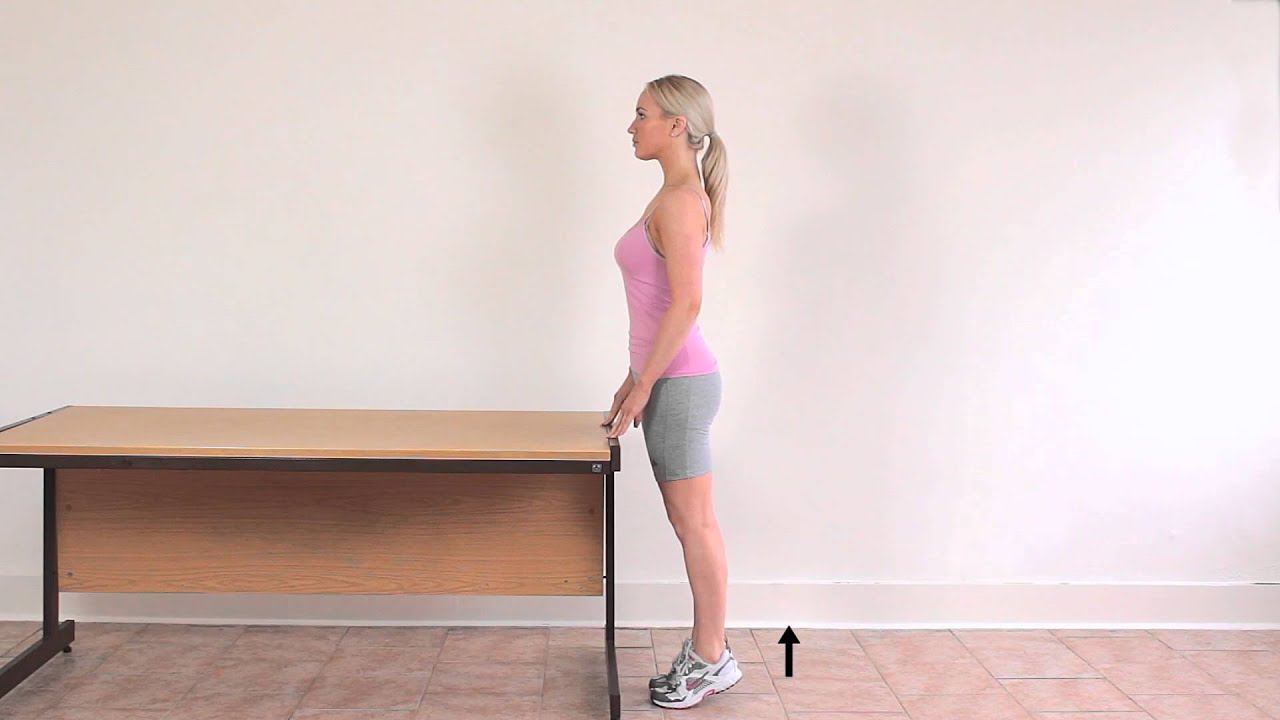
Sets: 1 Reps: 12-15 Rest: 60sec
- Stand behind a chair for support.
- Raise your heels, rising onto the balls of both feet as high as possible.
- Pause at the top for two seconds, then lower slowly for five seconds.
Darnbrough says: “Calf and ankle strength is the first line of defence against falls. Calf raises also apply compressive load to the lower leg bones—one of the most effective ways to maintain bone density without high-impact exercise.”
Make it harder: As your balance improves, reduce your reliance on using the chair for support. Progress to single-leg calf raises once this feels stable.
Mobility drill
Darnbrough recommends wrapping up this resistance workout with a short three-move mobility routine.
“Consistent daily mobility practice has a compounding effect most people notice within two weeks,” he says, adding that this drill should be repeated every morning, not just on training days, to see results.
1. 90/90 hip stretch
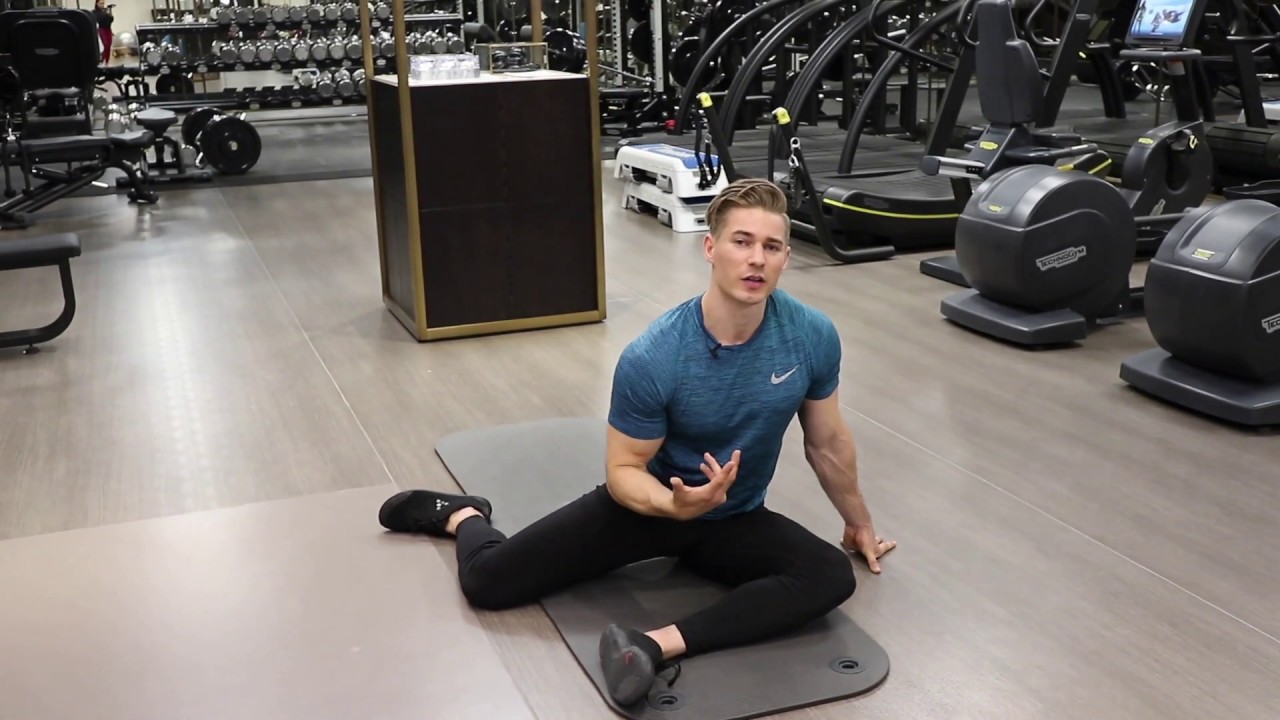
Sets: 1 Time: 60sec each side
- Sit on the floor with both legs positioned at a 90° angle, one in front and one to your side.
- Keep both knees in contact with the floor throughout.
- Hold for up to one minute, then switch sides.
Darnbrough says: “These target the hip flexors and external rotators, two areas responsible for the most common mobility restriction in older adults.”
2. Thoracic rotation
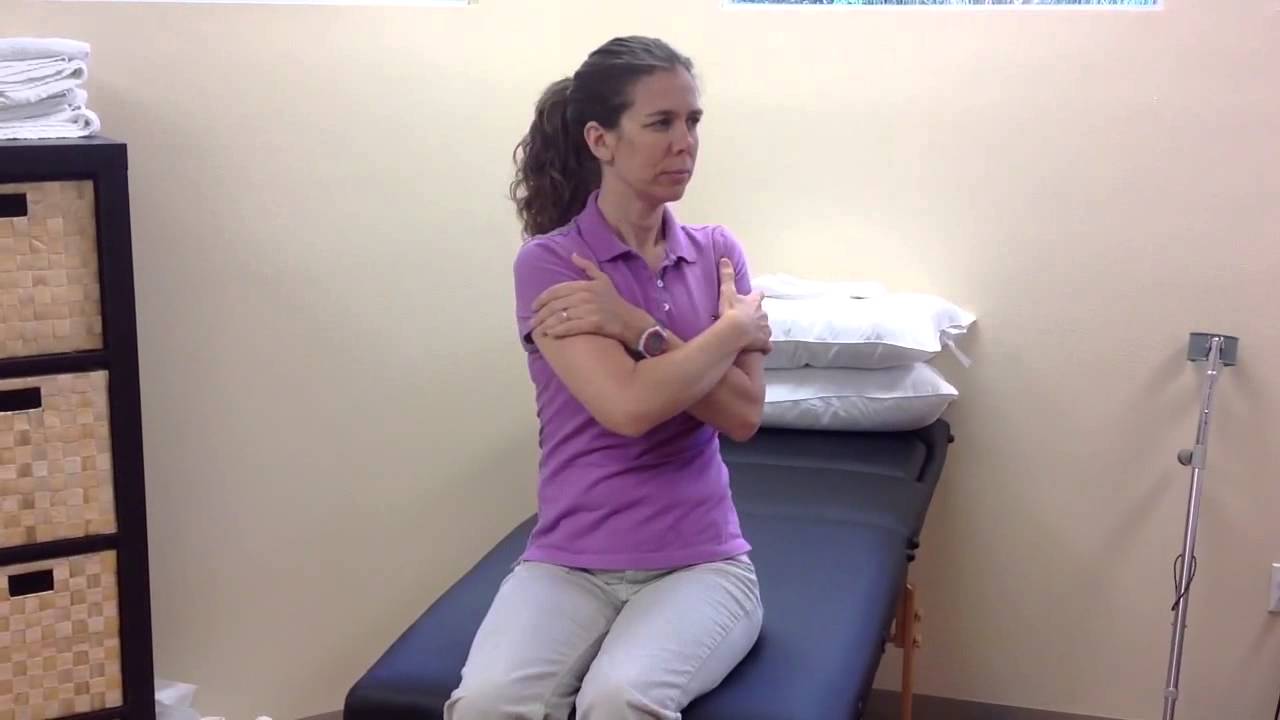
Sets: 1 Reps: 10 each side
- Sit with your feet on the floor and arms crossed over your chest.
- Slowly rotate to each side, twisting from your wait to look as far behind you as possible.
Darnbrough says: “This simple stretch that can be done at your desk reduces shoulder and neck tightness and improves posture.”
3. Wall angel
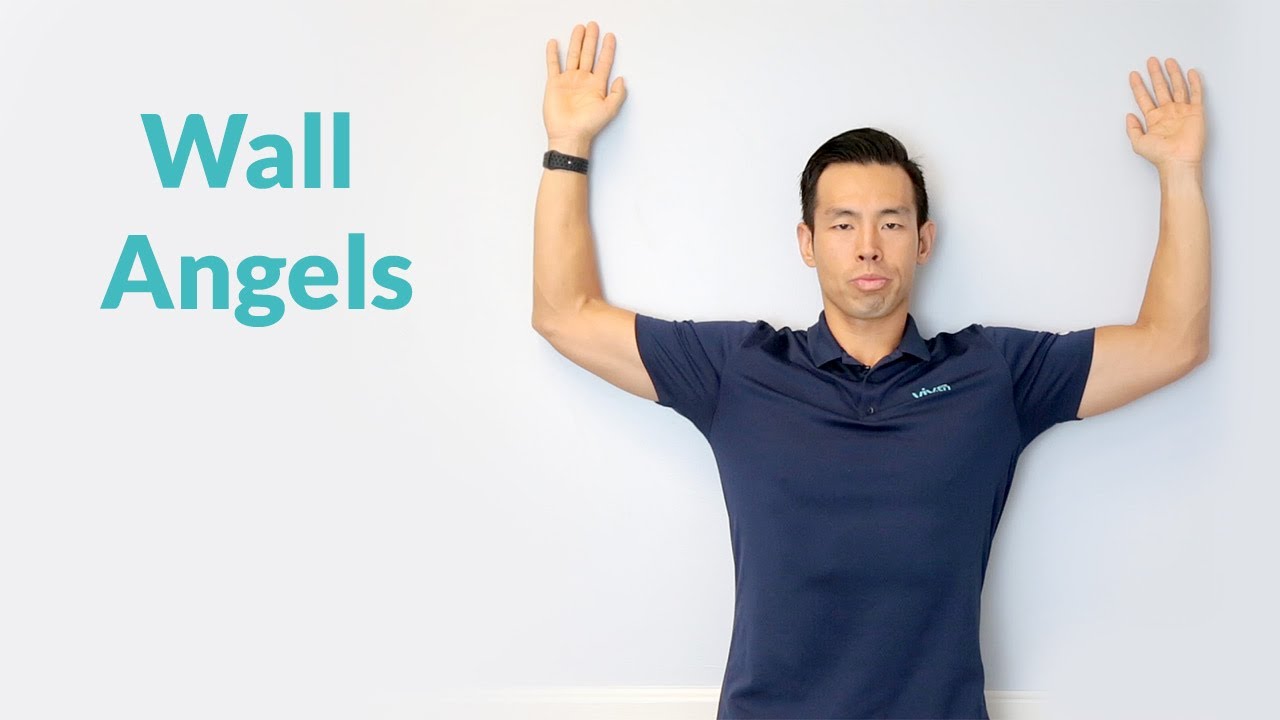
Sets: 1 Reps: 10
- Stand with your back flat against a wall and your arms bent at 90°, palms facing outward.
- Slide your arms overhead keeping your elbows, wrists and lower back in contact with the wall.
Darnbrough says: “Wall angels restore overhead shoulder mobility and train scapular muscles to move through a full range of motion.”

Connor Darnbrough is the co-founder of Smart Fit Method, a health and longevity training system with eight locations across California, Utah, and soon to be Arizona. An ISSA-certified personal trainer and nutritional consultant, he specializes in working with adults aged 40 and older, designing evidence-based training protocols that build strength, improve cardiovascular fitness and extend health span. His approach focuses on getting the most adaptation from the least amount of time, making training sustainable and effective for beginners and older adults who need results without excessive wear on their joints.

Follow Fit&Well on Google News and add us as a preferred source to see all our workout ideas and wellbeing advice in your feeds.
