The longevity workout an 85-year-old swears by to build strength and live young
From a sedentary career on Wall Street to winning 10 gold medals at the San Diego Senior Games, here’s how Jim Owen keeps fit


Nearing retirement age is a time to slow down for most people. Not for Jim Owen.
At 70, the former Wall Street executive with a sedentary lifestyle challenged himself to shed 35lb, resolve excruciating lower back pain, and get fit.
Then he went one step further.
He entered the San Diego Senior Games, an annual event for over-50s. The fitness category Owen entered featured 10 tests of strength and endurance, like hanging from a bar, hurling a heavy ball and skipping with a jump rope.

“I found my inner athlete when I was about 75,” he tells Fit&Well, reflecting on this transformation.
In the jump rope category, Owen completed 49 jumps in 60 seconds. He threw the heavy ball 20 feet. He hung from the bar for an astonishing two-and-a-half minutes.
He beat his training personal bests in nine of the 10 events.
“Practice, practice, practice,” he says, is the motto that underpinned his performance.
So too, he adds, did building a foundation through regular strength training.
The training plan 85-year-old Jim Owen uses to live young
Owen says it took five years to build a foundation that made exercising feel fun.
Now he trains six days a week for an hour per day, combining strength, cardio and mobility.
“Jim Owen is the epitome of health and vitality,” comments his trainer, Greg Laird.
“He has vigor for life, lives with purpose, and always gives his best, which translates to everything he does being done at a high level.”
Laird met Owen when he was already well on his way from overworked exec to serial Senior Games winner, but he lacked mobility and range of motion like most men his age.
“Particularly, he had very tight hamstrings and limited thoracic extension,” says Laird.
To combat this, Owen completes a full-body stretching sequence three to four times a week, targeting his ankles, hips and thoracic spine.
“He stretches in an upright position using points of stability so he can maximize the range of the stretch he is in,” says Laird.
“We then drive the specific body part we are stretching in three planes of motion: sagittal (forward and back), frontal (side-to-side) and transverse (rotational)—just like the body experiences in daily life.”
To maintain cardiovascular conditioning, Owen walks for up to an hour, three times per week.
Twice will be uphill to challenge his conditioning, yet limit the pounding on his joints, which Laird says “is key to training for longevity and staying healthy throughout the aging process”.
To preserve strength and muscle, Laird gets Owen to perform three full-body workouts per week.
“Our focus with strength training is on maintaining and mitigating the loss of strength through the natural aging process,” explains Laird, rather than trying to build bulk.
“Each strength workout incorporates a push, pull, squat, hinge and lunge—movements that are essential to daily life, to help Jim to function at the highest level day to day.”
How to do the SuperAger strength workout
Laird recommends readers follow this routine two to three times per week.
“Overall, it’s about consistency over intensity and engaging in what you enjoy so you can move at a high level for years to come,” he says.
“Jim embodies this and is always looking to improve in any capacity he can.”
1. Resistance band twist
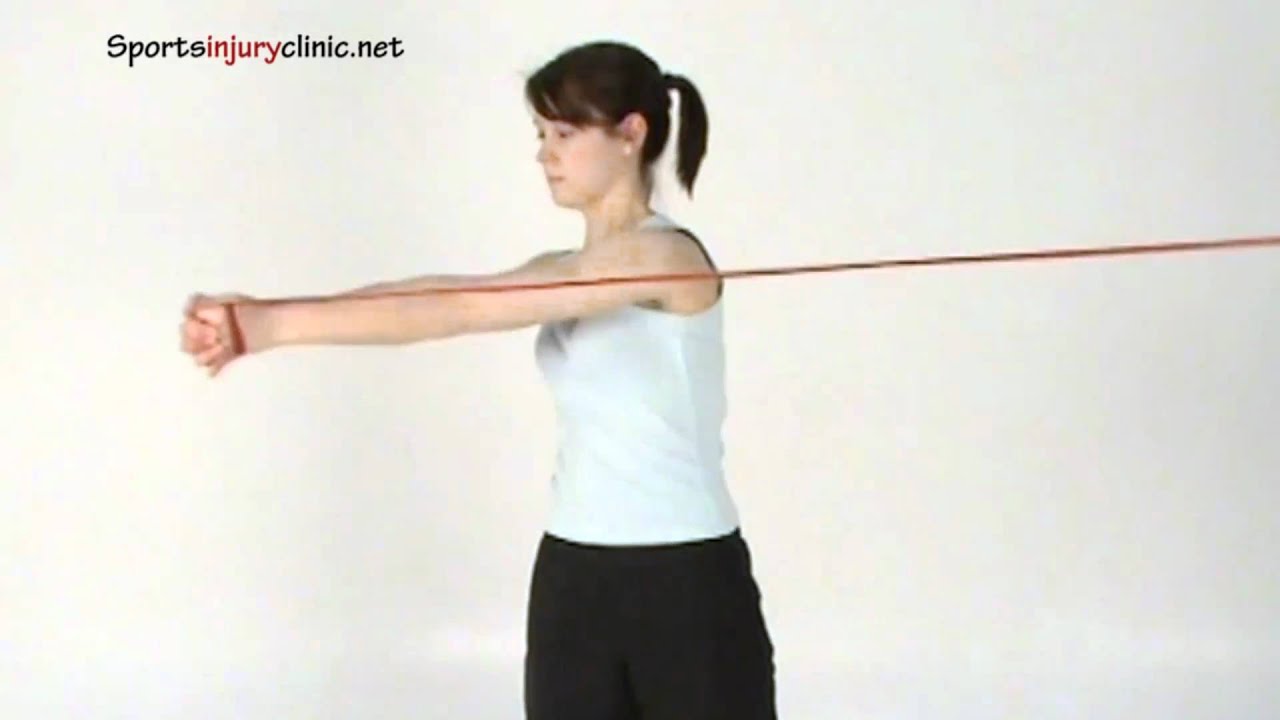
Sets: 2 Reps: 10 each side
- Loop a resistance band around an anchor point at chest height.
- Standing side on, hold the band in both hands close to your chest.
- Extend your arms until straight, bracing your core against the resistance.
- Now rotate your torso away from the anchor point, then slowly return to the center.
- Complete all reps one direction, then switch sides.
Laird says: “We begin by activating his core so he can engage it throughout the remainder of the session. This move helps you build symmetry throughout your core because you must rotate through tension in both directions, preventing overcompensation on one side.”
2. Weighted exercise ball crunch
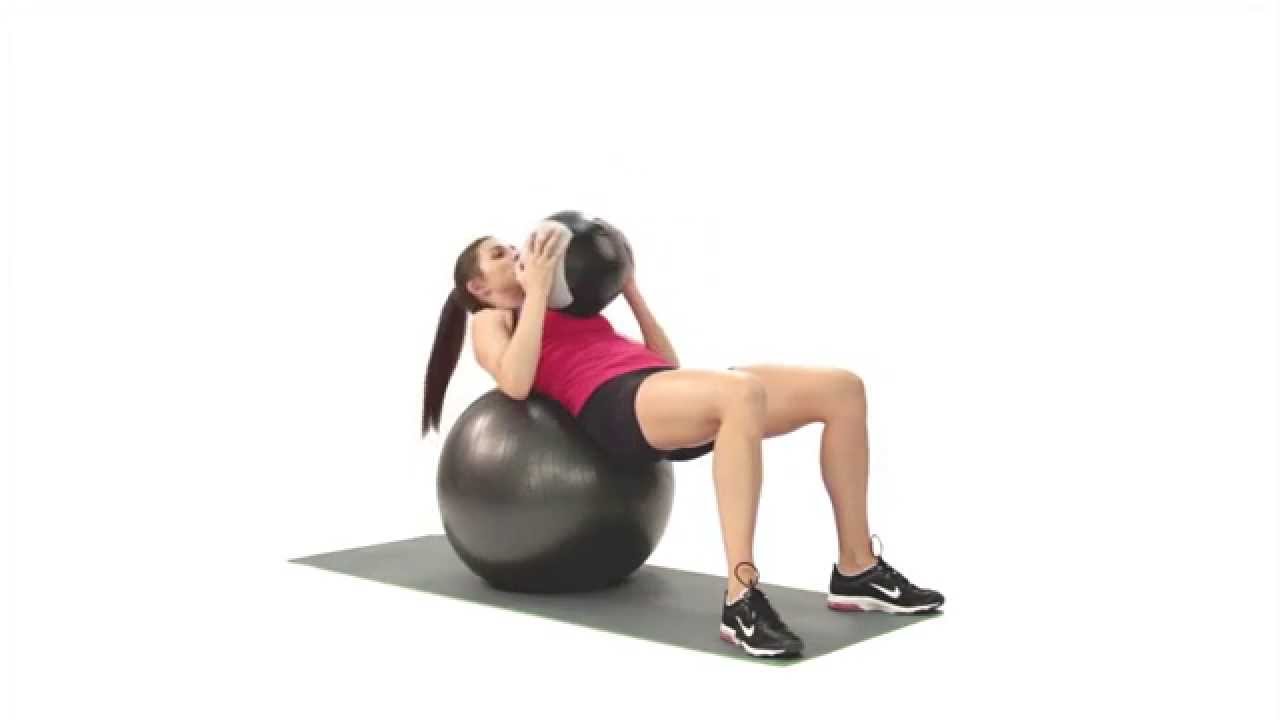
Sets: 2 Reps: 12
- Sit on the floor and lie back on an exercise ball or Bosu ball, with your back extended over the ball.
- Place your feet wide apart for stability, holding a light dumbbell at your chest.
- Curl your body up, lifting your shoulders and upper back off the ball, using your abdominal muscles to control the movement.
- Slowly lower to the start.
- Progress this movement by holding the weight behind your head.
Laird says: “We also perform weighted physio ball crunches to promote thoracic extension, a limiting factor seen in most older adults from years of sitting hunched over.
“By incorporating the weight behind his head, his body must adapt to the forces placed upon it, creating more length and extension through his spine.”
3. Prone single-leg drive
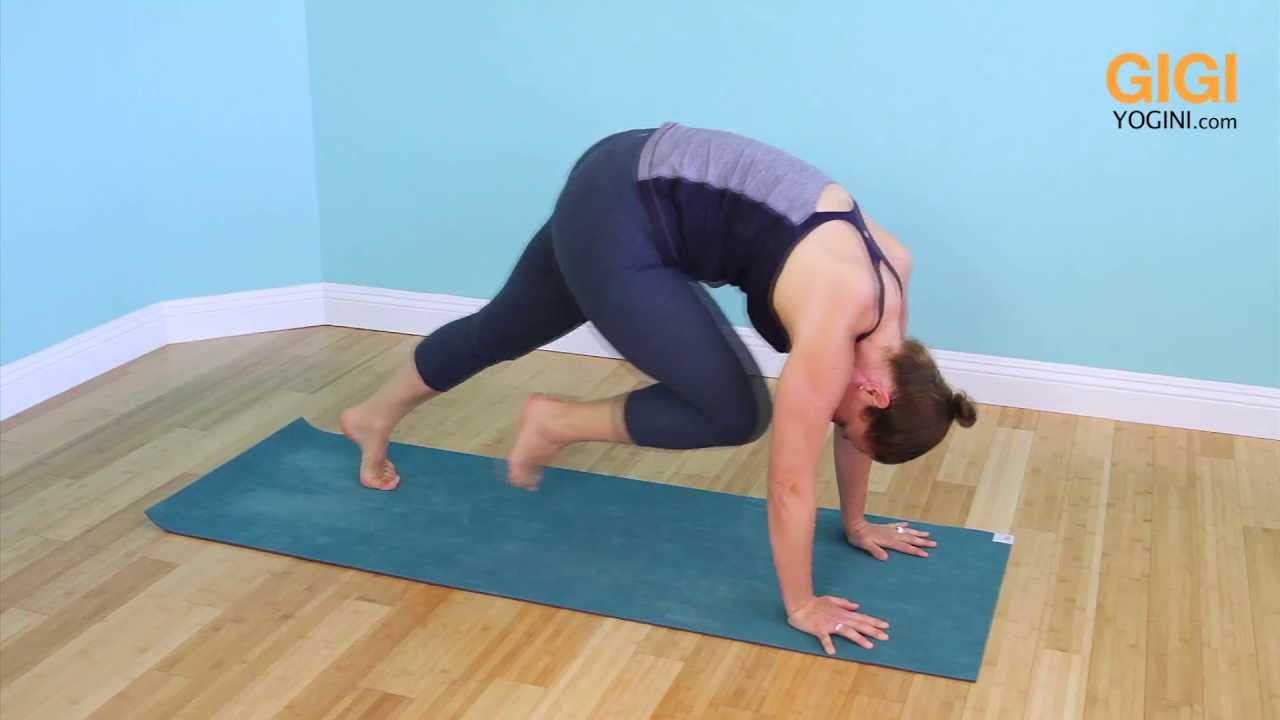
Sets: 2 Reps: 8 each side
- Get on your hands and knees with your hands directly under your shoulders.
- Lift your hips and extend your legs into a downward dog position.
- Lift your right leg behind you, keeping your hips level and stable.
- Lower your right leg and move your right knee towards your chin, lowering your hips.
- Go straight into the next rep, raising your right leg behind you.
- Complete all reps on one side, then switch sides.
Laird says: “This full-body exercise integrates mobility and strength. Your shoulder girdle is strengthened through this range of motion while challenging your core as you drive your knee forward.”
4. Side plank
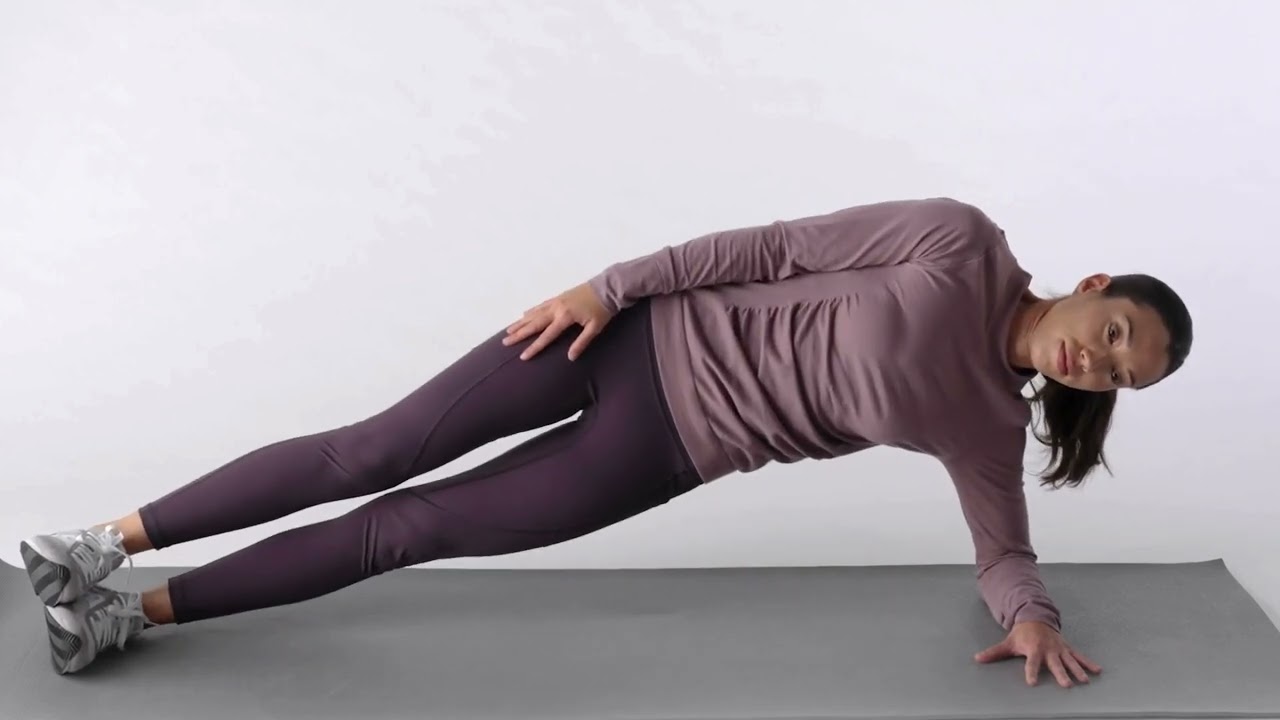
Sets: 2 Time: 30sec each side
- Lie on your side with your weight on your forearm.
- Stack your feet one on the other or have one in front to evenly distribute your weight.
- Raise your hips to form a straight line from your head to feet.
- Maintain this position without letting your hips drop for 30 seconds.
- Repeat on the other side.
Laird says: “We use side planks to build the lateral lines (the oblique muscles) of his body. This also incorporates shoulder stability, plus hip and core strength for your entire body.”
5. Exercise ball hamstring curl
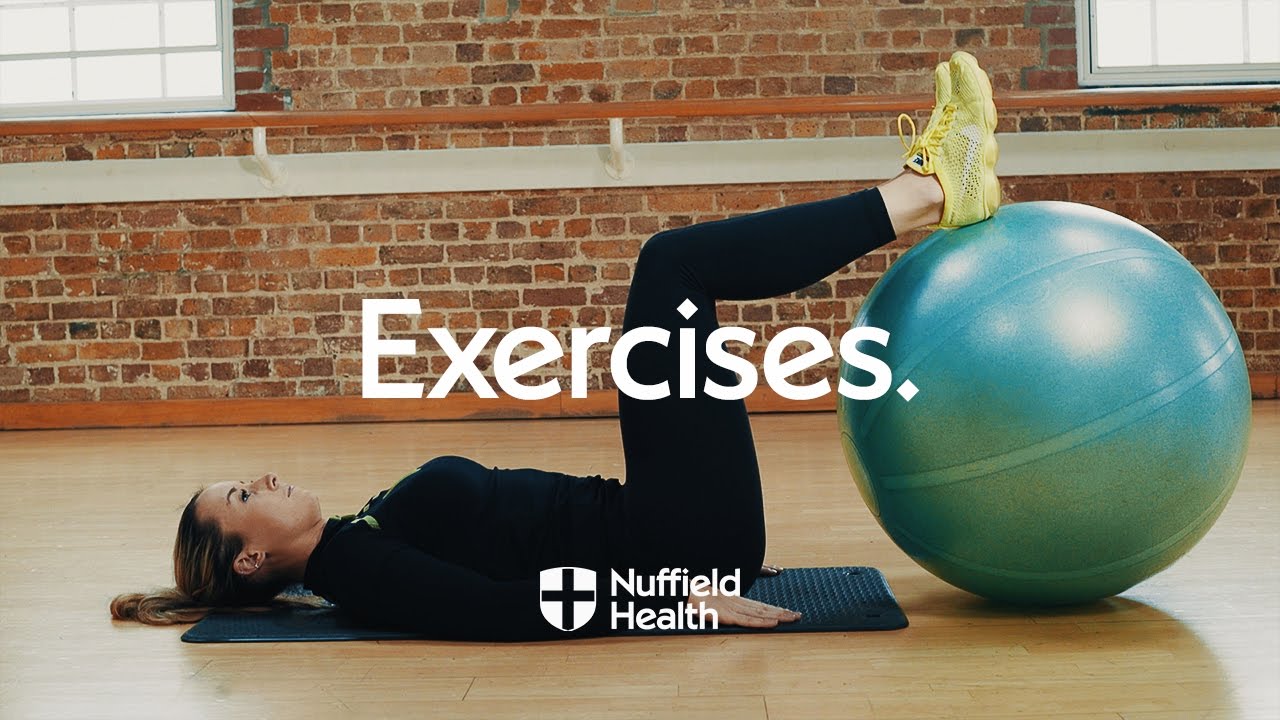
Sets: 2 Reps: 12
- Lie on the floor with your heels on top of an exercise ball and your arms on the floor, palms down.
- Engage your core and lift your hips so your body is in a straight line from shoulders to knees.
- Extend your legs to roll the ball away from you.
- Bend your knees to roll the gym ball back toward you—you should feel the muscles in the backs of your thighs working.
- Go straight into the next rep, keeping your hips raised.
Laird says: “This move targets the posterior chain muscles of the glutes and hamstrings to help protect your lower back and keep your body balanced with the pushing muscles of the quads.”
6. Dumbbell goblet squat
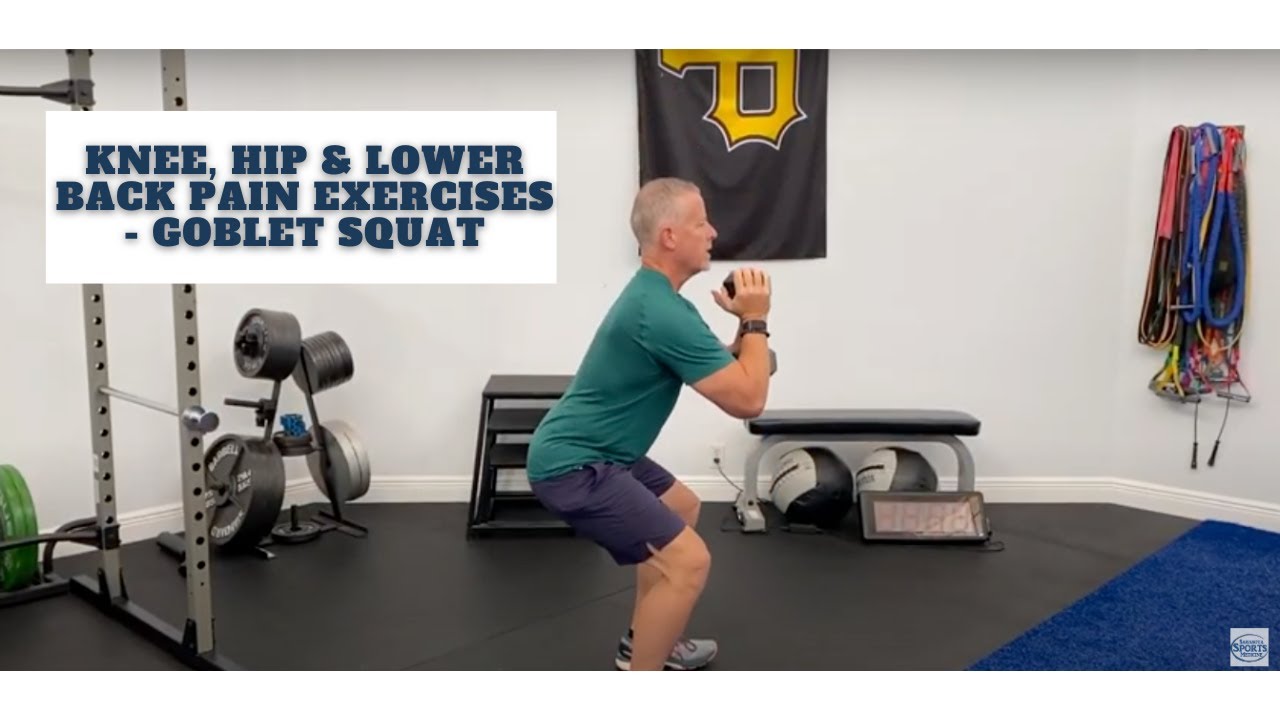
Sets: 2 Reps: 10
- Stand with your feet shoulder-width apart, feet pointing out slightly.
- Hold a dumbbell vertically at your chest, both hands cupping the top of the weight.
- Inhale and brace your core, then sit your hips back and bend your knees to lower.
- Keep your knees wide apart and your chest facing forward.
- Lower to a comfortable depth, then exhale as you push through your heels, extending your knees and hips to stand.
Laird says: “Jim performs dumbbell goblet squats to engage his core while working on the depth his hips can achieve under load to make daily squatting easier.”
7. Push-up matrix
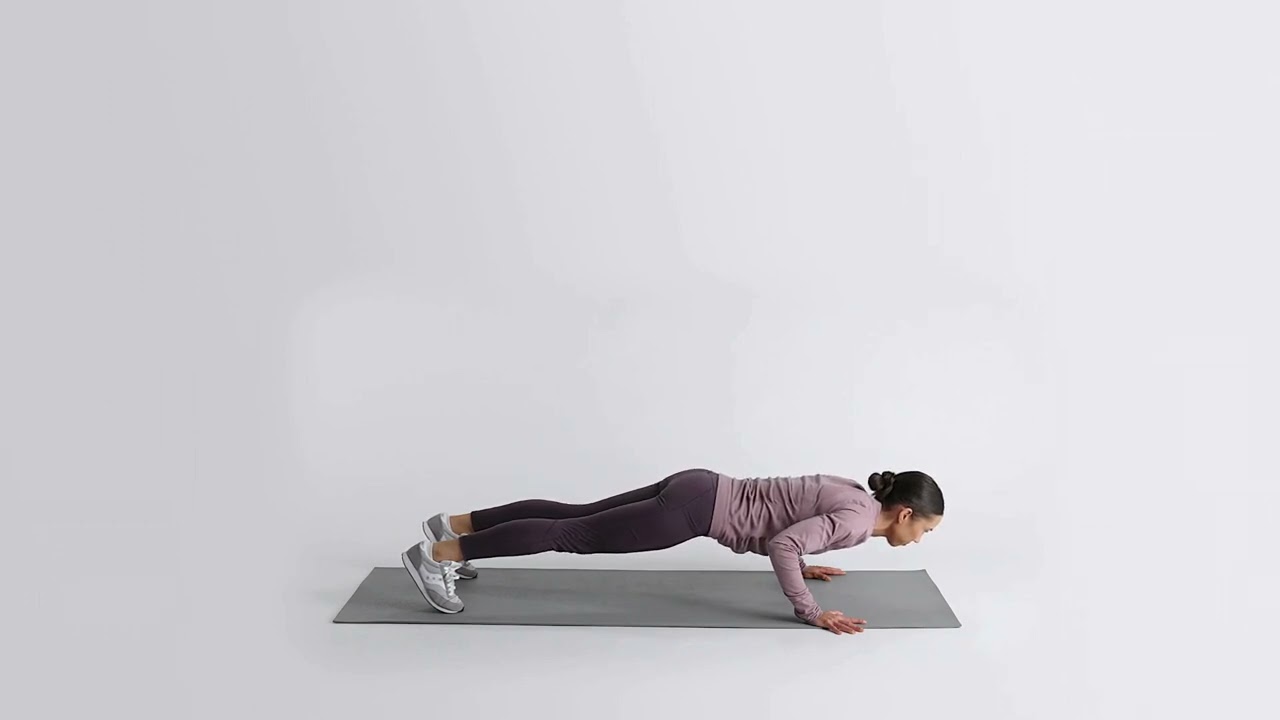
Sets: 3 Reps: 10 per position
- Start in a high-plank position with your hands shoulder-width apart, directly under your shoulders.
- Form a straight line with your body from your head to your heels.
- Bend your elbows to lower your chest toward the floor.
- Push back up powerfully.
- Perform 10 reps, then rest for 30 seconds.
- Wide push-up: for the second set, place your hands wider apart and repeat.
- Narrow push-up: for the third set, place your hands closer together and repeat.
Laird says: “Jim performs this push-up matrix, utilizing different hand positions, to add slight variety through his pushing exercises and build more functional strength.”
You can always adjust the number of reps you perform, or choose one of these modified push-ups, to better suit your ability.
8. Lateral lunge
Sets: 2 Reps: 8 each side
- Stand with your feet hip-width apart and step your right foot out to the side.
- Bend your right knee and push your hips back to lower, keeping your chest facing forward.
- Lower your hips as far as your mobility allows, while keeping your left leg straight.
- Push through your right foot to return to the starting position.
- Repeat on the other side.
- Continue, alternating sides with each rep.
- To progress this, hold a dumbbell at your chest or two dumbbells by your sides.
Laird says: “Lateral lunges help load the glutes differently from split squats and forward or reverse lunges, challenging the body to move from side to side.”
9. Single-arm dumbbell row
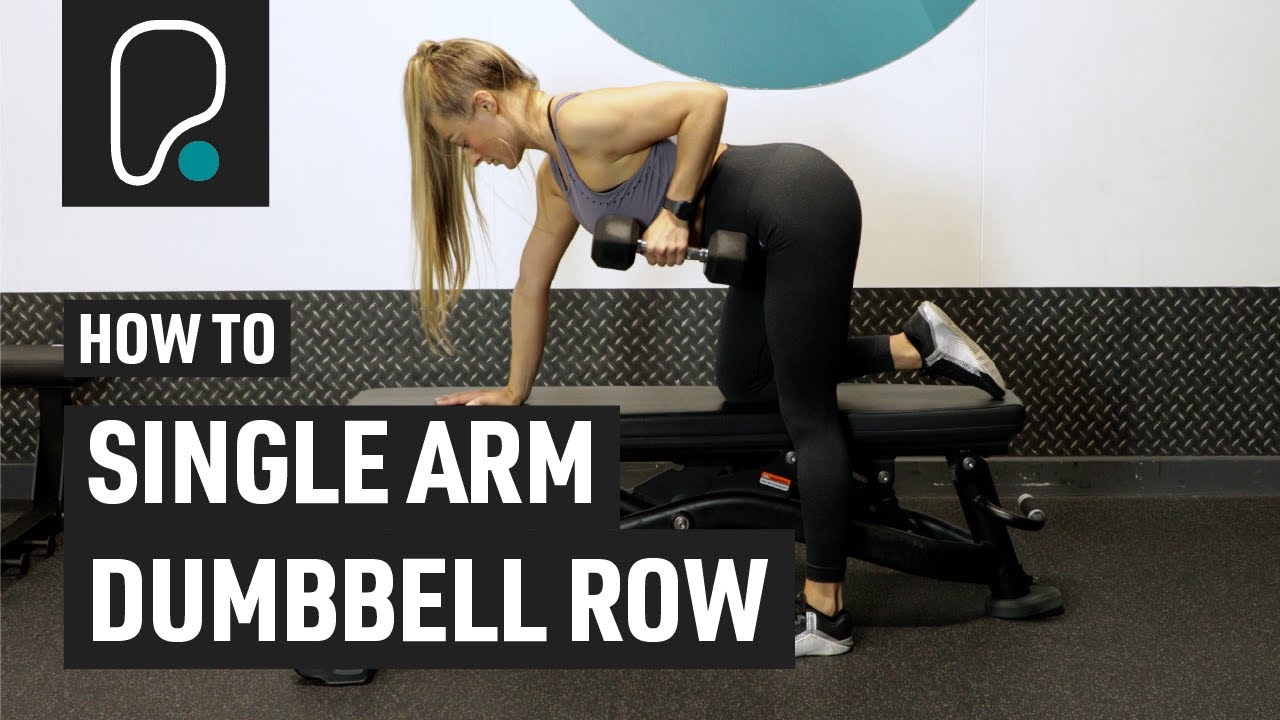
Sets: 2 Reps: 10 each side
- Stand with a bench to your right side, placing your right knee and right hand on it for support.
- Extend your left leg out to the side to create a stable base.
- Hold a dumbbell in your left hand, arm extended straight down.
- Retract your shoulder blades, holding the weight to engage your upper-back muscles—this is your starting position.
- Lift the dumbbell toward your hip, keeping your elbow close to your side.
- Pause briefly, then lower with control.
- Complete all your reps on one side, then switch sides.
Laird says: “Incorporating a single-arm dumbbell row helps target back and shoulder stability while working unilaterally, to again avoid compensating on one side of your body.”
10. Single-arm dumbbell farmers carry
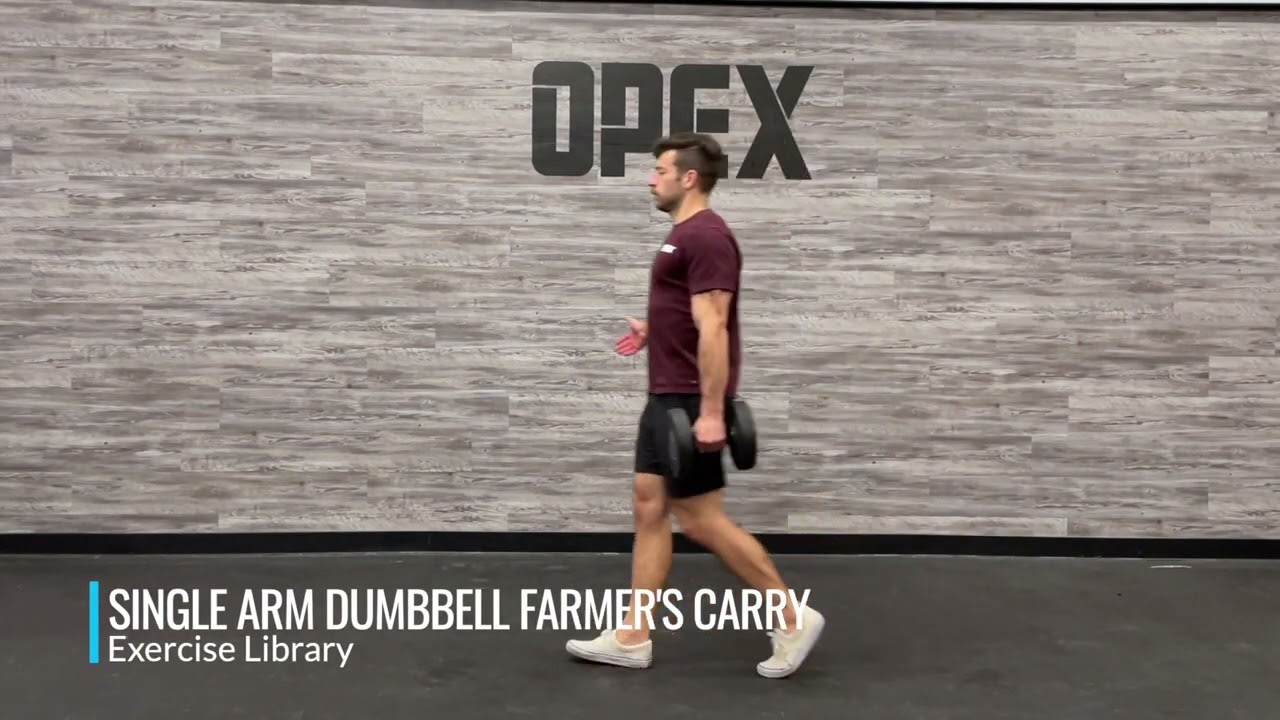
Sets: 2 Distance: 25 yards
- Stand with a medium to heavy dumbbell by your feet.
- Bend down to pick up the weight, keeping your back flat and torso facing forward.
- Engage your core and drive through your feet to stand upright, holding the weight by your side.
- Engage your core to keep your body evenly balanced and chest upright.
- Walk forward, or in a figure of eight, for 25 paces or yards.
- Lower the weight safely to the floor, then repeat on the other side.
Laird says: “Heavy carries challenge your grip strength with duration, which is a key component in statistics tied to longevity. It also creates symmetry through your hips and core by calling on the opposite side of the body to stabilize the weight as you walk.”
