





Can’t get enough protein? Boost your intake with these six easy food swaps suggested by a nutrition expert
Food swapping is the easiest way to get more protein into your diet


There’s no question about it—protein is good for you.
It’s often referred to as the building blocks of life because of its role in forming and repairing everything from muscle and bone to skin and hair. It also plays a part in hormone production and immunity, and supports the brain, heart and liver—plus so much more.
This means consuming enough protein is essential, and because I’m a personal trainer and nutrition coach, I’m often asked what is the easiest way to get more protein in my diet without eating lots more food?
There’s a really simple answer, and it’s not supplements like protein powder. It’s food swaps. You don’t need to load up on even more chicken or stuff yourself with lentils and beans, just try some alternative foods and reap the high-protein benefits.
Here are six of the best food swaps to amp up your protein intake.
1. Try hummus on toast instead of butter

With hummus offering around 1.5g of protein per tablespoon compared with butter’s nearly zero protein content, this swap is a no-brainer. Hummus also has around 1g of fiber per tablespoon and is much lower in saturated fat than butter.
Use hummus as a spread on sandwiches or toast, add a couple of spoonfuls onto salads instead of high-fat dressings, or use it as a dip with sliced pita bread or crudités for a tasty snack.
2. Switch porridge oats for buckwheat
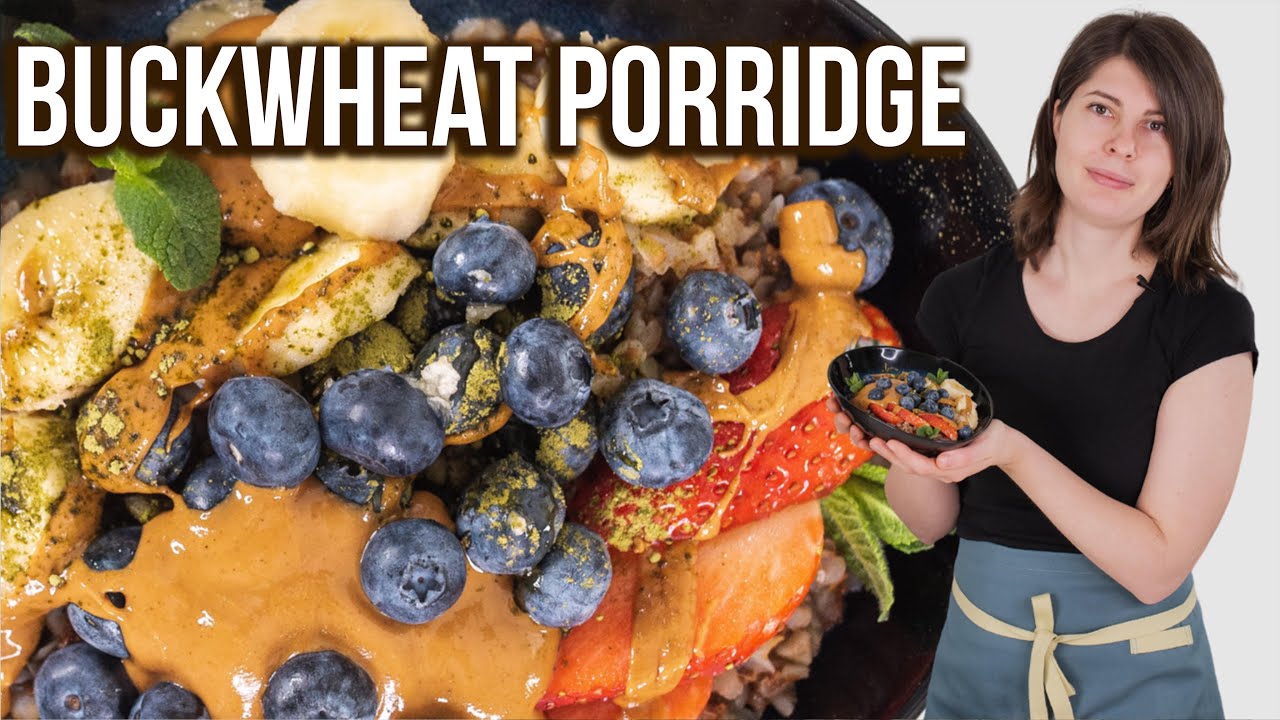
Not only does buckwheat have a higher protein content than porridge oats, it is also considered a complete protein because it contains all nine essential amino acids that the body requires—something which is quite rare in plant-based foods.
It is also high in fiber, antioxidants and it’s a great source of essential vitamins and minerals, including iron, magnesium and potassium.
You can buy buckwheat as oat-style flakes for porridge, or as whole seeds—to be cooked like quinoa—and served with salads, stews or curries.
3. Swap rice for quinoa
This superfood is incredibly versatile—served in salads or with roasted veg as a main dish—and loved by vegans and vegetarians. But it’s also a great swap for both white and brown rice—offering more than double the protein and a higher fiber content.
Quinoa is a complete protein, containing all nine essential amino acids, and is also packed with vitamins, minerals and antioxidants.
Try it as a side with curries, stews, cooked meat and stir-fries.
4. Swerve regular yogurt and go Greek

If you already regularly eat yogurt, then this one is a very simple swap: just use Greek (or Greek-style) yoghurt instead, and roughly double your protein intake with no extra effort.
For those looking for serving suggestions, Greek yogurt is great at breakfast. Add it to a bowl with your favourite fruits, put a tablespoon or two into a smoothie or simply have it on its own.
You can also spoon it onto your soup, have it as a side with curries or use it to make a healthy dressing for salad.
5. Switch to a high-protein pasta
Want more protein in your diet but don’t want to sacrifice your carb intake? Then high-protein pasta is your friend.
Swap out traditional wheat pasta for a version made using legumes such as chickpeas, lentils, edamame or fava beans. You can also find high-protein pastas made with pea protein, soy, whey or quinoa.
These protein-rich options are usually higher in fiber and will also help keep you fuller for longer.
6. Have almonds on the go instead of potato chips
It’s not always possible to get your hands on a healthy protein-rich snack when you’re out and about, making it easy to opt for high-fat, high-salt options instead.
This is where almonds are great—they’re tasty, rich in vitamins, high in fiber and portable. A serving of 10 almonds contains around 3g of protein—about three times the amount in an equivalent weight of potato chips.
Chopped or sliced almonds are also great on salads, pastas, curries or yogurt bowls for extra taste and crunch.
