A personal trainer says this one exercise can open up your chest, stretch your shoulders and strengthen your upper back
And it’s suitable for most people


Almost all of my personal training clients struggle with tight chest muscles and limited shoulder mobility. Work hours spent sitting at desks and free time spent on smartphones can exacerbate the problem, leading to potential pain and injury down the line.
Wall slides, also known as wall angels, are a great exercise to combat these issues. It’s appropriate for most fitness levels, doesn’t require any equipment, and can be done anywhere you have a bare wall. Give them a try as a part of your upper-body workout, or even before you head out of the office for the night.
How to do wall slides
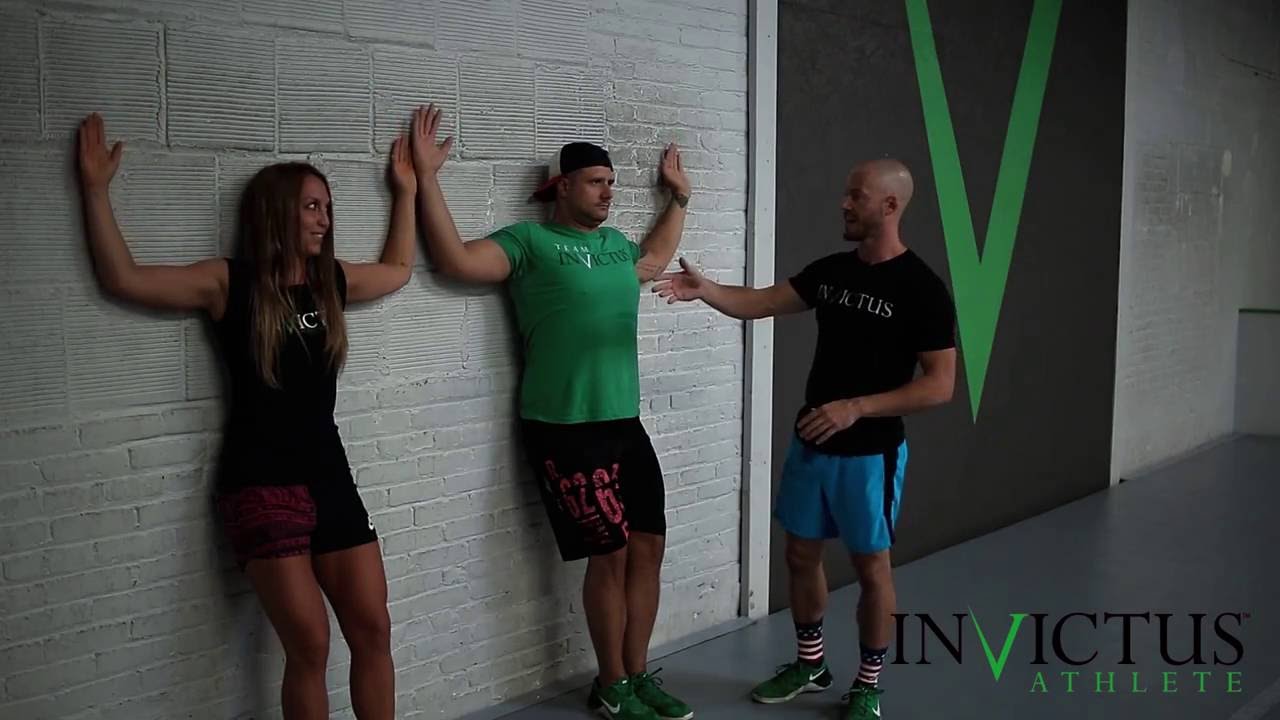
While this exercise is doable for most people, you should still check in with your medical team before trying anything new. If you’ve just started to work out regularly, consider meeting with a certified personal trainer to ensure you’re performing the movement correctly.
- Stand about a foot away from a bare wall, facing away from it.
- Lean back onto the wall.
- Bend your knees slightly.
- Engage your core and gently press your lower back into the wall.
- Place your arms against the wall, with your elbows bent at 90° and forearms vertical, palms facing forward.
- Slowly slide your arms overhead, keeping your wrists, elbows, forearms and shoulders in contact with the wall.
- Reverse the movement of your arms back to the start.
- Continue for the desired number of reps.
Start with one set of 5-8 reps, then in subsequent workouts gradually work your way up to 10-12 reps once you’ve improved your mobility and built up some strength. Wall slides are safe to do daily, but aim to try them 3-4 times a week at first.
Trainer tips: Don’t let the lower back arch away from the wall, if any body part lifts away from the wall reduce your range of motion until you can maintain a neutral wrist position. Relax your shoulders. Keep your rib cage drawn in throughout the movement.
Benefits of wall slides
Wall slides have a dual purpose: they stretch the pecs and anterior deltoids, while strengthening the rhomboids and rotator cuff muscles. These areas are commonly tight and weak in those who sit for most of the day, or spend an extended amount of time on mobile devices and computers.
Doing wall slides regularly can improve posture, reduce aches and pains, and prevent injury.
