





A physical therapist says to ditch the back braces and fix bad posture with these three moves instead
Back braces may seem like an easy fix, but they don’t address the root causes


If you’ve been thinking about using a back brace to help you sit a little taller, you may want to think again.
Mallory Behenna, PT, DPT, an orthopedic physical therapist with Brooks Rehabilitation, says that back braces may provide temporary relief but they won’t correct poor posture.
“While posture braces or belts might feel like an easy fix, it’s actually doing the work for your muscles rather than training and strengthening them,” she says. “They can be helpful in the short-term in an acute pain state, but long-term use is not recommended as it can contribute to core weakness and increased postural impairments.”
Instead, Behenna suggests doing the following three exercises every day to realign the spine naturally.
“Real, lasting postural correction comes from strengthening your core, hips and back muscles, building your very own internal muscular brace,” she says.
How to do the three exercises to fix bad posture
Before attempting any new activity, be sure to speak with your medical team. A certified personal trainer can provide guidance on proper form or provide modifications if necessary.
These exercises are appropriate for most fitness levels, but if you have any chronic injuries or conditions—especially in the hip, spine, or knees—get clearance from your doctor prior to starting this program.
You’ll need a yoga mat and a stable raised platform that’s four to eight inches tall, like a stepstool. You should also know how to engage your core.
Behanna recommends doing these exercises daily, but if you’re a beginner, aim for three to four times a week. As you build strength and endurance, gradually add days until you’re doing them five to seven times a week.
She also suggested time and rep ranges for each exercise. Beginners should consider starting at the lower end of the ranges, slowly increasing the difficulty as you get stronger.
1. Plank
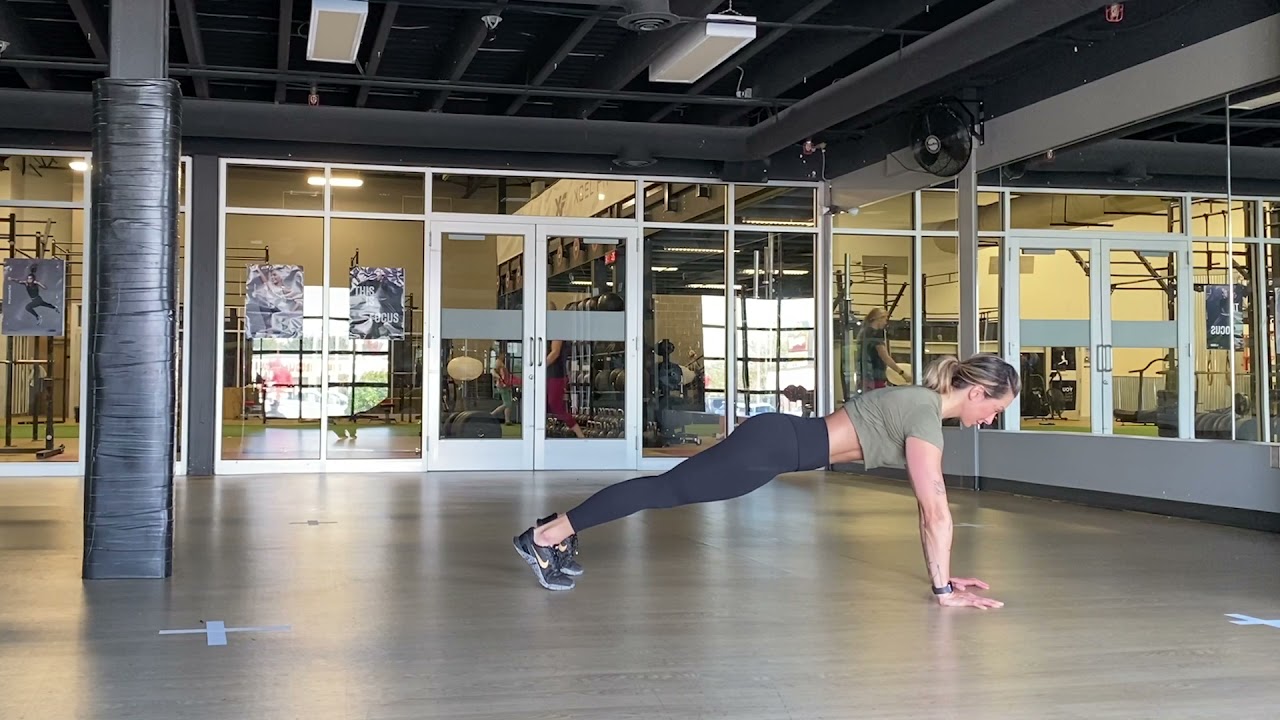
Time: 15-60sec
“Planks work your core stability and endurance, which helps with overall balance and stability as well as protecting your spine,” says Behenna. “Don’t let the hips come up too high or sag down too far. Aim to stay in position for 60 seconds and then set longer goals over time.”
How to do it:
- Get on your hands and knees.
- Engage your core.
- Step your feet behind you.
- Hold your body in a straight line from head to heels.
2. Step-up

Sets: 3 Reps: 10-15 each side
“Step-ups require you to use one leg at a time, which can reveal underlying asymmetries of strength,” says Behenna. “All of us have a preferred or stronger side, but working to promote symmetry as much as possible can help prevent prolonged overuse of one side, which can lead to other problems down the road. Use hand supports on a railing/counter if you feel imbalanced. To make this movement more challenging, you can bring your knee toward your chest as you step up.”
How to do it:
- Stand in front of a stable, raised platform.
- Engage your core.
- Place your left foot onto the platform.
- Push through your left foot to extend your left leg and bring your right foot onto the platform.
- Pause briefly.
- Step your left foot behind you onto the floor.
- Step your right foot back to the floor.
- Do all your reps leading with your left foot, then switch sides.
3. Side-lying hip abduction
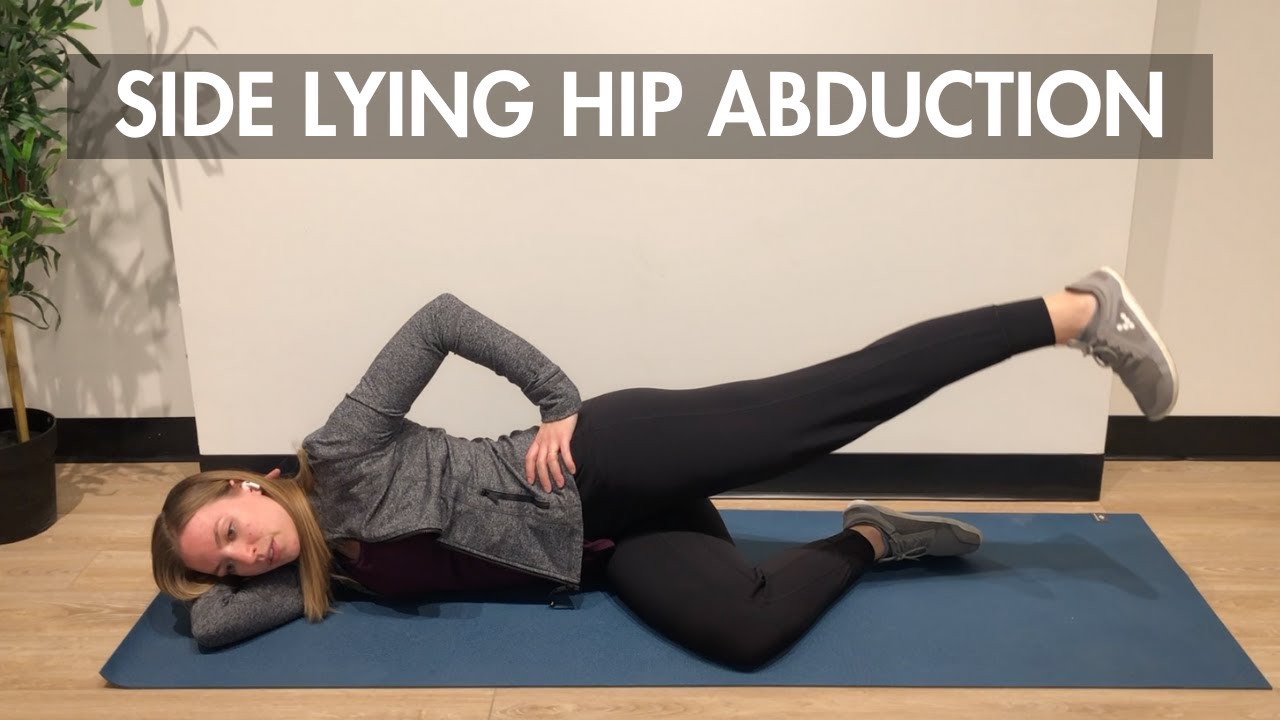
Sets: 3 Reps: 10-15 each side
“Hip abductors work to stabilize and keep the pelvis level when walking,” Behenna says. “When doing side-lying hip abduction, be sure to isolate the motion to the hip. You can make sure you are doing this by keeping one hand on the top of the pelvis (iliac crest) and making sure the pelvis does not hike up towards the rib cage when lifting the leg.”
How to do it:
- Lie on your left side.
- Engage your core.
- Bend your left knee and extend your right leg, keeping your hips vertical.
- Lift your right leg, moving from your hip.
- Hold briefly.
- Lower your right leg to the starting position.
- Do all your reps on one side, then switch sides.
Avoid these four harmful habits that impact posture
In addition to strengthening the appropriate muscles, Behenna suggests avoiding these four common practices that could be sabotaging your posture work.
1. Doomscrolling
Too much screen time can lead to a condition called tech neck—pain that occurs as a result of improper positioning and repetitive strain. Behenna warns that those hours spent hunched over your phone or computer have long-lasting effects on the spine, nerves, and muscles.
“Rounded shoulders can cause and increase neck pain because the muscles that control the shoulder blade are not able to activate in this position,” she says. “This causes the muscles on the top of the shoulder blades going into the neck to have to work harder to hold the arms in place, leading to tightness, limited range of motion, neck pain and headaches.”
2. Carrying heavy bags only on one side
If done with poor form, carrying a heavy purse or bags on one side of your body can result in postural imbalances.
“Holding a very heavy weight on just one side can be beneficial when done correctly; we even use it as an exercise,” Behenna says. “However, it can also be detrimental if you cannot maintain a neutral position against the weight. This puts more stress on the neck, shoulders, thoracolumbar spine and core muscles, which can cause or exacerbate pain.”
3. Sleeping on your stomach
If you’re a stomach sleeper, it may be time to start flipping over. Behenna says that it’s much safer to sleep on your back with pillows supporting your neck in a neutral position.
“I actually love sleeping on my stomach; it is by far my most comfortable position,” she says. “But sleeping on the stomach puts the neck at the end-range of rotation and holds it there for hours, causing more strain on the muscles, joints, and discs in the neck. It can also potentially affect blood flow depending on the range of motion held.”
4. Using the wrong keyboard
You may think that all keyboards are created equal, but that’s not the case. Behenna says that two-thirds of Americans use a keyboard for their job, and that the wrong size can cause carpal tunnel, repetitive strain injury and even spinal dysfunction.
“If it’s too wide, it can cause your posture to be off-center and cause strain, which is commonly seen in people using large gaming keyboards,” she says. “On the other hand, if it’s too small, this can cause shoulder and chest strain. To avoid this, adopt an ergonomic office setup that supports your frame and size.”

Mallory Behenna, PT, DPT, is an orthopedic physical therapist in the Brooks Rehabilitation Outpatient Division. She received her doctorate in physical therapy from UAB School of Public Health, Birmingham, Alabama, and completed a two-year residency in manual therapy techniques at the Institute of Physical Art in McKinney, Texas. Behenna has experience managing cases for general orthopedic, post-operative, neurological, vestibular, pediatric, geriatric and sports medicine conditions.
