


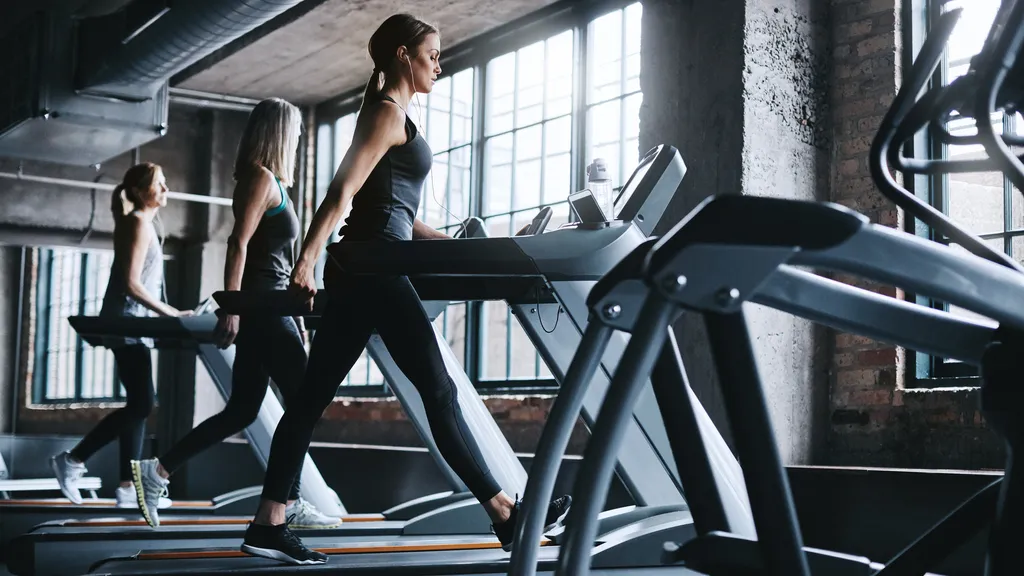


If you have sore shoulders, you may be overusing this muscle—here are two exercises a physical therapist recommends to improve mobility and stability
These moves are great for anyone who spends hours working at a desk


Have you ever spent too much time hunched over your phone or computer, only to find your shoulders sore and achy when you straighten up again?
This used to happen to me almost daily.
I’d close my laptop, stand up, have a big stretch and let loose an ungodly groan as my shoulders uncrumpled for the first time in hours.
It’s a common complaint according to Dr Andrew Gorecki, a licensed doctor of physical therapy and owner of MovementRX.
“I often see this, not only with patients who have tight muscles, but also those who do not control their scapula [shoulder blade] well enough,” he says. This causes his patients to “rely too much on their upper trapezius muscle.”

This can happen when the lower stabilising muscles, which hold the scapula in place, are weak due to poor posture, sedentary living or slouching during long bouts of sitting. Imbalanced training or injury can also be factors.
So, Gorecki focuses on improving mobility and stability in the area to take the pressure off the overused upper trapezius muscle.
He recommends trying the following exercises if you experience sore shoulders or spend long periods working at a desk.
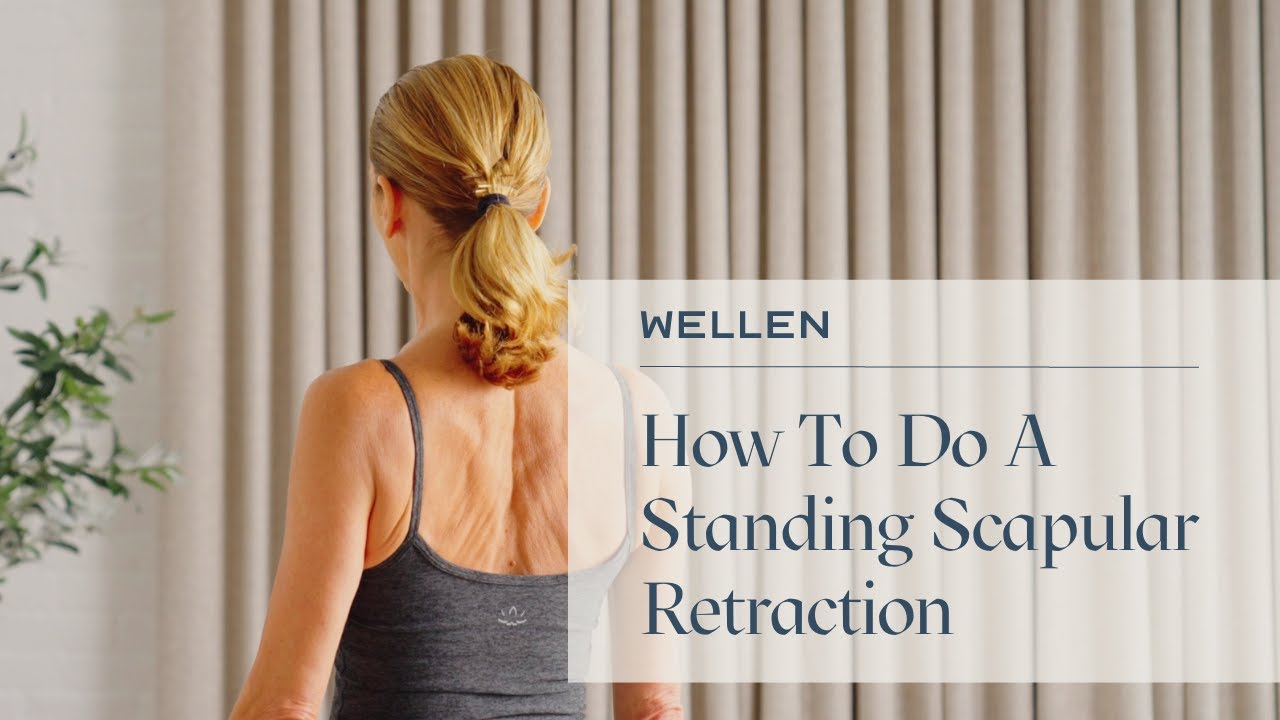
1. Scapular retraction
Reps: 12-15
- Sit or stand up straight.
- Engage your core, gently move your shoulder blades down and back, as if you’re aiming to put them in your back pockets.
- Hold this position for 3 to 5 seconds—try not to puff out your chest.
- Relax back to the starting position.
Gorecki says: “This exercise is great for reducing upper-trap dominance, making it ideal for desk jockeys.”
2. Wall slide with lift-off

Reps: 8-12
- Stand in front of a wall, with your feet about half a foot away from the base.
- Place your forearms on the wall, with your palms facing.
- Engage your core, then slide your forearms up, bringing your shoulders towards the wall and making sure your back doesn’t arch.
- When your arms are extended overhead, lift your arms away from the wall.
- When you feel a squeeze in the shoulders, return to the wall and slide back to the starting position.
Gorecki says: “This exercise encourages upward rotation of scapulas while keeping impingement stress low.”

Gorecki develops and implements Remote Therapeutic Monitoring (RTM) solutions to improve patient engagement and adherence to home exercise programs. He is also the owner of Superior Physical Therapy, an outpatient orthopedic private practice in Northern Michigan, and the founder of MovementRx, a digital health platform designed to enhance clinical efficiency and patient outcomes in physical therapy.
