If you experience hand pain from desk work, a certified hand therapist says you should do these three exercises
Relieve stiffness with these three gentle exercises


If you can type over 100 words per minute (WPM), you are one of the elite few.
I write for a job and top out at about 80WPM (not mentioning all the typos).
Unfortunately, this skill can lead to issues with hand and finger strain.
Despite today’s computer keyboards needing almost no pressure to press a key (those who remember early word processors or even typewriters will know what a step up this is), the muscles and tendons in your hands still need to work hard in a repetitive manner.
Whatever your WPM score, day-long typing or texting translates to hundreds of thousands of finger motions in a single day.
If you end your working day by plugging in a game console or pulling out the gardening tools to unwind with gardening tasks, you may be compounding the problem.
“Common causes include repetitive activities such as typing, texting, gripping tools, sports, gardening or other everyday tasks that place stress on the hands,” says Dr Joseph Sharaya, a certified hand therapist and occupational therapist at ATI Physical Therapy.
“Pain can also result from tendon irritation, joint stiffness, arthritis, nerve irritation or minor injuries,” he adds.
Sharaya recommends incorporating the following three exercises into your day to promote gentle movement and ease general soreness or stiffness.
“They are not intended to diagnose the cause of pain or replace individualized medical care. The best treatment approach depends on the underlying cause of your symptoms.”
Sharaya says that if your pain follows an injury, continues to worsen, doesn't improve after several days or begins interfering with everyday activities such as writing, gripping, dressing, cooking or work tasks, it's a good idea to seek medical attention.
“You should also be evaluated if you experience severe pain, significant swelling, visible deformity, loss of movement, numbness, tingling, weakness, or fingers that lock or catch when moving.”
1. Active hook exercise
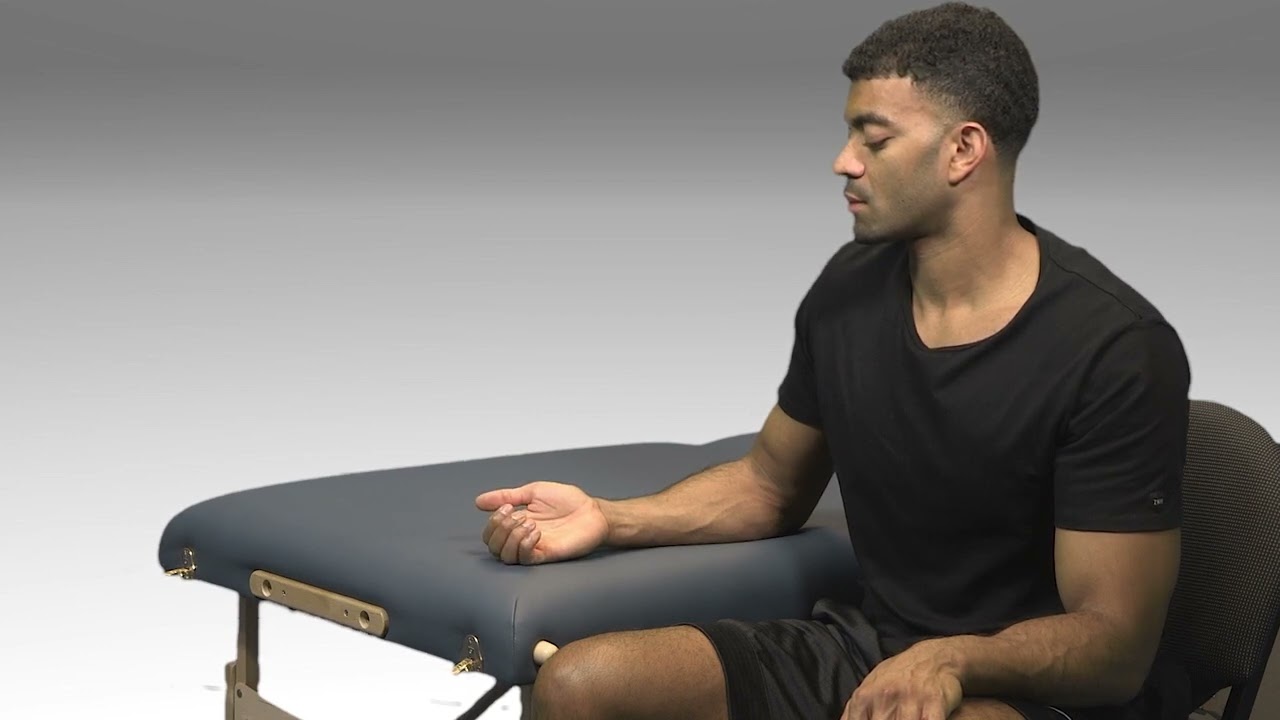
Sets: 1-3 Reps: 5-10 each side
“The hook fist helps the tendons in your fingers move smoothly without requiring a full grip,” says Sharaya.
“It’s a gentle exercise that can help reduce stiffness, improve finger mobility, and encourage comfortable movement when your hands feel sore or tight.”
Targets: The tendons that help bend the fingers, particularly those responsible for bending the middle and tip joints.
How to do it:
- Sit with your forearm resting on a surface, palm facing up.
- Start with your fingers extended.
- Curl just the first and second joints of your fingers into a half fist.
- Hold briefly, then slowly straighten your fingers back to the starting position.
- Complete all reps on one hand, then repeat on the other.
Form tip: Move smoothly with control and stop if you experience any sharp pain.
2. Flexor digitorum superficialis blocking exercise
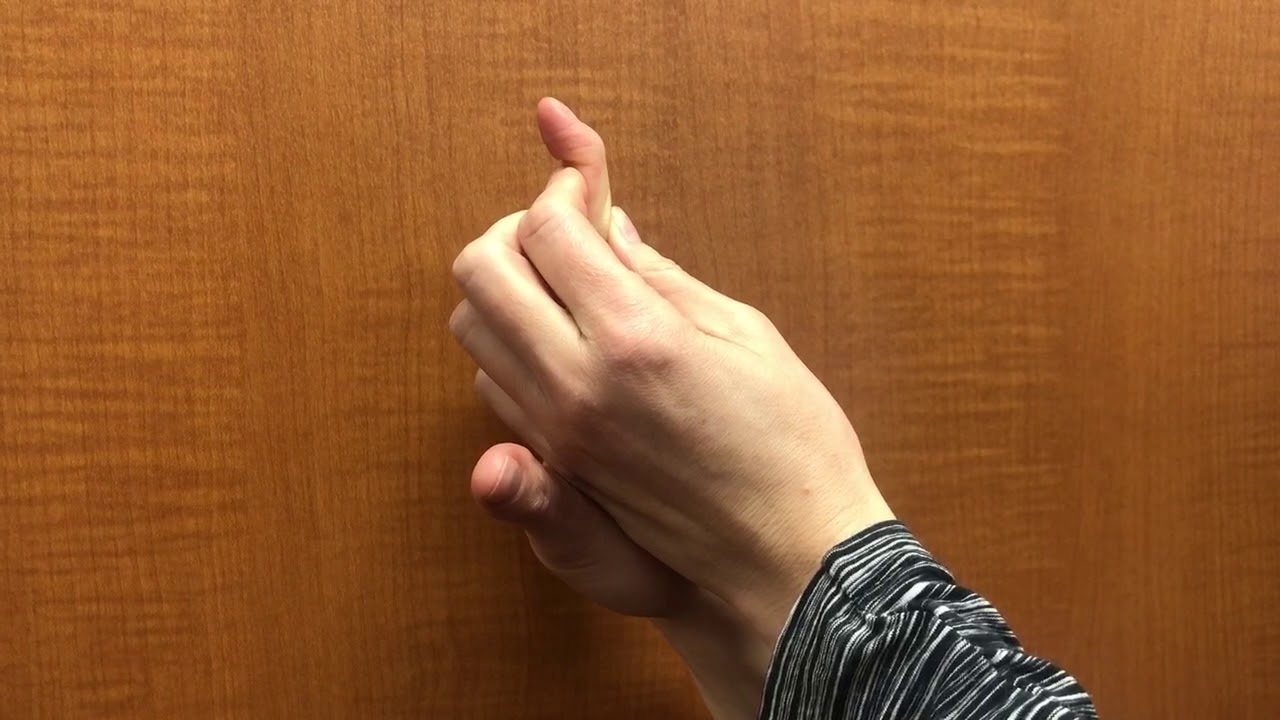
Sets: 1-2 Reps: 5-10
“This exercise helps improve movement in the middle joint of the finger and can be especially helpful for stiffness or mild discomfort. It allows you to focus on moving one finger joint at a time,” says Sharaya.
Targets: The flexor digitorum superficialis is a muscle-tendon unit that helps bend the middle joint of your finger.
How to do it:
- From a seated or standing position, hold your target finger across the middle joint and under the first crease.
- Keeping your other fingers straight, slowly bend the first joint (at the tip) while holding the lower part and other joints still.
- Pause briefly, then straighten your finger again.
- Work through all reps on each finger, then switch hands.
Form tip: Avoid squeezing hard or pushing to the point of pain.
3. Flexor digitorum profundus blocking exercise
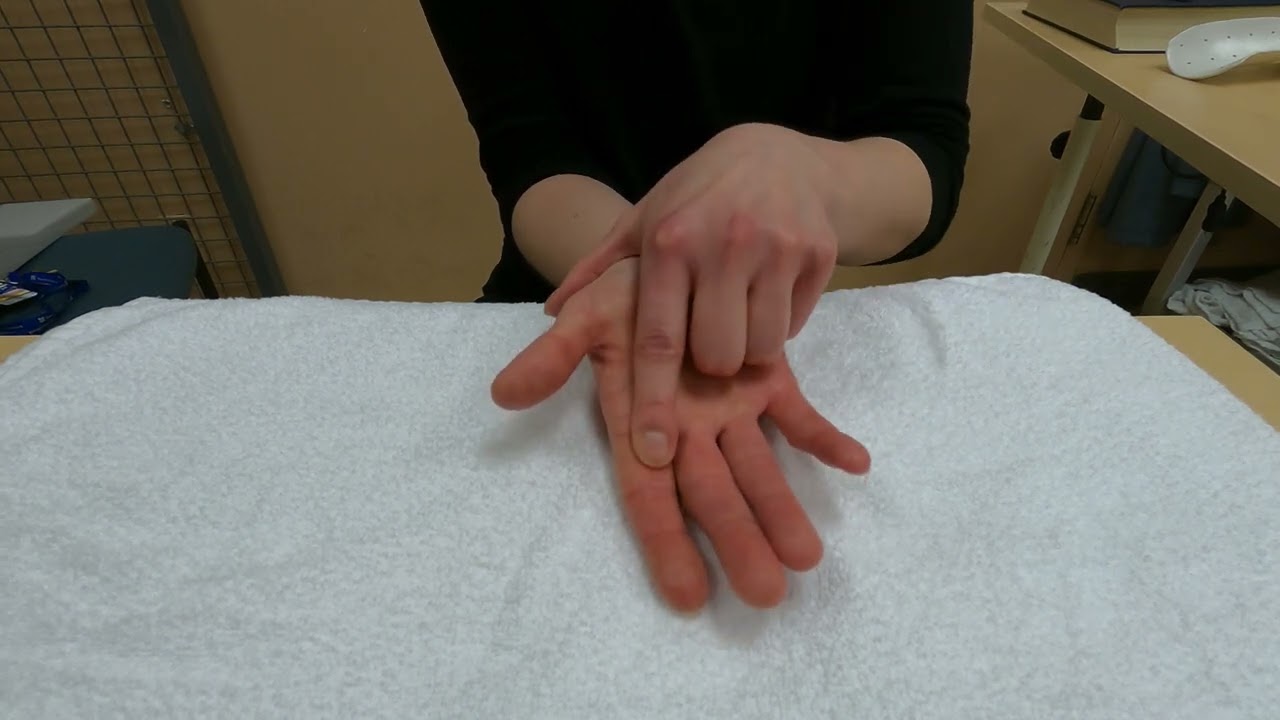
Sets: 1-2 Reps: 5-10
“This exercise targets the tendon that bends the fingertip and can help improve finger mobility, reduce stiffness, and encourage comfortable movement of the hand and fingers,” says Sharaya.
Targets: The flexor digitorum profundus is the tendon responsible for bending the fingertip joint.
How to do it:
- Sit with your hand resting on a surface, palm facing up and your fingers straight.
- Hold and stabilize your target finger below the middle joint.
- Keeping your other fingers straight, slowly bend at your middle joint curling your finger toward your palm.
- Pause briefly, then slowly straighten your finger again.
- Work through all reps on each finger, then switch hands.
Form tip: Move through a comfortable range and avoid forcing painful motion.

Joseph Sharaya is an occupational therapist and certified hand therapist (CHT). He is a specialist in the evaluation and treatment of hand and upper-extremity conditions.
He earned his doctorate in occupational therapy from Indiana Wesleyan University in 2019 and his bachelor’s degree in movement and sports sciences from Purdue University in 2015.
The CHT credential is an advanced certification for occupational and physical therapists who specialize in treating conditions affecting the hand, wrist, elbow, and upper extremity. Earning the designation requires years of clinical experience and successful completion of a rigorous certification exam, reflecting advanced expertise in hand therapy and upper-extremity rehabilitation.
