
As you get older, you may well find stiffness creeping into parts of your body. Stretching can help, but strength work is also necessary if you want to get back to moving with ease.
To help you get started, I turned to Heike Yates, a certified Pilates coach, personal trainer and midlife fitness expert, who specializes in helping women in their 50s, 60s and beyond build strength, stability and confidence in their body.
With more than 40 years of experience, she uses realistic, joint-friendly movement to support people in everyday life.
Her 10-minute routine below works on your core strength, posture and overall mobility.
“This routine focuses on gentle core activation, back support, and functional strength to reduce stiffness and support everyday movement,” Yates explains.
“This workout is ideal for women who feel weaker, stiff, or unsure where to start, and can be done three to four times per week to build consistency without strain.”
Each move comes with a modification, making it totally beginner-friendly.
How to do the 10-minute workout
You’ll need an exercise mat, a resistance band and a wall. Some of the modified moves also require a chair.
1. Breathing and posture reset
Reps: 5
- Sit or stand upright and relax your shoulders.
- Inhale deeply into your ribs and extend your spine.
- Exhale slowly while gently drawing your abdominals inward.
2. Seated half roll-down
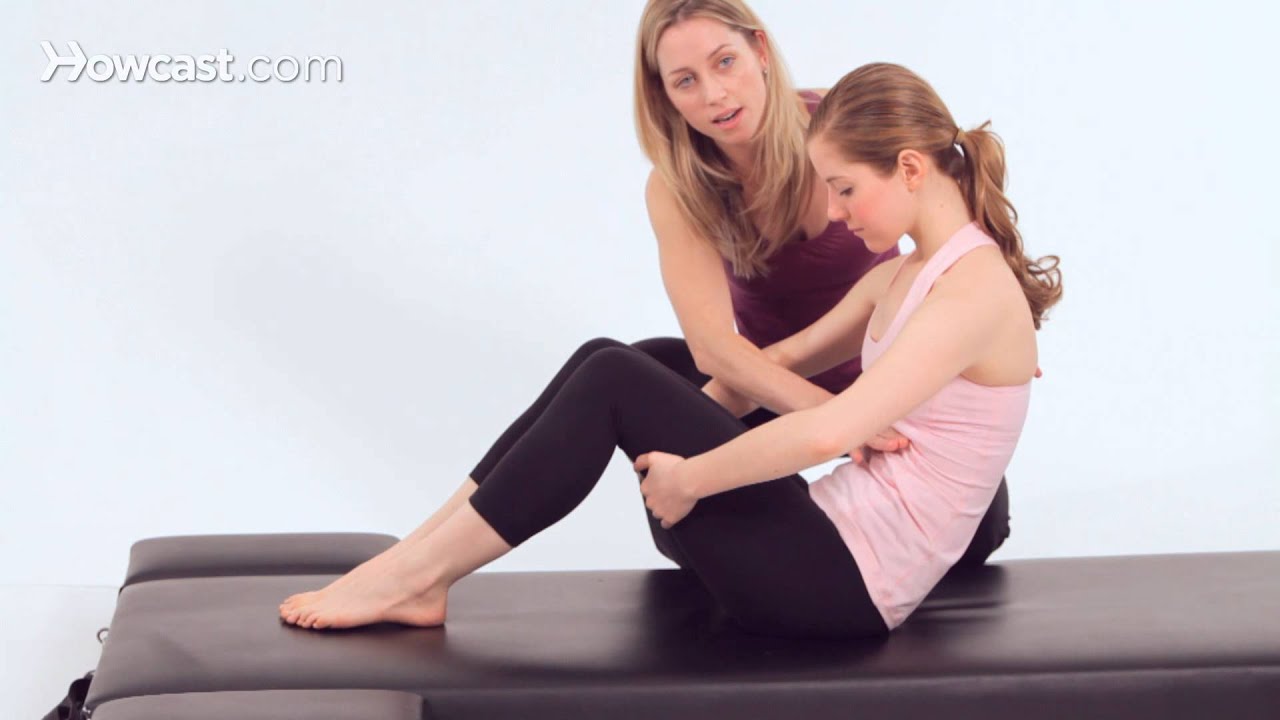
Reps: 6-8
- Sit upright near the edge of a chair or on the floor with your legs extended.
- Reach your arms forward at shoulder height.
- Gently draw your lower abdominals in, carefully round your back, tuck your chin, and lean your torso back with control.
- Pause, then exhale as you return to an upright position.
Make it easier: “Keep the movement smaller if your lower back feels strained,” Yates says.
“If sitting with straight legs feels challenging, slightly bend your knees or loop a resistance band around your feet and hold the ends for added support during the roll back.”
3. Lying side kick
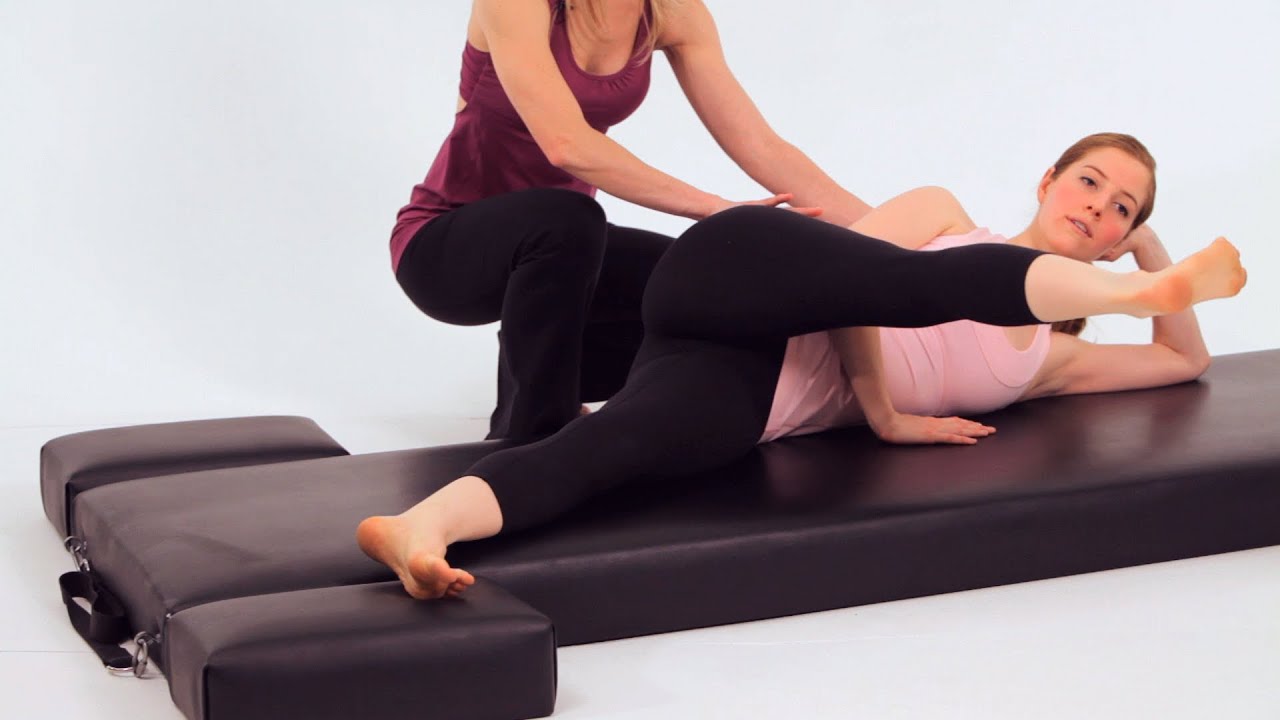
Reps: 8 each side
- Lie on your left side, with your body forming a straight line from your shoulders to your feet.
- Bend your left knee leg for support if needed
- Engage your core to help stabilize your body.
- Raise your right leg to hip height.
- Moving from your hip, sweep your right leg in front of you, then behind you.
- Do all your reps, then swap sides.
Make it easier: "Keep the kicks small if balance or hip mobility feels limited," advises Yates.
"This exercise can also be performed standing while lightly holding onto a chair," Yates says.
4. Shoulder bridge
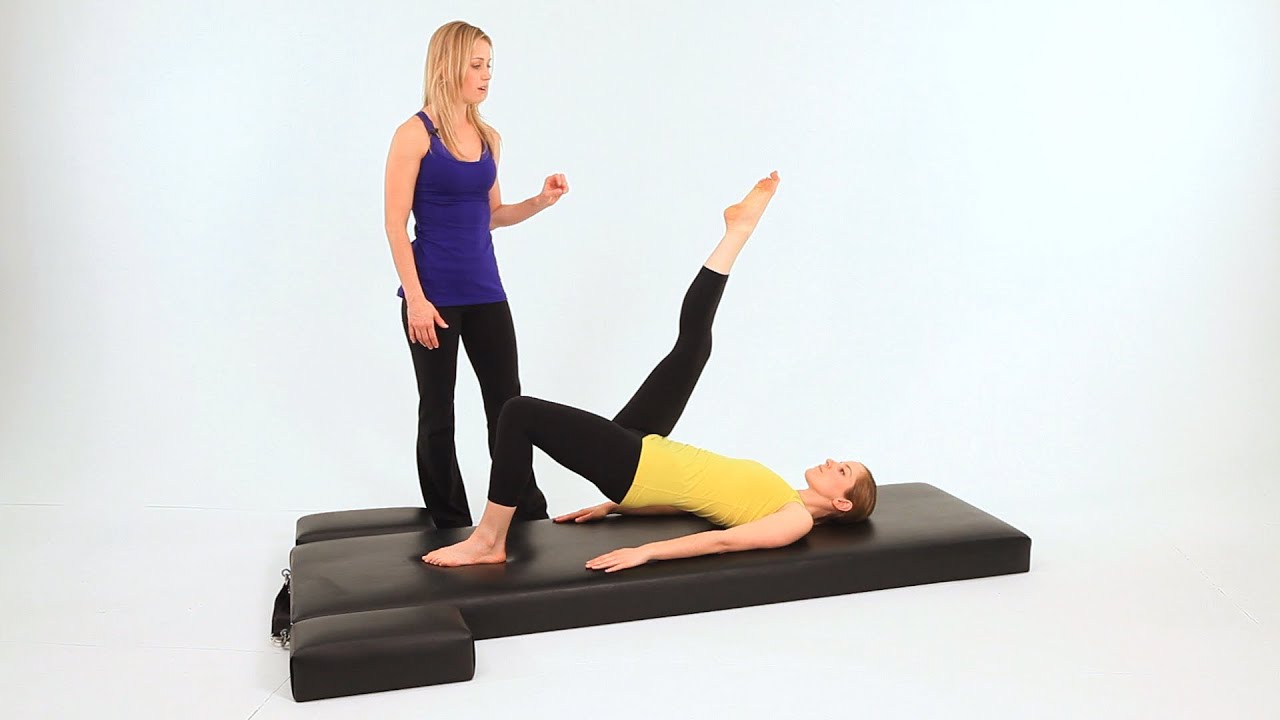
Reps: 5-8
- Lie on your back with your knees bent and your feet flat on the floor hip-width apart.
- Push through your feet to slowly raise your hips, peeling one vertebra off the floor at a time, starting from the base of your spine.
- Pause when your body is in a straight line from your shoulders to your knees.
- Slowly lower with control.
Make it easier: “Lift your hips only as high as it feels comfortable and place a pillow under the head if needed,” says Yates.
5. Forward spinal stretch
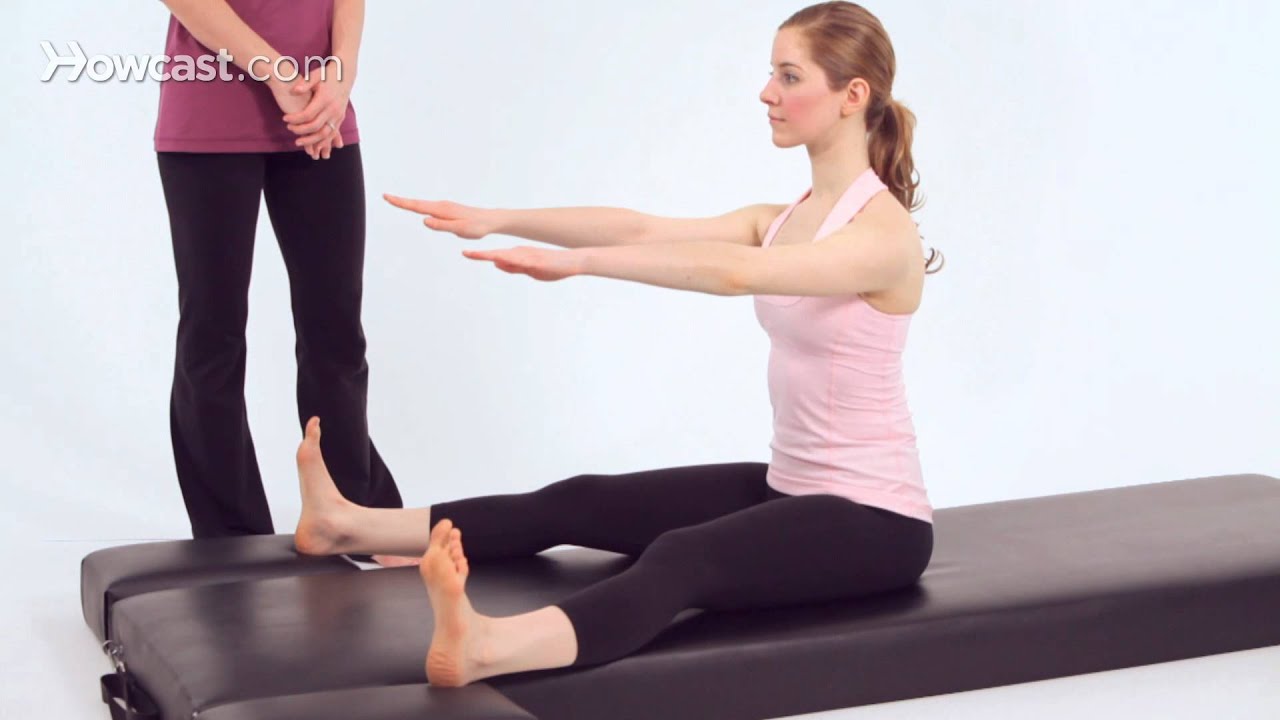
Reps: 5-6
- Sit with your back resting against a wall, with your legs extended in front of you, a comfortable distance apart.
- Extend your arms forward at shoulder height.
- Exhale as you gently curl your spine forward, starting from the top of your spine, as if you were reaching forward over a large ball.
- Inhale as you return to sitting upright.
Make it easier: “This exercise can also be performed seated in a chair,” Yates says. “You can also bend your knees slightly if your hamstrings feel tight.”
6. Seated resistance band row
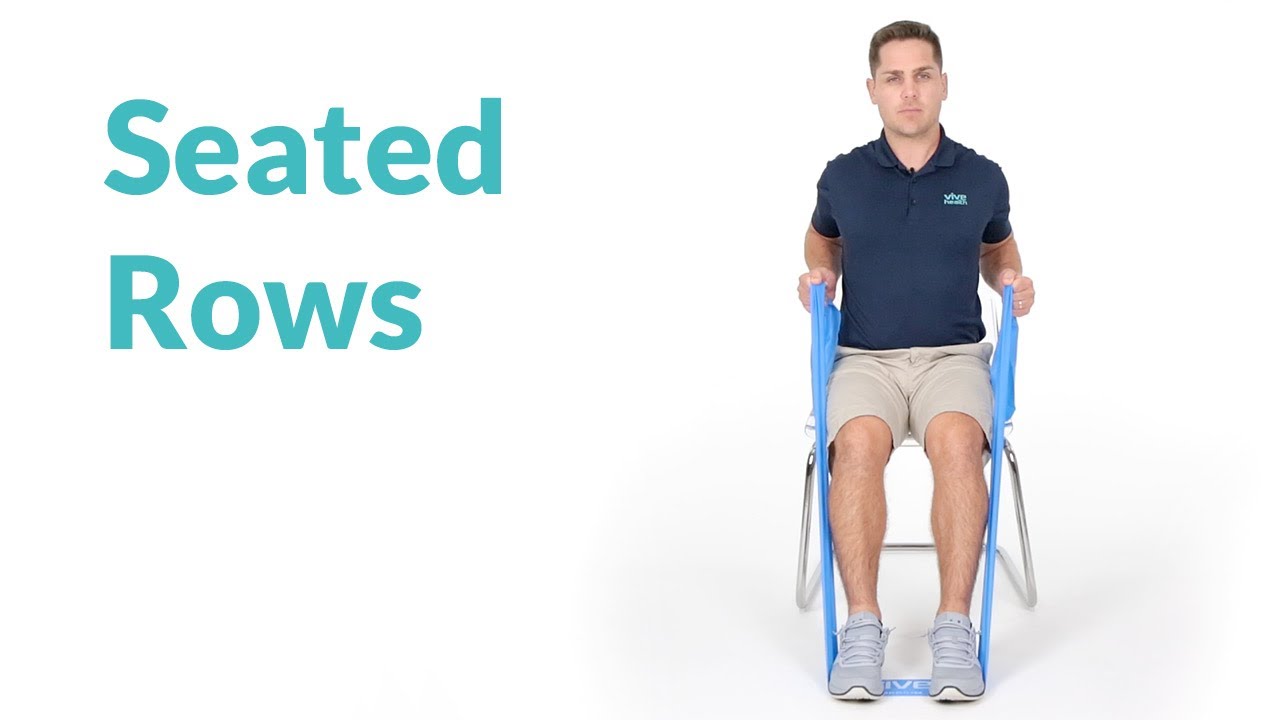
Reps: 10
- Sit on the floor or in a chair with a resistance band under the soles of your feet.
- Hold the ends of the band with your arms extended, so there is light tension in the band.
- Pull the band to your chest, bending your elbows and drawing them past your torso.
- Slowly return to the starting position with control.
Make it easier: “Use a lighter band or reduce tension if the shoulders feel tight,” Yates says.