





These three moderate-impact activities are actually beneficial for bone strength and osteoporosis, according to a physical therapist
Prevent bone loss without high-impact exercise


High-impact activities like running and jumping are often labeled as bad for your joints.
But depending on your health history, a few moderate-impact exercises could actually be beneficial for your body, specifically for building bone strength.
“Bone is living tissue that adapts to what you ask of it,” says Kelton Cullenberg, a physical therapist, running coach and co-founder and CEO of Steady State Health.
“When you load it with impact and quick changes of direction that are more than it's used to, it responds by building more density and getting stronger over time.”
He notes that doing three moderate-impact exercises—heel drops, skater jumps and jogging in place—can proactively protect vulnerable areas.
“[These moves] send force up through your legs, hips and spine, which are the exact places osteoporosis tends to cause issues,” says Cullenberg.
These exercises don’t require any equipment, so give them a try during your next workout.
How to do three bone-building exercises
“If you already have diagnosed osteoporosis or a history of fragility fractures, it's best to first get cleared by your doctor or a physical therapist,” notes Cullenberg.
He also says that these exercises may not be appropriate for more advanced fitness levels.
“Bone only adapts to a load that is greater than what it already handles,” he says.
“For a regular runner, jogging in place is already less than a normal run, so it likely won't add anything for their bones. If that's you, you would need to progress to something more demanding.”
For this routine, complete two sets of 10 repetitions for each exercise, three to four times per week. Increase to three sets and to five to seven times per week as you get stronger.
Cullenberg says that doing these moves nearly every day is much more beneficial than doing them a couple of times a week.
“And you need to stay with it for at least a few months before your bones have made significant changes,” he adds.
You should also be prepared to increase the challenge after a few months, if you want to continue building bone strength and density.
“These impact exercises should be a part of a larger routine that includes progressive strength training a couple days a week,” Cullenberg adds.
1. Heel drop
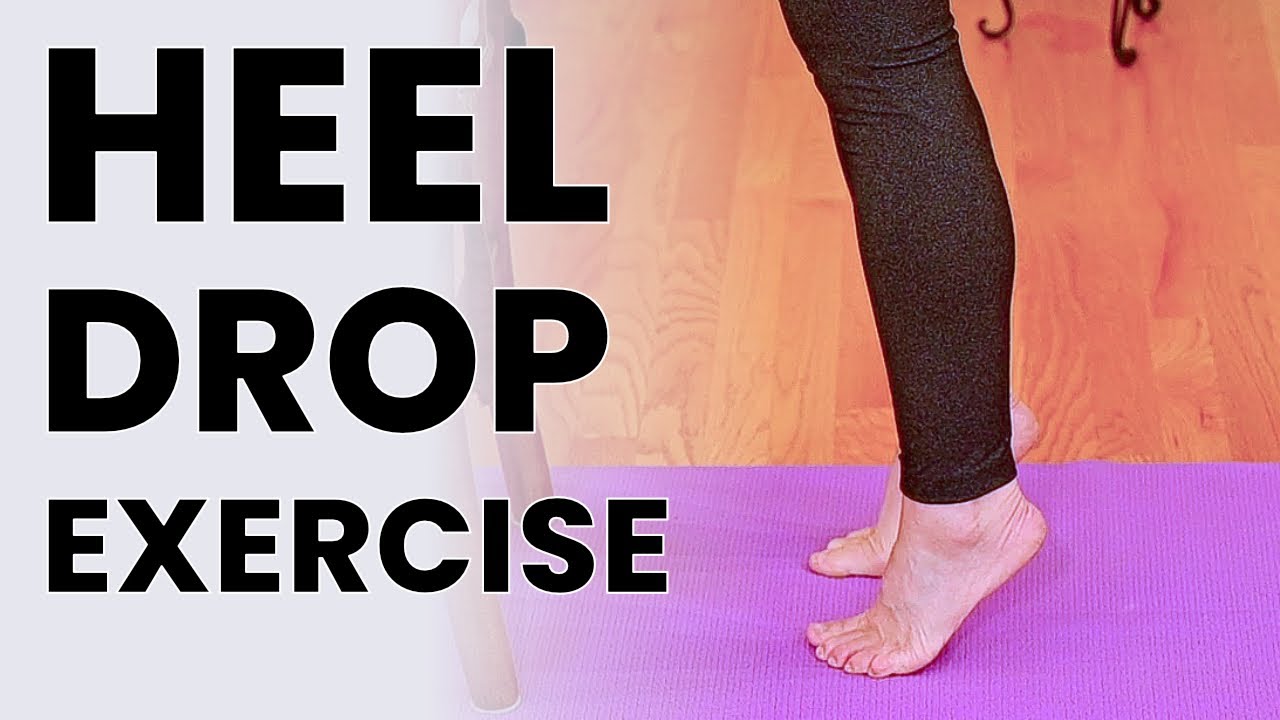
How to do it:
Sets: 2 Reps: 10
- Stand with your feet hip width apart.
- Place your hands on the back of a chair for support if needed.
- Engage your core muscles.
- Raise your heels, coming up to balance on your toes.
- Pause briefly at the top.
- Quickly drop your heels back down.
Tips: “The bone benefit comes from the drop itself, that firm thud traveling up through your legs, so let gravity bring your heels down quickly rather than lowering them slow and controlled,” says Cullenberg.
“If you lower them slowly, you've turned it into a calf raise, which is good for your calves but does much less for your bones. Keep your posture stacked and tall so the force can reach your hips and spine. Build the force of the drop up over a few weeks rather than going full-force on day one."
2. Skater jump
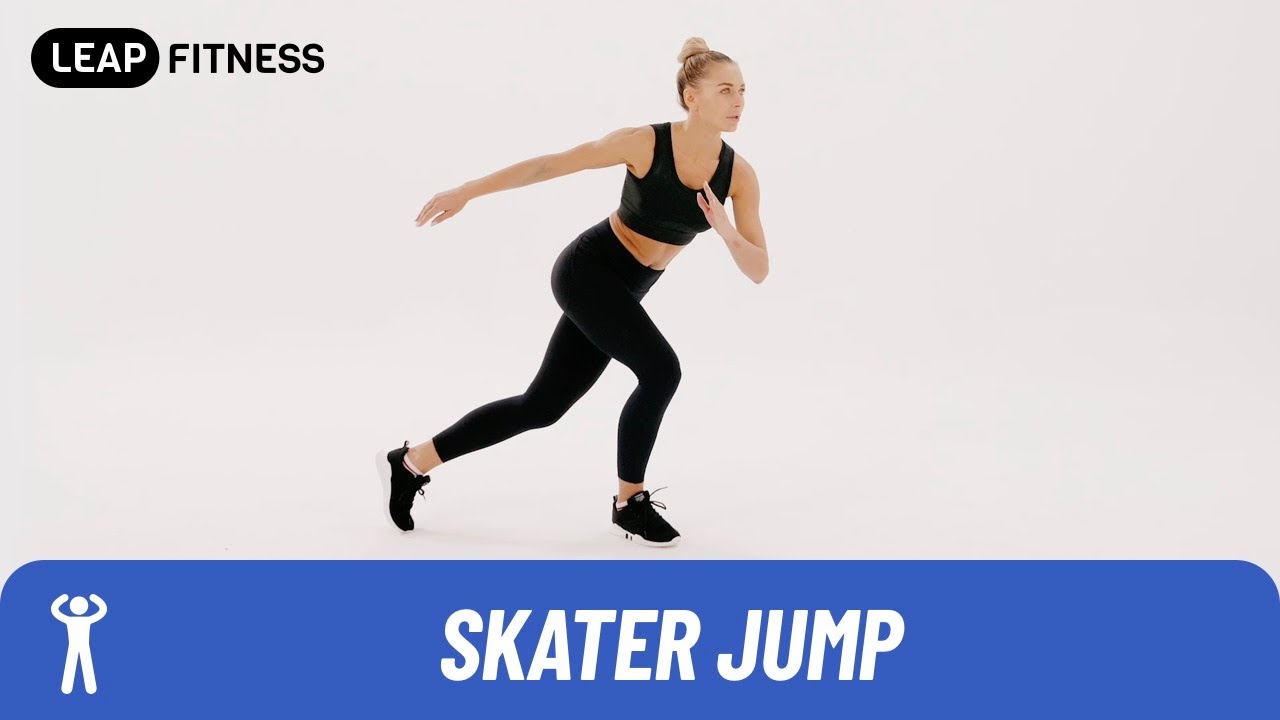
How to do it:
Sets: 2 Reps: 10 each side
- Stand with your feet hip-width apart.
- Hinge at your hips to push your buttocks back, keeping a slight bend in your knees.
- Jump onto your right foot, bringing your left foot behind you. Swing your arms to counterbalance, bringing your left arm in front and your right arm behind.
- Repeat on the other side and continue alternating.
Tips: “Push off sideways from one leg and land softly on the other, letting your hip and knee bend to absorb the landing,” Cullenberg advises.
“Start with small hops close together and build the distance as you get comfortable.”
3. Jogging in place
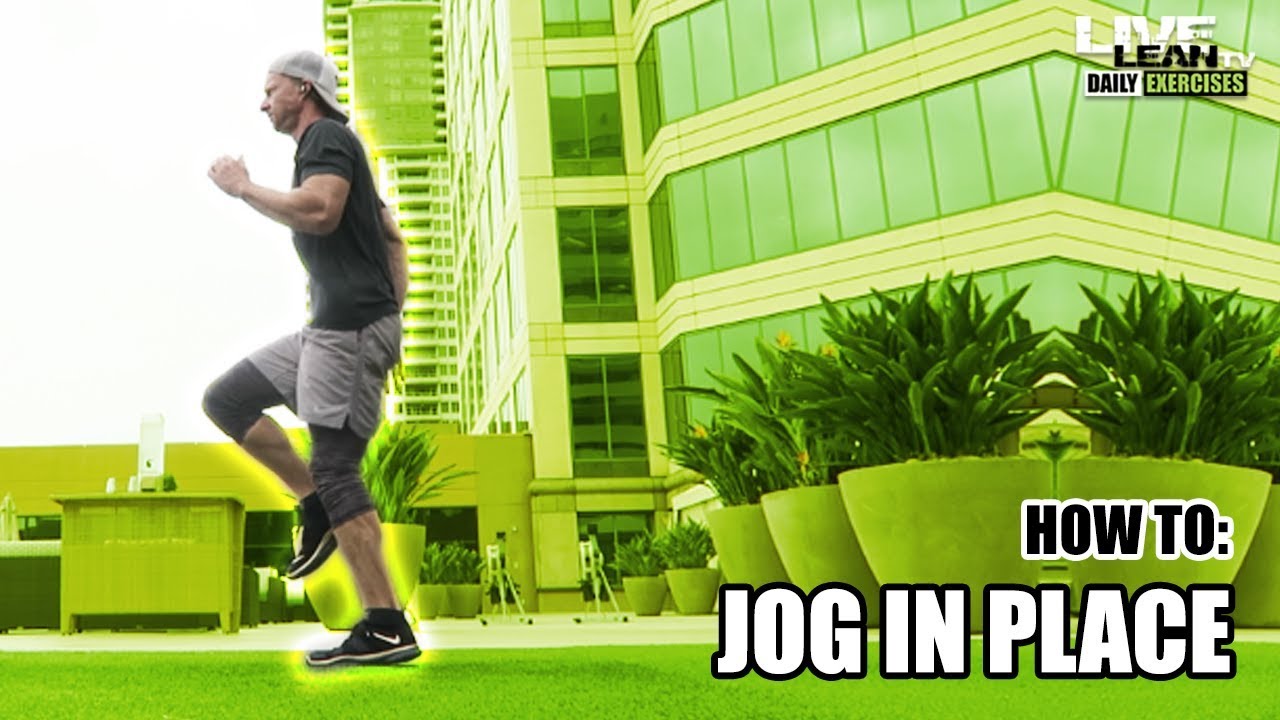
How to do it:
Sets: 2 Reps: 10 each side
- Stand with your feet hip-width apart.
- Place your hands on the back of a chair for support if needed.
- Raise your left foot, balancing on your right.
- Quickly switch feet to balance on the opposite side.
- Continue alternating quickly.
Tips: “Stay light and springy,” says Cullenberg. “Keep your posture tall, let your arms swing, and go for quick, easy turnover.”

Kelton Cullenberg, PT, DPT, is a physical therapist, running coach, and co-founder and CEO of Steady State Health, a performance physical therapy practice for runners and active people. He earned his Doctor of Physical Therapy from the University of New England in 2017 and was a three-time conference 5k champion and Division I NCAA Cross Country Nationals qualifier at the University of Maine.
