


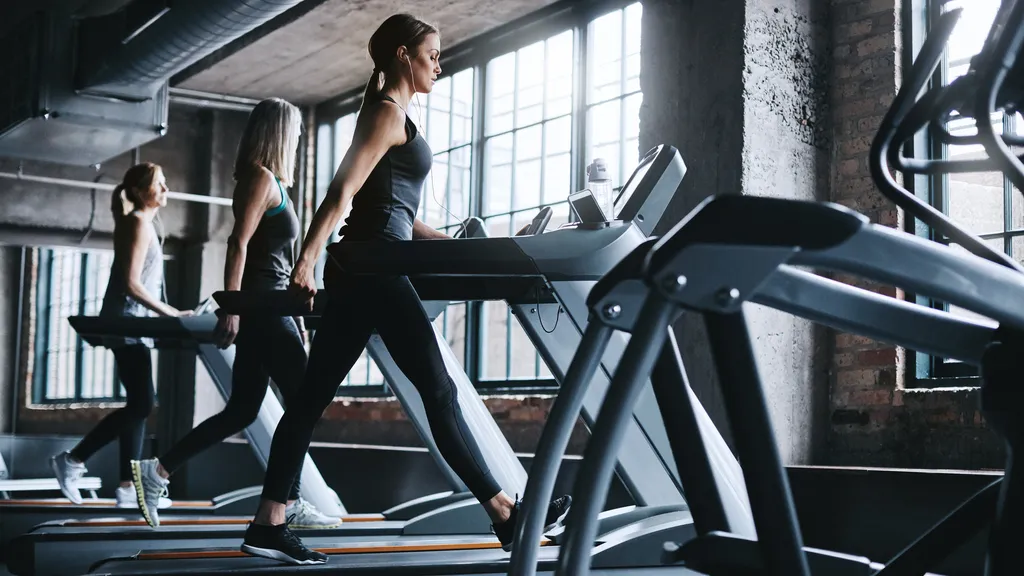


I’m a personal trainer and if you want to strengthen your walking muscles, I recommend these three exercises
Feeling unsteady? Boost your walking stability with just three moves


Walking is the one exercise I recommend to all my personal training clients, no matter their age. But for older adults, I add a few specific drills to help make walking feel easier.
Because often, it’s not stamina that declines with age; it’s balance and stability.
If you’ve ever hesitated going down a sidewalk curb or felt wobbly climbing stairs, it might be time to start boosting these skills with some dedicated exercises, like those below.
They mimic the way we naturally navigate obstacles, surface imbalances and crowds in our daily lives.
You don’t need any equipment to do them, just a sturdy chair or solid surface for support. Start by repeating them two or three times a week and build up to practicing every other day.
1. March and hold
Why it’s good: Raising your knees engages your hip flexors and quads, mimicking a normal walking stride. Holding your knee up works your core, glutes (buttocks) and calves to stabilize your body. The controlled pause builds proprioception (awareness of where your body is in space), helping you move and react more quickly in everyday life.
How to do it:
Time: 30-60sec each side
- Stand with your feet hip-width apart with a chair or sturdy surface for support by your side.
- Shift your weight onto one foot and raise your opposite knee to roughly hip height.
- Hold briefly, pressing through your balancing leg.
- Lower your foot and repeat on the other side.
- Keep your gaze fixed straight ahead.
Make it harder: Hold your knee up for longer or reduce your contact with your support.
2. Tandem stance balance
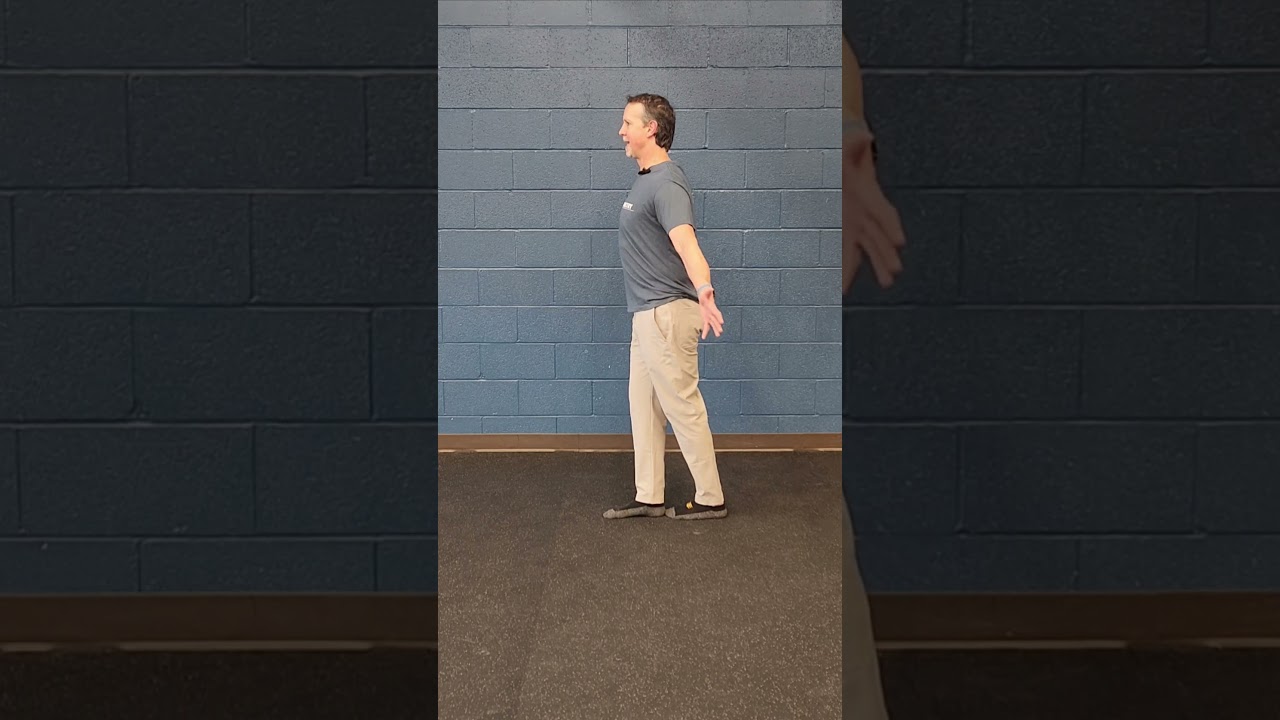
Why it’s good: This move narrows the base of your support, forcing your stabilizing muscles to work harder. Adding movement to this hold makes it harder and more reflective of how we travel through daily life.
How to do it:
Time: 30-60sec each side
- Stand with your feet hip-width apart with a chair or sturdy surface for support by your side.
- Place one foot directly in front of the other—your front heel should be touching your back toes.
- Extend your arms out by your sides, palms facing forward.
- Engage your core and leg muscles and keep your chest upright.
- Keep your weight even between both feet.
- Hold for 30 to 60 seconds, then repeat with your other foot in front.
Make it harder: If you feel comfortable, add an arm swing to mimic a natural, dynamic walking motion.
Make it easier: Widen your foot stance slightly so your base of support isn’t so narrow. Then add the arm swing.
3. Heel-toe tap
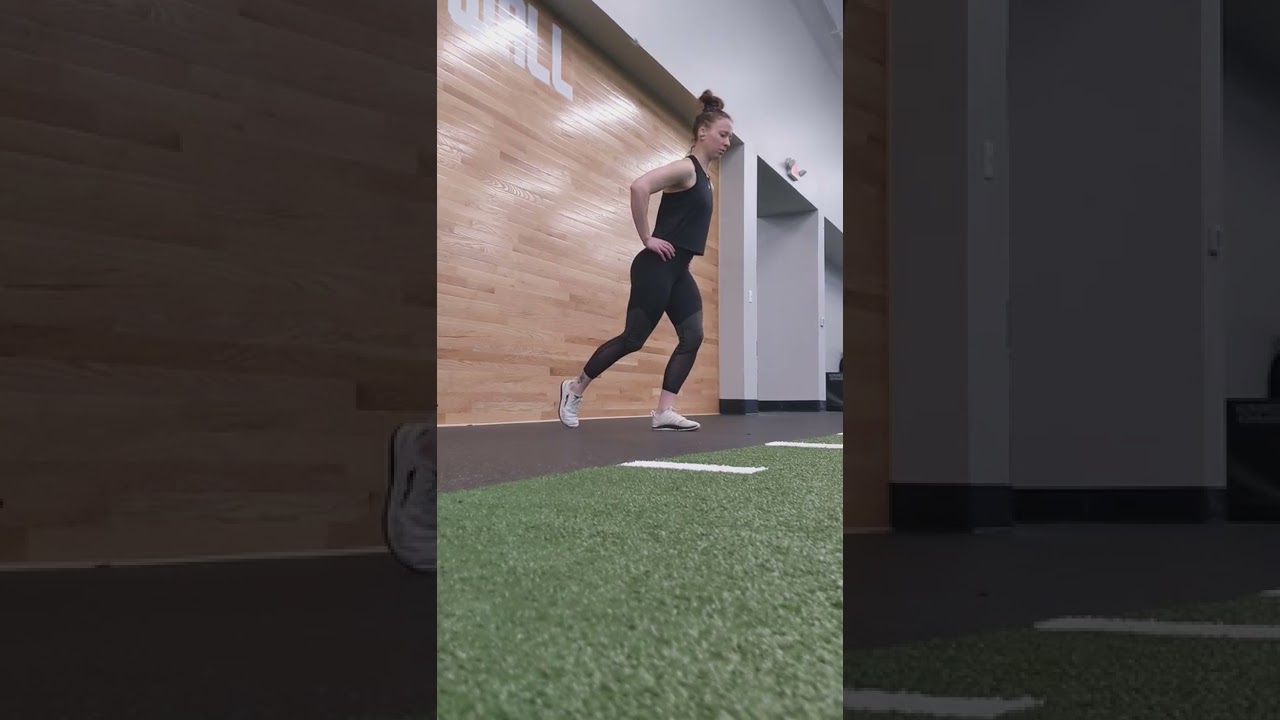
Why it’s good: Flexion and extension through your ankle mimic real-life stepping. While one leg is moving, your balancing leg is supporting your entire body weight, strengthening your quads, glutes and ankle.
How to do it:
Time: 30-60sec each side
- Stand with your feet hip-width apart, with a chair or sturdy surface for support by your side.
- Shift your weight onto one foot, keeping your balancing knee slightly bent.
- With your other foot, tap your heel on the floor in front of you, then tap your toes on the floor behind you.
- Engage your core and maintain a stable torso throughout the movement—only your leg moves.
- Complete all repetitions on one side, then repeat on the other.
Make it easier: Swap the heel-toe tap with a forward-backward step, which requires less balancing.
