


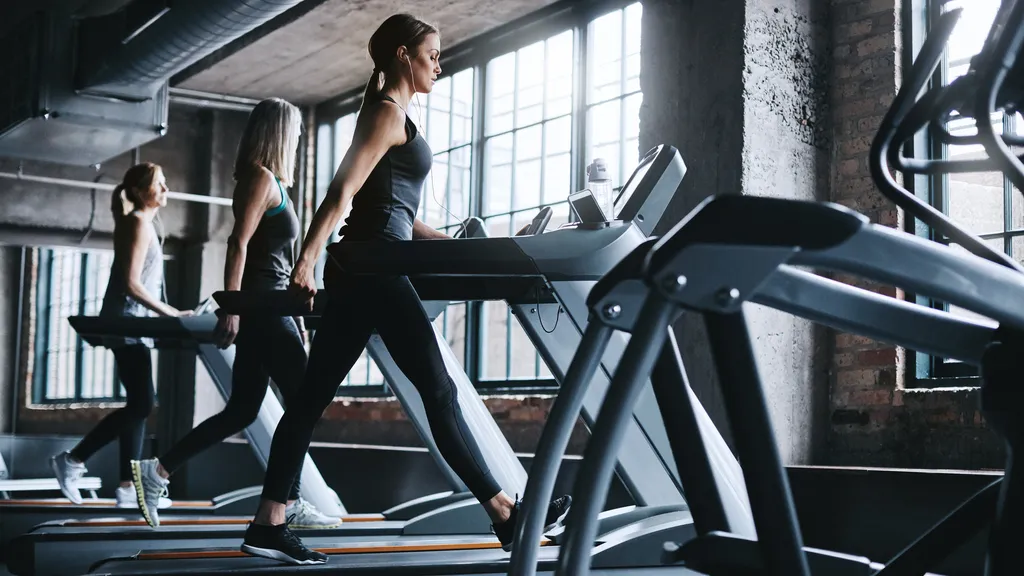


A trainer explains why your usual workouts become less effective in your 40s and 50s—and how to fix it
Three simple ways to avoid a midlife fitness plateau

Finding a workout routine that fits your goals and lifestyle is hard, so it’s all the more frustrating when that regimen stops delivering.
“I often hear from frustrated people who have been working out the same way for five years and then all of a sudden, reach their 40s or their 50s and those workouts don’t work anymore—they start gaining weight,” says personal trainer and Pilates instructor Jill Brown.
Brown says the most common issue is that your daily calorie burn is lower, typically due to reduced movement and lifestyle changes, but hormones can play a part too.
“People say that they’re exercising just as much, or exercising more, but your body's not burning [the same] calories,” she explains.
Your predictable exercise routine may have locked you into a fitness plateau, too, if your gym sessions now feel easy.
“Your body adapts to the workouts that you do, so if you don’t change your workouts regularly, you’ll stop seeing progress,” Brown says.
Luckily, there are some workout tweaks you can make if this has happened to you—here’s what Brown recommends doing first.
Start your week with achievable workout ideas, health tips and wellbeing advice in your inbox.
1. Increase the volume of your workouts
A straightforward way to get out of your fitness plateau is to work out more.
Brown suggests adding 10-15 minutes onto the end of your workout or adding one more gym session to your week.
If you want to increase your calorie expenditure but don’t want to increase your workout volume, you could add in other movement. Try increasing your daily steps or take a longer walk at the weekend.
2. Up the intensity of each session
Not got time for more exercise? Make each session feel harder instead.
Scale up the weight you’re using, add faster sections to your walking workouts, or try completing more repetitions when you’re lifting a weight.
Don’t try to increase intensity and volume at the same time; allow your body to adjust to the new challenge first before adding on anything else.
3. Introduce new stimulus
You can usually tell you’ve hit a fitness plateau when a routine that used to push you suddenly feels comfortable.
“When your body becomes more efficient at a workout, that sounds like a wonderful thing. But the definition of being more efficient at a workout means you burn [fewer] calories,” says Brown.
To break this cycle, change the type of exercise you're doing.
“If you strength train with dumbbells, maybe add some kettlebells. Maybe add a TRX, maybe add some cardio to the mix,” Brown suggests.
Providing a fresh stimulus forces your muscles to adapt all over again.
Alice Porter is a freelance journalist covering lifestyle topics including health, fitness and wellness. She is particularly interested in women's health, strength training and fitness trends and writes for publications including Stylist Magazine, Refinery29, The Independent and Glamour Magazine. Like many other people, Alice's personal interest in combining HIIT training with strength work quickly turned into a CrossFit obsession and she trains at a box in south London. When she's not throwing weights around or attempting handstand push-ups, you can probably find her on long walks in nature, buried in a book or hopping on a flight to just about anywhere it will take her.
You must confirm your public display name before commenting
Please logout and then login again, you will then be prompted to enter your display name.