




Lower-back pain made me want to quit glute workouts—a physical therapist changed my mind and gave me five low-impact exercises to build glute strength instead
I asked a physical therapist why my lower back hurts after glute workouts


I’ve been slowly reintroducing strength training exercises into my routine after an extended break and included hip thrusts, an old favorite.
I used to be able to shift some significant weight doing this move, but since returning to it I’ve noticed my lower back feeling sore afterwards.
I asked Dr Christynne Helfrich, a doctor of physical therapy at Hinge Health, why this might be happening.
“When glute exercises trigger lower-back pain, it’s usually because the body is relying on the wrong muscles to do the work. Your glutes play a crucial role in stabilizing your pelvis and supporting your lower back,” she explains.
“But if they’re not properly activated, or if the movement is asking more of your body than it’s prepared for, your lower-back muscles may step in to compensate.”
Helfrich suggested using a mirror to check my form and I noticed that I was shifting the load higher by arching my lower back.
I assumed Helfrich would recommend I drop hip thrusts from my routine altogether, but instead, she suggests regressing it to see if that helps.
“Gentle movement is one of the best treatments for low-back pain,” she says.
“Scale the exercise back by reducing the weight, decreasing the range of motion, or slowing the movement down to focus on good control.”
Five glute exercises to build stability and control
Alongside that advice, Helfrich recommended the following five exercises to me.
“The goal is to improve how your hips, core, and lower back work together so that everyday movements and workouts become more comfortable and efficient,” says Helfrich.
“These exercises are low-impact, functional, and emphasize control over intensity.”
- Sit-to-stand
- Glute bridge
- Hip hinge
- Clamshell
- Lateral leg lift
1. Sit-to-stand
“This is one of my favorite functional exercises because it mimics an everyday movement while strengthening the glutes and legs,” says Helfrich.
How to do it:
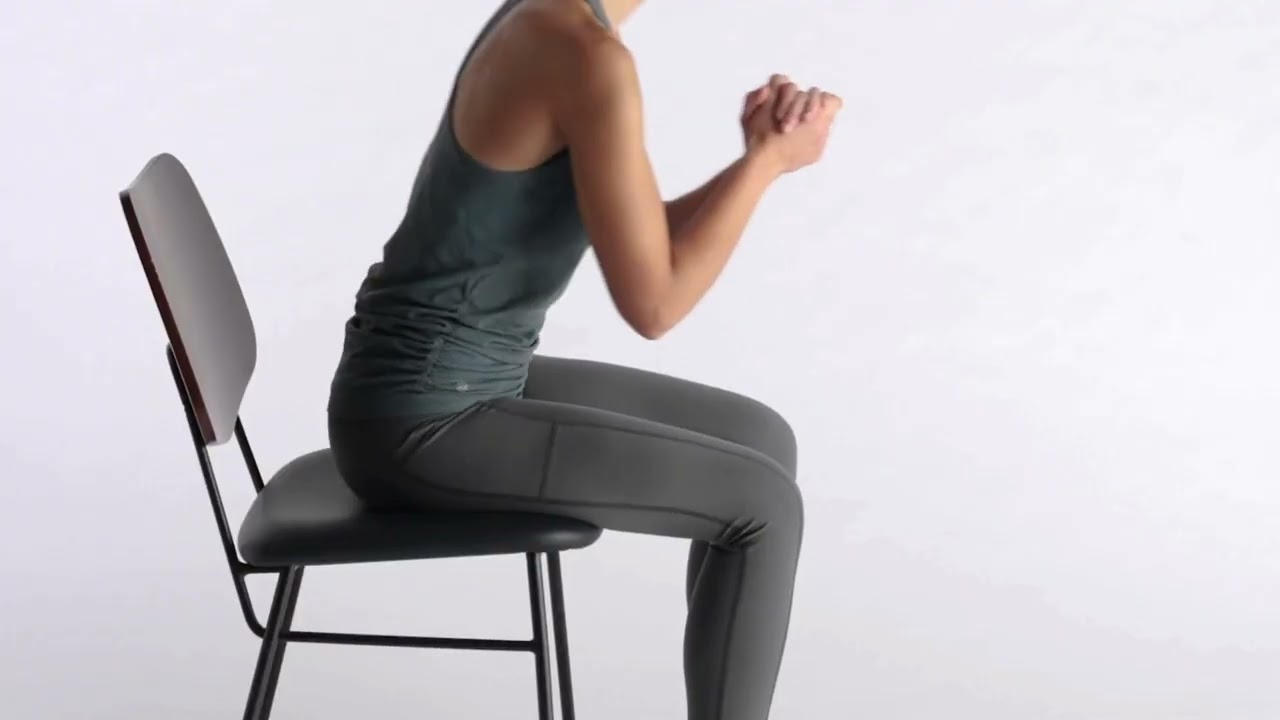
Sets: 2-3 Reps: 8-12
- Sit in a sturdy chair with your feet hip-width apart, flat on the floor.
- Lean slightly forward and press through your heels to stand.
- Push your hips back and bend your knees to slowly lower yourself back to the chair with control.
2. Glute bridge
“Bridges are one of the most effective ways to activate the gluteus maximus while minimizing stress on the lower back,” says Helfrich.
How to do it:
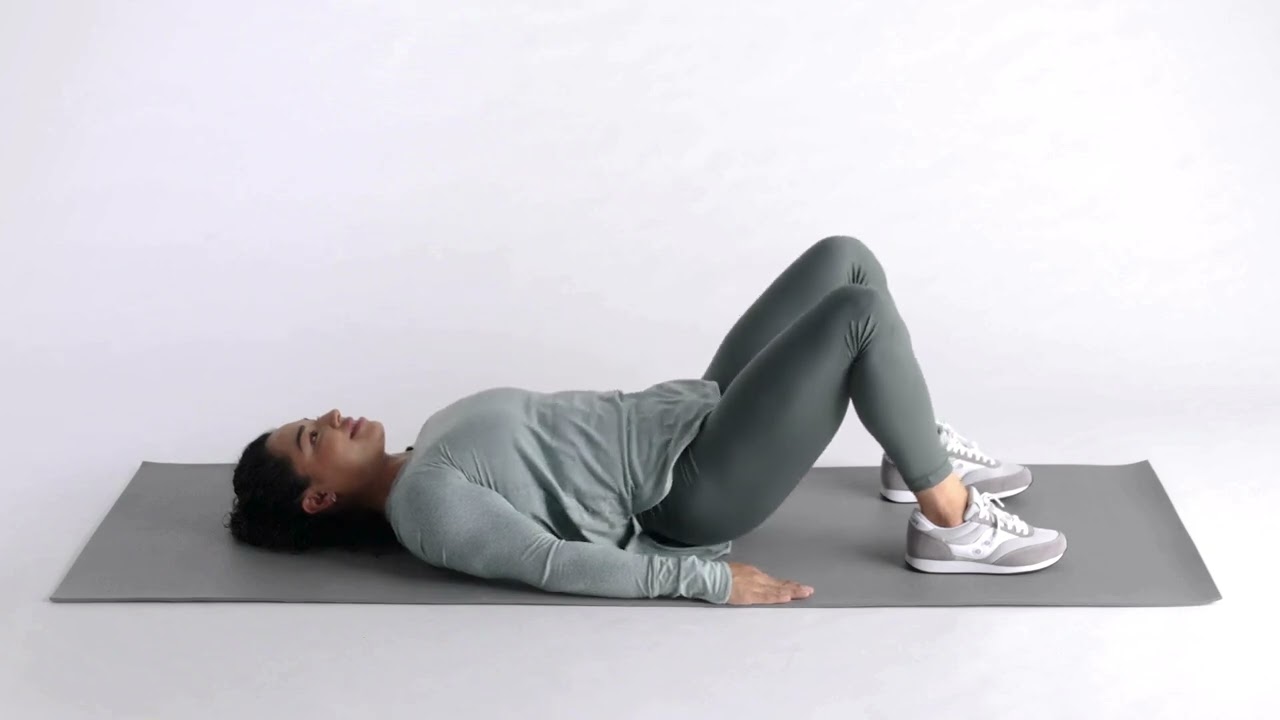
Sets: 2-3 Reps: 10
- Lie on your back with your knees bent and your feet flat on the floor.
- Press through your heels to raise your hips, until your body forms a straight line from your shoulders to your knees.
- Squeeze your glutes at the top of the move, holding for five seconds.
- Lower slowly with control.
3. Hip hinge
“This teaches one of the most important movement patterns for lifting and bending safely,” says Helfrich.
How to do it:
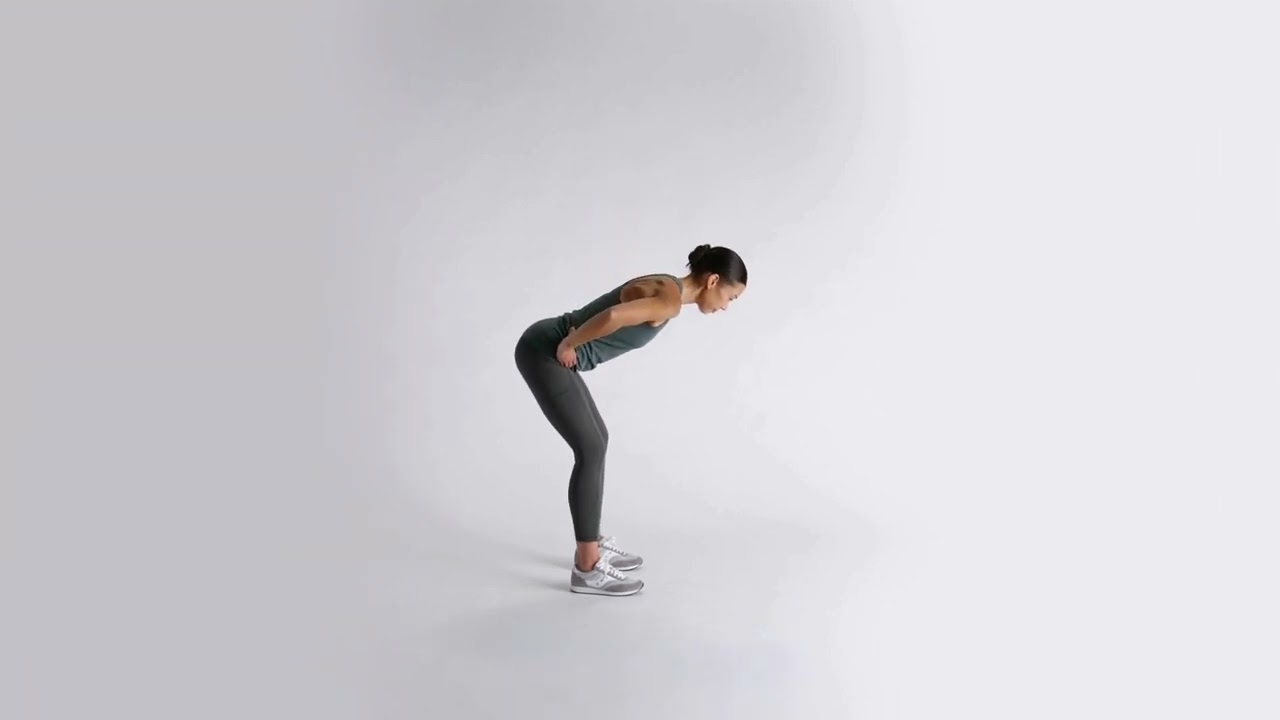
Sets: 2-3 Reps: 8-10
- Stand with your feet hip-width apart and a slight bend in your knees.
- Push your hips back and lower your torso, while maintaining a neutral spine—you should end up looking at the floor, feeling a stretch in the backs of your thighs.
- Reverse the movement to stand upright.
4. Clamshell
“This exercise strengthens the gluteus medius, an important hip stabilizer that supports the pelvis and lower back,” says Helfrich.
How to do it:
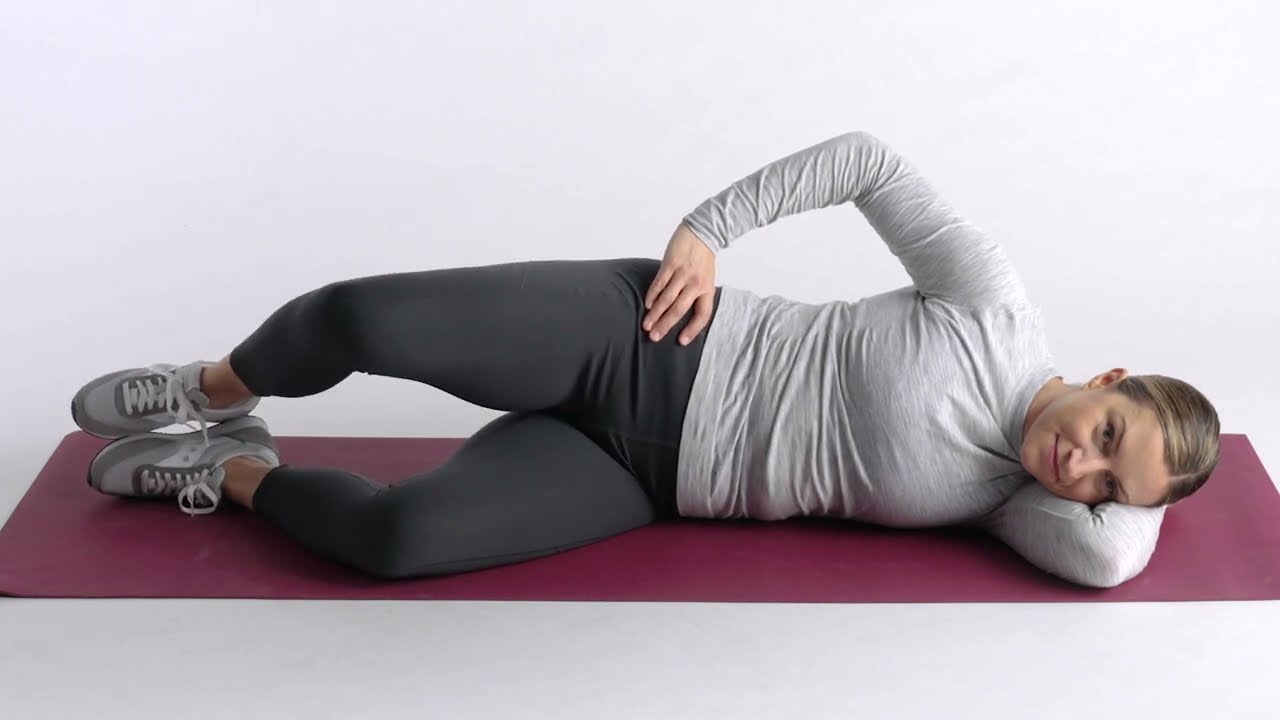
Sets: 2-3 Reps: 10 each side
- Lie on your side with your legs and feet stacked and your knees bent.
- Raise your top knee, rotating from your hip but keeping your hips stable and avoiding tilting back.
- Lower slowly.
- Do all the reps on one side, then switch sides.
5. Lateral leg lift
“This movement strengthens the hip muscles that help stabilize the pelvis during walking and everyday activities,” says Helfrich.
How to do it:
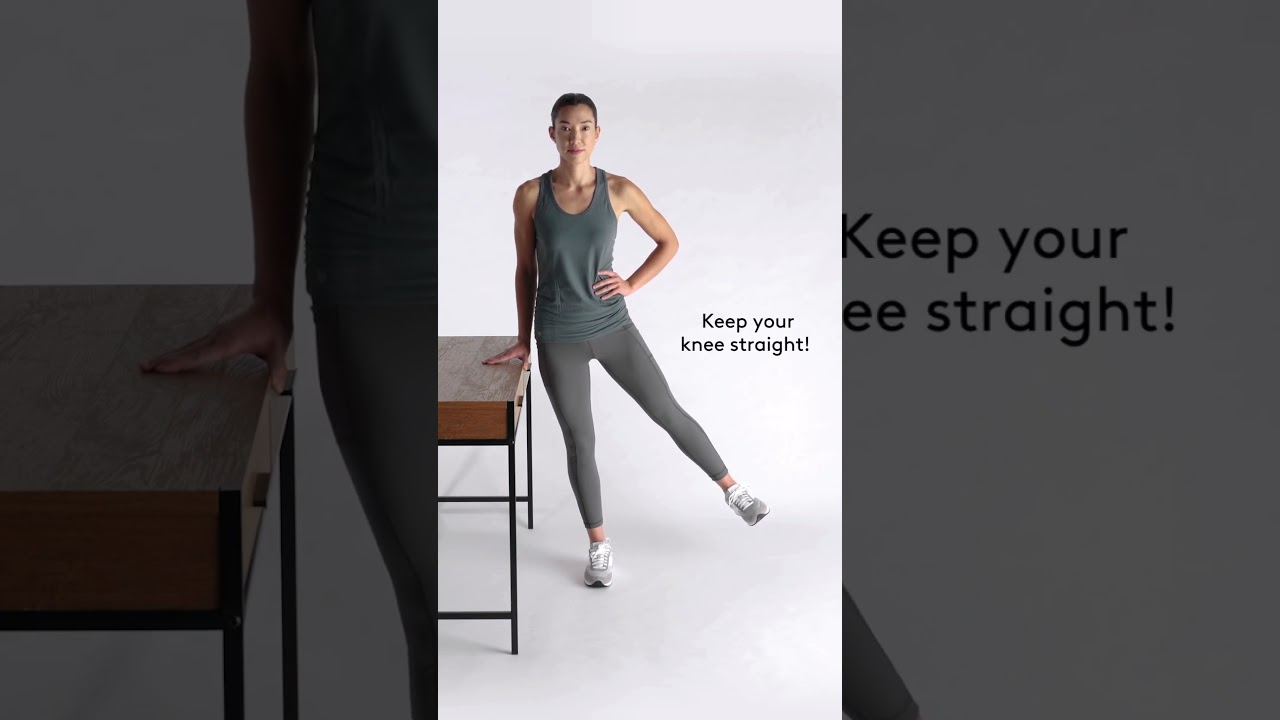
Sets: 2-3 Reps: 10 each side
- Stand with your feet together near a sturdy surface for balance if needed.
- Raise your left leg slowly out to the side, keeping your hips stable.
- Lower with control.
- Do all the reps on one side, then switch sides.

Dr Christynne Helfrich PT, DPT, OCS is a doctor of physical therapy at Hinge Health. She has been a practicing clinician since graduating from The Graduate Center, City University of New York, in 2010. She is a Board Certified Orthopedic Specialist and member of the American Physical Therapy Association. Before joining Hinge Health, she honed her skills across a diverse range of outpatient settings, including collaborating with collegiate sports teams.
