




Three exercises a physical therapist wishes everyone over 60 would do to develop the strength to get off the floor unaided
Boost your strength and mobility with these equipment-free moves


Getting up from the floor becomes harder as we age, but there's a simple way to make sure you can keep doing it: practice.
Dr Christynne Helfrich, a doctor of physical therapy at Hinge Health, recommends doing it repeatedly in a safe space, near a sturdy couch or chair, if you're trying to rebuild this skill.
“This is called specificity of training, which just means practicing exactly the skill that you need to do.”
If you find that challenging, Helfrich recommends doing these three exercises to build your strength and mobility.
The exercises
These are the three exercises that Helfrich recommends:
- Sit-to-stand
- Wall push-up
- Squat
Helfrich recommends doing moves three to four times per week, either as part of a workout or as an exercise snack to break up your day.
1. Sit-to-stand
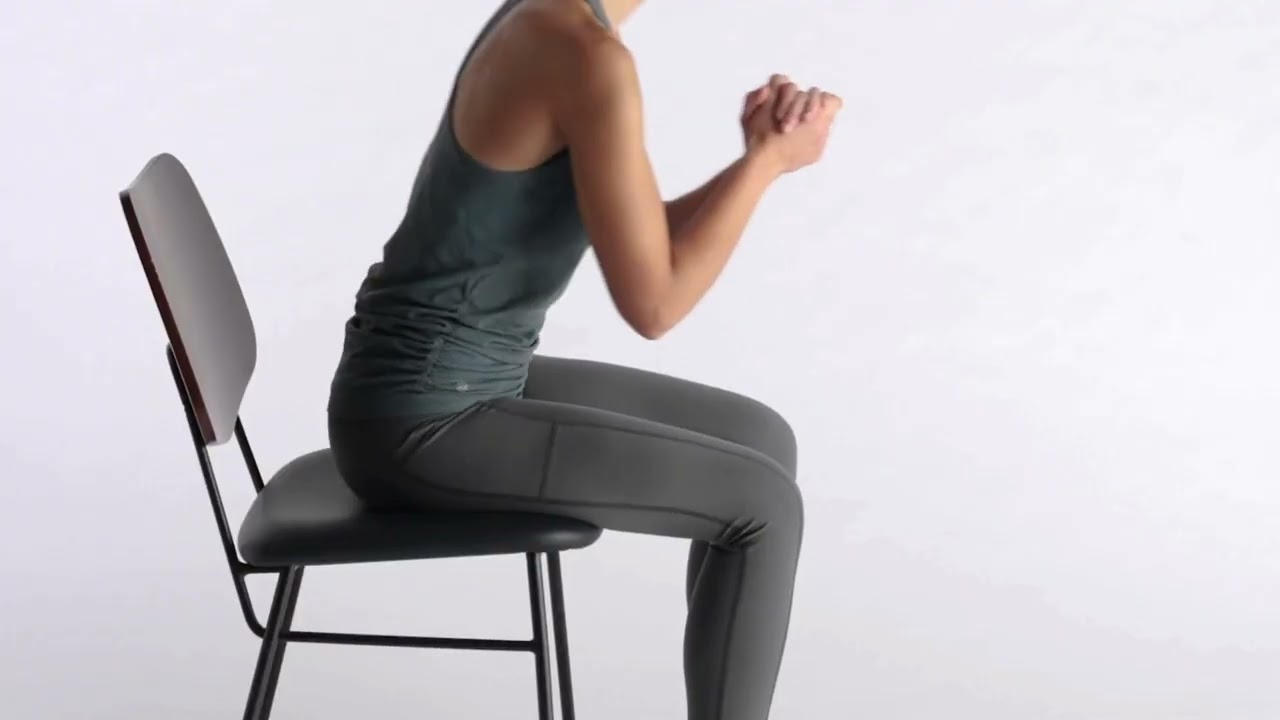
Sets: 2-3 Reps: 8-12 Rest: 30-60sec
How to do it:
- Sit in a stable chair with your feet hip-width apart. Clasp your hands in front of your chest.
- Without using your hands, push through your feet to stand.
- Pause in a standing position.
- Bend your knees to sit into the chair slowly.
“Sit-to-stands are one of my favorite exercises for older adults because you’re practicing something you do daily—getting yourself from a seated position to standing,” says Helfrich.
“You're strengthening your glutes and legs and practicing pressing through your feet to bring your body upright.
“It's also easy to practice at home with a sturdy chair, and you can focus on moving slowly and with control rather than worrying about speed or intensity.”
2. Wall push-up
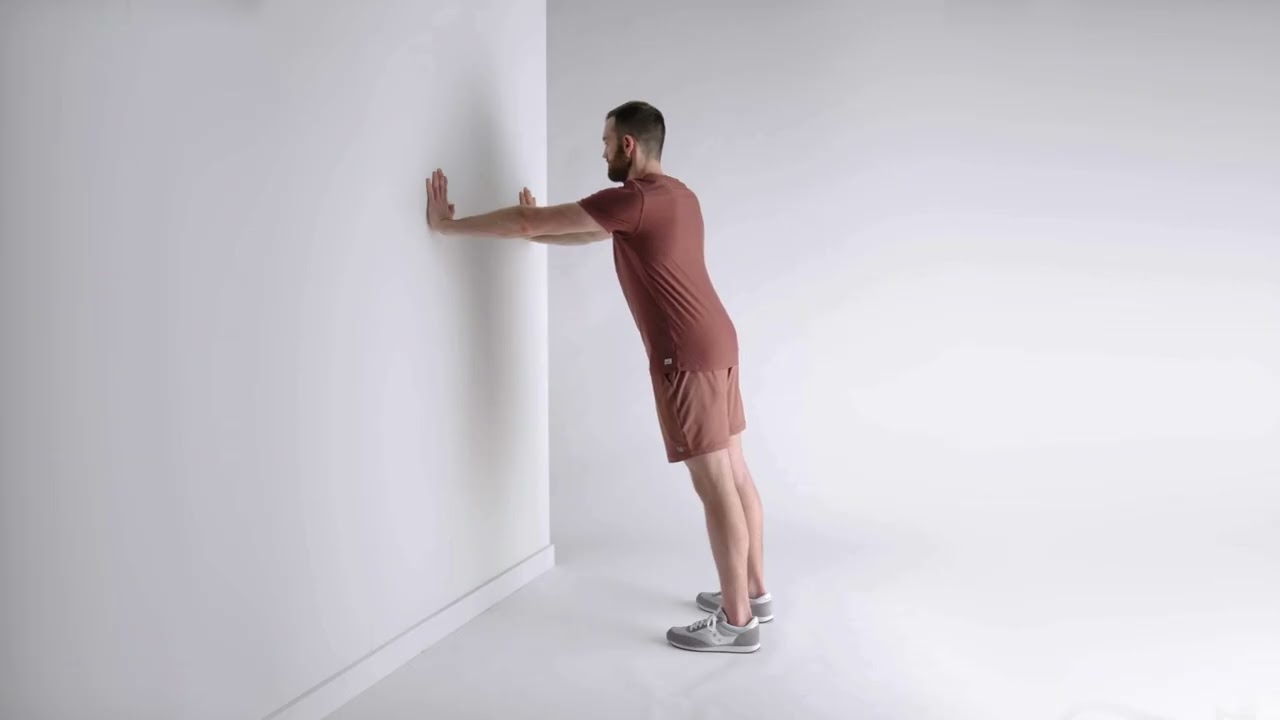
Sets: 2-3 Reps: 8-12 Rest: 30-60sec
How to do it:
- Stand a few feet away from a wall.
- Place your hands flat against it at about chest height with your arms straight.
- Slowly bend your elbows and lower your chest toward the wall.
- Press through your hands to straighten your arms and return to the starting position.
- Complete each repetition slowly, keeping your movement controlled.
Form tip: Keep your body aligned, without letting your hips dip toward the wall or push backward.
“You might think getting up from the floor is all about leg strength, but your upper body and core are important, too,” says Helfrich.
“I recommend wall push-ups because they strengthen your arms, chest, shoulders and core.”
She explains that the wall takes some pressure off your upper body and joints, making this an accessible starting point for those who lack the strength to do a traditional push-up.
“As you get stronger, you can progress to using a sturdy table or countertop for added challenge,” she says.
3. Squat
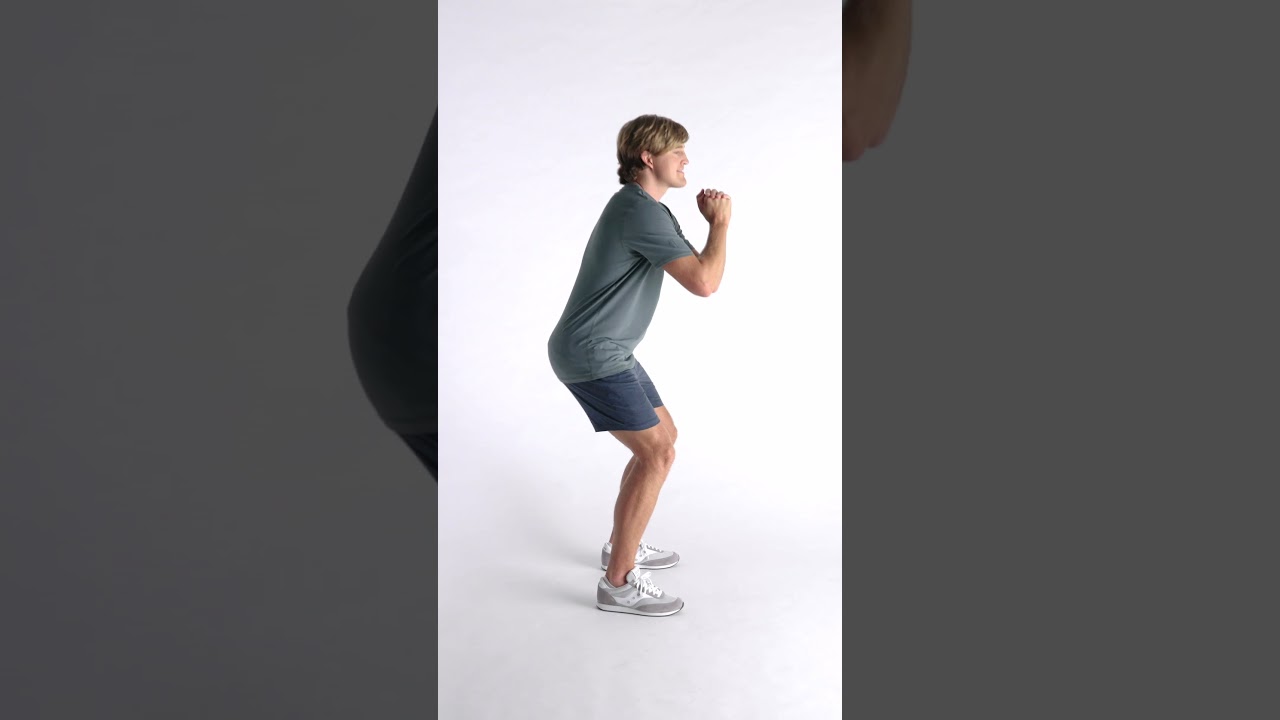
Sets: 2-3 Reps: 8-12 Rest: 30-60sec
How to do it:
- Stand with your feet about hip-width apart, near a sturdy chair or countertop if needed for support.
- Clasp your hands in front of your chest and keep your chest lifted.
- Slowly bend your knees and push your hips back, as if you’re going to sit in a chair.
- Lower only as far as feels comfortable and controlled.
- Press through your feet to straighten your legs and return to standing.
“If you're getting yourself up from the floor, there comes a point when you've brought a foot underneath you and need your legs to help push you upright. That's where this type of lower-body strength becomes particularly important,” says Helfrich.
“For older adults, the goal isn’t to see how deeply you can squat, but to move through a comfortable range of motion with control.
“Squats can strengthen the hip and thigh muscles you rely on to stand, helping build the lower-body strength needed to push yourself upright from the floor.”

Dr Christynne Helfrich PT, DPT, OCS is a doctor of physical therapy at Hinge Health. She has been a practicing clinician since graduating from The Graduate Center, City University of New York, in 2010. She is a board-certified orthopedic specialist and member of the American Physical Therapy Association. Before joining Hinge Health, she honed her skills across a diverse range of outpatient settings, including collaborating with collegiate sports teams.
