




I’m a yoga teacher and this is the stretch I rely on to loosen up stiff muscles in the shoulders and upper back
You don’t need any equipment to do it, either


Most of us know that nagging feeling of stiff, unhappy shoulders.
This discomfort can be caused by all kinds of things, but hunching over a laptop all day is a common culprit.
I’m a yoga instructor and my go-to move for relieving tight shoulders at the end of the day is eagle arms.
You can instantly feel your muscles releasing as you enter the pose, which targets the shoulders, upper back and arms.
How to do eagle arms
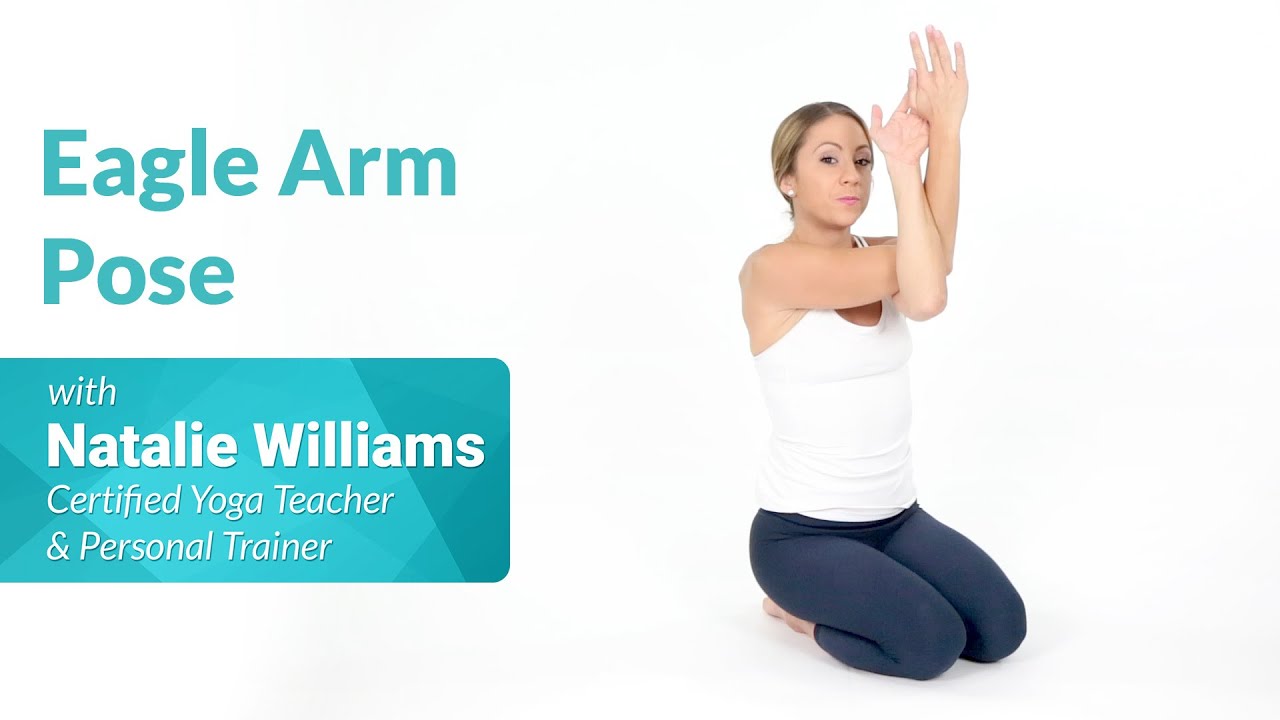
Eagle arms, known in Sanskrit as garudasana, can be practiced either sitting or standing.
I like to do a few shoulder rolls before entering the pose.
Here's how to do it.
- Inhale and lift your arms out to the sides to shoulder height.
- Exhale and bring your arms in front of your chest.
- Inhale and bend your elbows.
- Exhale and cross the right elbow over the left.
- If comfortable, hold the base of your right thumb with your left hand. Alternatively, press the backs of your hands together.
- Move your hands away from your face and lift your elbows slightly, while keeping your shoulders down.
- Take three to five breaths here before untangling your arms.
- Finish by rolling your shoulders forward and back a few times.
- Repeat the exercise, but this time placing your left elbow over the right.
What if I can’t do eagle arms?
If you don’t have the flexibility to cross your elbows over in front of your chest, you can try an alternative approach—by wrapping your arms around yourself and giving yourself a big hug.
Simply place your palms on opposite shoulders and take a few deep breaths. This will help you stretch the same set of muscles.
If you find this too difficult, another alternative is to use some form of resistance to stretch your shoulders.
You can stand with your hands against a wall, arms extended, and try to bring your chest toward the wall without bending your elbows. You should feel your shoulder blades come together. Try doing this 10 times to relieve tension in the area.
