A Johns Hopkins-trained spinal surgeon says these are the two stretches you should be doing if you work at a desk
Plus, three props that can help to support your spine if you spend a lot of time sitting


Often, the advice I read on how to properly care for my spine can feel difficult to apply to my life.
I work at a desk and know that I shouldn’t be sitting down for the whole day, but it can be hard to remember to take a movement break when I’m focused on a task.
I imagine it’s even worse if you drive for a living—frequently stopping to stretch will seriously slow your progress.
Unfortunately, if you don’t pay attention to your spinal health before it becomes a problem, you may develop a painful issue that is anything but straightforward to fix.
So what should you do? Are there ways to care for your spine if you work in a seated position? I asked an expert.
Dr Gbolahan Okubadejo is a board-certified spinal and orthopedic surgeon who leads The Institute of Comprehensive Spine Care in New York.
He shared his thoughts with me on how to use props to better support your spine when sitting, and the two non-negotiable stretches all desk workers should be doing as often as they can.
Stretches to support your spine
1. Seated spinal twist
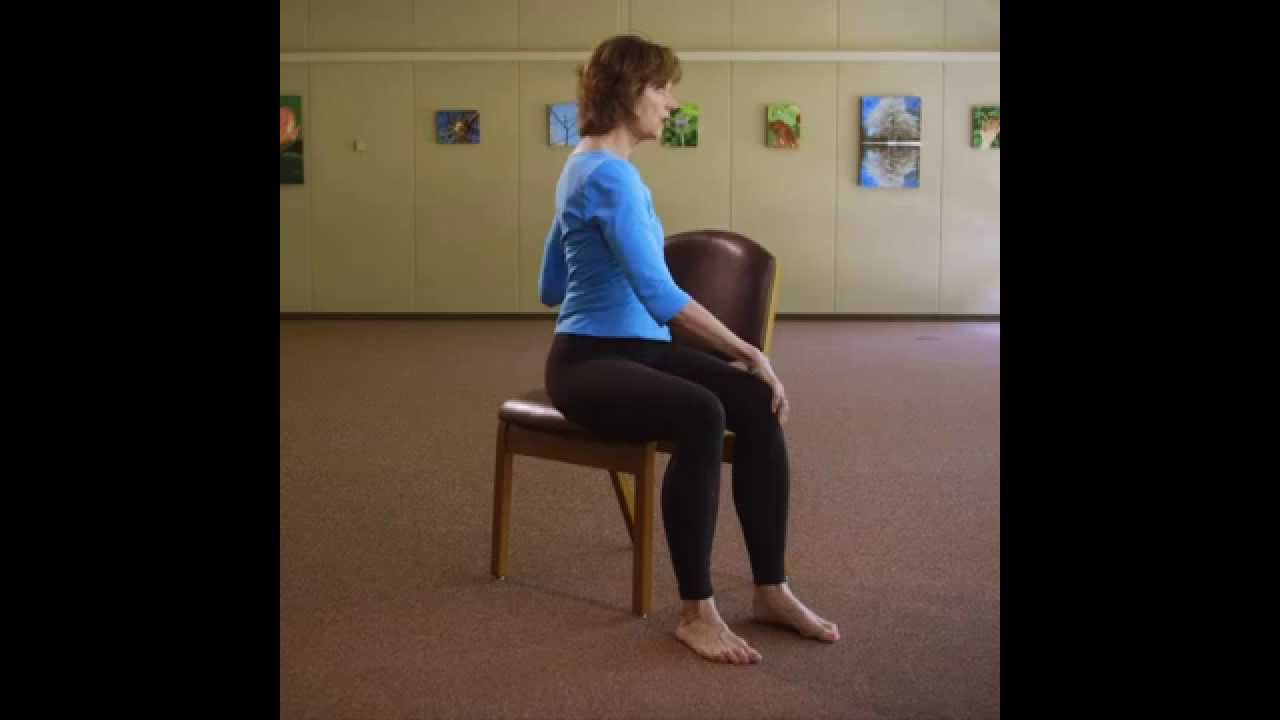
Time: 10-20sec each side
How to do it:
- Sit upright in a chair with a backrest, with your feet flat on the floor and your spine straight.
- Place your right hand on the outside of your left thigh and your left hand on the back of the chair.
- Inhale to lengthen your spine, then slowly exhale as you twist your torso to the left. Keep your shoulders relaxed and your hips facing forward.
- Hold the twist for 10-20 seconds while breathing deeply.
- Gently return to the starting position and repeat on the opposite side.
Why Okubadejo recommends this stretch: He says this stretch can be used to relieve stiffness and improve spinal mobility.
2. Hip flexor stretch
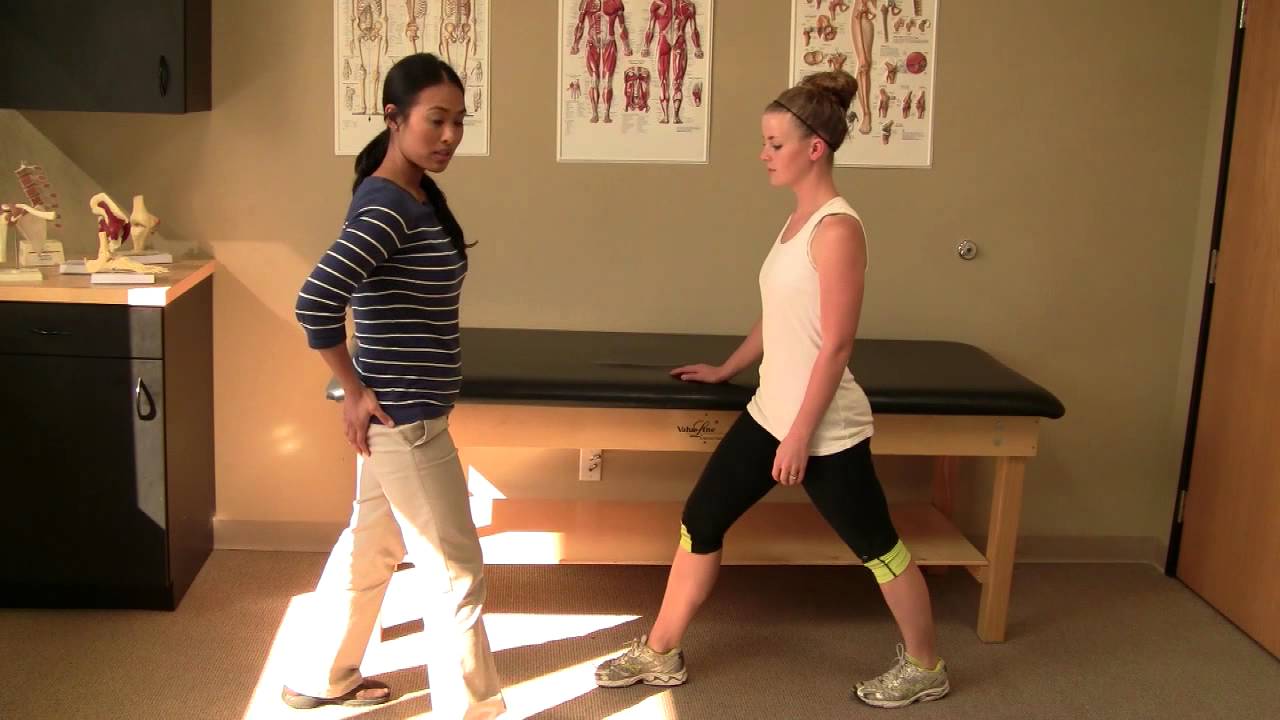
Time: 20-30sec each side
How to do it:
- Stand up straight and take a step back with your right foot, keeping your left foot forward.
- Bend your left knee slightly while keeping your right leg extended behind you.
- Gently tuck your pelvis under to avoid arching your lower back.
- Shift your weight forward until you feel a stretch in the front of your right hip.
- Keep your chest facing forward and your shoulders relaxed.
- Hold the stretch for 20-30 seconds while breathing normally, then return to standing and repeat on the opposite side.
Why Okubadejo recommends this stretch: He says this stretch can counteract tightness caused by prolonged sitting.
Three props to support your spine
1. Lumbar support
“A lumbar roll or cushion is a small pillow or foam support placed at the lower back to help maintain the spine’s natural curve,” says Okubadejo. “It provides targeted support that reduces slouching and eases strain during long periods of sitting. This type of support is extra helpful for office chairs or in a vehicle.”
Highly-rated lumbar supports on Amazon:
2. Sit-to-stand desk
“A sit–stand desk allows you to alternate between sitting and standing throughout the day. Standing for even 10-15 minutes per hour can reduce pressure on the spine,” says Okubadejo. “This regular change in position helps improve circulation and prevents muscle stiffness.”
Highly-rated sit-to-stand desks on Amazon:
3. Footrest
“A footrest is helpful when your feet do not stay flat on the floor while sitting,” says Okubadejo. “It supports proper leg positioning, which reduces pelvic tilt and strain on the lower back. By stabilizing the body from the ground up, a footrest promotes better overall posture.”
Highly-rated footrests on Amazon:

Gbolahan Okubadejo, MD, FAAOS, leads The Institute for Comprehensive Spine Care as a spinal and orthopedic surgeon. He specializes in treating degenerative spinal disease, spinal deformity, and cervical, lumbar, and thoracic conditions.
He earned his undergraduate degree at Brown University and his medical degree at Johns Hopkins University. He is a published research author and has presented his findings at several major international spinal conferences.
