


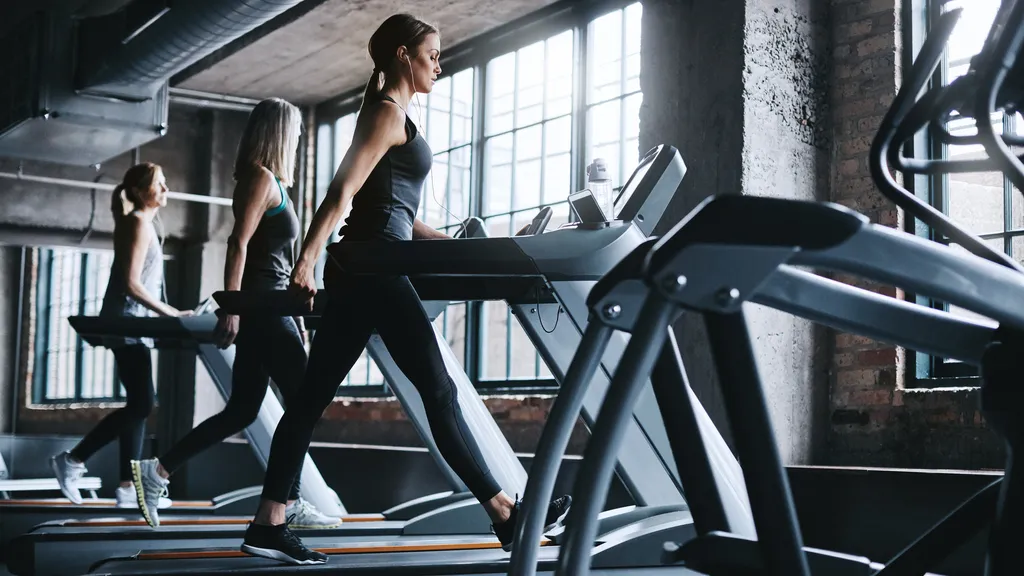


How strong is your deep core? If you struggle with lower back pain, poor balance or weak posture, you may need to try these three strengthening exercises
This equipment-free core workout goes deeper than just the superficial abs


Why should you worry about training your deep core if you can’t see the muscles? Because they matter more than you think.
Take the transverse abdominis, it wraps around your torso like a corset and activates to keep you balanced, and holds you upright while you sit and stand.
Your internal obliques sit over the transverse abdominis and help you with rotational movement. Meanwhile your pelvic floor acts as a sling for your organs and helps with bowel and bladder control.
All of these core muscles (and others) also protect your organs, and while you can’t see them from the outside, building a strong, functional deep core should be a priority for everyone.
I asked Sabrina Jordan, who is a NASM-certified personal trainer at workout and community space Life Time in Annapolis, how to approach strengthening your deep core muscles.
She recommended the following three exercises.
1. Leg lower
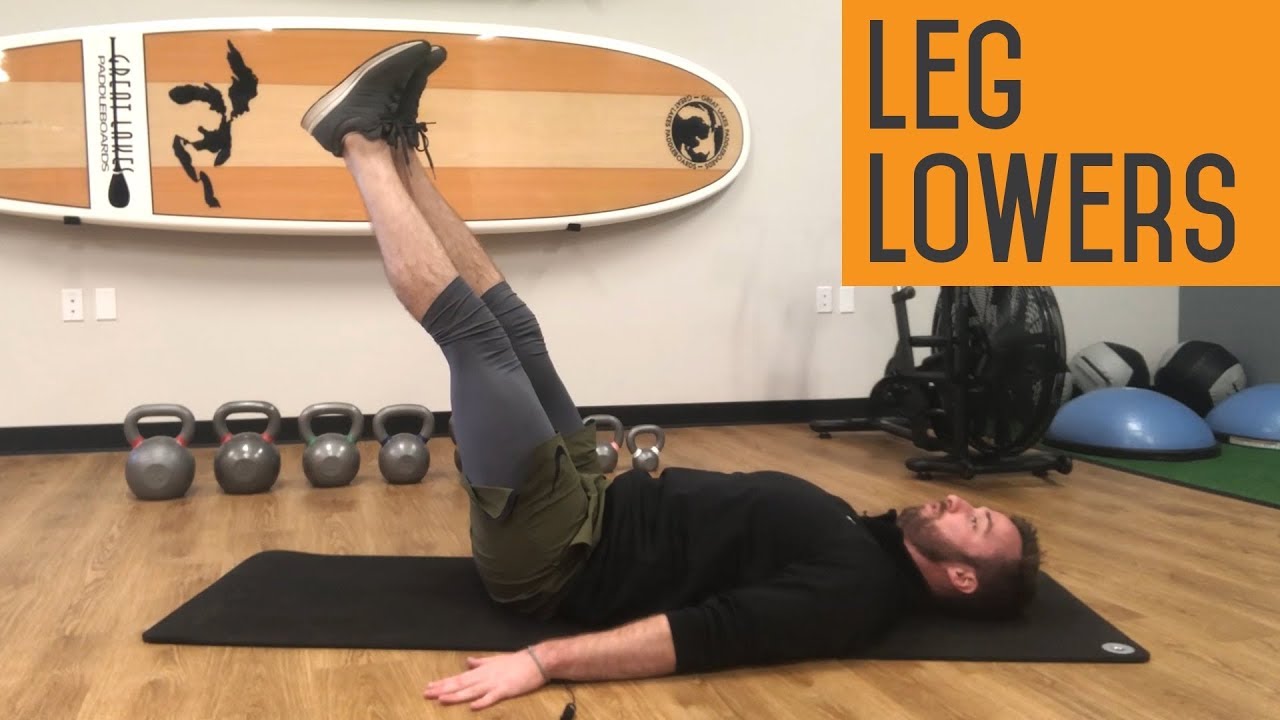
Sets: 3 Reps: 8–12
Jordan says: “I chose this exercise because it strongly targets the transverse abdominis and lower core while training the body to resist spinal extension, which is key for deep core strength.”
How to do it:
- Lie on your back with your legs extended straight up, with your feet over your hips and arms resting by your sides.
- Lift your head off the floor, supporting it with your hands if needed.
- Engage your core and press your lower back firmly into the floor, then slowly lower both legs toward the floor without letting your back arch.
- Just before your heels tap the floor, lift your legs back to the starting position with control.
2. Single-leg glute march
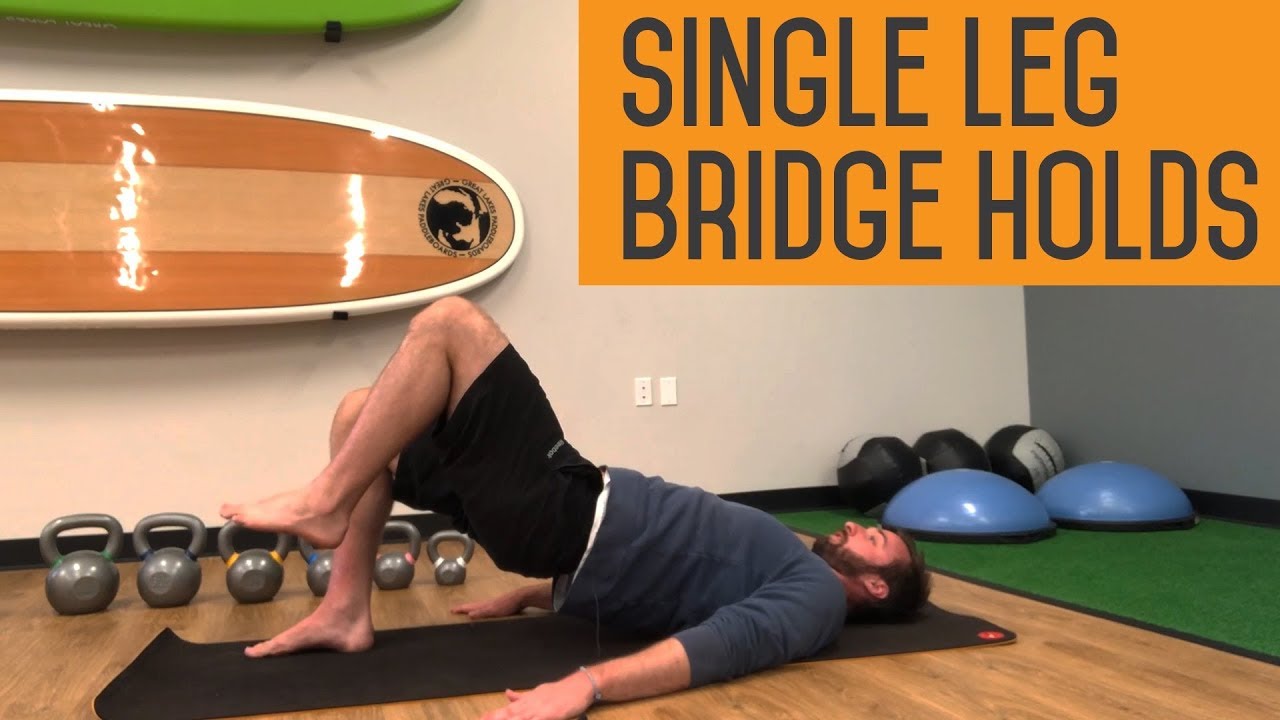
Sets: 3 Reps: 16-20 each side
Jordan says: “This exercise challenges pelvic stability and activates the deep core (including transverse abdominis and obliques) while also engaging the glutes.”
How to do it:
- Lie on your back with your knees bent and your feet flat on the floor.
- Engage your core.
- Squeeze your glutes and lift your hips, forming a straight line from your shoulders to your knees.
- Lift your right leg until your right knee is over your right hip.
- Lower your right foot back to the floor, keeping your hips level throughout.
- Repeat on the other side.
- Alternate legs in a slow marching pattern without letting your pelvis drop or rotate. Keep your core braced the entire time.
3. RKC Plank
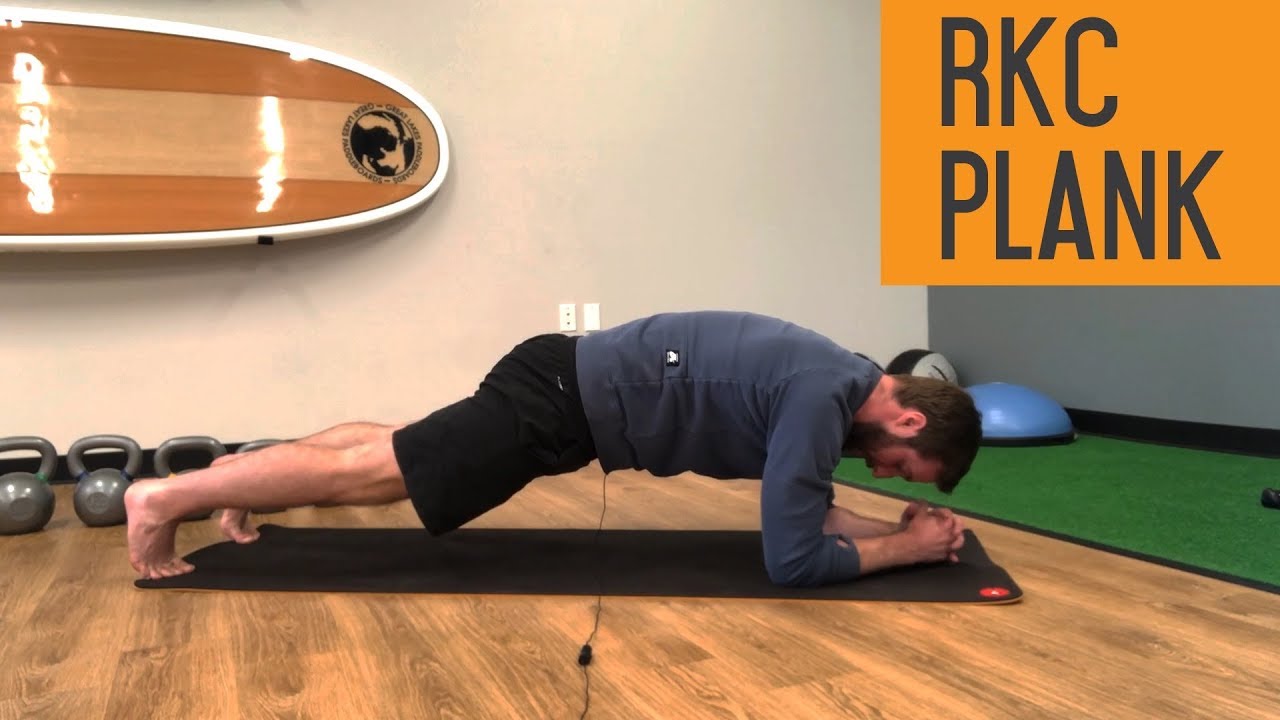
Sets: 3 Time: 30-60sec
Jordan says: “I selected this variation on a standard plank because it maximizes full-body tension and deeply engages the transverse abdominis, making it far more effective than passive planks.”
How to do it:
- Get on your hands and knees, with your knees directly under your hips and your hands directly under your shoulders.
- Lower your forearms to the floor one by one, making sure your elbows are directly under your shoulders.
- Step back with each foot so your legs are both extended behind you.
- Engage your core.
- Actively pull your elbows toward your toes and squeeze your glutes and quads. Keep your ribs close to the floor to maintain a straight line from your head to your heels.
- Hold for 30-60 seconds, then lower your knees to the floor.
