“A deep squat is a human rest position”—a physical therapist explains the benefits of a deep squat and how to break up with chairs for good
Try breaking up your couch time with this mobility move


When Americans want to relax, we almost universally default to sitting on a couch.
But we're missing out on a much healthier alternative: the deep squat
“A deep squat is a human rest position,” says Dr Zaki Afzal, a physical therapist and owner of Optimize Physical Therapy and Performance.
He explains that regularly resting in this position will maintain mobility in your hips, knees and ankles, while also ensuring you have the strength to get up and down from the floor.
That's a useful skill to have, as research from the European Journal of Preventive Cardiology tells us that the ability to get from a floor-sitting position to a standing position without aid is a predictor of longevity.
“It isn't that squatting magically adds years; it's that the ability to squat and rise is a readout of the mobility and strength that keep you independent,” says Afzal.
But if you don't have the mobility to do a deep squat, you're not alone.
“Most people have lost it,” says Afzal.
The upside is that most people can get it back, too. Here's how.
Exercises to help you access a deep squat
Afzal suggests the following three exercises to build your squatting mobility.
1. Supported deep squat
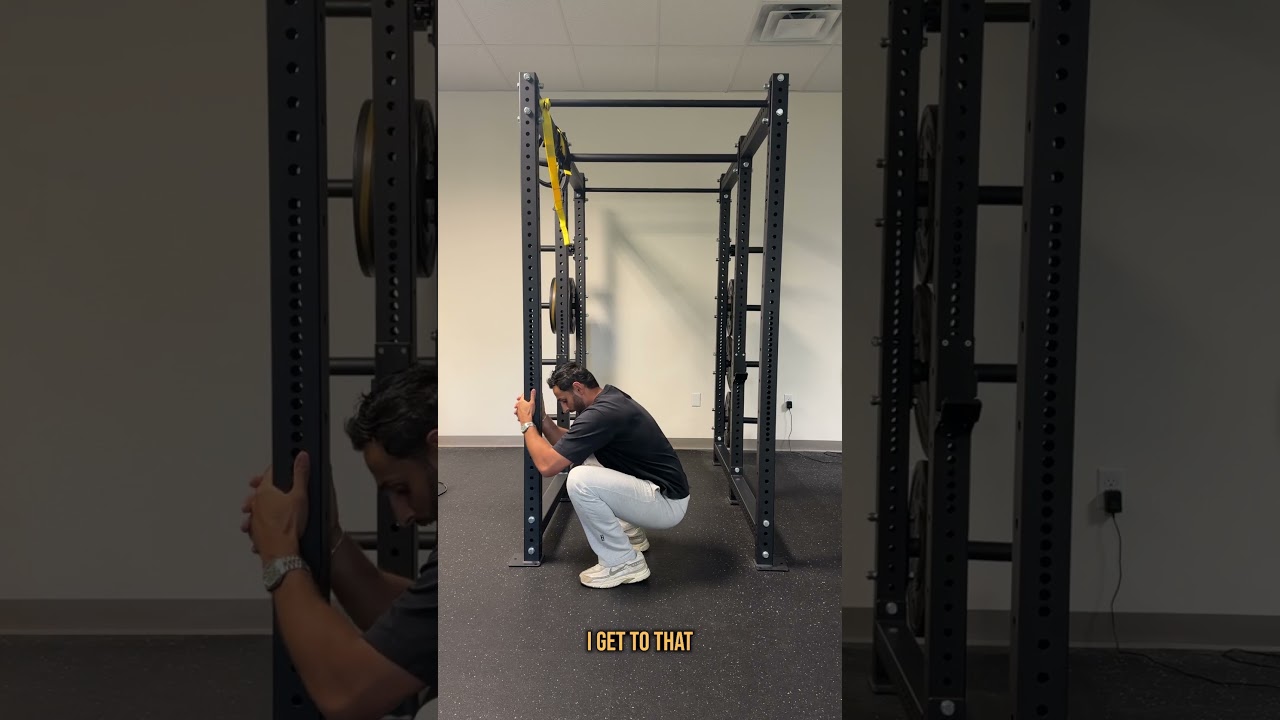
Hold: 30-60sec
How to do it:
- Stand with your feet shoulder-width apart.
- Hold onto a sturdy post or rack and bend your knees to sink into your deepest comfortable squat, keeping your heels on the floor, if you can.
- Breathe deeply while holding the position for 30-60 seconds.
- Stand back up using the support of the post.
- Repeat several times a day.
2. Heel-elevated goblet squat
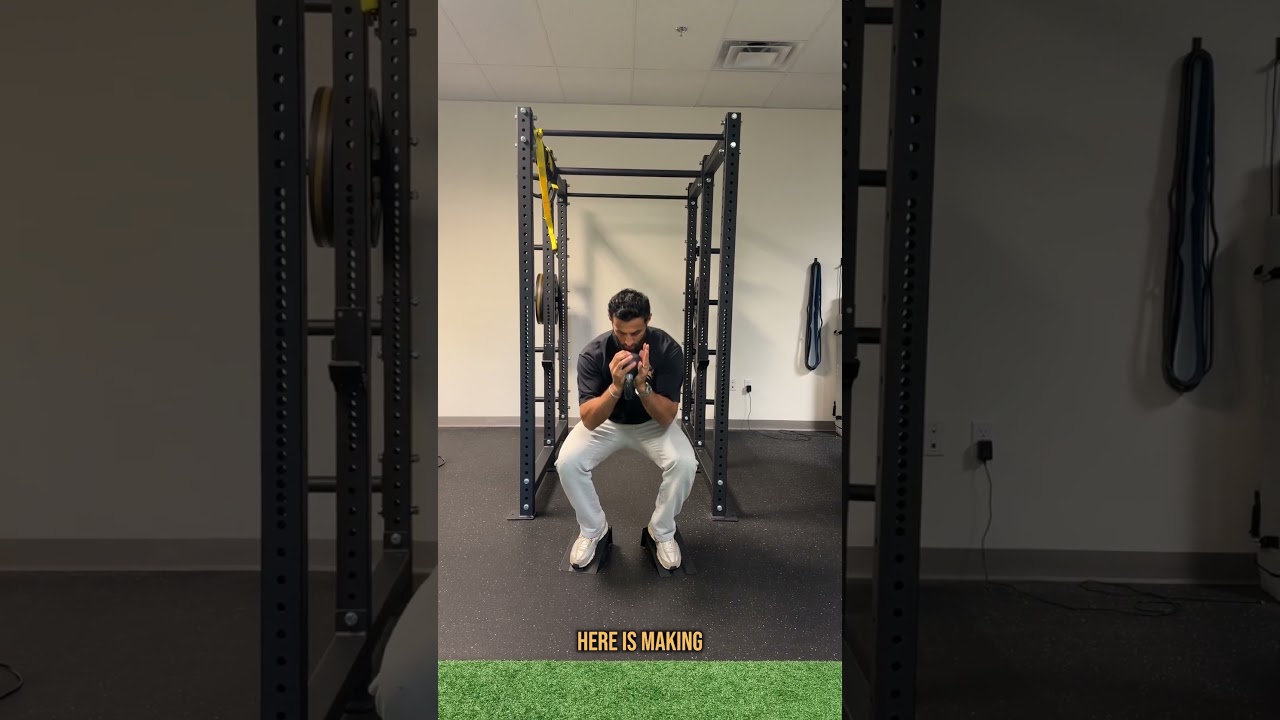
Reps: 10-15
“Holding a light kettlebell at your chest acts as a counterbalance that lets you sit straight down and stay upright instead of tipping backward,” says Afzal.
How to do it:
- Stand with your feet shoulder-width apart, holding a light kettlebell to your chest.
- Place a small weight plate under your heels to elevate them.
- Bend your knees, lowering to your best depth.
- Push through your feet to stand up and repeat.
- As it gets easy, lower your heel elevation over a few weeks until your feet are flat on the floor.
3. Ankle and foot mobility drill
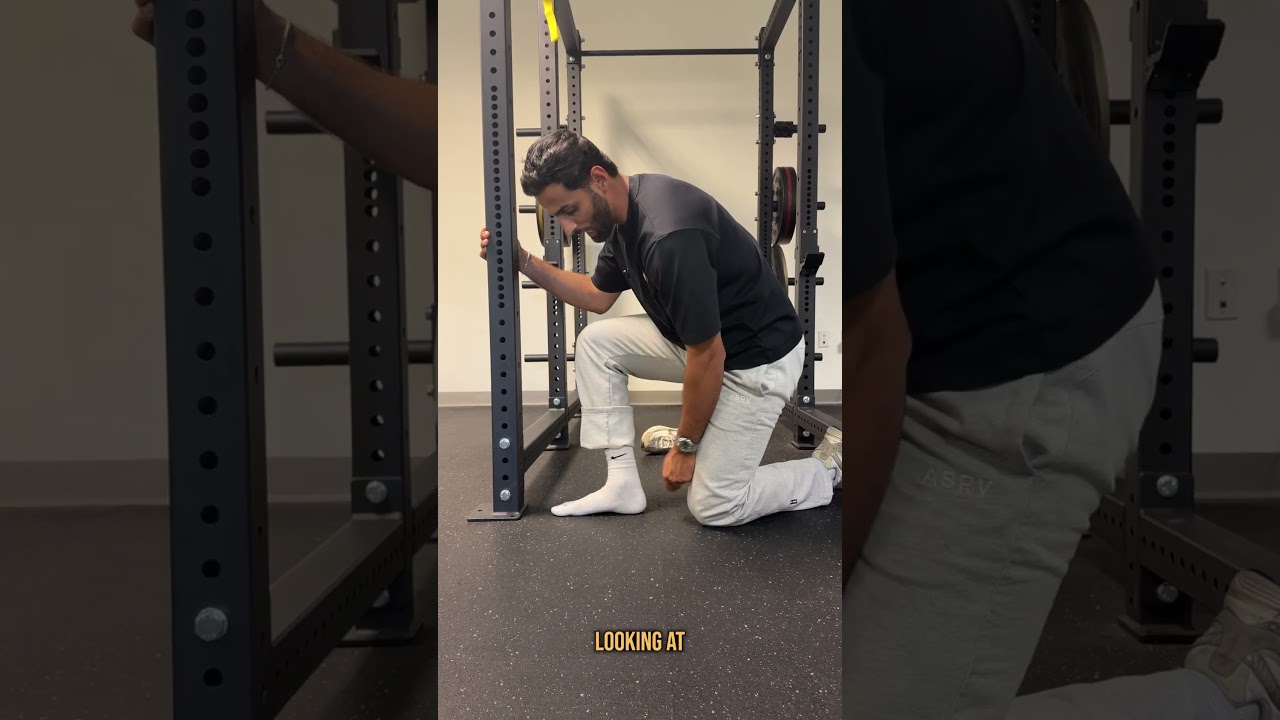
Reps: 8-10 each side
Afzal says this move will help with ankle mobility, making a deep squat feel more comfortable.
How to do it:
- Start in a half-kneeling position facing a wall, with your front foot a few inches from the base. Use the wall for support if needed.
- Maintaining pressure in your heel, bring your knee to the wall so your shin forms a diagonal line from knee to ankle.
- Still maintaining heel pressure, return to the starting position so your shin is parallel to the wall again.
- Rock back and forth through your full range of motion, then switch sides.
Deep squat form tips
If you can already perform a deep squat but can't hold it for very long, Afzal suggests tweaking your foot position.
“Widen your stance and turn your toes out a bit,” he says.
This makes it easier to maintain an upright chest.
“Most people miss the deep squat by going chest-up and butt-back, which sends the hips backward when you want them going straight down,” says Afzal.
“Sit down between your feet, not behind them,” he explains.
I also asked Afzal what to do if your heels lift when squatting.
“If your heels pop up, that's almost always an ankle and mid-foot mobility limitation, not a sign you're broken,” he says.
Afzal says that placing a lift under your heel while you build up your range of motion is fine and something he does all the time in his practice.
He caveats that he would still prioritize getting to the point where your heels stay on the floor through the whole movement.
“Flat heels mean your ankles and feet can do the range, and that carries over to stairs, hiking and getting off the floor,” he says.
“Just don't force it. You earn it.”

Dr Zaki Afzal is a doctor of physical therapy and the CEO and owner of Optimize Physical Therapy and Performance, where he specializes in treating shoulder, hip, knee, and foot and, ankle pain in runners and active adults. He has worked with and traveled alongside, 100+ professional athletes, helping them recover from injury and return to peak performance.
