





Training your core properly involves doing more than a few sit-ups every now and then.
According to Stevie Griffin, a trainer with the Ladder workout app, you'll see the most benefits when you train the deep core.
"The deep core muscles—your transverse abdominis, multifidus, pelvic floor, and diaphragm—are your body's built-in stabilizers, and they respond to frequency rather than heavy load," she tells Fit&Well.
"Instead of one big ab day a week, I weave core into all of my workouts, whether that's a dedicated finisher or building it right into the lifts—by cueing people to brace and stabilize as they move."
Training the deep core has more benefits than just visible abs. "It's what protects your back, makes every other lift stronger and safer, and builds the strong, stable foundation everything else is built on," says Griffin.
Here are Griffin's top three deep core moves.
1. Dead bug
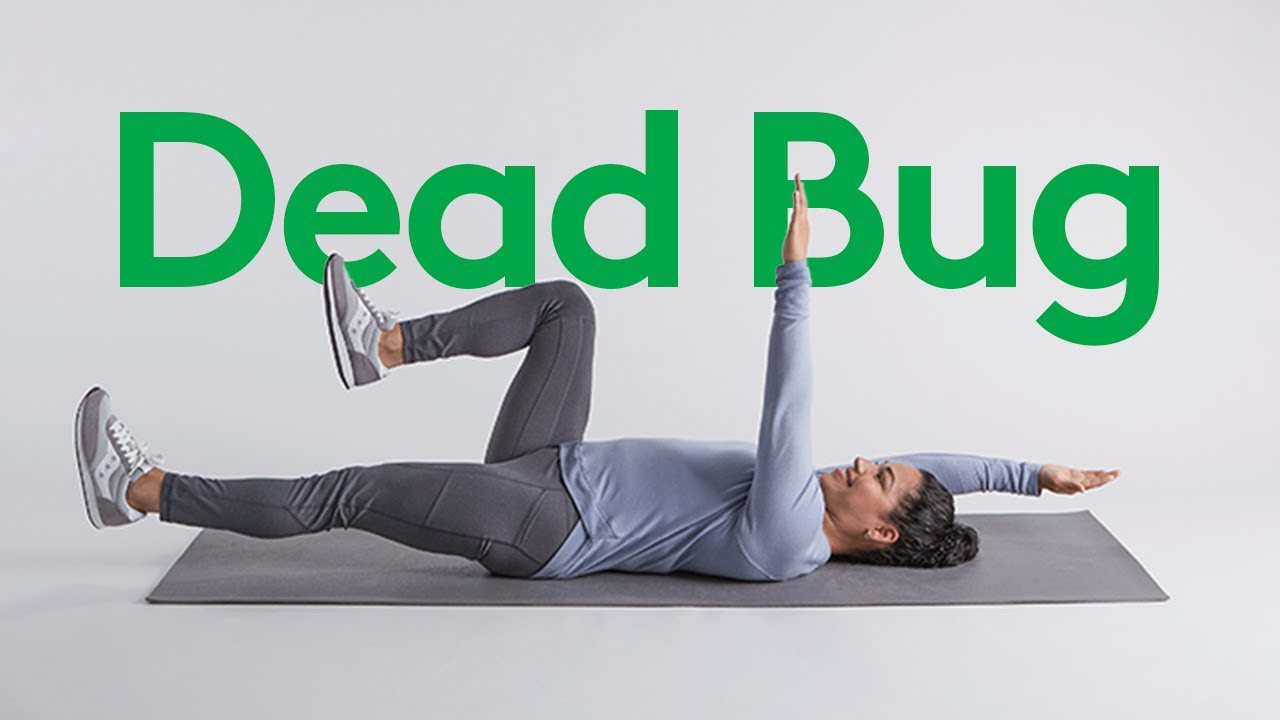
Sets: 2-3 Reps: 8-10 each side
How to do it:
- Lie on your back with your arms raised vertically, your legs raised and knees bent to 90° so your calves are parallel to the floor.
- Extend and lower your left leg as you lower your right arm behind your head, until both limbs are just above the floor.
- Return to the starting position with control.
- Repeat with the opposite limbs.
- Continue, alternating sides with each rep.
"This is one of my favorite beginner core exercises because it teaches you how to brace your core while moving your arms and legs independently," Griffin says.
"I always tell people to move slowly and keep their lower back gently pressed into the floor throughout the exercise."
2. Bird dog
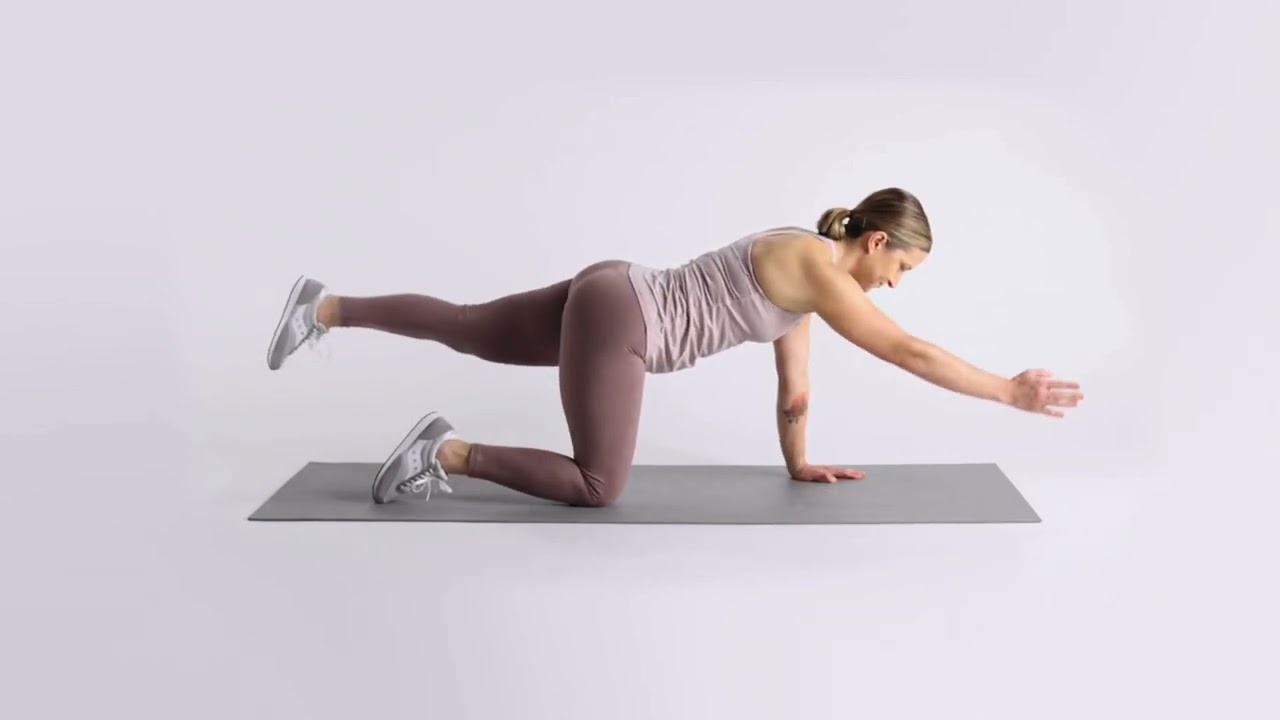
Sets: 2-3 Reps: 8-10 each side
How to do it:
- Get on your hands and knees with your hands under your shoulders and your knees under your hips.
- Extend and raise your left leg behind you to hip height and raise your right arm in front of you to shoulder height.
- Return to the starting position with control.
- Repeat with the opposite limbs.
- Continue, alternating sides with each rep.
"Bird dog is another staple in my programming because it challenges balance, coordination, and core stability all at once," explains Griffin.
"The goal isn't speed, it's control. I encourage people to keep their hips as level as possible and focus on quality movement over rushing through the reps."
3. Plank
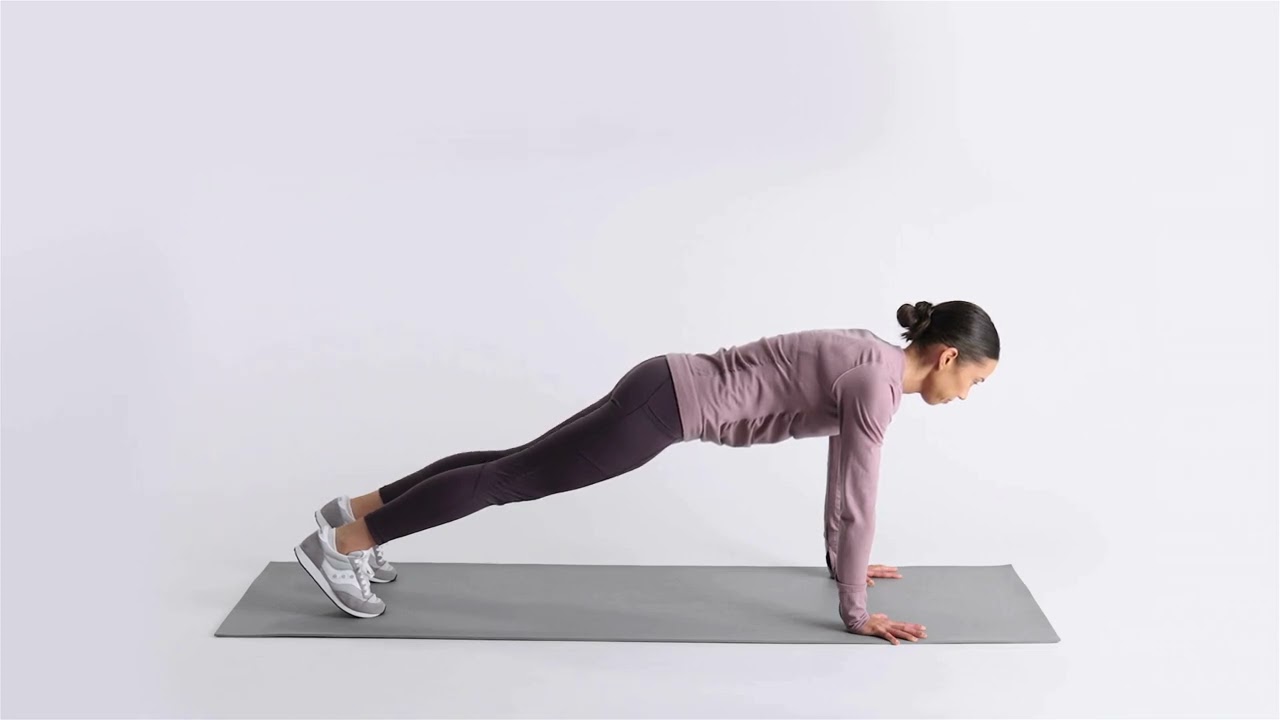
Sets: 2-3 Time: 20-45sec
How to do it:
- Get on your hands and knees with your hands directly under your shoulders.
- Step your feet back so your body is in a straight line from head to heels.
- Engage your core and hold, ensuring you don’t hold your breath.
"The plank is one of my favorite exercises because it teaches you how to create full-body tension and properly brace your core," Griffin says.
"If holding a plank on your toes feels too challenging, don't be afraid to modify it by dropping to your knees or elevating your hands on a bench or countertop," she adds.