


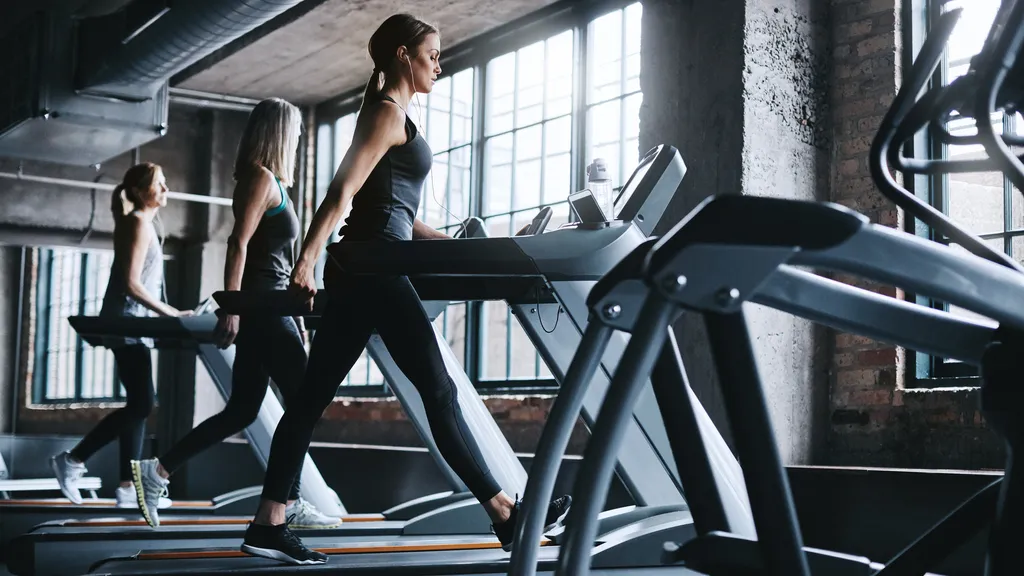


Returning to exercise? A physical therapist recommends mastering these three glute exercises before picking up weights
Learn how to do these three bodyweight exercises correctly to build stronger glutes


Whether you’re doing bodyweight exercises or you can squat 300lb, your form should always be your number one priority.
Good technique when exercising can help you to train more efficiently, avoid injury and progress faster. Meanwhile, poor execution can lead to muscle imbalances and joint issues.
The best way to build good form is to start by practicing exercises with no weight at all. This is particularly true when training large muscle groups like the glutes, the muscles in your butt.
“Fitness and rehabilitation professionals alike agree that bodyweight exercises—performed with proper form and full range of motion—can effectively target the gluteus maximus and medius during the initial stages of training, just as their weighted counterparts do,” says Dr Andrew Gorecki, a licensed doctor of physical therapy and owner of MovementRX.
“Bridges, split squats, and hip hinges are popular in physical therapy protocols because they focus on stability first before strength.”
Once you have the basics perfected and have built a basic level of strength and stability, then you can start incorporating weight.
Gorecki recommends starting out with the three bodyweight exercises below to develop your form before adding resistance into the equation.
“These movements directly translate to improving hip stability, optimizing posture, and decreasing injury risk if performed well,” he says.
Even though you aren’t fighting against resistance, make sure to perform each rep slowly and with control.
Keep an eye on your technique to ensure you are executing the movement correctly, so your form isn’t compromised when you do add weights.
1. Glute bridge
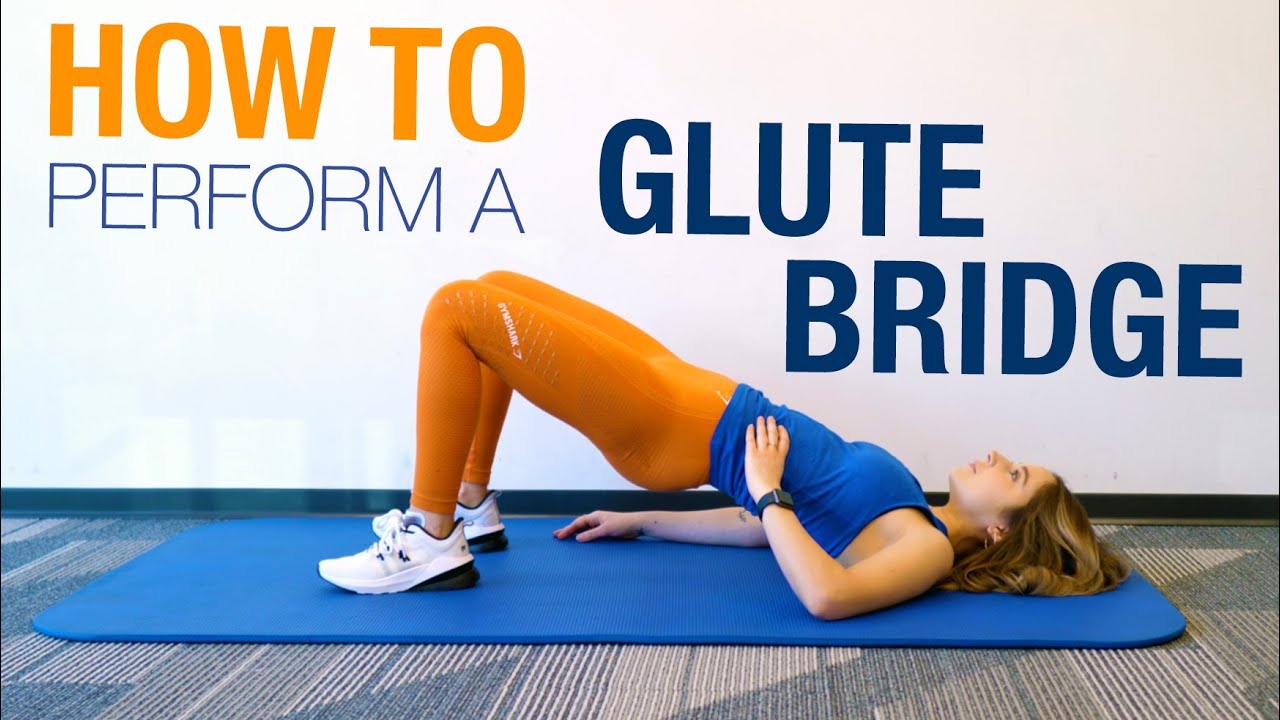
Sets: 3 Reps: 12–15
How to do it:
- Lie on your back with your knees bent and your feet flat on the floor. Your feet should be hip-width apart.
- Place your arms by your sides with your palms facing down.
- Brace your core, then push through your heels to raise your hips until your body is in a straight line from your shoulders to your knees.
- Clench your glutes hard for a count of two.
- Lower your hips slowly until your butt is just above the floor.
- Clench your glutes and go straight into your next rep.
2. Bulgarian split squat
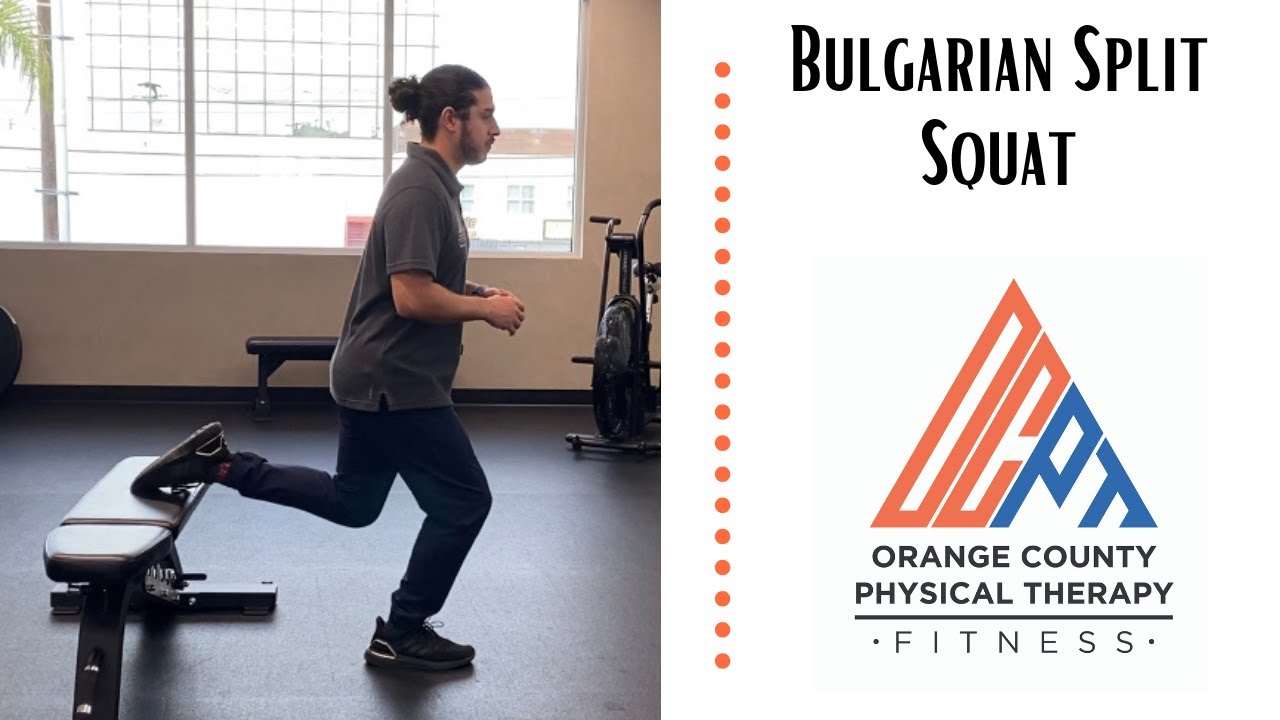
Sets: 3 Reps: 8–12 each side
How to do it:
- Sit on the edge of a bench with your left leg extended and left heel on the floor.
- Place your left foot flat on the floor and stand up.
- Lift your right foot behind you and place the top of your right foot on the seat of the bench.
- Engage your core.
- Bend your left knee to lower until your left thigh is parallel to the floor, keeping your left knee directly above your left foot.
- Press through the heel of your left foot to extend your left leg.
- Do all your reps on one side, then switch swides.
3. Single-leg Romanian deadlift
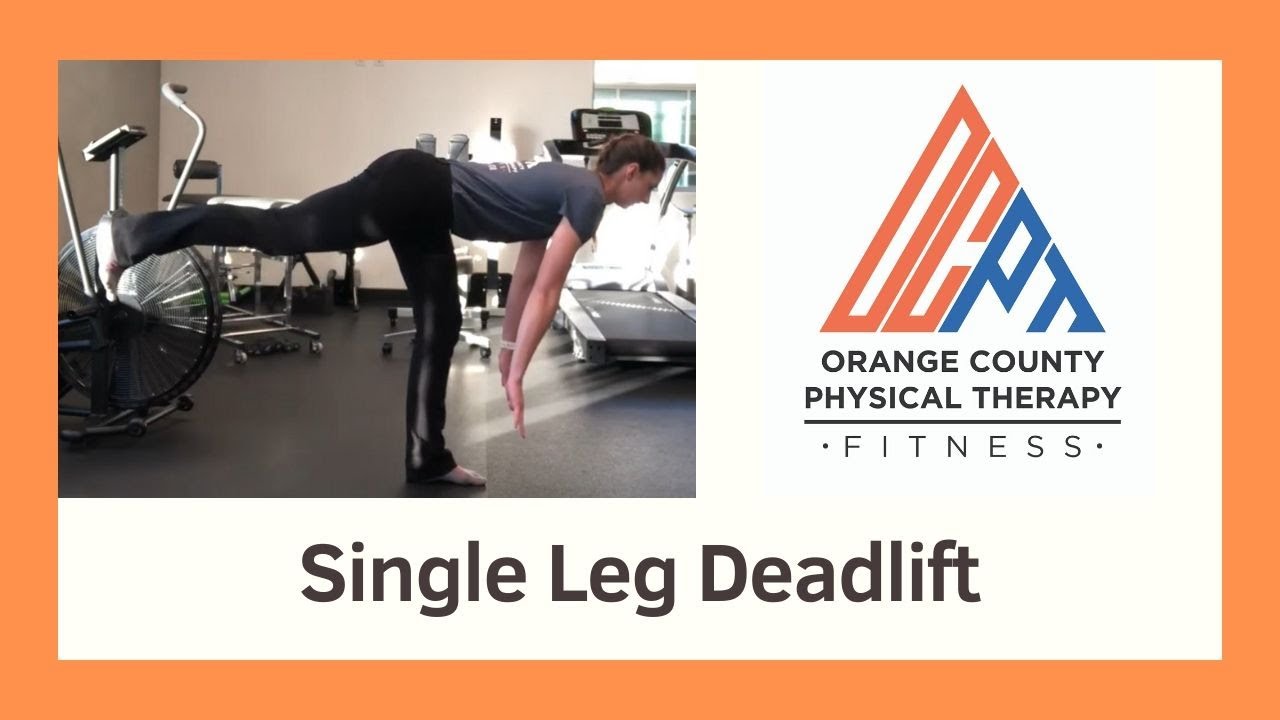
Sets: 3 Reps: 8–10 each side
How to do it:
- Stand with your weight in your left leg and a slight bend in your left knee.
- Hinge forward from the hips, lifting your right leg behind you, keeping your back neutral and your hips square to the floor.
- Hinge until your torso and right leg are parallel to the floor, or as close as your mobility allows, then pause and clench your glutes.
- Push your hips forward to return to standing
- Do all your reps on one side, then switch swides.

Dr Andrew Gorecki develops and implements Remote Therapeutic Monitoring (RTM) solutions to improve patient engagement and adherence to home exercise programs. He is also the owner of Superior Physical Therapy, an outpatient orthopedic private practice in Northern Michigan, and the founder of MovementRx, a digital health platform designed to enhance clinical efficiency and patient outcomes in physical therapy.
