




Kori Sampson swears by a 600-rep abs finisher to strengthen his core—here’s how to tailor it to your ability
Use this as a standalone core workout or a comprehensive abs finisher


Model, endurance athlete and iFIT trainer Kori Sampson doesn’t do things by halves.
In 2025, he ran the width of Britain—a formidable 755km including 8,185m of elevation—then followed it up by conquering the inaugural Trainer Games to be crowned iFIT's next star trainer.
Unsurprisingly, his workouts are similarly demanding.
“I like to keep things simple,” he tells Fit&Well, describing a typical 600-rep core finisher he swears by to underpin his feats of strength and endurance.
“Anyone can do this at the end of a session, once or twice a week,” he insists.
And, in fairness, he’s right. The routine predominantly requires just your bodyweight, with the option to add a dumbbell to make it harder—in case 600 reps feels like child’s play.
But if you're a complete beginner, or under particular time constraints, a safer way to approach this routine would be to cut it down to a more manageable size.
How to do the workout
Sampson says he will perform five rounds of the below circuit, with minimal rest between moves and a short rest between each round.
Unless you boast similarly advanced core credentials, I’d recommend reducing the workload and aiming for one or two rounds in total.
You can then increase the number of sets, or add weight with a dumbbell, as your strength improves.
Another way to modify this routine would be to work for time, rather than total reps, allowing you to focus on good form rather than racing through the move to hit an arbitrary rep total.
For example, work for 20 seconds, rest for 10, and so on for three minutes per round. Then take a 30-second rest before repeating the circuit two or three times more.
The workout in brief
- Sit-up x 20
- Russian twist x 20
- Plank x 20sec
- Side plank x 20sec each side
- Leg raise x 20
Exercise guides
1. Sit-up
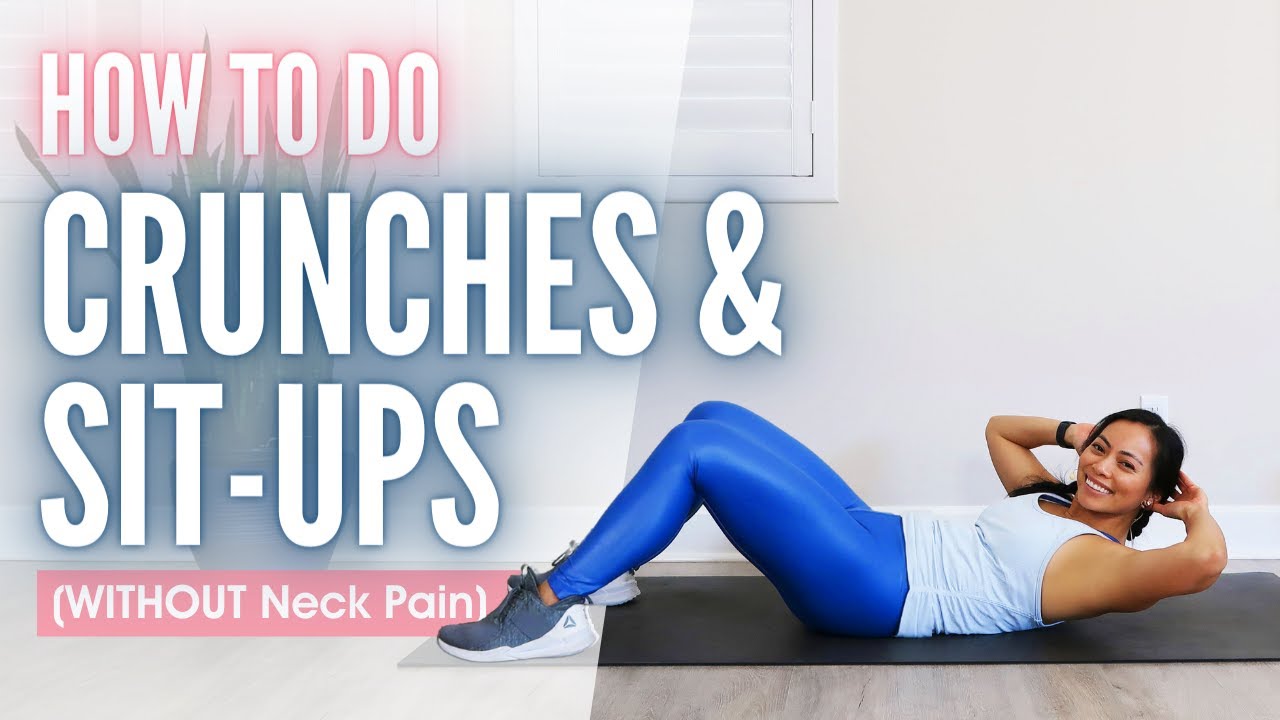
Reps: 20 or Time: 20sec
- Lie on your back with your knees bent, feet flat on the floor and fingers by your temples.
- Press your lower back into the floor to engage your deep core muscles.
- Peel your head and upper back off the floor, bringing your elbows toward your knees.
- Lower back to the start with control.
Make it harder: Sampson suggests holding one dumbbell in both hands with straight arms above the chest. As you come forward into a sit-up, lift the dumbbell overhead.
2. Russian twist
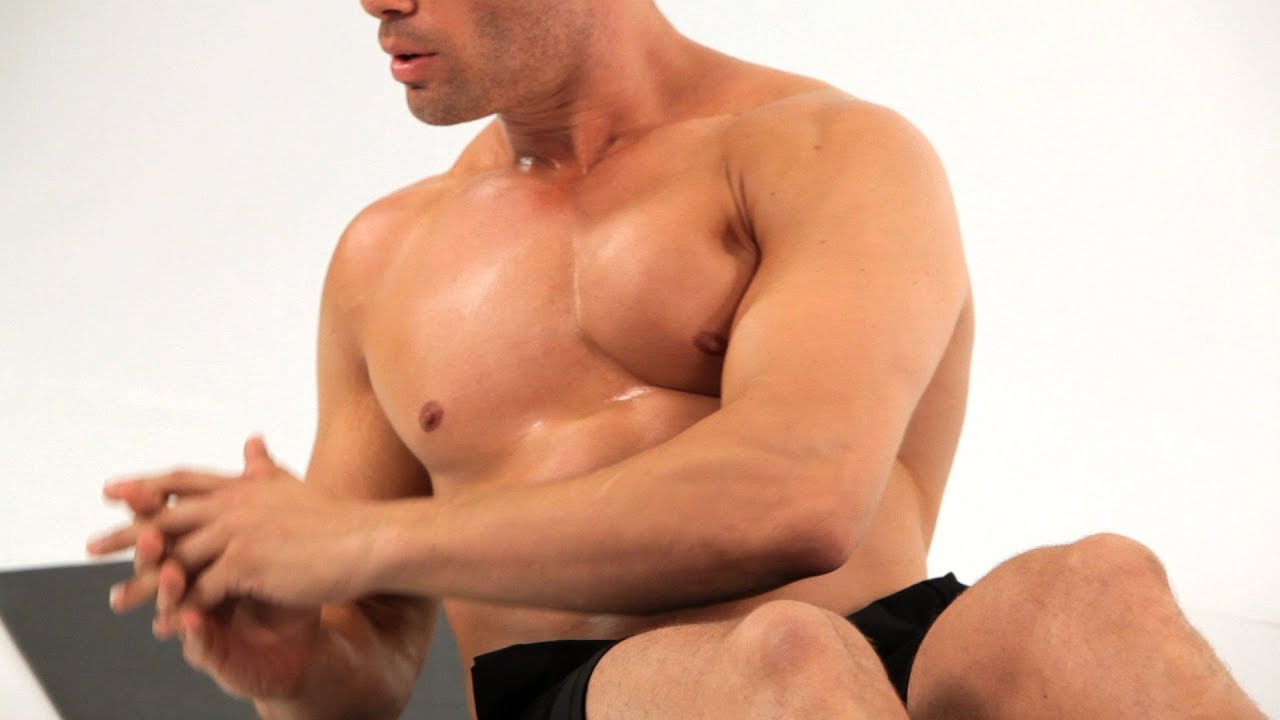
Reps: 20 or Time: 20sec
- Sit on the floor with your knees slightly bent and your heels resting lightly on the floor.
- Lean back so your torso is at a 45˚ angle with your hands together in front of your chest.
- With control, rotate your torso to the left and tap your hands on the floor to your left, that's one rep.
- Repeat on the other side, alternating sides with each rep.
- Focus on initiating the movement with your core and trunk rather than your shoulders.
- Once this feels comfortable, you can progress by lifting your feet just off the floor.
Make it harder: Sampson suggests holding one dumbbell or kettlebell in both hands, bringing the weight across your body to gently tap the floor to your side with each rep.
3. Plank

Time: 20sec
- Start on your front with your weight supported by your forearms.
- Position your feet around hip-width apart—a wide stance will provide greater stability.
- Lift your hips so your body is in a straight line from head to heels, with your weight on the balls of your feet—hold this position for time.
- Keep your gaze between your hands and breathe normally.
- You can also perform this move on your knees, just ensure your body is aligned from head to knees rather than letting your hips sag.
Make it harder: Draw your elbows toward your toes to increase the intensity in your deep core muscles—just remember to keep breathing normally. Those tremors you're feeling are normal, honestly.
4. Side plank
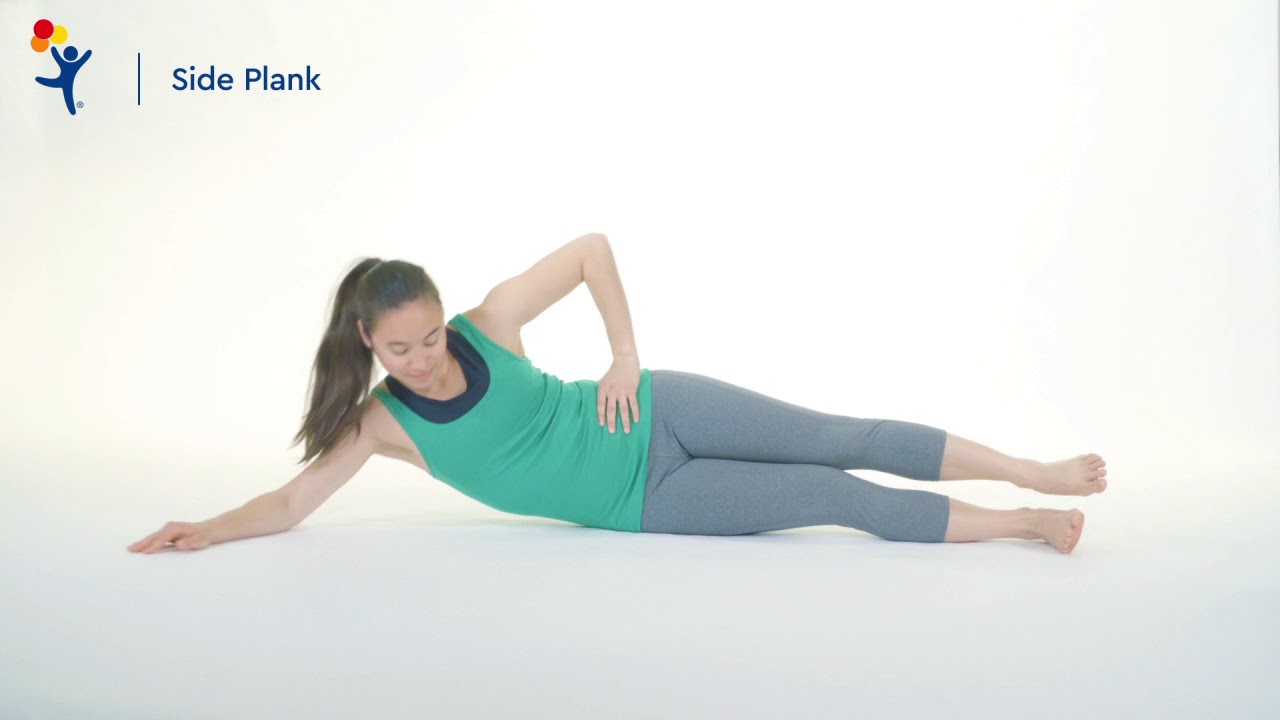
Time: 20sec each side
- Lie on your side with your weight supported by your forearm.
- Stack one foot on top of the other and lift your hips so your body is in a straight line from head to heels—hold this position for time, then repeat on the other side.
- Place your other hand on your side or hip and focus on keeping your shoulders aligned rather than letting your top shoulder drift forward.
- Continue to breathe normally, ensuring your hips don’t sag.
Make it harder: Pulse your hips up and down or lift and hold your top leg a few inches above your bottom leg to increase the challenge for your obliques.
5. Leg raise
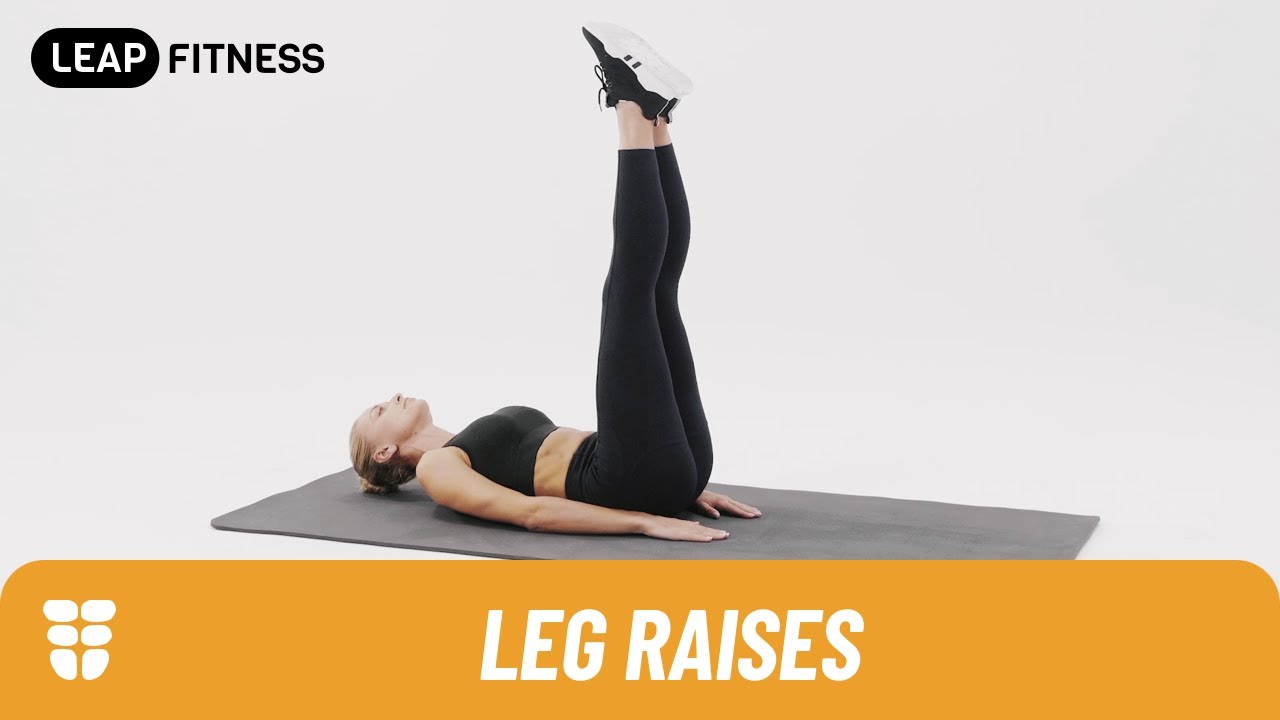
Reps: 20 or Time: 20sec
- Lie on your back with your knees tucked into your chest, and hands on the floor, palms down, beside your hips to provide stability.
- Lift your head to tuck your chin toward your chest and gently press your lower back into the floor to help engage your deep core muscles.
- Extend your legs straight above you and, keeping them together, lower them as far as you can without letting your lower back arch off the floor.
- Raise your legs straight up to complete the rep.
- Focus on slow and controlled movement, initiated by your core, and remember to breathe throughout.
Make it harder: If you have access to a bar, Sampson suggests performing these as hanging knee or leg raises. Hang down, bend your knees or keep them straight, and lift them until your thighs are parallel with the floor. You'll likely need to modify the rep range: five reps is plenty per round.

Follow Fit&Well on Google News (by clicking on the star on the Google News page at the preceding link) add us as a preferred source to see all our workout ideas and wellbeing advice in your feeds.

Winner of the inaugural iFIT on Prime Video, Kori Sampson is now an iFIT trainer. As a lifelong athlete, he turned his dedication to fitness into a career after finding sobriety 10 years ago. Known for pushing boundaries and rejecting conventional wisdom, he brings grit, discipline, and unapologetic intensity, specializing in hybrid training, running and weightlifting. Sampson has a Level 2 CYQ Certificate in Fitness Instructing, a Level 3 certificate in Personal Training (QCF) and Level 3 certificate in Anatomy and Physiology for Exercise and Health (QCF).
