




Regular readers of Fit&Well know how important a strong core is for good posture, balance, and functional movement. It’s why we’re constantly directing readers to our essential guide on how to engage your core muscles.
But someone who has an even better appreciation of core strength than us is Jill Brown, a 59-year-old board-certified health and wellness coach, personal trainer and Pilates instructor.
“I was diagnosed with degenerative disc disease at 35, which only gets worse with age,” she tells Fit&Well. “Having the strongest core muscles possible and creating as much stability as I can is crucial to putting off a spinal fusion.”
So given the importance of a strong core to Brown, I had to know which exercises she relies on to achieve that. “All of these exercises are physical therapy based. I do a bunch of variations to keep them interesting,” she says.
They’re all progressions on fundamental core exercises, including two of the McGill Big 3, so if you’re planning on trying any of the below, make sure you have mastered the basic movement first.
1. Weighted bird dog
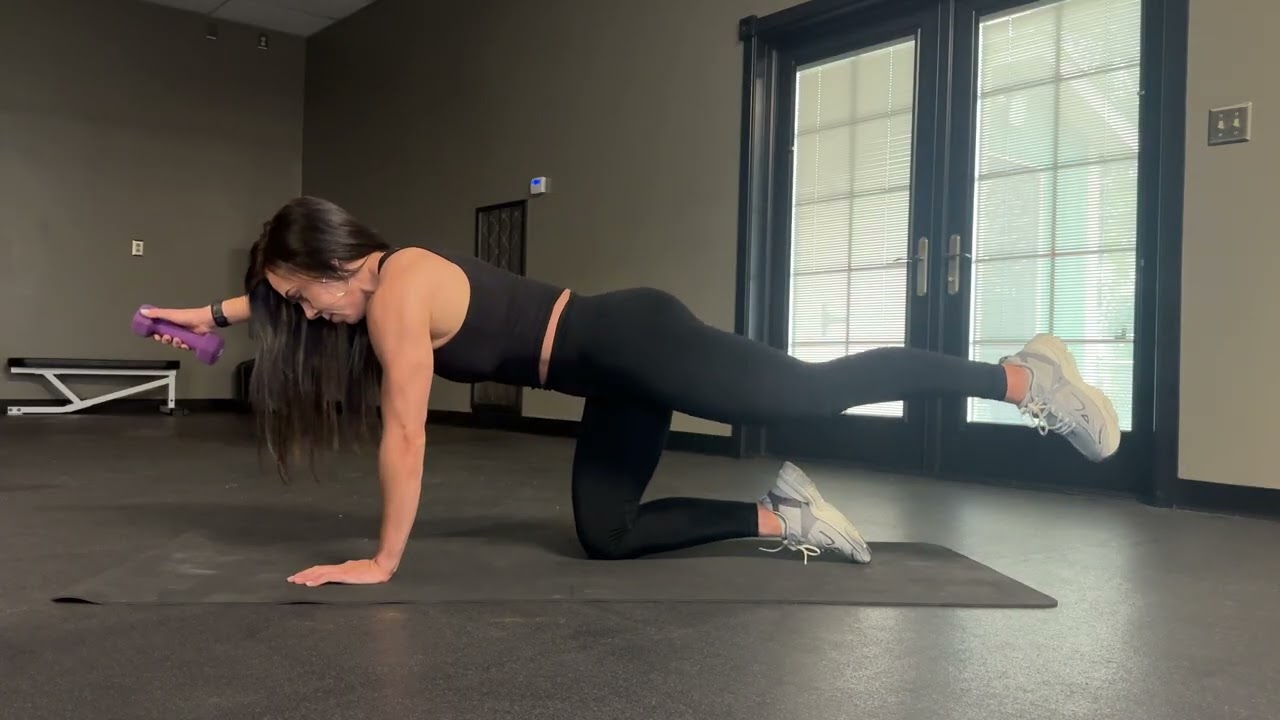
A simple way to make bird dogs more challenging is to add weight. Brown uses light dumbbells – anything from 3lb to 5lb.
“The key is to make sure you're lifting your opposite arm and leg and returning them to the floor at the exact same time,” she says. “Most people cheat by getting a head start with either an arm or leg, which defeats the whole purpose of creating core stability.”
How to do it:
- Get on your hands and knees, with your hands directly beneath your shoulders and your knees beneath your hips, holding a light dumbbell in your right hand.
- Engage your core.
- Simultaneously lift your right arm in front of you and lift and extend your left leg behind you, keeping your hips level.
- Slowly lower your arm and leg back to the starting position at the same time.
- Do all your reps on one side, then switch sides.
2. Dead bug with a Pilates ring or ball
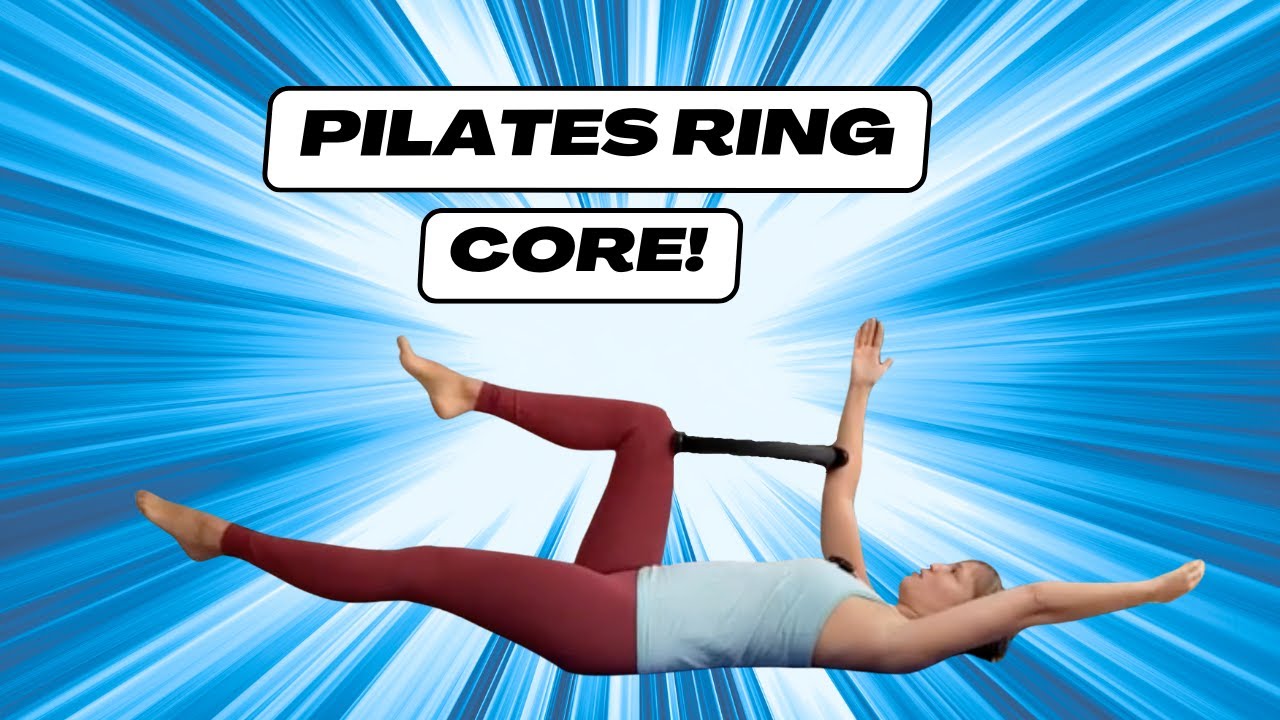
“These are one of the safest exercises for people who need to strengthen their core,” says Brown. “It's easy to make them harder simply by pushing the ball or ring harder.”
How to do it:
- Lie on your back with your arms extended straight up and your knees directly above your hips and bent to 90°.
- Place a small exercise ball or Pilates ring between your right hand or elbow and left knee, pressing gently to create tension.
- Keeping your core engaged, slowly lower your left arm behind your head and extend and lower your right leg, without arching your lower back.
- Return to the starting position.
- Do all your reps on one side, then switch sides.
3. Side plank leg lift

“Side planks are a must for anyone with spine problems since they help correct imbalances,” explains Brown.
How to do it:
- Lie on your right side propped up on your right forearm with your right elbow directly beneath your right shoulder and your left leg stacked on top of your right.
- Engage your core.
- Lift your hips, creating a straight line from your head to your feet.
- Keeping your hips lifted and core engaged, slowly raise your left leg.
- Perform all your leg lifts, then switch sides.
Make it easier: Keep your bottom knee on the floor.
4. Banded clamshell
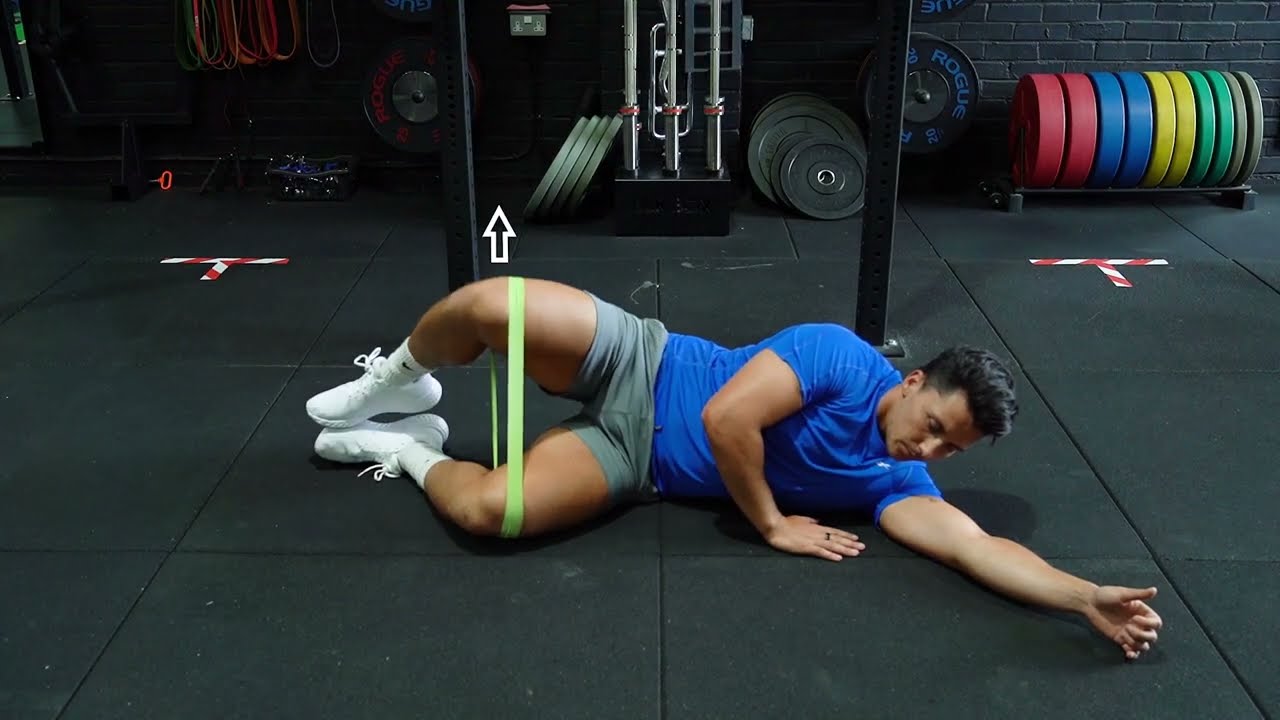
“These are personal training 101 for hip and knee pain,” Brown says. “I’ve been doing them for over 25 years. I was born with a bad hip and these are mandatory.”
- Lie on your right side with your knees bent and a resistance band wrapped around your legs, just above your knees.
- Slowly lift your left knee, keeping your feet together and your hips vertical.
- Slowly lower your knee back to the start.
- Do all your reps on one side, then switch sides.
5. Bear pose with shoulder tap
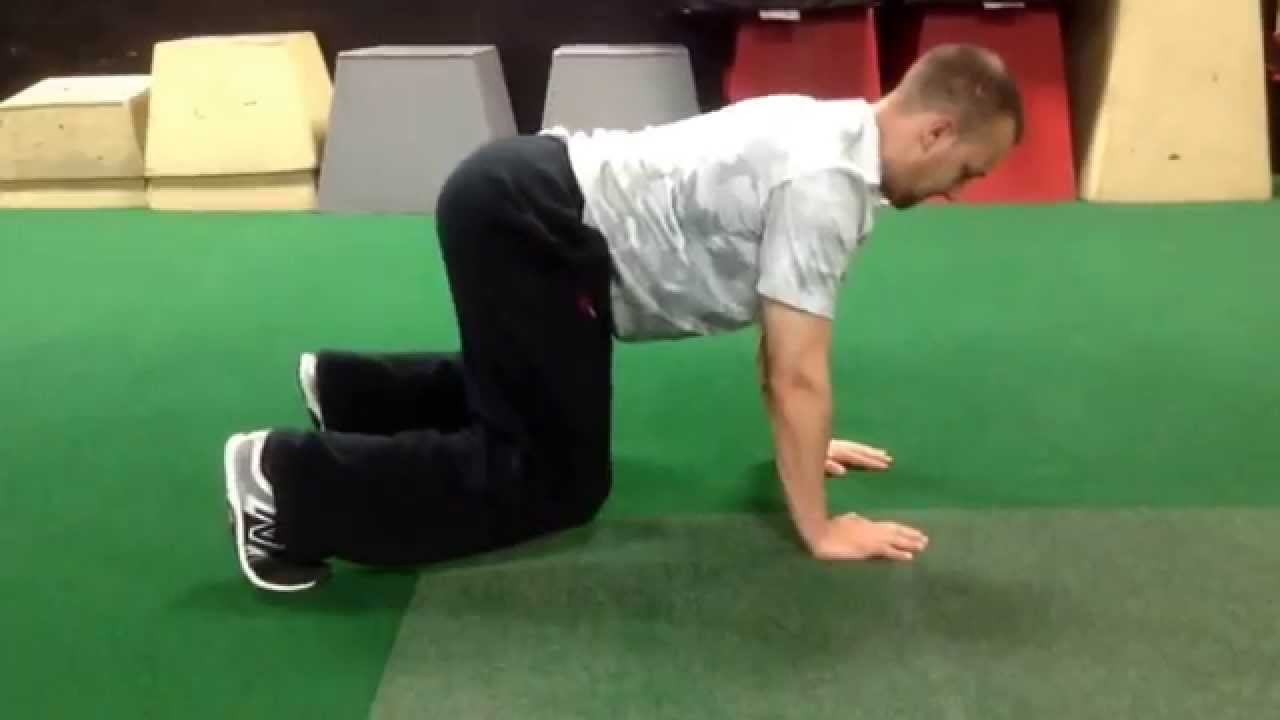
“This is a simple bodyweight exercise you can do anywhere,” says Brown. “The trick is to keep your knees directly under the hips and as close to the floor as possible while tapping the shoulders.”
How to do it:
- Get on your hands and knees, with your hands directly underneath your shoulders and your knees directly underneath your hips.
- Engage your core.
- Lift your knees an inch off the floor.
- Keeping your hips as still as possible, lift one hand to tap your opposite shoulder.
- Return your hand to the floor and alternate sides without allowing your knees to rise.