




What’s the best home cardio machine for seniors? An expert explains the benefits of bikes, treadmills and rowers
Choosing a home exercise machine as you get older? Here’s how bikes, treadmills and rowers compare


As we lose the physical ability of our youth, it’s natural that we become more cautious of exercise—especially as aches, pains and maybe even injuries mount up. But that can only hasten decline, so staying active becomes increasingly important for maintaining strength, mobility, independence and the joy that can come from moving your body.
And it’s not just about going for a gentle walk. Older adults can benefit from a mix of more intense cardiovascular exercise, strength training and balance drills.
But if you're looking to get fitter at home, which cardio machine should you invest in? An exercise bike, treadmill or rowing machine?
“Advice used to focus largely on gentle, steady, low-intensity exercise for older adults,” says Pilates instructor Andrew Griffiths, a fitness expert and nutritionist at Net World Sports, “but we now know there’s a lot to be gained from incorporating some faster, more powerful movements, too.
“Of course, you need to take individual health, fitness and injury history into account, but even relatively small amounts of exercise at a higher intensity can have benefits.”
Unless you want to join and travel to a gym regularly, one of the most convenient ways to add intensity to your cardio workout is with a home cardio machine.
Here, Griffiths compares three popular types of home cardio machines, then explains which he thinks is the best choice for older adults.
Are exercise bikes good for older adults?
“An exercise bike’s biggest advantage is that it’s low-impact—you’re seated and supported while exercising,” says Griffiths.
“It’s a good option for anyone who finds weight-bearing exercise uncomfortable, as cycling puts relatively little impact on the joints. It’s also relatively straightforward to use, so you can build up your fitness gradually.”
Are treadmills and walking pads good for older adults?
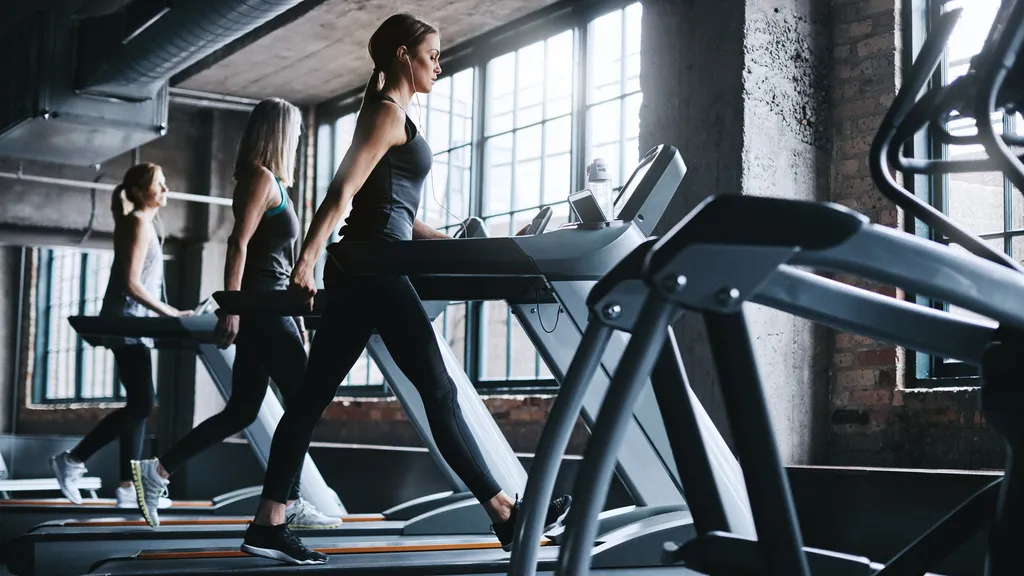
Treadmills and walking pads are useful for improving cardiovascular fitness and maintaining your ability to walk. However, the moving belt can be challenging if you have balance or mobility problems.
“For someone who’s already fit and confident on their feet, a treadmill could actually be a better choice than an exercise bike,” says Griffiths. “Walking is a functional activity that helps maintain your ability to move around in everyday life, and it also challenges your balance.”
Are rowing machines good for older adults?
Rowing machines offer an excellent full-body workout, recruiting the legs, back, arms and core. However, they can be more difficult for some older adults to use.
“Getting on and off the low seat can be tricky, and there’s more technique involved,” says Griffiths. “If you don't row correctly, you can put unnecessary strain on your lower back and neck, so it’s worth getting some guidance from a personal trainer or gym instructor.”
The best type of home cardio machine for older adults
Ultimately, there's no single machine that's right for everyone. If you have concerns about your balance, mobility or existing injuries, it's worth considering these before making a purchase.
But if Griffiths had to choose one machine for his own home, it would be an exercise bike.
“Even at 45, with a history of old injuries, I find it really versatile. You can hop on after a day of sitting, cycle gently for a minute or two to warm up, then progress to a more challenging session with intervals.

“With a treadmill, you'd generally need a longer warm-up before attempting high-intensity sprints, which can put more strain on your hamstrings and Achilles tendons.”
A freely available indoor cycling plan has also been shown to be effective in reducing hip pain.
He also recommends thinking about where in your home you put your exercise bike.
“In his book Atomic Habits, James Clear talks about reducing friction—essentially, making habits as convenient as possible. If you can keep your exercise bike somewhere visible, such as the living room rather than tucked away in the garage, you're more likely to hop on for a minute or two whenever you walk past.
“I use this principle myself and try to do a 30-second burst on my exercise trampoline whenever I walk through the dining room.”
“Research suggests that exercise snacks—short bouts of exercise—can be beneficial, particularly for people who struggle to fit longer workouts into their day,” says Griffiths. “The important thing is to build up gradually and find something you can stick to.”
20-minute exercise bike workout for older adults
You don't need to spend hours cycling to make a difference to your fitness. Griffiths recommends combining steady cycling with short bursts of slightly harder effort.
Steady-state cardio involves cycling at a consistent pace and effort, while interval training alternates easier periods with shorter, more challenging efforts.
If you're new to exercise, start with comfortable, steady cycling and gradually introduce short intervals as your fitness improves.
This beginner-friendly session combines steady cycling with short bursts of slightly harder effort.
Warm-up
Time: 5min
- Pedal at a very easy, comfortable pace.
- Keep the resistance low.
- Gradually build up your effort to prepare your body for exercise.
Workout
Time: 10min
- Cycle at a comfortable, steady pace for two minutes.
- Increase your effort for 30 seconds by pedalling slightly faster or adding a little resistance.
- Return to your comfortable pace for two minutes.
- Repeat the two-minute steady, 30-second harder pattern four times in total.
“The easier two minutes give you time to recover, so there's no need to stop pedaling completely,” says Griffiths.
Cool-down
Time: 5min
- Return to very easy pedalling.
- Gradually reduce the resistance.
- Allow your breathing and heart rate to settle.
“The harder intervals should feel slightly more challenging, but you should still be able to hold a conversation,” says Griffiths. “The idea is to build your fitness without making the workout feel overwhelming.”
He suggests starting with two or three sessions a week, increasing the duration or intensity gradually as your fitness improves. If you're new to exercise, have a health condition or haven’t been active for some time, check with your doctor or a healthcare professional before introducing harder intervals.
“An exercise bike is just one way to stay active,” says Griffiths. “Older adults should also try to include strength and balance exercises in their weekly routine to help maintain mobility and independence.”


