





If you have trouble walking, this daily four-minute strength workout can make a real difference to how well you age
The FAST-2 workout shows that less than five minutes of exercise a day can make a difference to mobility in the over-65s


It’s common knowledge that while muscle strength and mobility naturally decline with age, exercise can help stall and even reverse this trend.
But we also know that most people get nowhere near the recommended amount of exercise—which is two sessions of resistance training a week on top of 150 minutes of moderate aerobic exercise, according to the CDC.
What if less resistance training could still make a difference? To find out, researchers at Penn State College of Medicine ran a 12-week trial.
They asked inactive over-65s with a pre-existing walking difficulty to complete a four-minute daily workout—and the results of their study showed this short burst of exercise was enough to increase their strength.
“The human body is designed to improve very quickly,” lead author Christopher Sciamanna, professor of medicine and of public health at Penn State College of Medicine, said on the Penn State website. “And just a few repetitions of an exercise performed regularly can lead to huge improvements.”
The workout was dubbed FAST-2, with FAST standing for Functional Activity Strength Training. It was made up of four exercises performed for 30 seconds each, with as many repetitions of the exercise performed as possible. Participants rested for 30 seconds, then moved on to the next exercise.
Below I’ve provided a rundown of the four exercises, including the modifications the study provided if a participant found the standard exercise too difficult.
Bear in mind that this routine isn’t suitable for everyone. For instance, while recruiting, the authors did not accept people who were unable to walk without equipment onto the study. Participants also received periodic coaching over a video call.
If you’re unsure how to execute a move, it’s always a good idea to work with a qualified professional who can match exercises to your ability, but you can be reassured that as long as you regularly perform short bouts of exercise, you can expect noticeable improvements.
1. Push-up
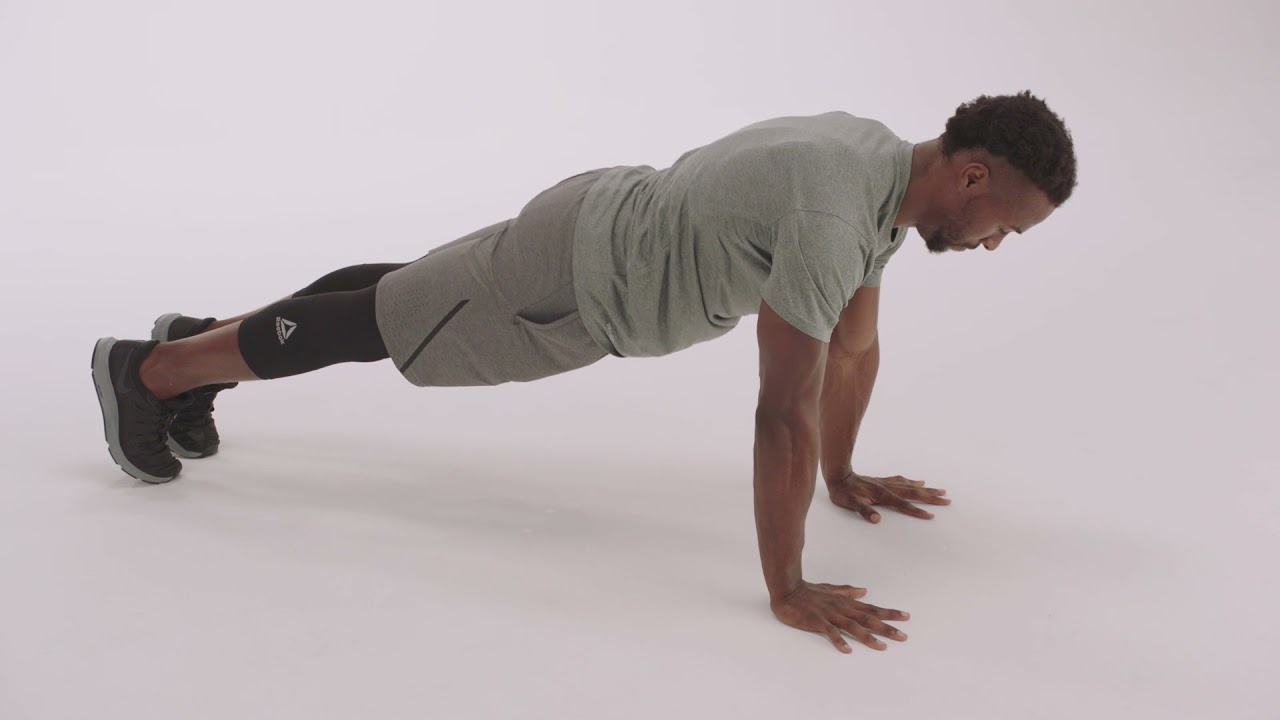
Because many people can’t do a push-up, the study provided plenty of options for modified push-ups, the easiest being wall push-ups, progressing to incline push-ups using stairs or a countertop, and finally knee push-ups. The study said that once a participant was able to do 15 repetitions of one type of push-up, they could graduate to a more difficult variation.
2. Chair stand

The standard form of the exercise in the study required both arms to be folded across the chest, but participants could also place one or both hands on the knees if needed.
3. Two-arm row
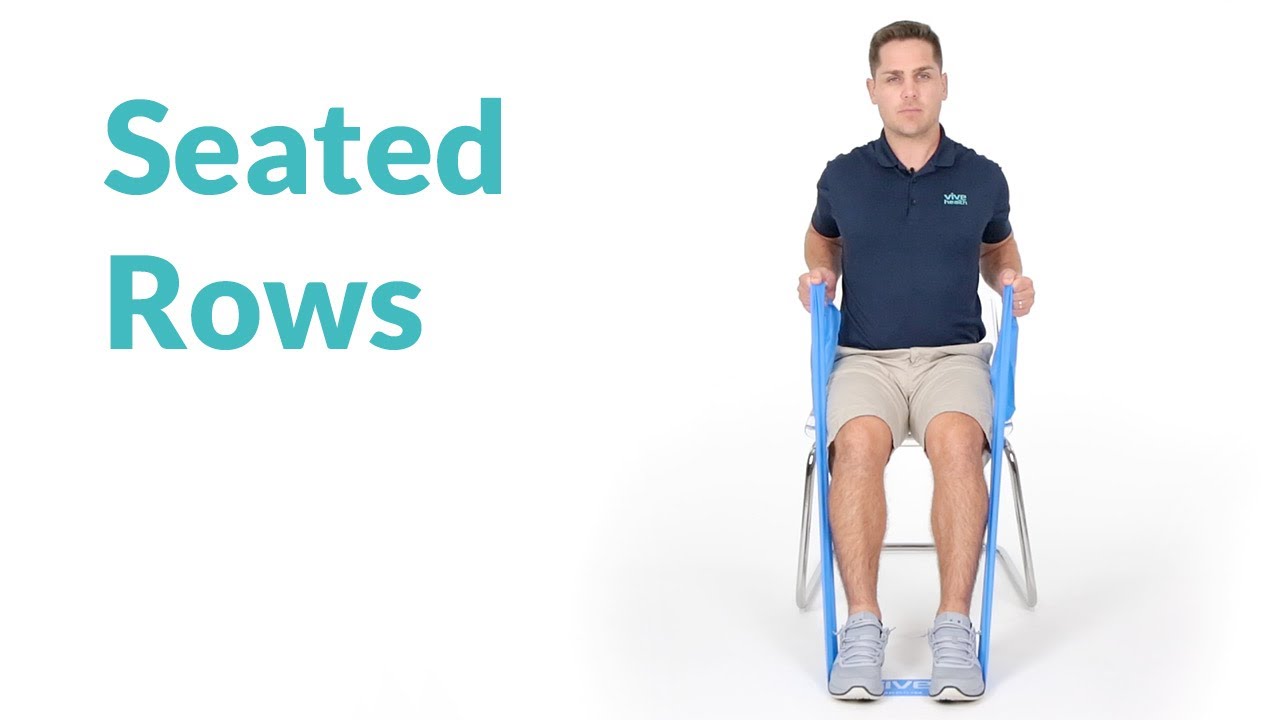
Participants had access to four exercise bands with handles, providing between 10lb and 40lb of resistance (if you’re looking for something similar, I recommend Stroops, which encases the rubber in a protective sleeve for safety). The version of this back exercise was performed seated, with both feet holding the band on the floor. If you’re doing this exercise yourself, you can also buy attachments to anchor the band to a door.
4. Stair stepping
Participants were provided with an aerobic step with interchangeable risers so the step could be set to four, six and eight inches high. To perform the exercise, participants would step both feet onto the raised surface, one at a time, then return both feet to the floor, alternating which foot led the movement. Once they were able to rise onto the step six times in 30 seconds, they were instructed to raise its height.
