A trainer says you should try these three static holds to build muscle, improve joint stability and lower your resting blood pressure
Improve your health and fitness without high-impact moves


A lot of us picture dynamic, high-energy movements when we hear the word exercise, but you can get an effective workout without jumping or sprinting.
Isometric exercises—where you hold a position for a period of time—are among the best ways to lower your blood pressure, according to research published in the British Journal of Sports Medicine.
The large-scale systematic review and meta-analysis found that isometric holds lower blood pressure more effectively than aerobic exercise, high-intensity interval training, dynamic resistance training and combined training.
Beyond the cardiovascular benefits, trainer Rosie Borchert of REP Fitness US explains that isometric exercises are a great choice for those working out with injuries.
“Isometric exercises help build strength and stability in joints without the repeated rep-based motion that can sometimes aggravate symptoms,” she says.
She recommends the following three exercises for your leg, shoulder and core strength.
1. Wall sit
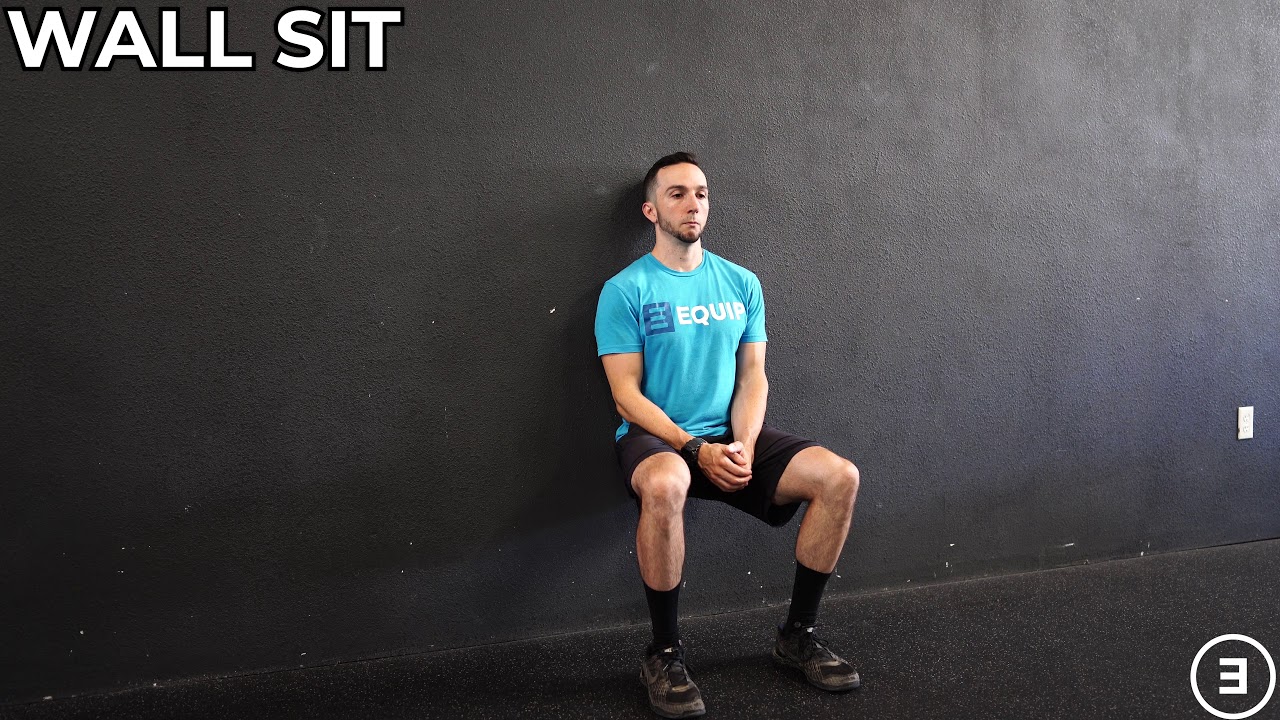
“I love a wall sit because it’s a simple move you can do anywhere to build strength and endurance in your quadriceps, while giving some love to your glutes, core and stabilizer muscles,” says Borchert.
How to do it:
Sets: 1-3 Hold: 15-30sec Rest: 30-60sec
- Position your back against a wall with your feet flat on the floor in front of you, and shoulder-width apart.
- Bend your knees and slide your back down the wall as though you are sitting down in an imaginary chair.
- Stop when your thighs are parallel to the floor and adjust your feet if needed to make sure your knees do not extend past your feet.
- Hold for 15-30 seconds to start, then slide back up the wall to come back to standing.
Form tip: Engage your core and don’t let your knees cave inward.
2. Active dead hang
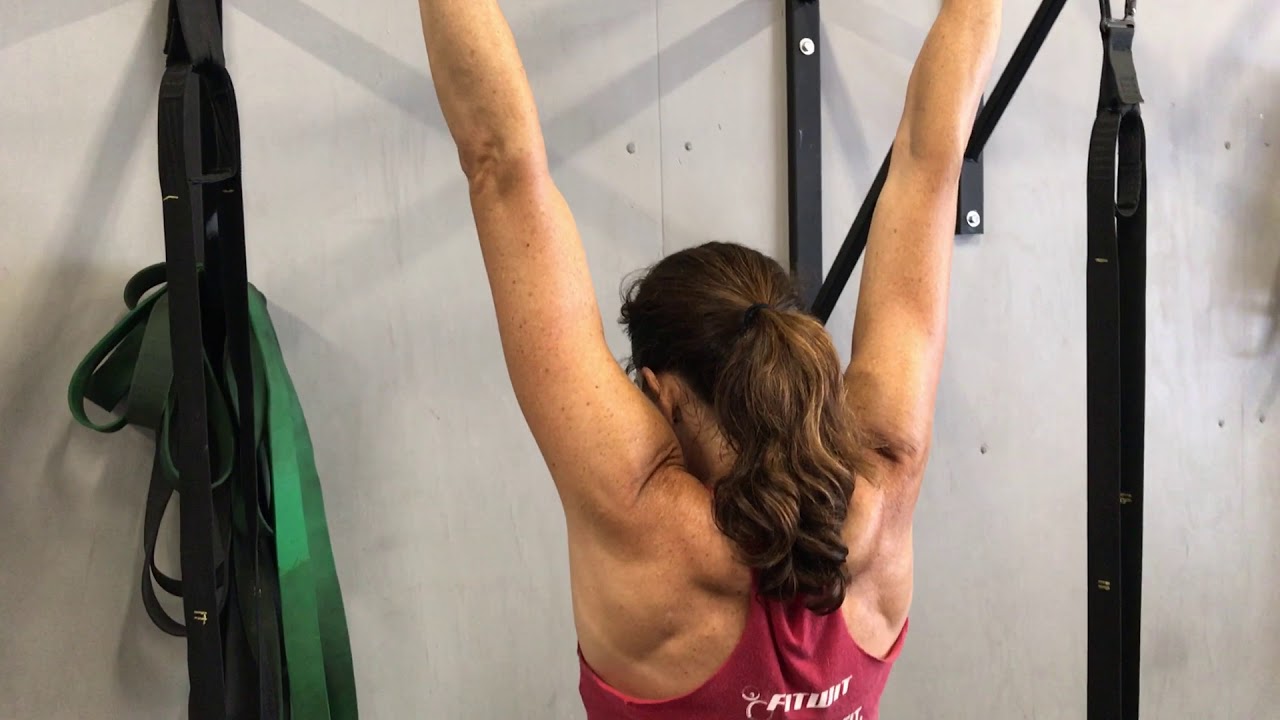
“An active dead hang is my go-to for shoulder health, increased grip strength and endurance,” says Borchert.
“This exercise primarily targets the muscles in your forearm as your grip fights to hold on, as well as your delts, lats and lower traps, which engage as you pull your shoulder blades down and back.”
How to do it:
Sets: 1-3 Hold: 15-30sec Rest: 30-60sec
- Grasp a pull-up bar with your hands slightly wider than shoulder-width apart and your palms facing away from your body.
- Bend your knees slightly to lift your feet off the floor so your body hangs under the bar.
- Allow your elbows to straighten under the load and pull your shoulders down and back.
- Maintain tension in your core, shoulders and upper back as you hang.
- Put your feet back on the ground to come out of the hold.
Modification: You can cycle between an active and passive dead hang to add some spinal decompression.
- After your active dead hang (above), release the tension from your shoulders, allowing your body to hang limp from the bar.
- Hold for a few seconds, then re-engage your shoulders, pulling yourself back up into an active dead hang.
- Cycle between these two moves as long as your form remains solid.
3. Plank

“We typically think of a plank as core work, which it is since it’s primarily targeting your rectus abdominis, transverse abdominis, obliques and erector spinae, but it also gives your shoulders, chest, upper back, arms, glutes and legs a workout—as they work to maintain balance and alignment,” says Borchert.
“It can help you build core strength, improve posture and help with lower back pain.”
She adds: “I love to drop down into a plank during a commercial break to see if I can hold it until my show comes back on.”
How to do it:
Sets: 1-3 Hold: 15-30sec Rest: 30-60sec
- Start on your hands and knees on the floor with your hands under your shoulders and your knees under your hips.
- Lower onto your elbows, positioned directly beneath your shoulders and extend your legs behind you.
- Come onto the balls of your feet so your body forms a straight line from your head to your heels.
- Engage your core, squeeze your glutes and slightly tuck your tailbone to eliminate any rounding or arching in your back.
- Hold for 15-30 seconds, then drop your knees to the floor to come out of the position.
Form tip: Keep your head and neck relaxed by looking down at the floor.
