




My 73-year-old dad uses this three-move dumbbell routine to build functional, full-body strength
When life leaves you with zero time to work out, you have to be efficient


My 73-year-old dad has always been active, but he’s recently neglected his strength work. He cares for my mother, who has Parkinson’s, so he ends up with little time for himself.
But at his age, maintaining and building strength is vital.
As we get older, muscle mass naturally declines, joints become stiffer and reduced grip strength impacts everyday activities.
Maintaining these things takes work. So with my personal trainer hat on, I stepped in with a plan.
I bought him a rack of light-to-medium dumbbells and refreshed his memory on proper form—how to hold a weight close to your chest, how to engage your core, and the importance of maintaining an upright position when lifting weights.
We spent a few weeks focusing solely on bodyweight movements, practicing good technique for the squat, hip hinge, lunge and pushing movements.
Given his limited time, I suggested focusing on three essential moves to build functional, full-body strength and maintain his mobility: the dumbbell goblet squat, dumbbell row and dumbbell overhead press.
Here’s how to do them and why they’re so effective.
1. Dumbbell goblet squat
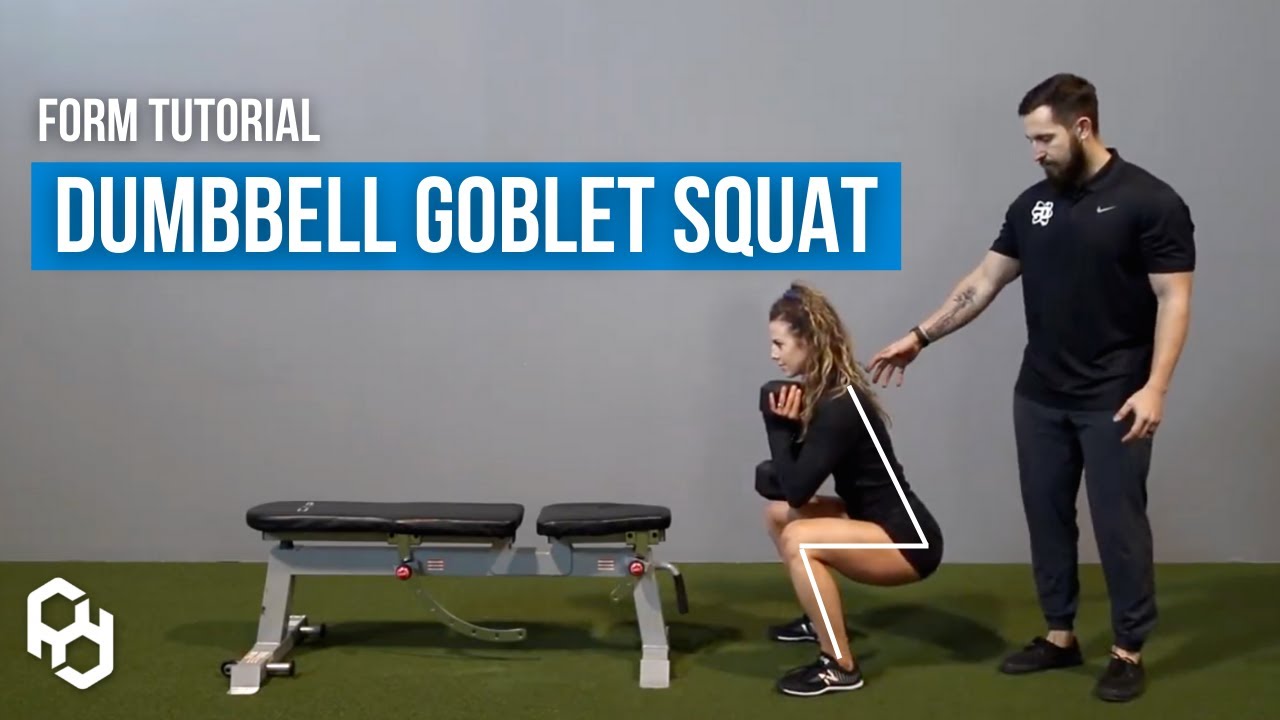
Why it’s important: This functional exercise mimics moves everyone does daily—standing up from a chair, getting off the toilet or bending down to pick something up. Practicing it improves strength, balance and stability. The weight adds resistance, helping to strengthen bones and muscles in your glutes, legs and core.
How to do it:
Sets: 3 Reps: 8-12
- Stand with your feet shoulder-width apart, toes pointing outward slightly and a dumbbell held vertically at your chest.
- Push your hips back, bend your knees, and lower until your thighs are roughly parallel to the floor or lower.
- Keep your chest upright, core engaged and knees out, over your toes, not caving in.
- Push through your heels to return to standing.
Make it easier: Perform a bodyweight squat until you build the confidence and strength to add weight. For extra support, use a chair for a sit-to-stand exercise.
2. Single-arm dumbbell row
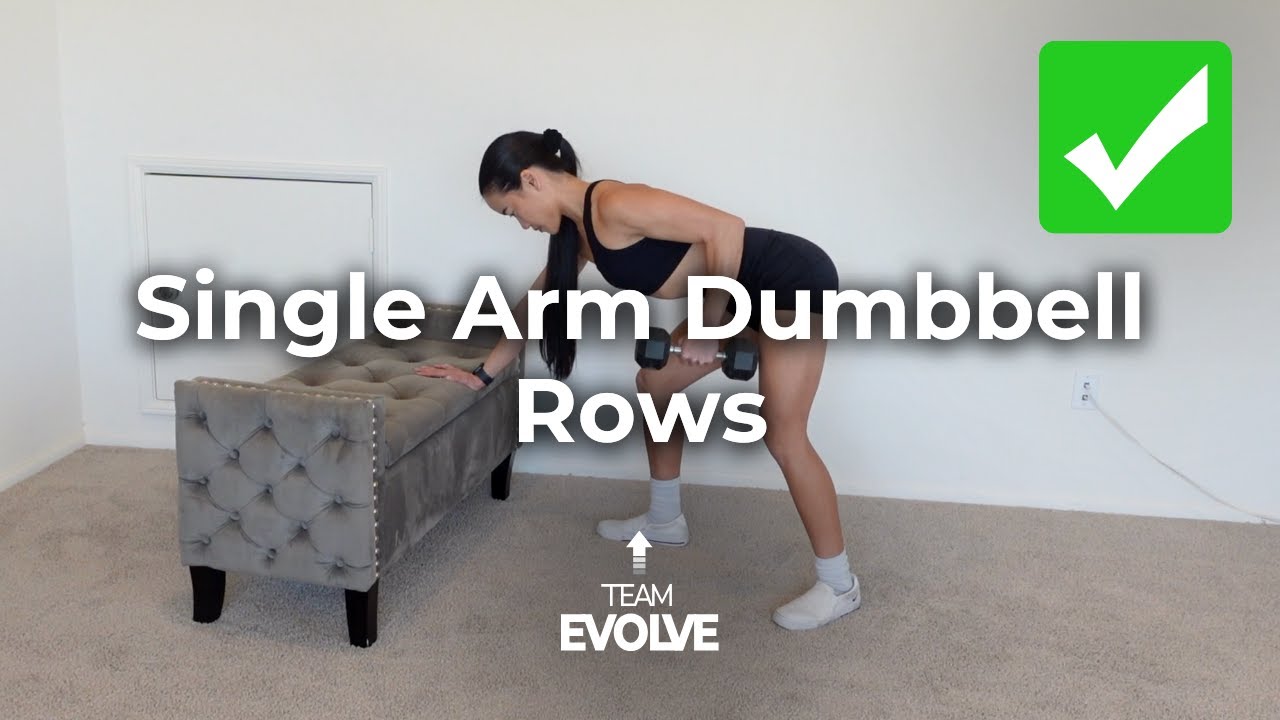
Why it’s important: This move builds your back and strengthens the pulling action everyone needs in everyday life (think picking your bags up from the floor). It also helps to counteract the forward-leaning tendency that’s common with older age. Rows also strengthen your shoulders, which can help protect them from injury.
How to do it:
Sets: 3 Reps: 8-12
- Stand with your feet hip-width apart, holding a dumbbell in one hand with the other hand on a sturdy surface beside you.
- Hinge at your hips, keeping a slight bend in your knees, lowering your torso to a 45° angle. Keep your back flat and your core engaged.
- Pull the weight toward your ribcage, squeezing your shoulder blade at the top of the movement.
- Lower with control.
Make it easier: Perform this kneeling on one knee for more stability.
3. Dumbbell overhead press
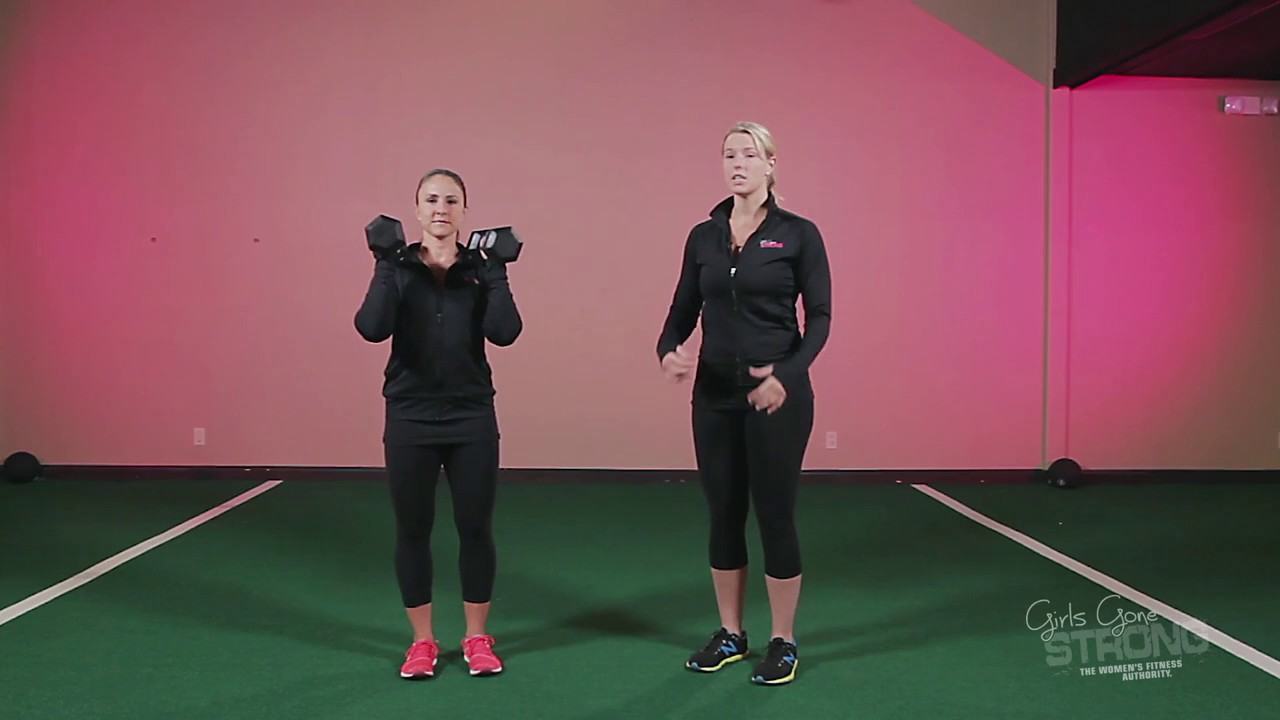
Why it’s important: Reaching for shelves, lifting objects and even dressing involve overhead pressing power. Doing this move will also improve your core strength and shoulder health.
How to do it:
Sets: 3 Reps: 8-12
- Stand with your feet hip-width apart, holding dumbbells at your shoulders—palms facing your ears.
- Engage your core, keep your chest upright and squeeze your shoulder blades together.
- Push the weights overhead.
- Pause briefly at the top, arms extended.
- Lower the weight back to your shoulders.
Make it easier: Perform a seated overhead press on a sturdy chair with back support. Or focus on using one arm at a time if bilateral pressing is too challenging.
Make it harder: Use a heavier weight if you’re comfortable and make it a push press instead of a strict press. The knee bend and leg drive in a push press will generate more power, allowing you to lift more weight overhead.
