




I’m blaming my desk job for giving me an anterior pelvic tilt and I’m doing these five exercises to remedy it
Anterior pelvic tilt doesn’t have to be a cause for concern, but it was at the scene of the crime when I was diagnosed with an injury, so I found out what I could do about it


I don’t want to alarm you, but there’s a good chance you have an anterior pelvic tilt (APT). Research suggests it’s widespread: 85% of men and 75% of women in a study group of 120 people had APT.
And there isn’t really any cause for alarm because every single person in that group was asymptomatic, which means they weren’t experiencing any of the negative impacts sometimes associated with APT—like tight hips and back pain.
APT is a postural pattern which occurs when the pelvis rotates forward and downward, while the back rises. A mild tilt isn’t necessarily a cause for concern, as the study shows, but while getting treated for IT band syndrome, caused by weak glutes, tight hip flexors and inward knee collapse, my sports injury therapist also diagnosed me with ATP, which can lead to muscle imbalances including—you guessed it—weak glutes and tight hip flexors.
My therapist didn’t go as far as saying that ATP was responsible for my injury, but there were clearly imbalances in my kinetic chain that I wanted to do something about. They suggested looking at my sitting position and taking plenty of standing breaks when working at a desk.
“Many times we sit with our feet underneath us instead of out in front of us, causing an exaggerated back arch or forward tilt of the pelvis,” says Liz Heikkila, a certified personal trainer at Life Time Minnetonka, Minnesota. “Without any posterior tilt or correction, our muscles then become tight and hold the position of our pelvis forward, even when standing or walking.”
Along with following this advice, I asked Heikkila what corrective exercises I could work on to help adjust my pelvic alignment and address APT-related imbalances. “Hip flexors, side muscles like our glute medius, and the posterior chain of glutes and hamstrings should be strengthened to form muscle memory and new habits,” says Heikkila.
Here are five exercises Heikkila recommends doing daily that I’ve incorporated into my own routine.
1. Pilates iso abs and pelvic tilt
This combination of exercises targets your deep core and mobilizes your pelvis.
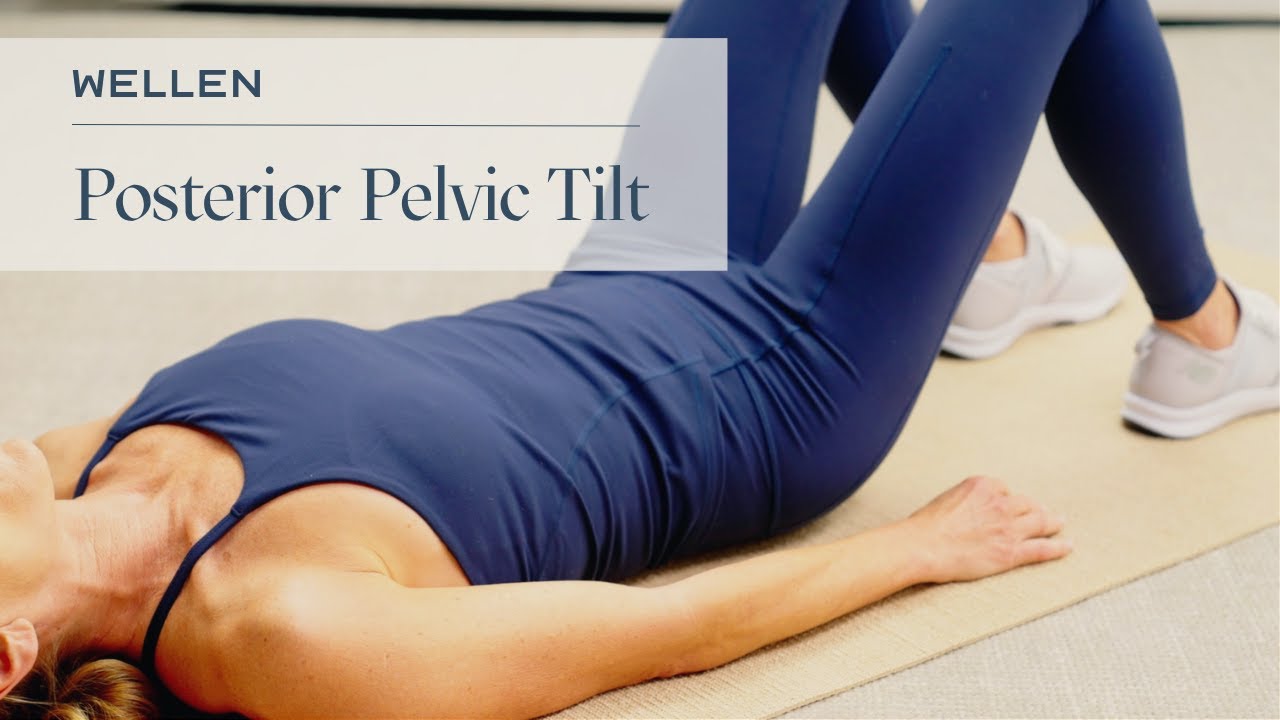
Sets: 2 Reps: 5-10 Rest: 30sec
How to do it:
- Lie on your back with your knees bent and feet on the floor, and your arms by your sides.
- Inhale as you pull your pelvis towards you, pulling in your abdominals from pelvic floor to ribcage, pressing your low back into the mat.
- As you exhale, release and arch your back by tilting your pelvis backwards
2. Glute bridge
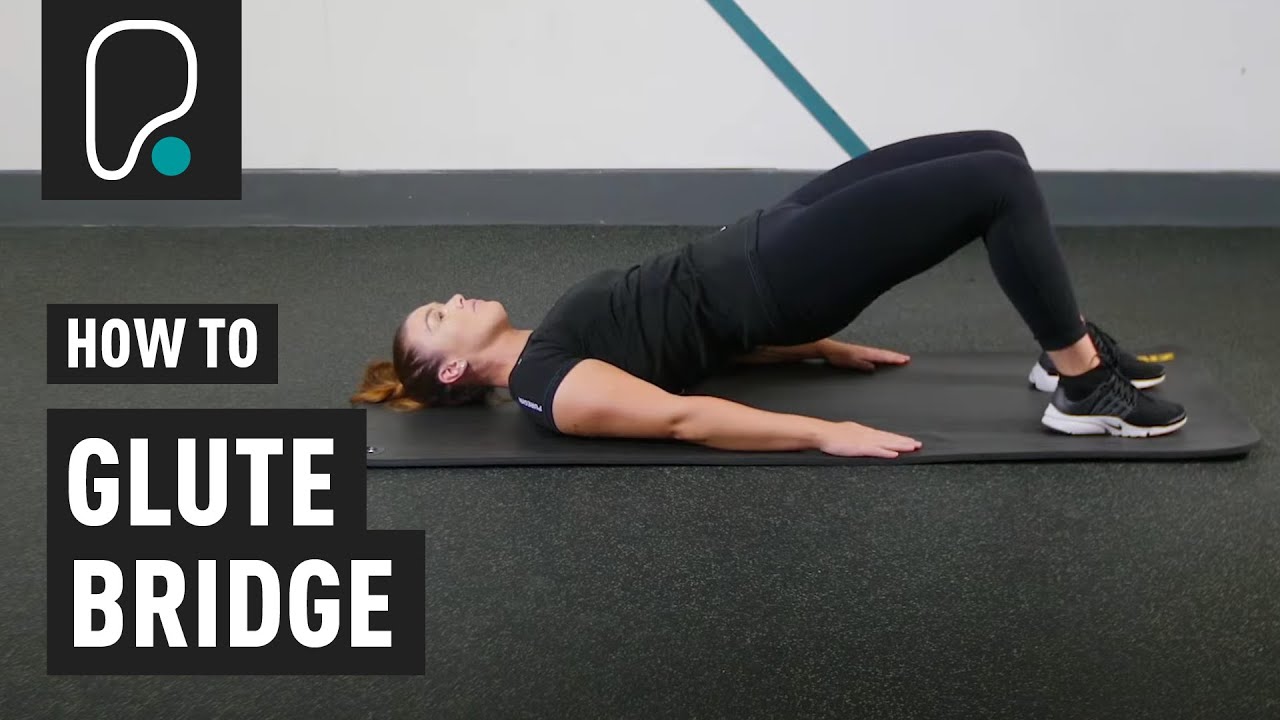
Glute bridges target the gluteus maximus (the largest of the three main glute muscles), but also strengthen the glutes overall and help to pull the pelvis back into a more neutral alignment.
Sets: 2-3 Reps: 10-15
How to do it:
- Lie on your back with your knees bent and feet on the floor, about hip-width apart.
- Initiate the movement by pulling your pelvis forward and pulling in your abs, then press through your feet to lift your hips until your body is in a straight line from knees to shoulders.
- Squeeze your glutes to extend fully through your hip flexors, then release and lower to the floor with control.
3. Hip flexor extension

This stretch helps to lengthen the muscles on the front of the hip that tighten with an anterior pelvic tilt. This is one of the best daily hip stretches, so try to incorporate it into your daily routine.
Sets: 1 Time: 30sec each side
How to do it:
- Kneel on the floor and step your right foot in front of you, so your right knee is bent to 90° and your right knee is stacked directly above your right ankle.
- Slide your left leg backwards slightly, engage your core and gently push your hips forward to feel a stretch in your left hip flexor.
- Hold the stretch for 30 seconds, then repeat on the other side.
4. Cobra
This exercise is done lying face down and helps stretch your hip flexors and improve general anterior flexibility. It’s a great stretch if you’re feeling stiff after a day at your desk.
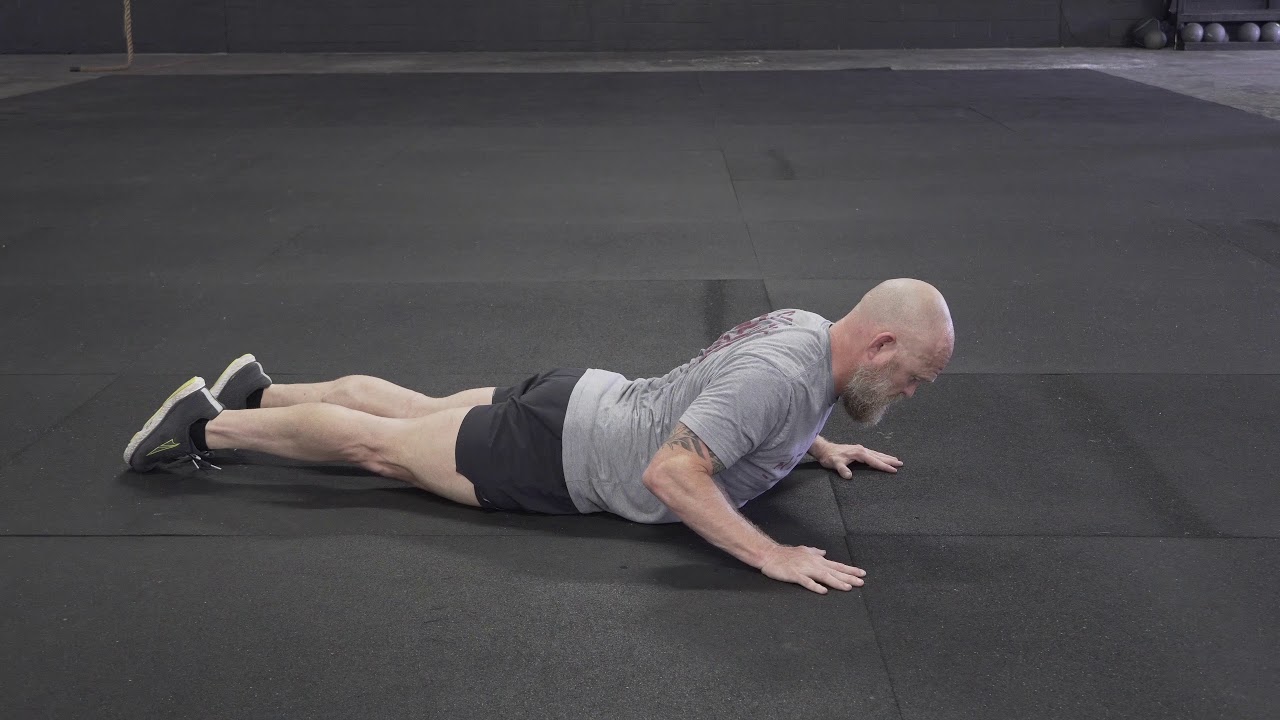
Sets: 3 Reps: 20sec
How to do it:
- Lie on your front with your hands underneath your shoulders and elbows pinned to your sides.
- Press lightly through your hands and lift your gaze while creating a slight arch in the lower back.
- Continue pressing your hips into the floor to lift your chest higher while squeezing your glutes, then lower with control. Repeat the movement three times, holding for 20 seconds each time.
5. Single-leg hip thrust
This unilateral exercise targets the glutes and abductors, which weaken with a prolonged anterior pelvic tilt, while also stretching your hip flexors.
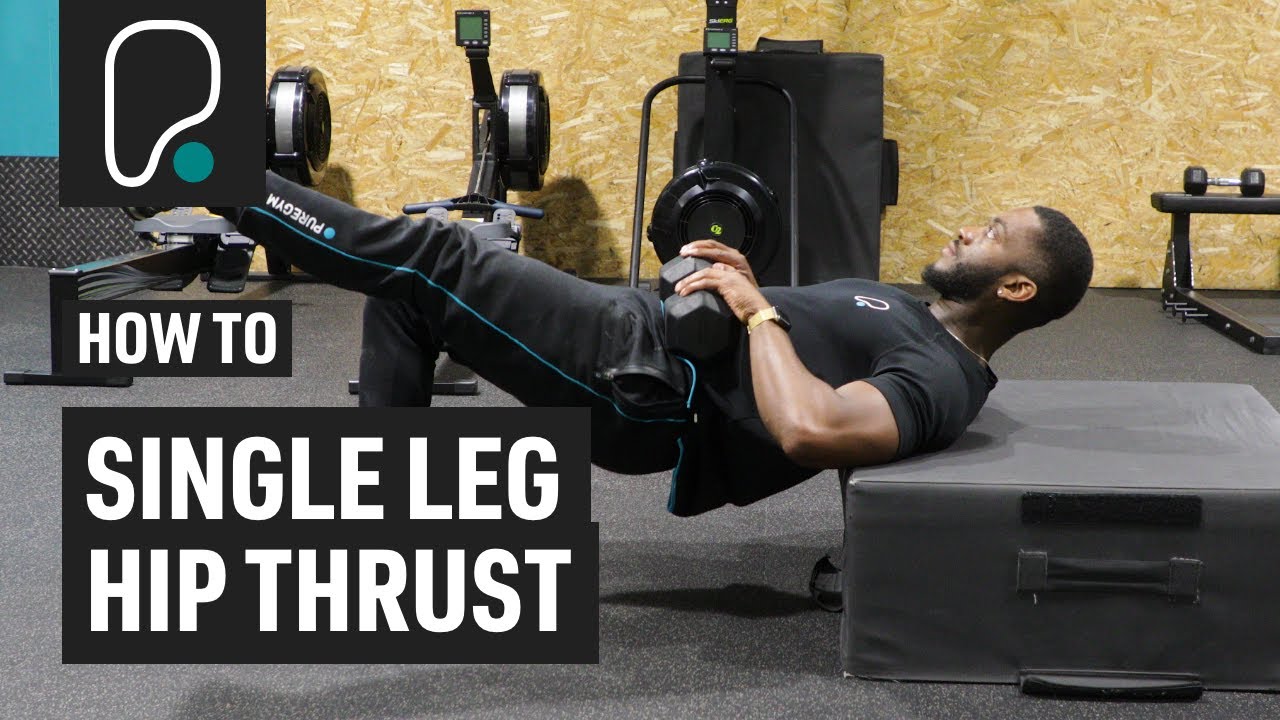
Sets: 3 Reps: 8-10 each side
How to do it:
- Sit on the floor with your knees bent and feet flat on the floor, leaning up against a bench or other sturdy platform, with your shoulder blades just above the edge of the seat.
- Push through your heels to lift your hips and roll your shoulders onto the bench.
- Lift one foot off the floor, moving from your hip—this is your starting position.
- Slowly lower your hips.
- Squeeze your glute and push through your heel to extend your hips and return to the starting position.
“Assessment of the degree of pelvic tilt within a normal asymptomatic population” in Manual Therapy
