




Build core strength with this no-equipment 10-minute beginner-friendly Pilates workout
The mindful breathing may help relieve stress, too


Pilates is a great way to build core strength and stability, helping you feel stronger and more confident in everyday movement. By working the deep core, back and muscles around the pelvis, it can help improve posture, stability and spinal support.
“Whether that’s lifting a box, bending down to tie your laces, or simply surviving a day at your desk, it’s important to do some restorative work for body and mind,” says Pilates instructor Andrew Griffiths, a fitness expert and nutritionist at Net World Sports.
“The breathwork element of Pilates can also help with stress and anxiety,” he adds.
If you’ve never tried Pilates, this short routine created for beginners by Griffiths is a great place to start. You don’t need any experience—just some space on the floor and 10 minutes.
The 10-minute Pilates core workout
1. Pelvic tilt
Sets: 1 Reps: 8-10
- Lie on your back with your knees bent, your feet hip-width apart and flat on the floor. Rest your arms by your sides.
- Inhale to prepare. Exhale, gently tilt your pelvis so your lower back moves toward the floor.
- Inhale to return to a neutral spine.
“The goal is to be aware of your pelvis orientation, and how to activate the muscles that control it,” says Griffiths. “Small and controlled is the aim. The movement comes from the pelvis, not the legs.”
2. The hundred
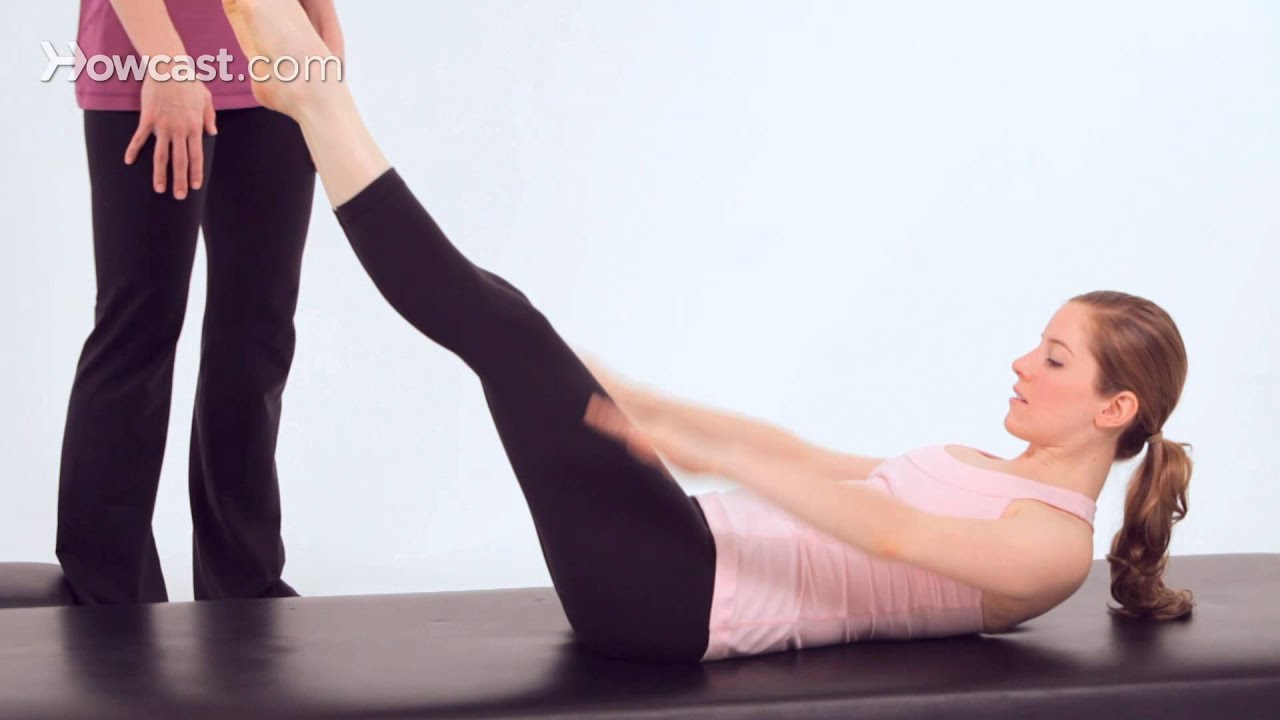
Sets: 1 Pulses: 40 Rest: 30sec
- Lie on your back with your legs raised and knees bent at 90° over your hips and your shins parallel to the floor.
- Raise your head and shoulders and look towards your knees. If this feels too challenging, keep your head and shoulders on the floor.
- Hover your arms off the floor by your sides, palms facing down.
- Pulse your arms up and down in small, quick pulses.
- Inhale for five pulses, exhale for five.
Make it easier: Keep your feet on the floor.
“The target is to build up to 100 pulses, but if that feels too challenging as a beginner then 40 or 50 is a perfectly good place to start,” says Griffiths.
3. Dead bug
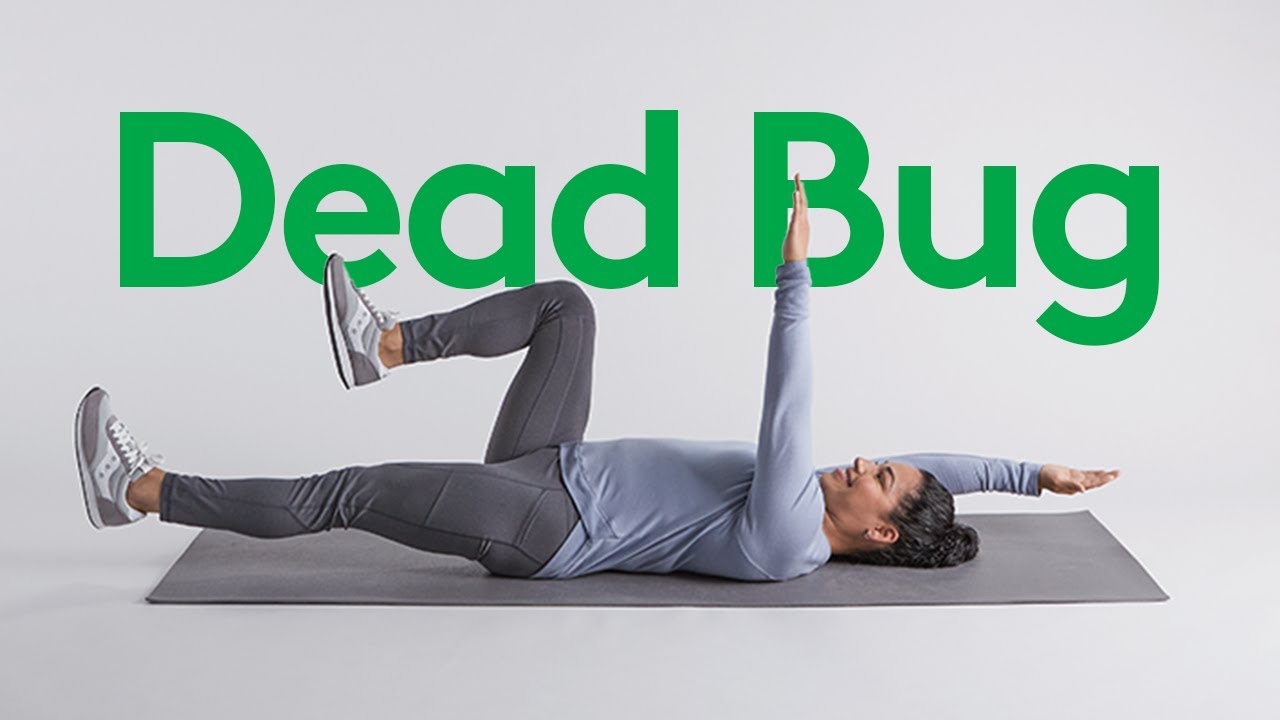
Sets: 2 Reps: 8-10 each side Rest: 30sec
- Lie on your back with your arms reaching up over your shoulders and your knees bent at 90° over your hips and your shins parallel to the floor.
- Inhale to prepare. Exhale as you lower your right arm back overhead and extend your left leg forward.
- Keep your lower back connected to the floor throughout.
- Breathe in as you return to the starting position, and repeat on the other side.
“Take it slow—this one rewards control, not pace,” says Griffiths.
4. Glute bridge
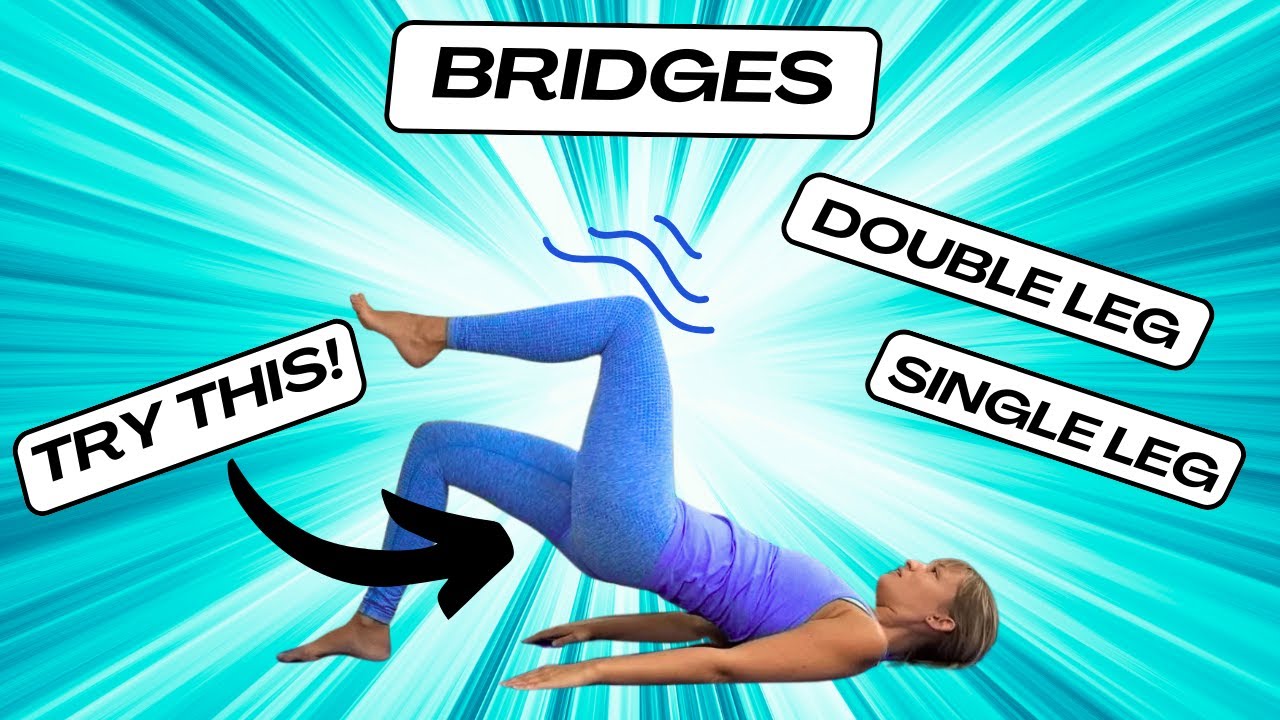
Set: 2 Reps: 10-12 Rest: 30sec
- Lie on your back with your knees bent, your feet hip-width apart and flat on the floor. Rest your arms by your sides.
- Inhale to prepare. Exhale as you raise your hips and spine until your body forms a straight line from your shoulders to your knees.
- Squeeze your glutes at the top but avoid over arching your lower back.
- Inhale to roll your spine slowly back to your starting position.
5. Bird dog
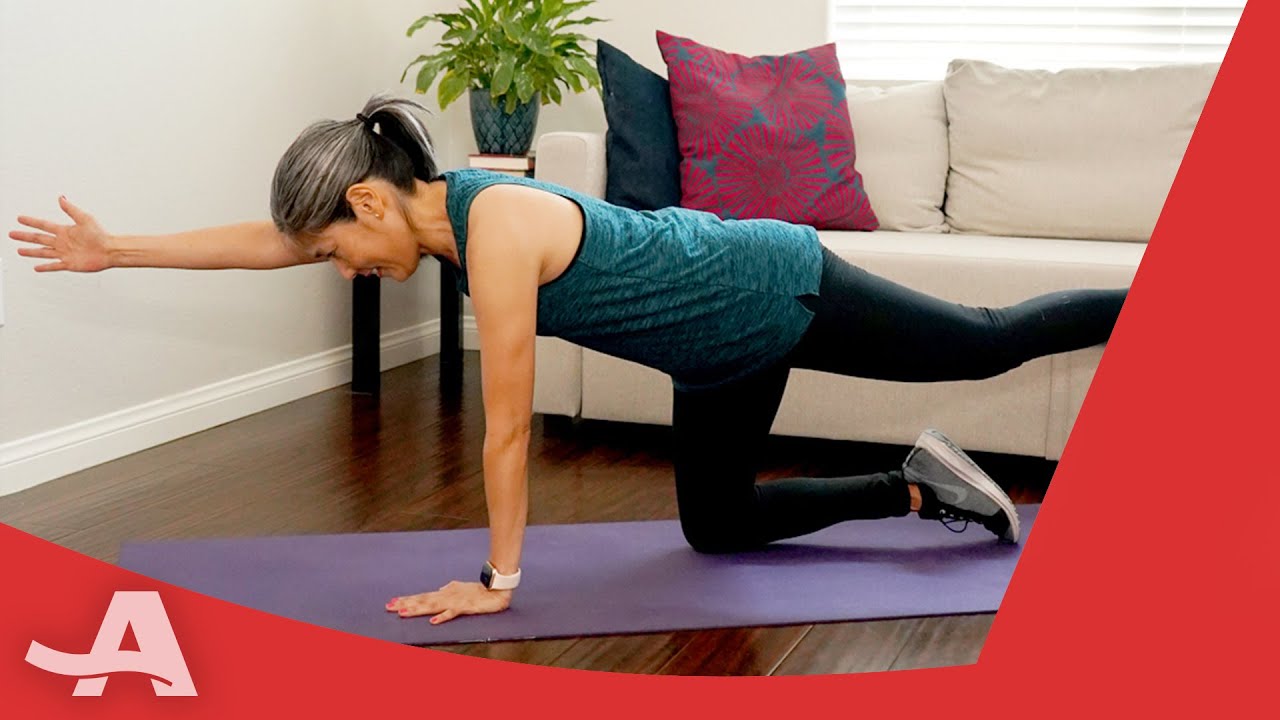
Sets: 2 Reps: 8-10 each side Rest: 30sec
- Start on your hands and knees with your shoulders over your hands and your hips over your knees.
- Inhale to prepare. Exhale and reach your right arm forwards and your left leg back.
- Keep your hips level and your back flat.
- Hold for a breath, then return to the starting position, slowly and with control.
- Repeat on the other side.
Griffiths says to maintain stability, “picture a glass of water balanced on your lower back that you’re trying not to spill”.
6. Child’s pose
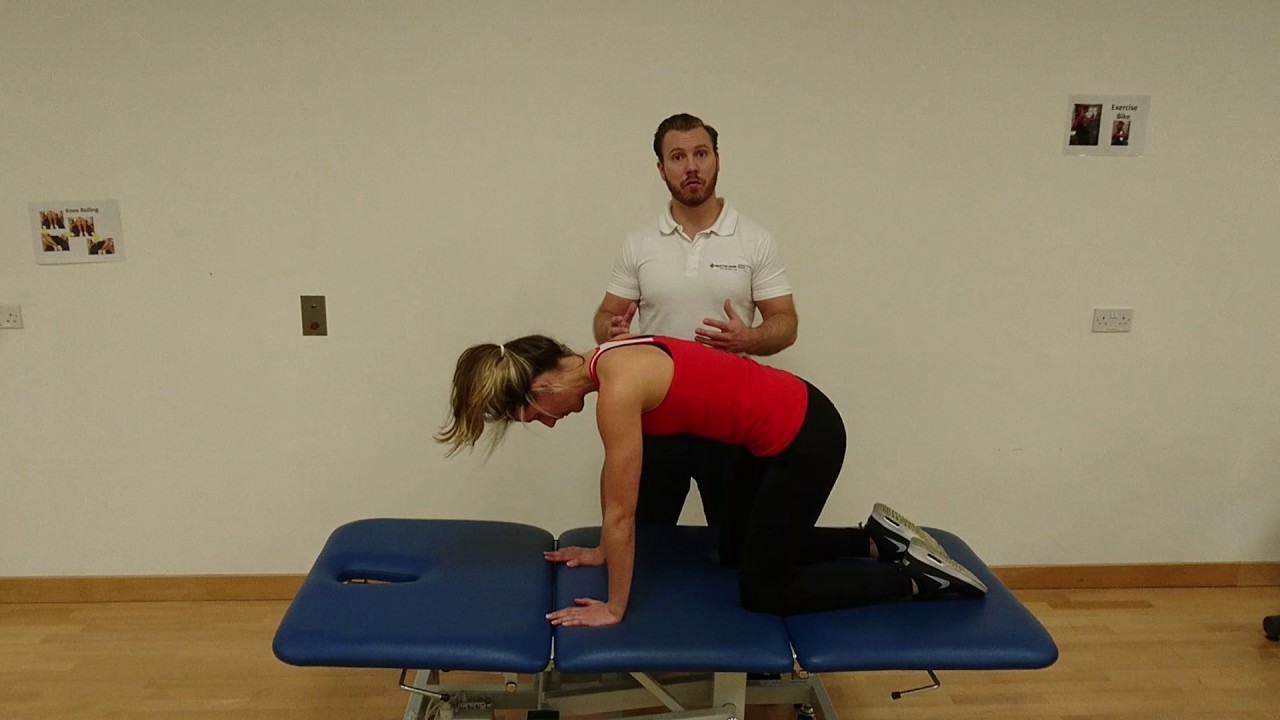
Sets: 1 Hold: 30-60sec
- Start on your hands and knees then widen your knees out slightly.
- Send your hips back toward your heels and reach your arms out in front.
- Rest your forehead on the floor if that’s comfortable.
- Breathe deeply into your lower back and hips.
Aim to do these exercises three times a week, with a day off between sessions.
“That’s often enough to build real strength and the motor control these moves rely on, while still leaving room to recover,” says Griffiths. “Once the routine starts to feel easy, take it as your cue to progress the programme.”
How these exercises help build core strength and stability
Core strength and stability: “The hundred, dead bug and bird dog work the core and the muscles that help stabilize the spine,” says Griffiths.
Posture and the lower back: “Glute bridge and bird dog strengthen your glutes and the muscles that support your back,” says Griffiths. Strengthening these muscles can help support controlled movement and posture.
Spending prolonged periods sitting can mean your glute muscles become weak, so these exercises help strengthen them. Building strength in your glutes can help reduce the strain and load on your lower back.
Mobility: “Pelvic tilts and child’s pose give the spine and hips a gentle bit of movement,” says Griffiths.
Control and body awareness: “Pilates teaches you to move slowly and intentionally, and to tie your breath to the movement,” he says. “That habit bleeds into almost everything else you do physically.”
