




When you’re new to exercise, or returning to it after some time off, there’s no such thing as too simple.
This is especially true for Pilates, which uses precise, controlled movements to build core strength, improve spinal alignment, and encourage better posture.
Each move tests a specific body part, and instructors often get practitioners to slow down to ensure they’re targeting the right muscles.
Pilates instructor Ashleigh Doyle often works with beginners—these are the five moves she starts with to help them master the fundamentals.
Once you've mastered these, try our slightly longer eight-move Pilates for beginners routine.
Pilates for beginners at home: Five moves to try
1. Pelvic curl

Reps: 8-10
“The pelvic curl is a brilliant introduction to Pilates because it encourages you to slow down and become aware of how your spine and pelvis are moving,” says Doyle.
“It gently mobilizes the spine while beginning to strengthen the glutes, hamstrings and abdominals.
“It also introduces one of the most important ideas in Pilates: control. Rather than simply getting from the floor into a bridge, you’re thinking about how you get there and how your body moves along the way. That awareness and control will carry over into lots of other Pilates exercises as you progress.”
How to do it:
- Lie on your back with your knees bent and your feet on the mat roughly hip-width apart.
- Rest your arms by your sides and keep your pelvis and spine in a comfortable neutral position. There should be a gap between the mat and your lower back to start.
- Inhale to prepare.
- Exhale, draw your abdominal muscles in and tilt the front of your pelvis toward your torso, touching your lower back to the mat.
- Slowly peel your spine away from the floor, lifting one vertebra at a time, until you form a diagonal line from your knees to your shoulders.
- Pause and inhale.
- Exhale and slowly lower your spine, one section at a time, returning to your starting position.
Trainer tip: Keep your knees pointing forward; sometimes they like to fall out to the side. Make sure your weight is resting on your shoulders rather than your neck when your hips are lifted.
2. Knee fold
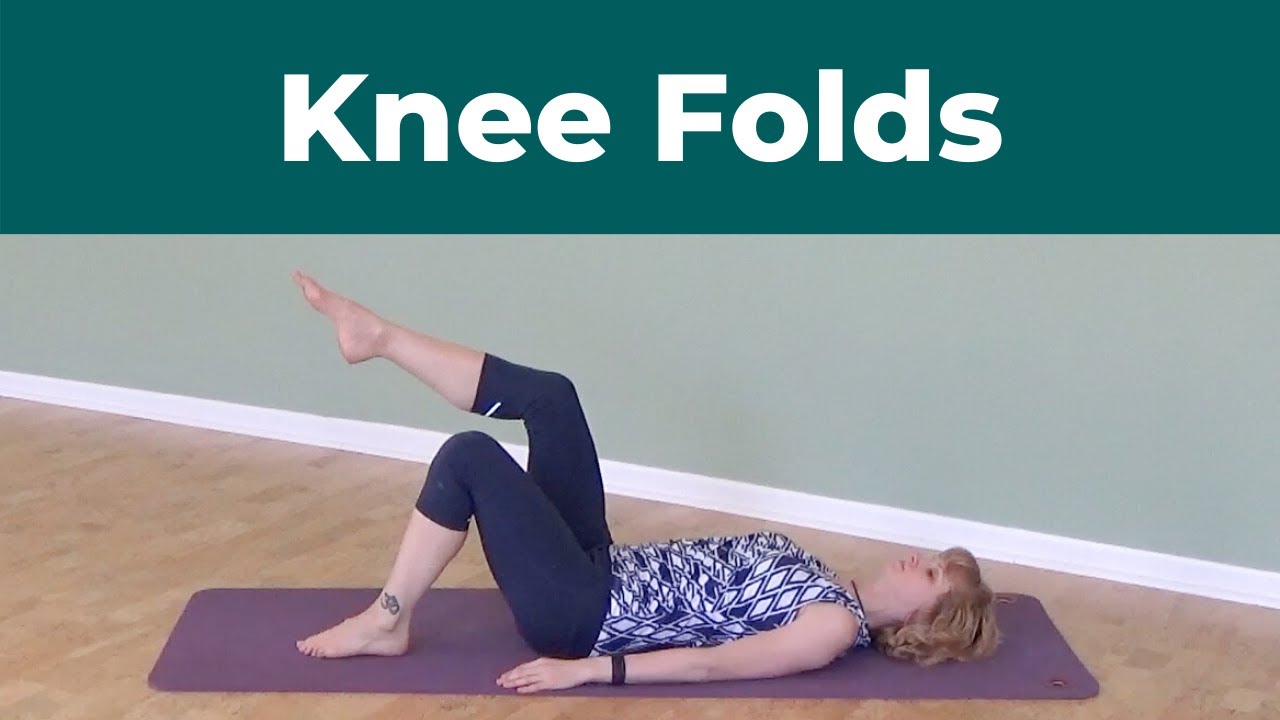
Reps: 8-10 each side
“Knee folds are a great introduction to core stability,” says Doyle.
“They teach you to control your pelvis and trunk while moving your legs independently—a principle that appears throughout Pilates and everyday movement."
How to do it:
- Lie on your back with your knees bent and your feet on the mat, hip-width apart.
- Rest your arms by your sides and maintain a neutral spine and pelvis.
- Inhale to prepare.
- Exhale, engage your abdominal muscles and slowly lift one foot, keeping the knee bent.
- Pause when your shin is parallel to the floor.
- Inhale and slowly lower the foot, then repeat on the other side.
Trainer tip: If you feel your lower back beginning to arch or your pelvis rocking as the leg lifts, make the movement smaller.
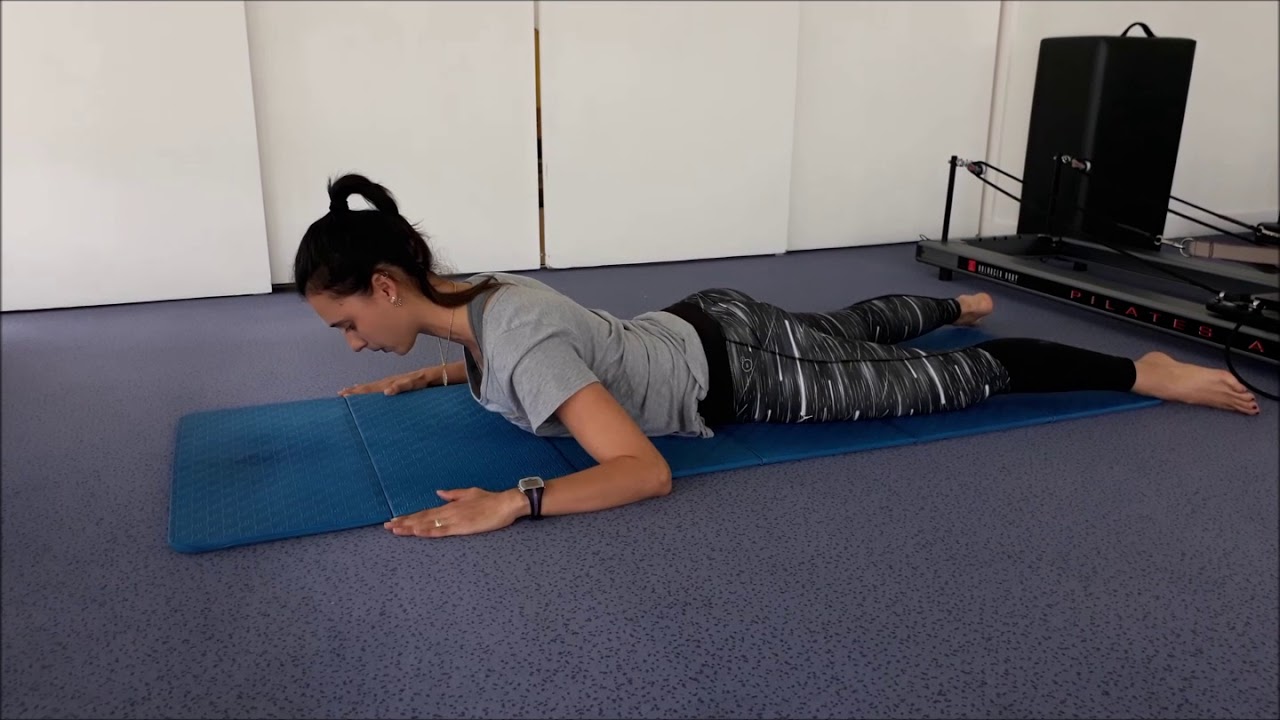
3. Swan dive prep
Reps: 8-10
“This exercise can help to open the front of the chest and encourage awareness of posture, making it particularly useful for people who spend a lot of their day sitting or working at a desk,” Doyle says.
How to do it:
- Lie on your front with your legs extended.
- Place your hands on the mat beside you in a wide cactus position, maintaining a 90° angle at the shoulders and elbows.
- Hover your forehead above the mat, or rest it on the mat lightly, and elongate your neck.
- Inhale, engage your abdominal muscles, and lift your head and upper chest slightly.
- Exhale and lower.
Trainer tip: “Think forward before upwards,” says Doyle. “Reach the crown of your head away from your body before thinking about lifting your chest.”
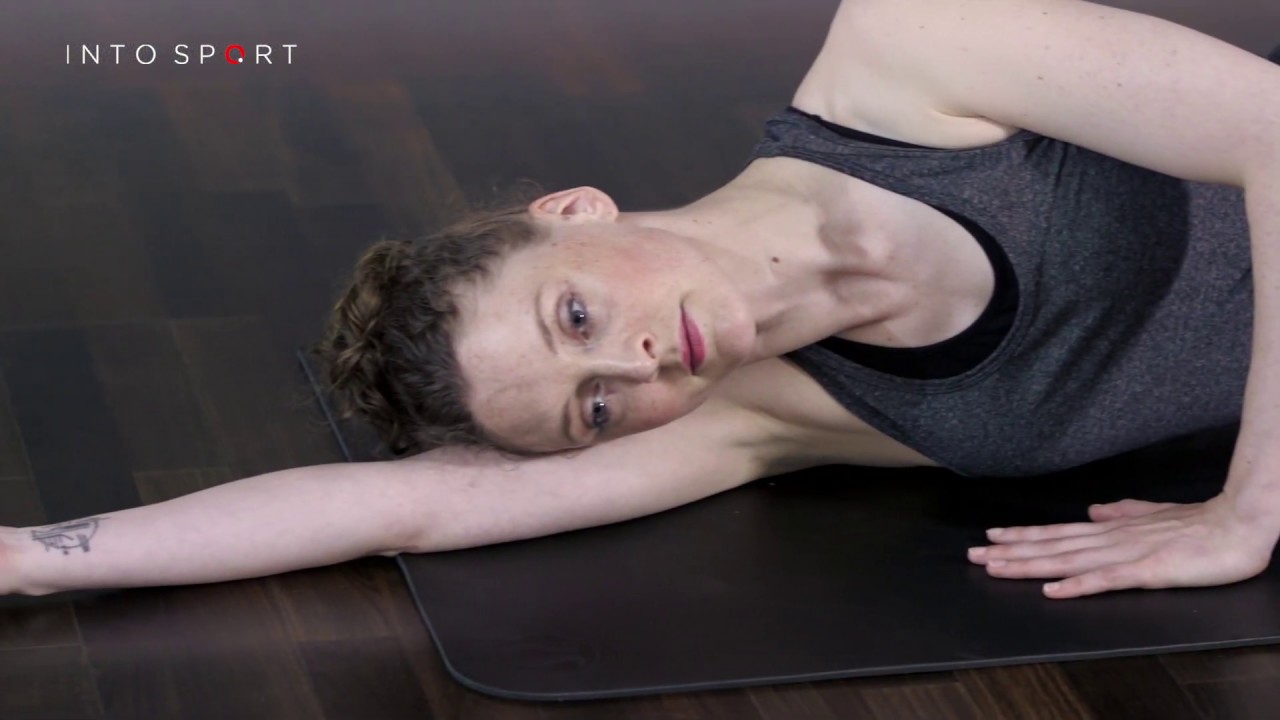
4. Side-lying leg lift
Reps: 8-10 each side
“Side-lying leg lifts are an accessible way to begin strengthening the muscles around the hips and glutes while also developing stability through the pelvis and trunk,” Doyle says.
How to do it:
- Lie on your side with your body in a line. Support your head with your lower arm. You can bend your bottom knee for stability, but keep your upper leg extended.
- Engage your abdominal muscles.
- Inhale and slowly lift the upper leg, keeping your pelvis still.
- Exhale and slowly lower your leg.
- Repeat eight to 10 times, then switch sides.
Trainer tip: “Imagine your back is against an invisible wall and try to keep your shoulders and hips stacked against it as the leg moves.”
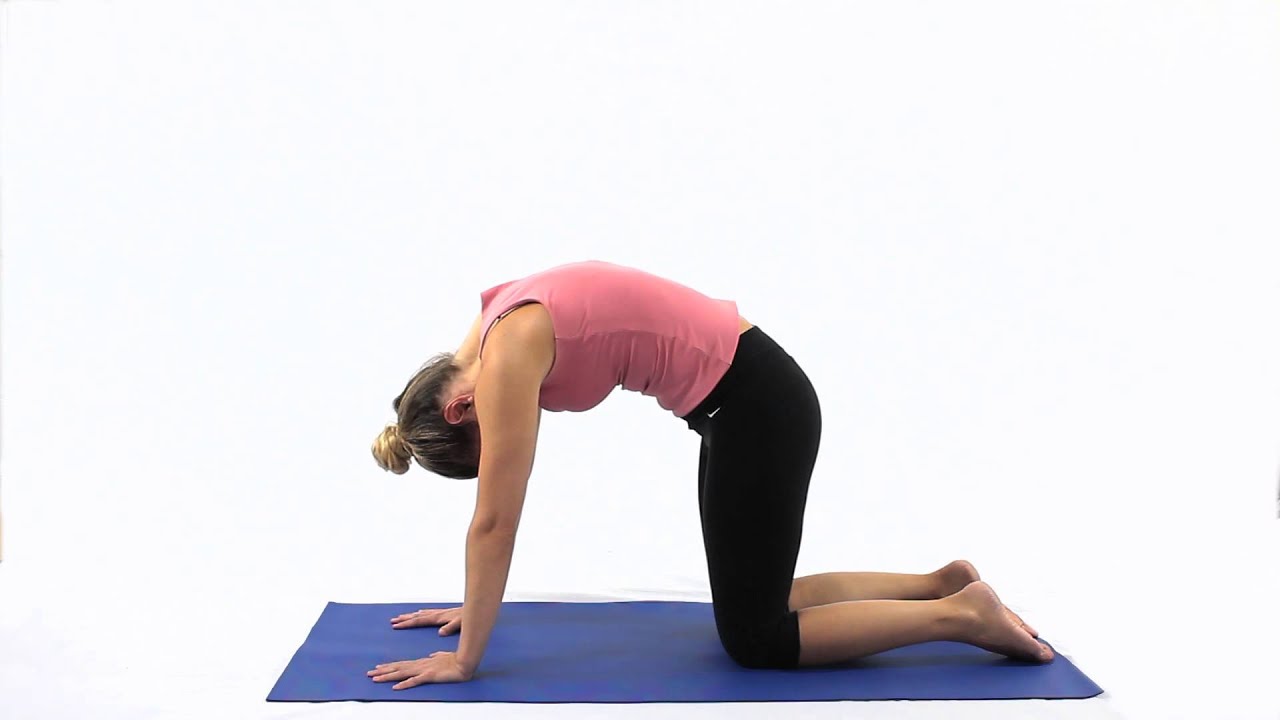
5. Cat stretch
Reps: 8-10
“Cat stretch is a great introduction to spinal mobility, breathing and body awareness,” Doyle says.
How to do it:
- Come to your hands and knees, with your hands under your shoulders and your knees under your hips.
- Elongate your back and neck, while keeping your shoulders relaxed away from your ears.
- Inhale to prepare.
- Exhale, draw your abdominal muscles in and round your spine.
- Inhale and reverse the movement, returning back to the neutral starting position.
Trainer tip: “There are so many vertebrae in your spine, try to move each one, rather than creating all of the movement from your lower back,” says Doyle.