




If you’re a regular reader of Fit&Well, you probably already know just how important strength training is for longevity. And our aim is to provide tailored advice to help your body move and feel better throughout different stages of your life.
To help, we’ve enlisted the help of Jill Brown, a 59-year-old board-certified health and wellness coach, personal trainer and a Pilates instructor.
She says she’s the strongest she’s ever been in her life, so we asked her to recommend the moves she thinks every woman in their 50s should be doing to get seriously strong.
“I want to give you something more original than the cookie-cutter advice most trainers give for building strength,” Brown says.
“Most trainers give the same strength training advice to women over 50,” she continues. “It’s usually deadlifts or RDLs, farmer’s carries, and some kind of hanging or pulling up on a chin-up bar.”
“I think I have a more interesting list and these are all safe for people with injuries—I’ve had spine, hip, shoulder and wrist surgeries,” Brown says.
Some of these moves use equipment you’ll find in commercial gyms, but Brown has also shared at-home alternatives.
1. Bulgarian split squat
“This move ensures each leg gets trained specifically rather than having the stronger leg dominate,” Brown explains. “They train the whole leg and glute, plus balance, which is a key component of successful healthy aging. “
“Once you can do them without weight, add a weight on the side of the elevated leg,” Brown recommends.
How to do it:

Reps: 8-10
- Stand a short distance in front of a sturdy bench or step, with one foot resting behind you on the elevated surface.
- Engage your core.
- Slowly bend your front knee to lower, keeping your chest facing forward.
- Push through your front foot to extend your knees and return to the starting position, keeping your hips level.
- Do all your reps on one side, then switch sides.
How to do it at home: You can use a chair, sofa or bed to do this exercise. Just make sure it’s sturdy and won’t move as you place your weight on it.
2. Sled push
“Sled pushes strengthen the entire body, especially legs and the core and your heart too because you'll notice your heart rate going up quickly,” Brown explains.
“If you're looking to increase power, work on doing these at a faster pace,” she recommends.
How to do it:
Reps: 10-20 steps
- Load a sled with some plates (or push it with no weight to start) and stand behind it, gripping the handles firmly.
- Lean slightly forward, keeping your arms extended, core engaged and spine in a neutral position.
- Drive through your legs to push the sled forwards, taking steady, powerful steps.
How to do it at home: You can try doing the sled push with a heavy item at home. “You need a smooth floor and a big heavy box,” Brown says. “It should be at least as wide as your shoulders.
“Simply push it along the floor and if you only have carpeted surfaces, you can put the box on something smooth and plastic that will slide on the carpet.”
Alternatively, Brown recommends trying the resistance band squat to overhead press, which Brown says will help you create power through the whole body in a similar way to the sled push.
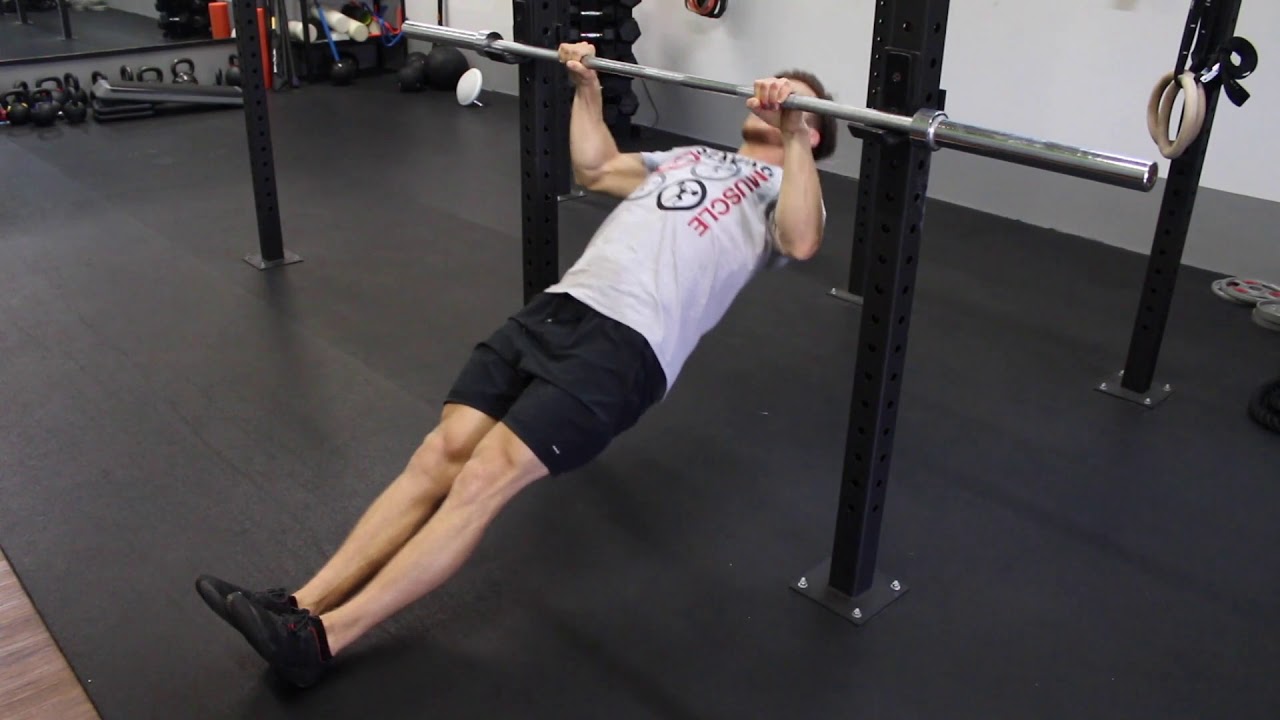
3. Australian pull-up (aka inverted row)
“Australian pull-ups are easier to modify and are a lot easier to get started on than regular pull-ups,” Brown explains.
“By raising the bar and/or bending your knees, you can make them easier,” she says, which means you can “lower the bar and straighten your legs to make them harder.”
How to do it:
Reps: 8-10
- Position a barbell securely in a rack at approximately waist height and lie underneath it.
- Grasp the bar with your hands slightly wider than shoulder-width apart, keeping your body in a straight line from head to heels.
- Engage your core and pull your chest towards the bar, squeezing your shoulder blades together.
- Slowly extend your arms to lower yourself back to the start.
How to do it at home: “The goal is to pull your body up rather than pulling down,” Brown says. She points to Lebert Equilizer bars as a piece of equipment that can be used to perform inverted rows at home, or you could buy TRX bands to perform the TRX inverted row at home.
4. Push-up
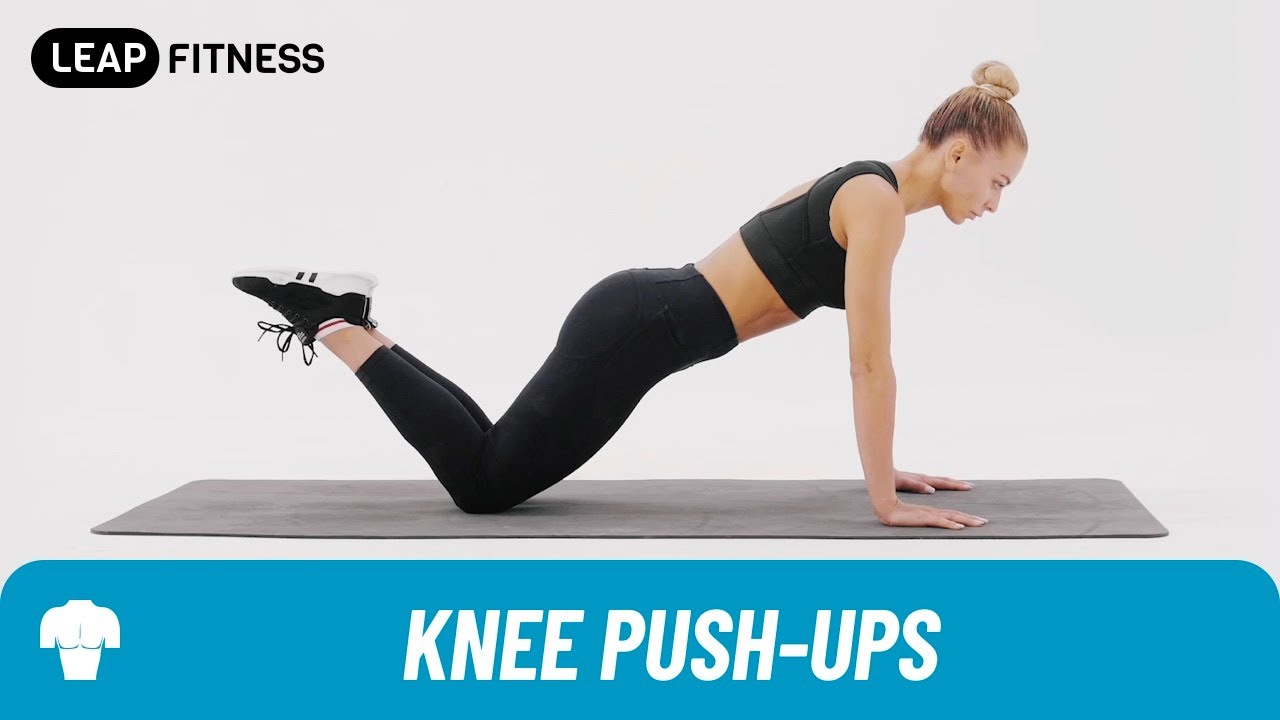
“All push ups are also planks so you not only strengthen your chest and triceps, but also your core,” Brown says.
How to do it:
Reps: 8-10
- Start supported on your hands and toes, with your hands slightly wider than shoulder-width apart and your body in a straight line. Place your knees on the floor if needed.
- Engage your core.
- Bend your elbows to slowly lower your chest, keeping your elbows angled slightly backwards.
- Push through your palms to straighten your arms and return to the starting position, without allowing your hips to sag.
Watch how Jill Brown trains
More workouts from Jill Brown


