


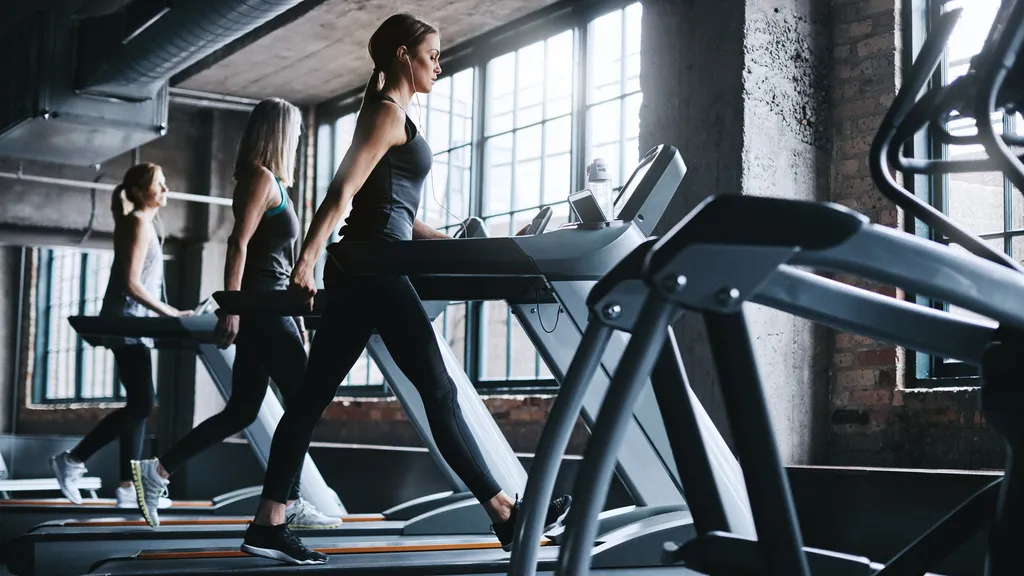


An expert coach tells all her running clients to do this one exercise to avoid injury and run stronger—here’s why
Use this leg exercise for runners to strengthen your calves, glutes, hamstrings and boost mobility


If you run, strong calves are your secret weapon.
They act as shock absorbers for the ankles and knees, while generating power to propel you off the ground.
But often this essential muscle group—made up of the deep-set soleus muscle and more prominent gastrocnemius—can be overlooked when strengthening the legs.
According to ASICS running coach Ania Gabb, this can trip you up down the road, hampering performance and increasing injury risk.
“When you run, your calves are one of the main muscle groups used through every phase of the running action,” Gabb explains to Fit&Well.
“But increasingly, with people often wearing carbon shoes that force you to run on the balls of your feet, I’m seeing runners work their calves a lot harder,” she says.
To reduce the risk of fatigue or injury, the personal trainer now tells all her running clients to include one exercise above all others in their weekly workouts.
“I think one of the best types of squats you can do are raised squats,” she says, describing a variation of the standard squat performed with heels elevated on thin wedges or weight plates.
“That way you’re working your calves, your quads, your glutes, your hamstrings but also getting a bigger range of mobility,” she continues.
This can be especially helpful for anyone with tight calves or ankles, who might find it difficult to keep their heels down during a squat.
Elevating the back of the foot with a wedge should make it easier to keep your weight in your heels rather than on your toes, enabling you to lower into a relatively deep squat more safely.
This means you can recruit more muscle fibres and work through a greater range of motion in the hips, knees and ankles.
This variation of a standard squat also more closely resembles the angled position the foot and ankle assume with each stride in modern running shoes.
“Start low with sets and reps, like eight to 10 reps for three sets if using a barbell, or 10-12 reps for three sets if using lighter dumbbells,” says Gabb.
She also recommends pairing raised squats with single-leg and regular deadlifts, plus calf raises, a couple of times a week to help prepare your body for the demands of regular running.
The best leg exercise for runners
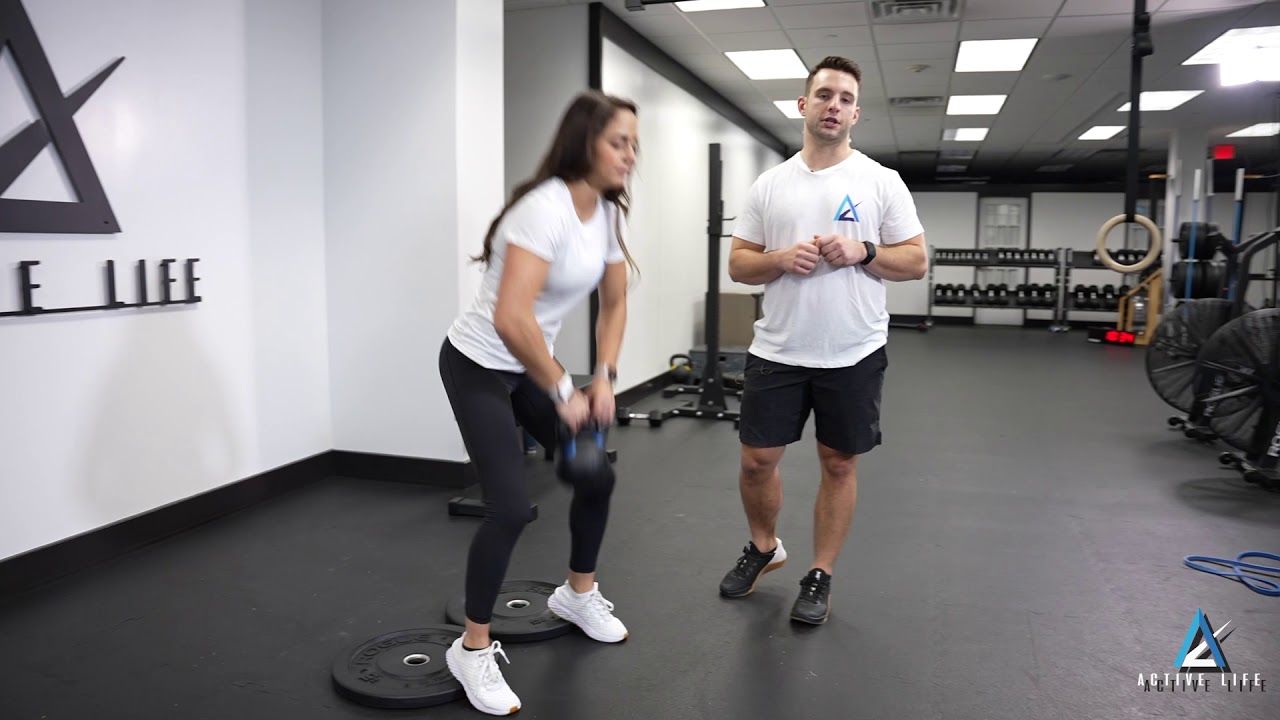
Avoid wearing running shoes when performing this exercise as modern constructions will often tip you forward, making it harder to keep your weight in your heels.
Either perform them with flat-soled weightlifting shoes or without shoes completely, which will make it easier to gauge how your weight is being distributed.
When first attempting this exercise, perform it with just your bodyweight to familiarize yourself with the technique, before progressing to using dumbbells or a barbell.
Here is the technique for the bodyweight version.
- Place two thin weight plates on the floor, hip-width apart.
- Position your heels on the plates and stand tall.
- Keeping your weight in your heels, sit your hips back to lower into a squat.
- Keep your chest facing forward; bringing your arms out in front of you can help counterbalance your weight shifting backward.
- Lower until your thighs are parallel with the floor or lower, keeping your knees wide apart.
- Drive your hips forward to reverse the move and power up to stand.
- If adding weight, start by holding one dumbbell or kettlebell in a goblet position close to your chest.

Ania Gabb is an experienced personal trainer, running coach and nutritionist. Since completing her Level 3 PT course with Premiere in 2003 she has taught a wide range of disciplines, from Pilates and yoga to Les Mills, aerobics and boxing. She has been an elite runner since 2014 and has completed the Leadership in Running Fitness (LiRF) and Coach in Running Fitness (CiRF) training courses with UK Athletics (UKA). Gabb is also a community manager for the ASICS FrontRunner UK & Ireland Team—a network of over 500 runners from 31 countries united by one goal: to inspire others to move for a sound mind in a sound body.
