


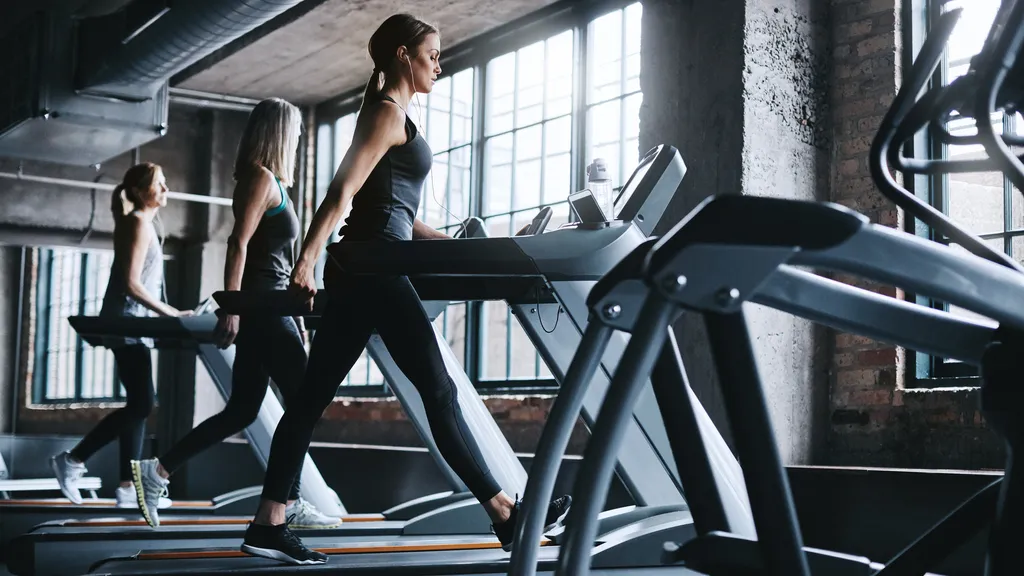


Runners, take note—a fitness coach says this full-body workout builds all the strength you need for race day
Add this five-move bodyweight routine to your training


It’s tempting to skip strength training when you’re clocking up mile after mile training for a race, perhaps believing it’s not as important as running itself.
It’s true, to be a better runner you need to run, but targeted strength training helps to build a strong foundation to withstand the pressures of running.
“Running involves a lot of repetitive forward movement, so strength workouts are designed to strengthen the muscles that support a strong, efficient stride,” explains Kate Howe, Head Coach at Orangetheory Fitness.
Howe’s five-move strength workout targets your glutes, hamstrings, calves and core to build strength and stability for running.
“The goal is not to completely fatigue your body as you still have miles to get in,” Howe says.
“Instead, these exercises complement your running by helping you build the strength, stability and control you need to feel strong with every stride.”
Try the strength workout for runners
Howe’s strength training workout is designed to build a strong foundation for running with five bodyweight single-leg exercises.
“Running happens one leg at a time, so it makes sense to train strength that way,” Howe says.
The five exercises are:
- Single-leg Romanian deadlift
- Reverse lunge to knee drive
- Lateral step down
- Single-leg calf raise
- Dead bug
1. Single-leg Romanian deadlift
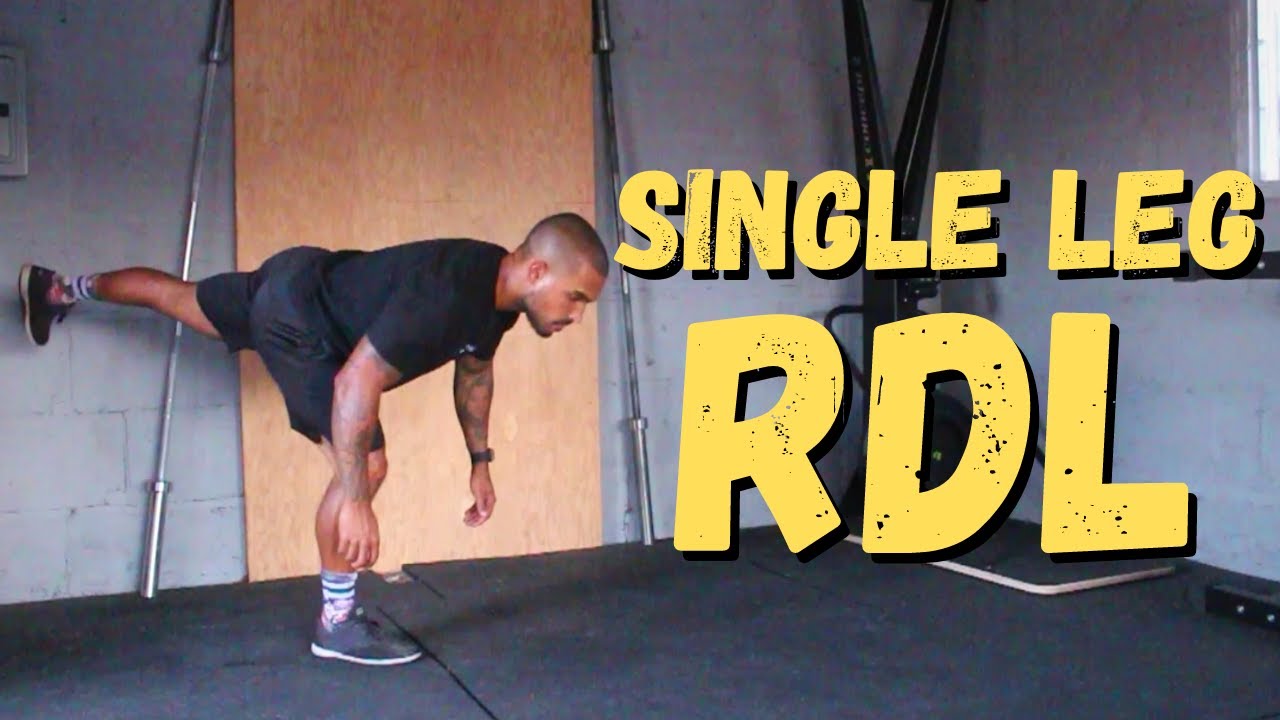
Benefit: Strengthens your glutes and hamstrings while challenging your balance, hip stability and control.
How to do it:
Sets: 3 Reps: 8-10 each side
- Stand with your feet hip-width apart with a slight bend in your knees.
- Shift your weight onto your right leg, raising your left foot behind you.
- Hinge at your hips, and lower your chest toward the floor. Keep your left leg extended behind you.
- Pause when your chest and left leg are parallel to the floor. Make sure your back is flat and your hips are level.
- Push through your right foot and squeeze your right glute as you return to standing.
Form tip: As you lower toward the floor, keep your raised foot pointing down to help avoid rotation through your hips.
Progression: Once this starts to feel easy, add a kettlebell to the move. Hold it in the hand that's opposite to the leg that's planted on the floor and lower it to mid-shin level.
2. Reverse lunge to knee drive
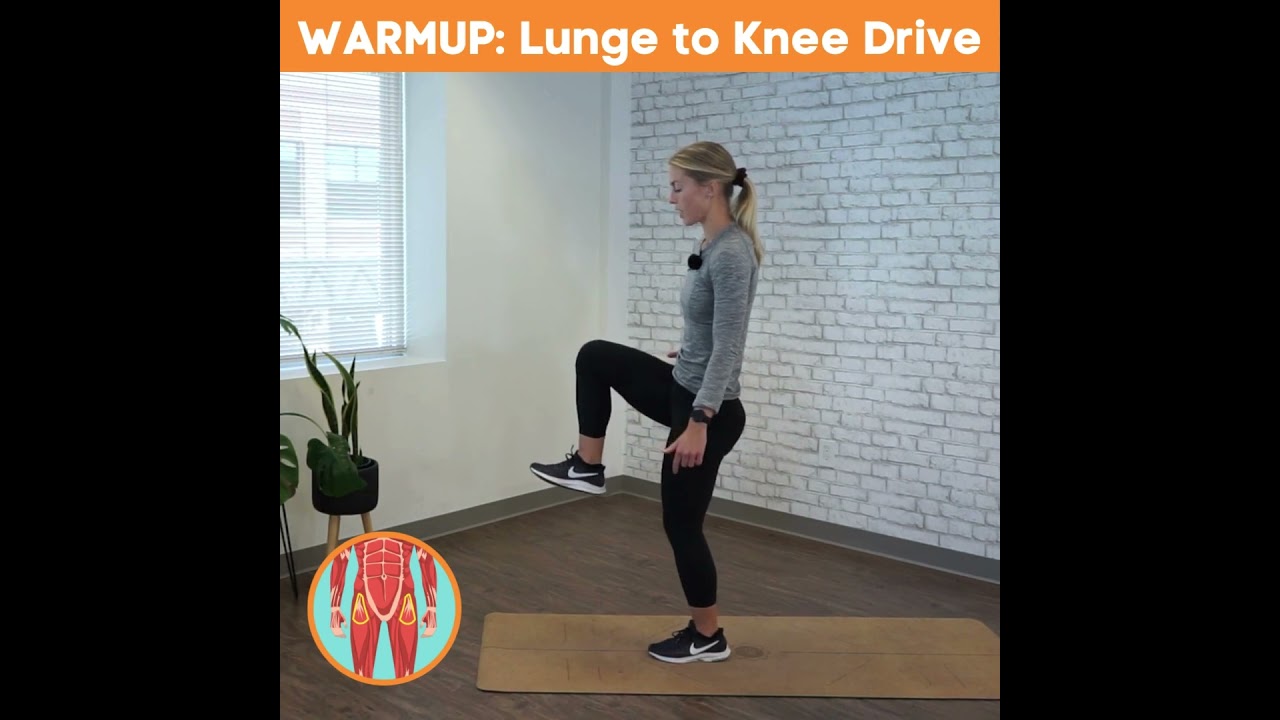
Benefit: Improves your balance and control. The added knee drive challenges stability and coordination, mimicking the demands or running.
How to do it:
Sets: 3 Reps: 8-10 each side
- Stand with your feet hip-width apart.
- Step your left foot back, lowering your left knee toward the floor.
- Both knees should be at a 90° angle with your right knee directly over your ankle.
- Push through your right foot to stand.
- Drive your left knee forward and up toward your chest.
- Hold briefly, then repeat.
- Complete all the repetitions on one side, then repeat on the other.
3. Lateral step down
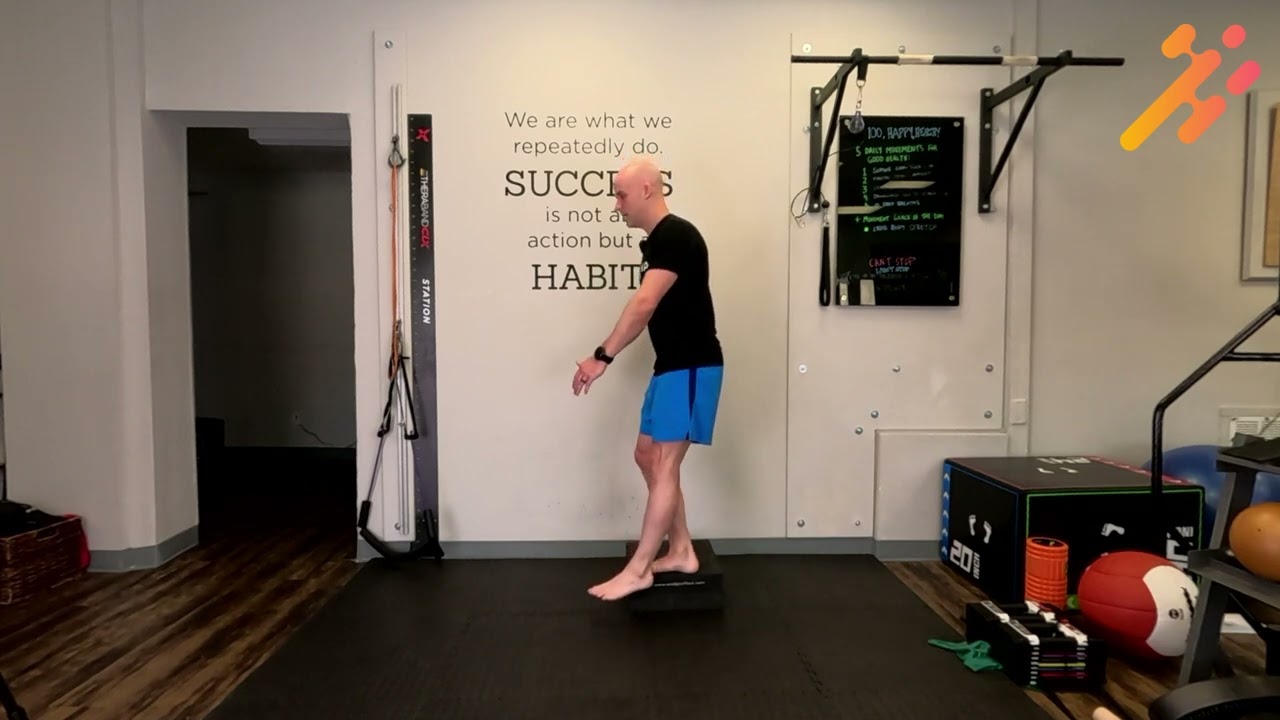
Benefit: Strengthen your gluteus medius (on the side of your buttock/hip), gluteus maximus (the largest muscle across the back of your buttock) and your quadriceps (the front of your thighs) while challenging you to maintain unilateral (single-leg) control through your knee and pelvis.
Sets: 3 Reps: 8-10 each leg
How to do it:
- Stand on a low step with one foot hanging off the side.
- With a slight bend in your standing leg, lower your hanging heel toward the floor.
- Keep your balancing knee tracking in line with your toes, without caving in.
- Keep your hips level, avoiding letting one side drop.
- Press through your standing foot to return to the starting position.
4. Single-leg calf raise
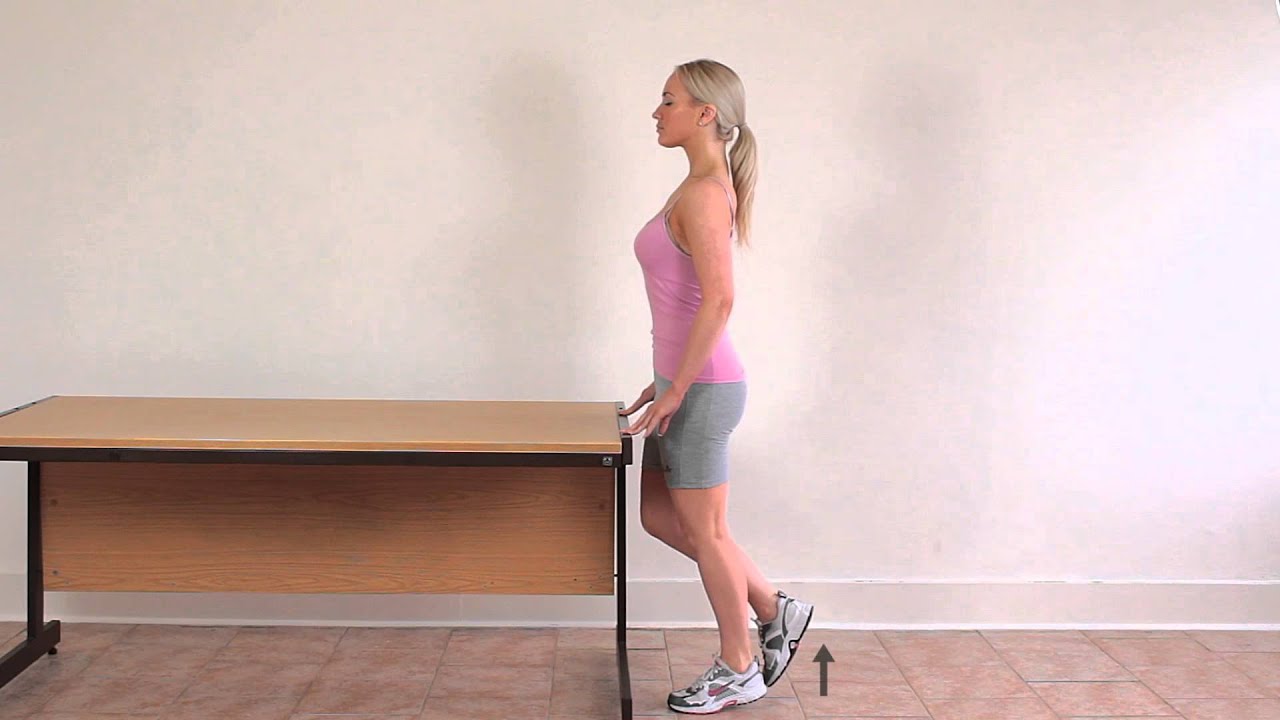
Benefit: Builds calf strength and helps prepare your calves for the repeated demands of landing and pushing off throughout a run.
How to do it:
Sets: 3 Reps: 12-15 each side
- Stand with your feet hip-width apart.
- Shift your weight onto one foot, using a wall or sturdy surface for support if needed.
- Press through the ball of your standing foot, raising your heel high without your ankle rolling inward or outward.
- Squeeze your calf muscles at the top of the movement.
- Slower lower back down with control.
5. Dead bug
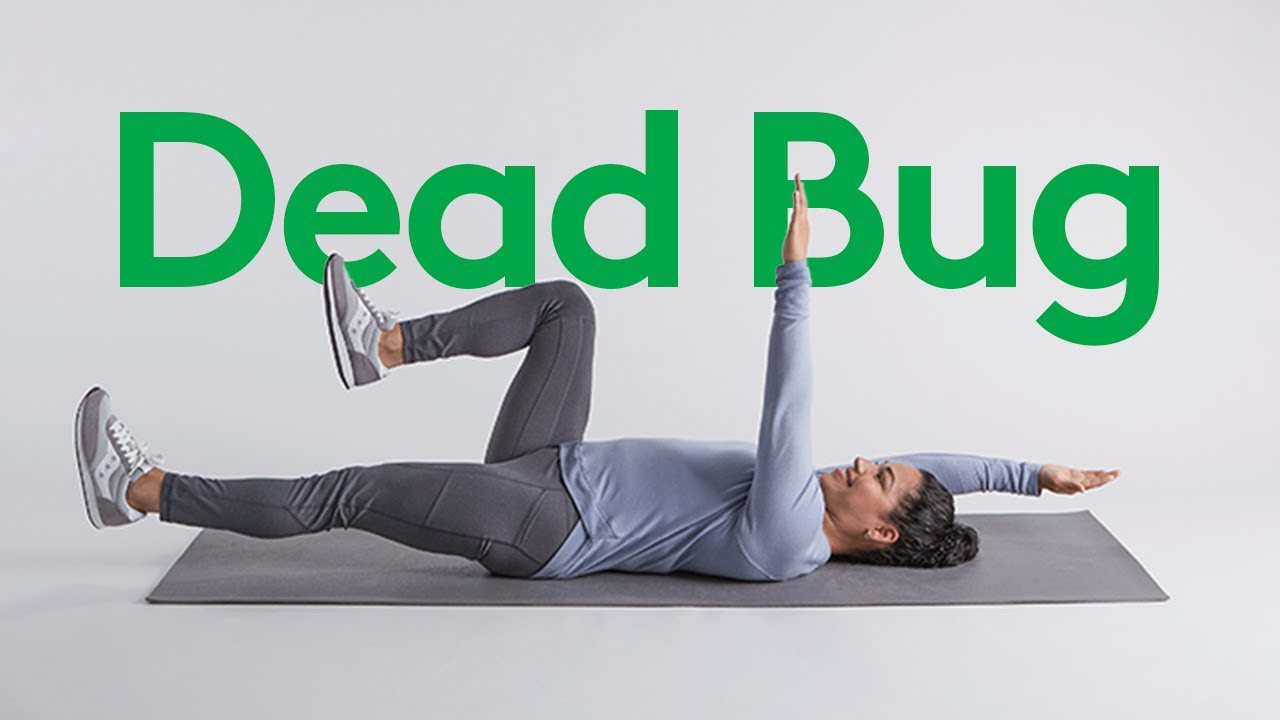
Benefit: Builds core stability to create a solid foundation for coordinated movements that are needed when running.
How to do it:
Sets: 3 Reps: 8-10 each leg
- Lie on your back with your knees stacked over your hips at 90° angles.
- Extend your arms up over your chest.
- Engage your core and keep your lower back against the floor.
- Slowly extend one leg forward and your opposite arm back behind you.
- Maintain control through your core, avoiding arching in your lower back.
- Return to the starting position, then repeat on the other side.
