Your posture can change in your 30s—a physical therapist says you can fix it with these four exercises that strengthen your back, pelvis and upper body
The right set of exercises can help you maintain your alignment


If you’re over 30, it’s time to start thinking about your posture. According to physical therapist Odalisse Figueroa, this is when our structural alignment starts to change.
“As we age, the discs in our spine lose water content, causing our spine to compress. Bones also weaken, and muscle mass decreases by about 3 to 5% per decade starting at age 30. These changes can decrease our body’s ability to hold itself upright.”
Regularly hunching over laptops and phones can contribute to poor posture, too—but it’s possible to reverse some of this damage with the right exercises.
Figueroa recommends repeating the four moves below three times a week, to strengthen postural muscles in your back, pelvis and upper body.
How to do the workout
The moves are:
- Pelvic tilt
- Bird dog
- Banded row
- Side plank
You’ll need a moderately heavy resistance band and an exercise mat for the routine.
Start with one set of 10 repetitions (reps) for the pelvic tilts, bird dogs, and banded rows, and try holding the side plank for 15 seconds on each side.
As you build strength, increase your reps to 12-15 and your side plank time to 30 seconds. Eventually, you’ll aim to do 2-3 sets of each exercise about 3 times per week.
1. Pelvic tilt
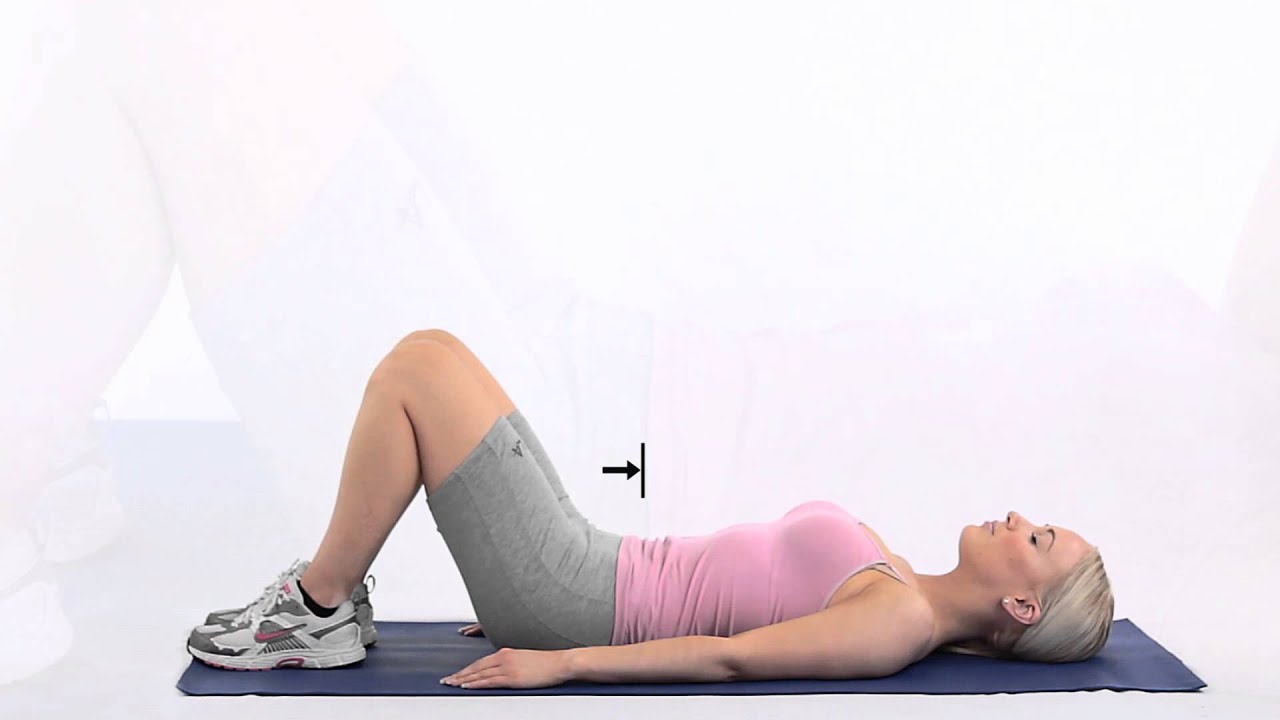
Reps: 12-15 Sets: 3
- Lie down with your knees bent and feet flat on the floor.
- Engage your core, drawing your belly button towards your spine.
- Gently tilt your pelvis, flattening your lower back against the floor.
- Hold for a few seconds.
- Return to the starting position.
Therapist tips: “Think about pushing your spine down toward the floor, holding for a few seconds, and then returning to a neutral position.”
2. Bird dog

Reps: 10-15 Sets: 3
- Start on your hands and knees, with your core engaged.
- Reach your right arm in front of you and extend your left leg behind, keeping your hips square to the mat.
- Pause briefly.
- Return to the starting position.
- Reach your left arm in front of you and extend your right leg behind you, keeping your hips square to the mat.
- Pause briefly.
- Return to the starting position.
Therapist tips: “This is all about maintaining spinal alignment, “ says Figueroa. “Before moving, brace your core by drawing your belly button in toward your spine. When extending the opposite arm and leg, try to prevent your hips from rotating or your back from arching.”
3. Banded row
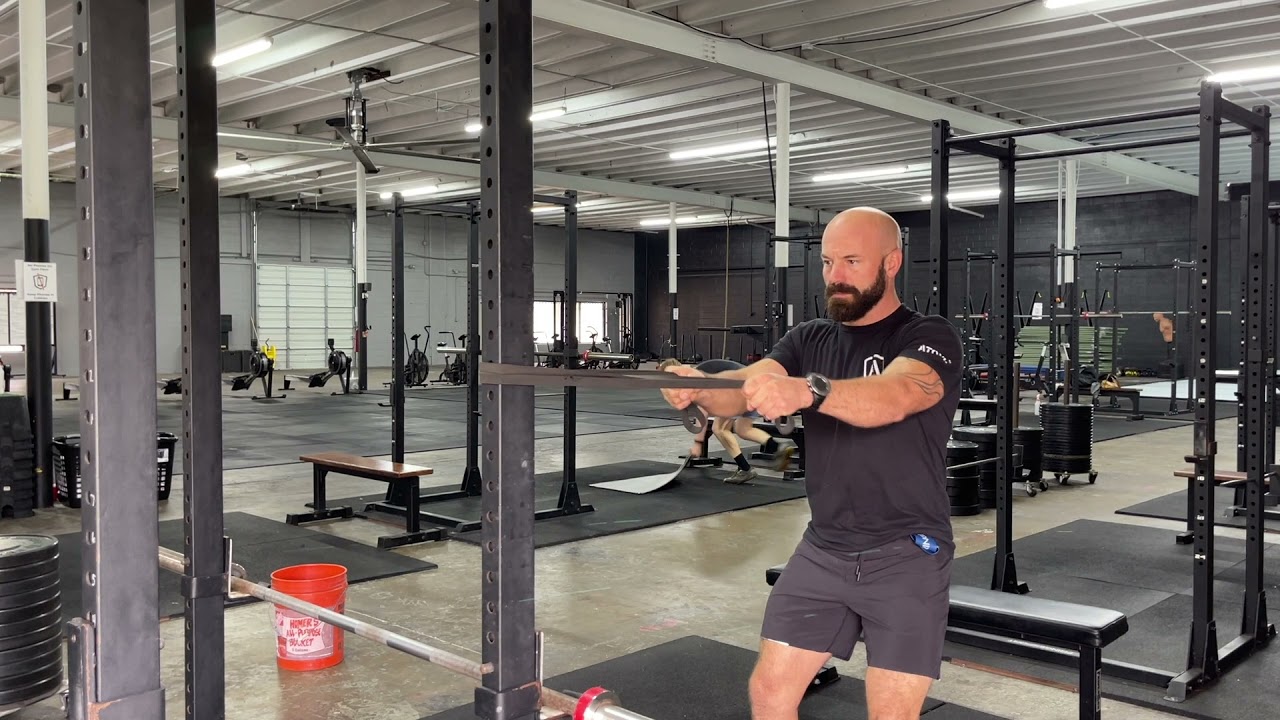
Reps: 10-15 Sets: 3
- Loop a resistance band around a strong anchor point, like a stair railing.
- Take the ends of the band and step back from the anchor point until the band is taut.
- Engage your core and stand upright.
- Pull the ends of the band towards you, squeezing your shoulder blades as you pull.
- Pause briefly.
- Extend your arms in front of you.
Therapist tips: “A lot of people pull from their biceps or shoulders, but before moving the arms, start by retracting your shoulder blades first,” Figueroa advises. “Then, pull your elbows in toward your body as you continue to squeeze your shoulder blades together. For better muscle control, slowly release the band rather than letting it snap back into place.”
4. Side plank
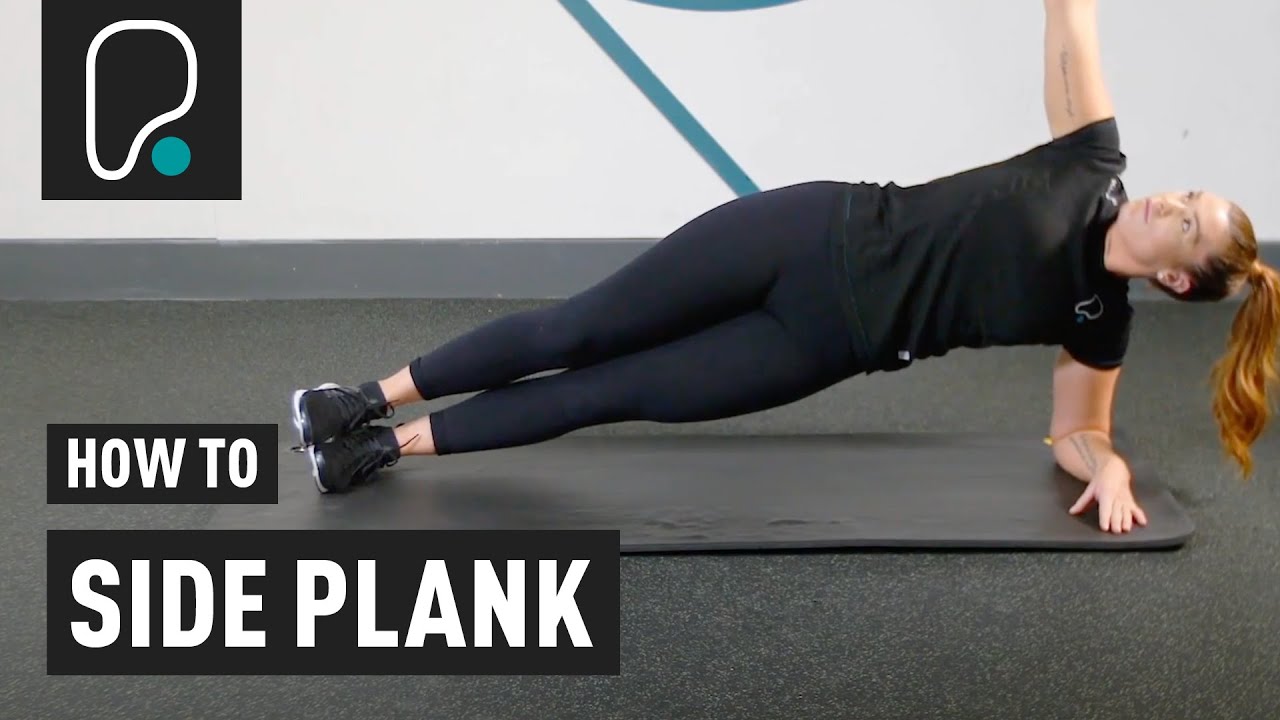
- Lie on your left side with legs extended.
- Place your left elbow underneath your shoulder.
- Engage your core and lift your hips off the mat.
- Hold for 15 to 30 seconds.
- Repeat on the other side.
Therapist tips: “Position your elbow directly under your shoulder to protect the upper body,” says Figueroa.
“Maintain one straight line from your head to your feet, and avoid letting your hips sag. This can be modified by bending both knees and keeping your knees and feet down while lifting your hips off the ground.”

Odalisse Figueroa is a physical therapist at Spear Physical & Occupational Therapy, with expertise in outpatient orthopedics, sports and non-sports injuries, and pediatric and developmental conditions.
