




Do you have weak wrists? A physical therapist shares four exercises to strengthen, stabilize and restore your wrist mobility
If your wrists are your weakest link, try these drills


My wrists are my weakest link.
Whether I’m lifting weights or trying to do a push-up, they make movements feel uncomfortable. They feel extra stiff and sore after a heavy workout, too.
I exercise wearing wrist-support gloves, but what I’d like to do is strengthen them so I can continue progressing.
I spoke to physical therapist Dr Patrick Everett, who owns Cuirim Sports Recovery in California, and he shared four targeted wrist exercises for strength and mobility.
“These exercises are commonly used to improve wrist mobility, strength, stability and overall upper-extremity function,” says Everett.
To do this routine, you’ll need a light dumbbell and kettlebell, a resistance band, and a hammer.
1. Wrist flexion with a dumbbell
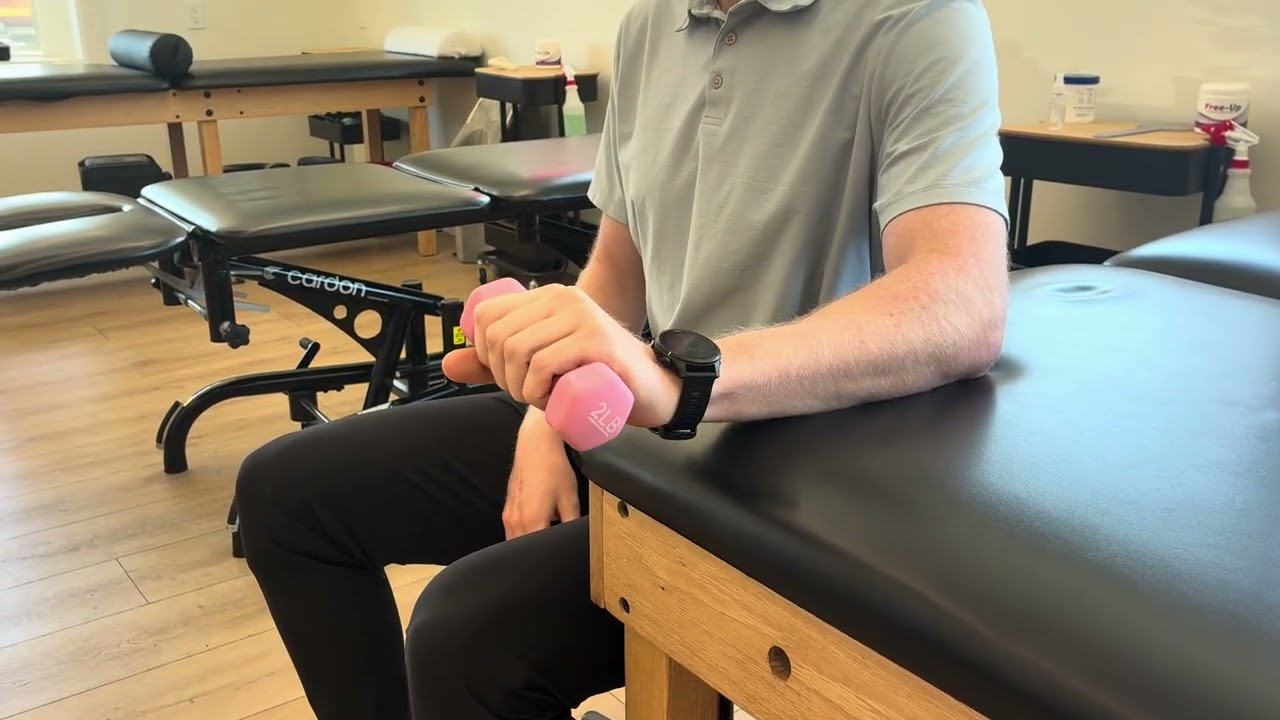
Sets: 3 Reps: 8-12 each side Rest: 1min
How to do it:
- Sit in a chair, left-side-on to the end of a table, holding a light dumbbell in your left hand.
- Place your left forearm on the table so your hand is hanging off the edge of the table, palm facing down.
- Moving from your wrist, slowly raise the dumbbell.
- Lower it back to the starting position with control.
- Do all your reps on one side, then turn your chair around and repeat on the other side.
How it helps: “This exercise strengthens your wrist flexor muscles and improves grip strength, which will help with activities that involve lifting, carrying and gripping,” says Everett.
2. Hammer pronation and supination
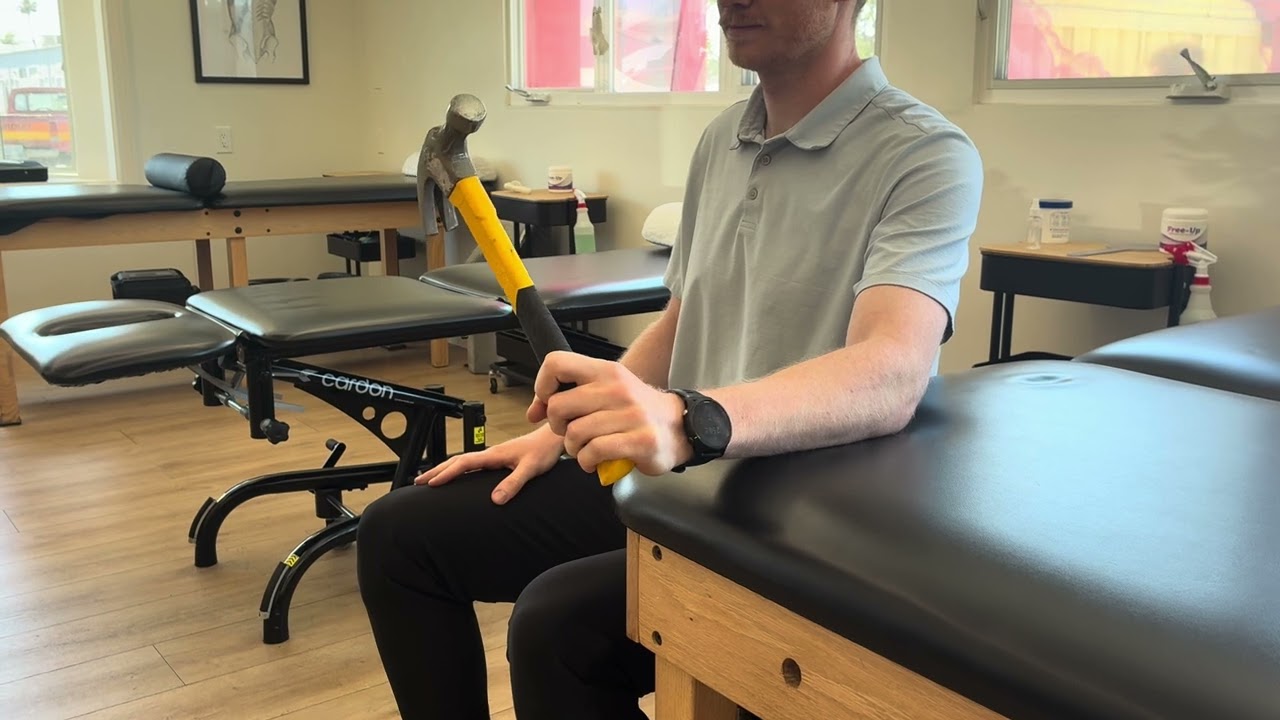
Sets: 3 Reps: 8-12 each side Rest: 1min
How to do it:
- Sit in a chair, left-side-on to the end of a table, holding a hammer in your left hand so it’s vertical, with your left forearm resting on the table.
- Slowly rotate your forearm so your palm faces up (supination) and the hammer is horizontal.
- Rotate in the opposite direction so your palm faces down (pronation).
- Continue, moving with control through a comfortable range of motion.
- Complete all the reps on one side, then turn your chair around and repeat on the other side.
How it helps: “This exercise strengthens the muscles responsible for forearm rotation,” says Everett.
“It also improves wrist and elbow stability, which helps with functional movements used in daily activities such as turning doorknobs, using tools, opening jars and participating in sports.”
3. Kettlebell wrist stabilization hold
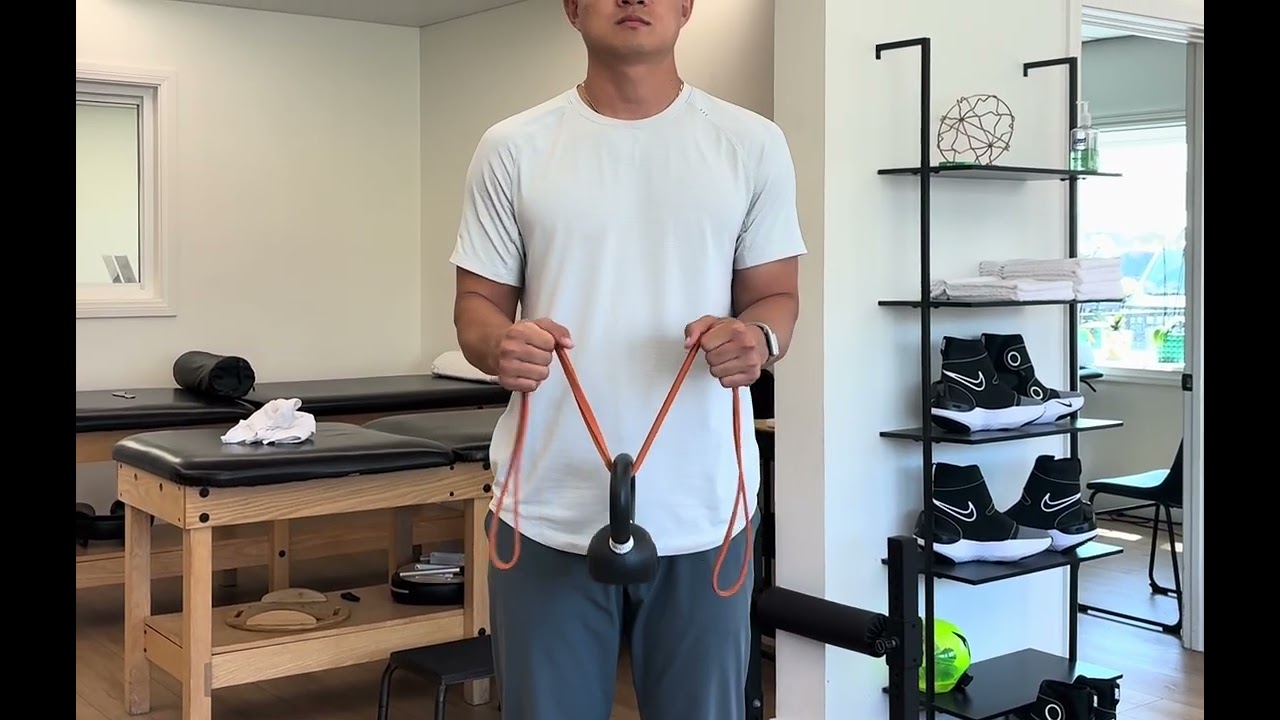
Sets: 3 Reps: 8-12 Rest: 1min
How to do it:
- Stand with your feet hip-width apart and your core engaged.
- Loop a resistance band through a kettlebell handle and hold the ends of the band in both hands and your elbows bent.
- Maintain a neutral wrist position with your palms facing down while the kettlebell hangs, resisting any wobbling.
- Rotate your wrists through their full range of motion until your palms face up.
- Keep your forearms stable and avoid lifting your shoulders.
How it helps: “This move develops wrist stability, grip endurance and forearm strength,” explains Everett.
“It is particularly helpful for athletes, lifters and individuals returning from wrist injuries.”
4. Band-resisted wrist flexion
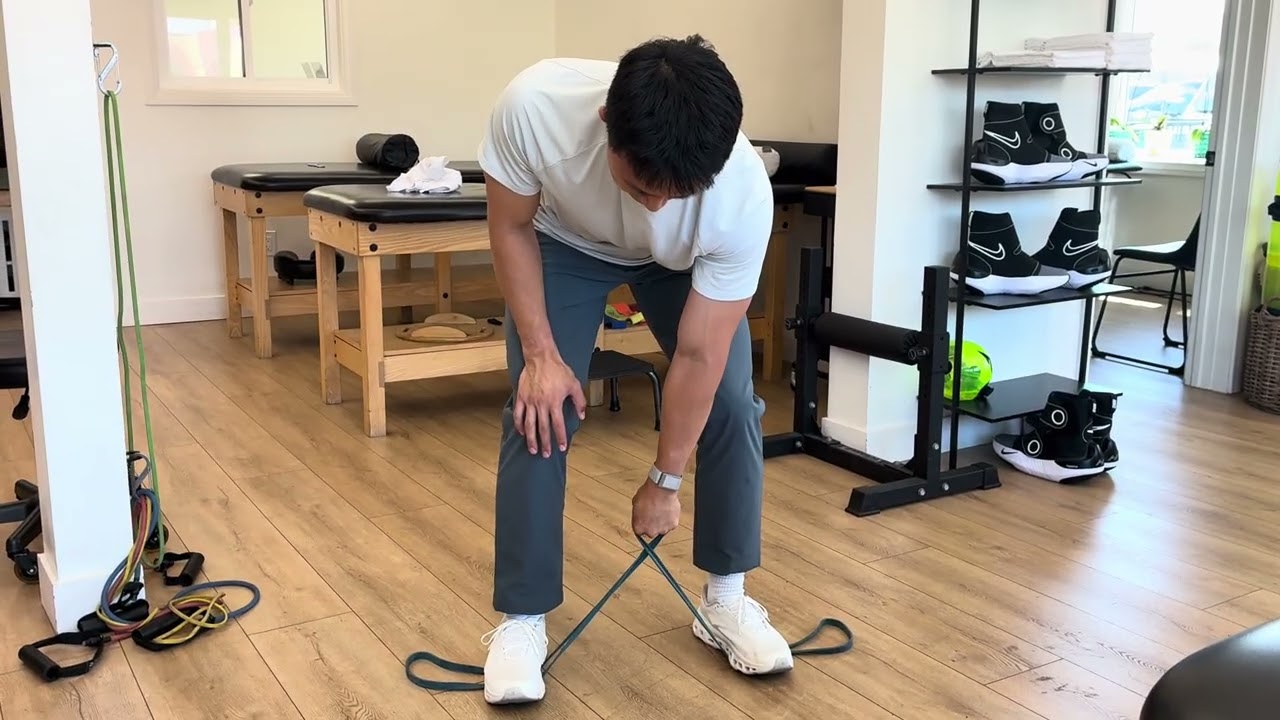
Sets: 3 Reps: 8-12 each side Rest: 1min
How to do it:
- Sit or stand with both feet on a resistance band, slightly wider than hip-width apart.
- Hold the middle of the band in one hand at roughly mid-shin height.
- With your forearm supported on your thigh, rotate your wrist through its full range of motion in both directions, maintaining tension on the band.
- Complete all reps on one side then switch sides.
How it helps: “This final exercise strengthens the wrist flexor muscles, improves grip strength and builds tendon resilience throughout the forearm,” says Everett.

Patrick Everett is a physical therapist, certified athletic trainer and the owner of Cuirim Sports Recovery, a sports-focused physical therapy clinic in Costa Mesa, California.
His clinical practice centers on helping athletes recover from injury, optimize performance and return to activity safely. He has extensive experience working with athletes at all levels, including NFL players.
